What the Conveyor Support Bracket Does
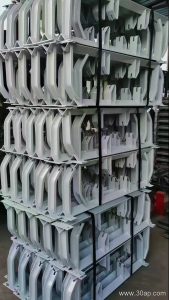
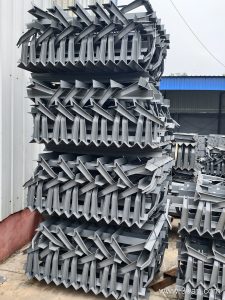
A conveyor support bracket is the structural link between the idler roller and the conveyor frame. It holds the roller at the correct height, angle and spacing so the conveyor belt keeps its trough shape and tracks steadily under load. In a quarry, a coal handling plant or a cement kiln feed line, these brackets carry the repeated weight of bulk material and absorb vibration from the belt. A well-built bracket keeps the idler roller aligned, which in turn protects the belt edge and reduces spillage.
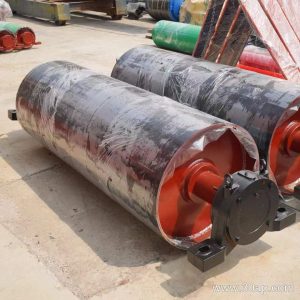
The bracket is not a pulley. Drive pulleys, tail pulleys and bend pulleys transmit power or change belt direction, while the support bracket only carries the idler station. This distinction matters when ordering spares, because a conveyor pulley and a conveyor bracket serve different mechanical roles and cannot be exchanged.
Construction and Common Forms
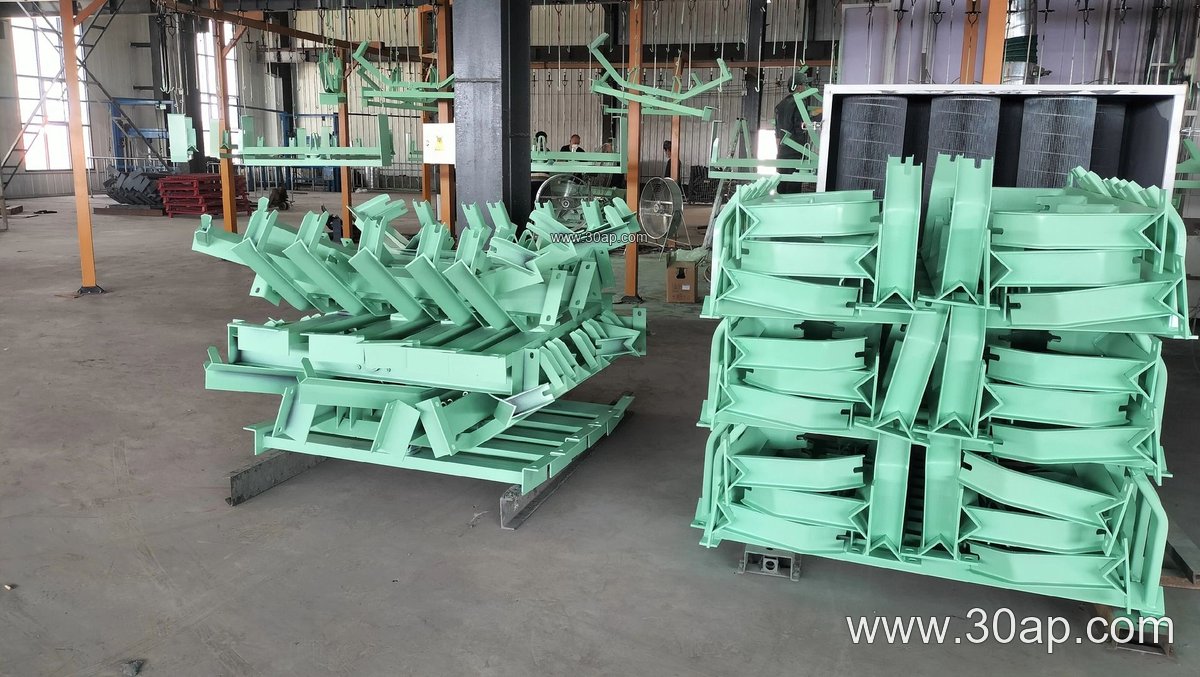
Most brackets are fabricated from angle steel, channel steel or folded steel plate. The material choice depends on the load and the environment. A dusty limestone mine may call for a heavier channel section, while a lighter folded design can suit a small aggregate line. Common forms include troughing brackets for the carrying side, return brackets for the lower run, impact brackets under a loading point, self-aligning brackets for belt tracking and adjustable brackets that allow the trough angle to be changed on site.
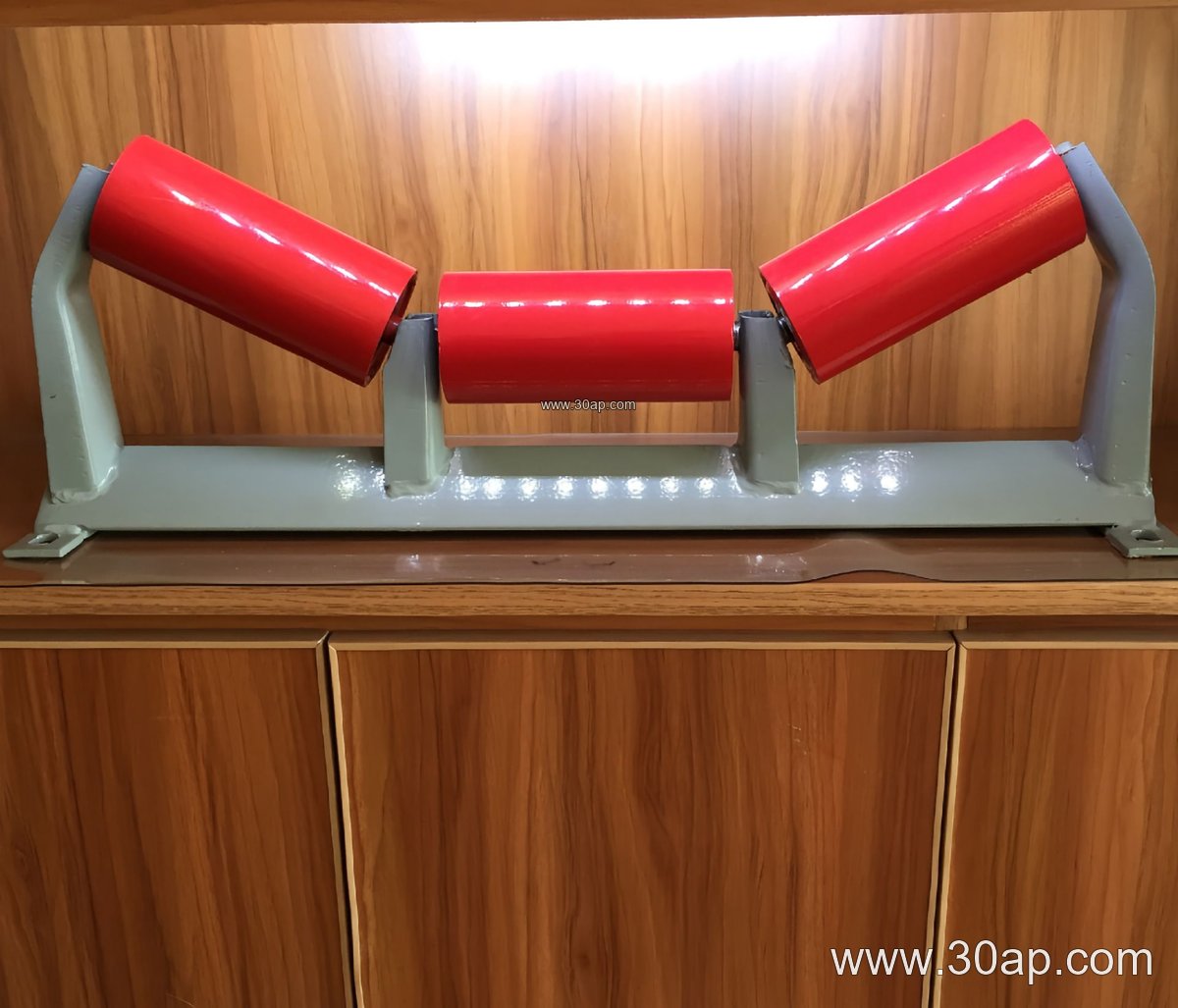
Trough angles are usually 20, 30, 35 or 45 degrees. An adjustable bracket can move between these angles, while a fixed bracket is built for one setting. Forward-tilt brackets are commonly set at about 1.5 to 2 degrees to help centre the belt. Matching the bracket to the idler roller diameter is important, since the roller seat and fixing holes are designed around a specific roller size.
Typical Belt and Roller Combinations
The table below shows reference combinations only. Actual dimensions follow the conveyor design, and one belt width can work with more than one trough angle or roller diameter.
- B650, 30 degrees, roller diameter 89 mm
- B800, 35 degrees, roller diameter 108 mm
- B1000, 35 degrees, roller diameter 133 mm
- B1200, 45 degrees, roller diameter 133 mm
- B1400, 35 degrees, roller diameter 159 mm
- B1600, 45 degrees, roller diameter 194 mm
Installation hole spacing and crossbeam length change with belt width and trough angle, so these should be confirmed from the drawing rather than assumed. A bracket supplier may offer several frame heights for the same belt width.
Where These Brackets Are Used
Support brackets appear wherever a belt conveyor runs. In a coal washing plant they sit under a flame retardant conveyor belt and an anti-static conveyor belt, where steady roller alignment helps avoid friction heat. In a power plant coal yard, a heavy-duty mining conveyor belt may run over impact brackets at the transfer chute and standard troughing brackets along the line. In an iron ore terminal, a steel cord conveyor belt often needs larger roller diameters and stronger brackets to handle high tension and lump ore. A food grade conveyor belt in a grain silo, by contrast, usually runs on lighter, cleaner brackets that are easy to inspect and wash down.
Other industries follow the same logic. A stone crushing line uses quarry conveyor belts on robust brackets near the crusher discharge, while a fertiliser plant may prefer corrosion-conscious fabrication. The bracket is always selected together with the belt type, the idler roller and the pulley layout.
Buyer Checklist
Before ordering, confirm the belt width, the trough angle, the roller diameter and the mounting hole pattern. Ask whether the bracket is fixed or adjustable, and check the steel section and surface treatment for the site conditions. For a mine or a port handling abrasive ore, a heavier bracket usually lasts longer. For a light sand making plant, a standard folded bracket may be enough. Review the drawing against the existing frame and keep a small stock of spare brackets, since a bent bracket can misalign the whole idler station and wear the belt quickly.