What a Conveyor Belt Support Frame Does
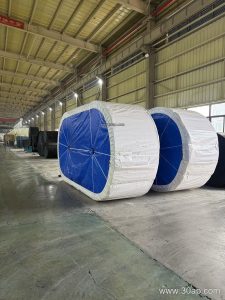
A conveyor belt support frame is the structural backbone that holds the idler rollers in the correct position along a conveyor route. It keeps the belt in a stable trough, supports the return strand, and absorbs the loads that come from bulk material handling. In a quarry, a coal preparation plant, or a cement kiln feed line, this frame is what turns a simple rubber conveyor belt into a controlled transport system. Without a properly built support frame, even a heavy-duty conveyor belt would sag, misalign, and wear out quickly.
Structure and Materials
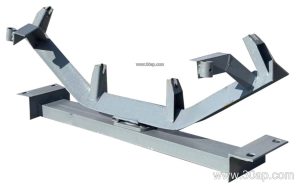
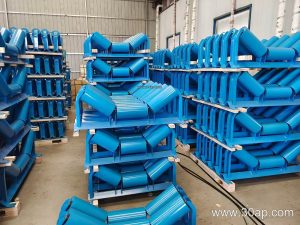
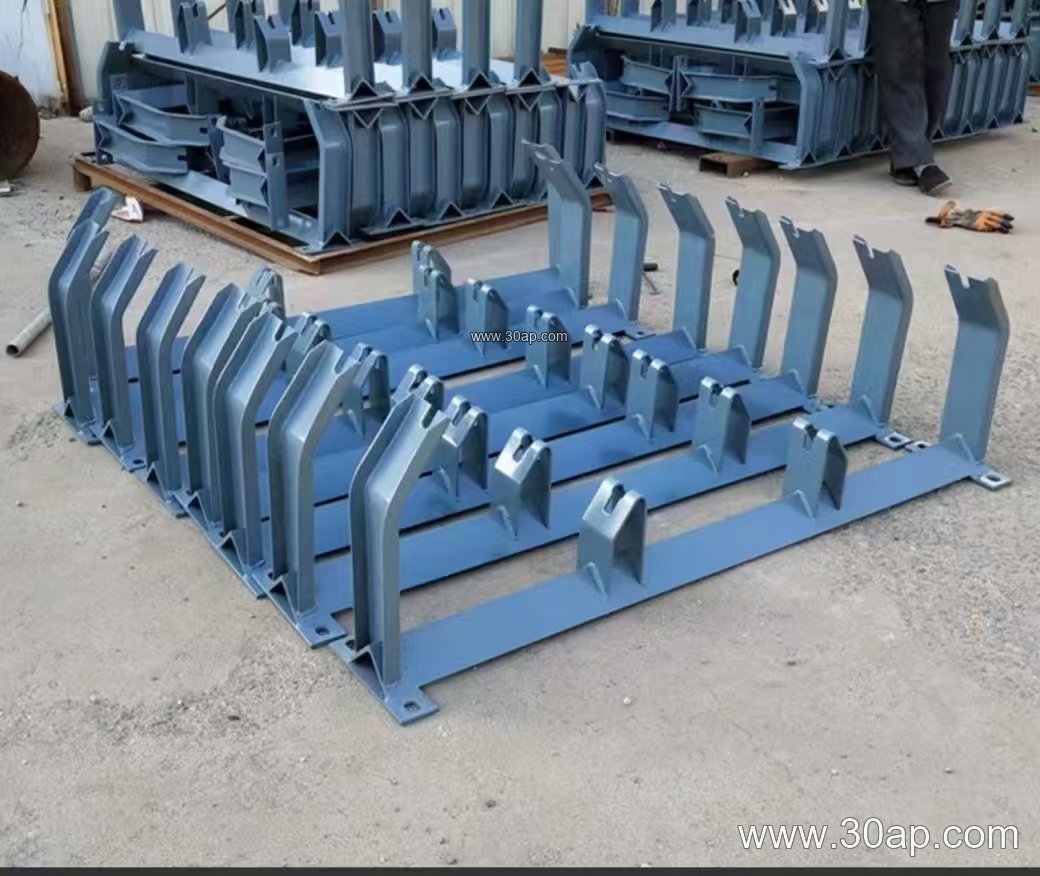
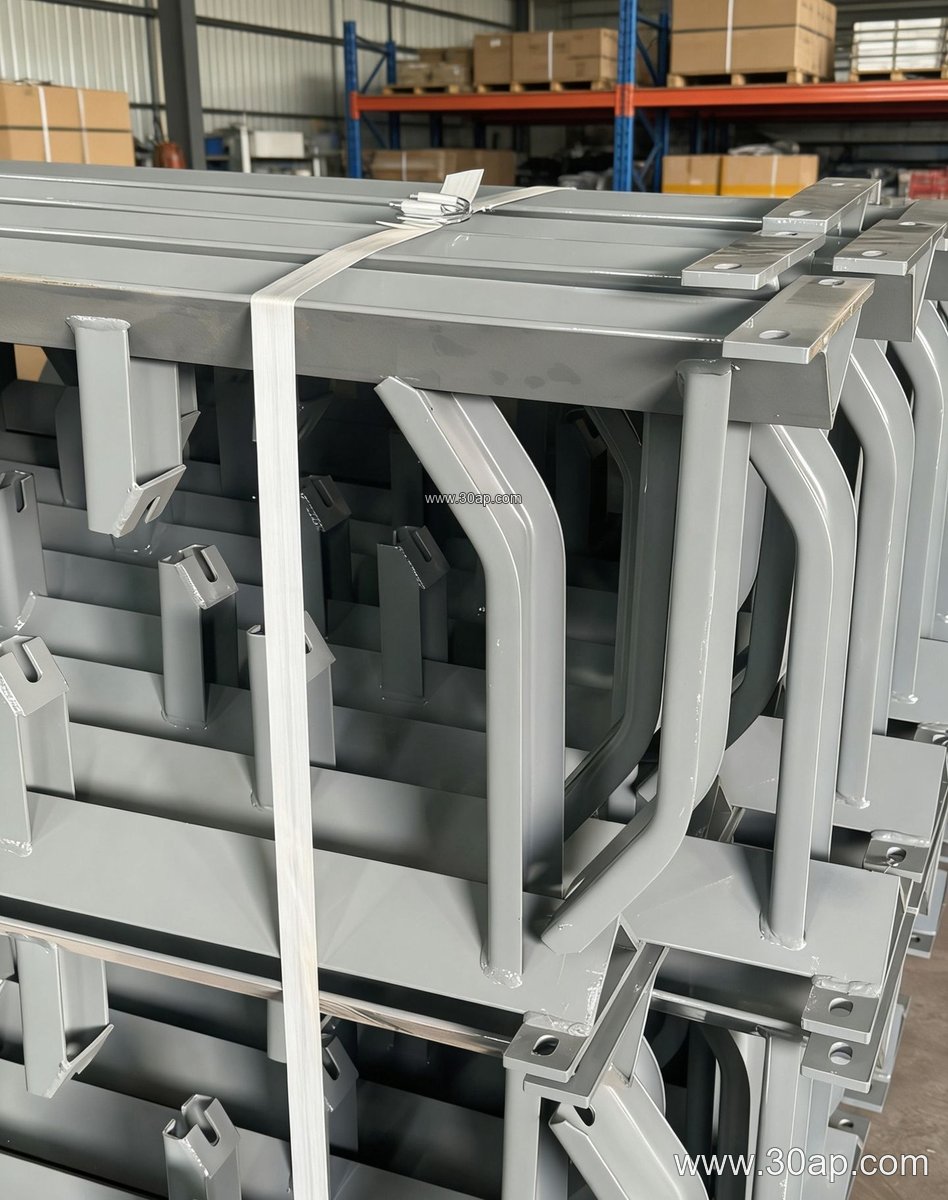
Most support frames are fabricated from angle steel, channel steel, or folded steel plate. The frame consists of a cross beam, mounting brackets for the idlers, and often adjustable legs or fixing plates. Common types include troughing frames for the carrying side, return frames for the empty side, impact frames under loading points, and self-aligning frames that help correct belt tracking. The frame width and hole spacing are determined by the belt width and trough angle, not by a single fixed rule. For example, a B800 frame with a 35-degree trough is a common combination, but the same belt width may also be used with a 30-degree or 45-degree frame depending on the material and conveyor design.
Where It Fits in the Conveyor System
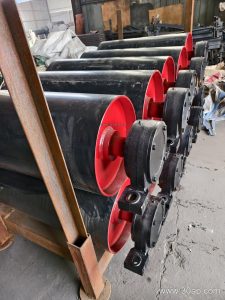
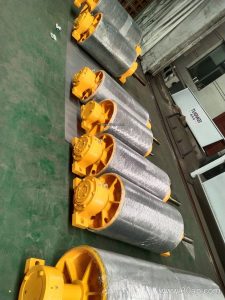
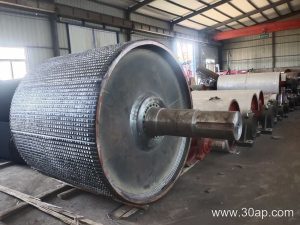
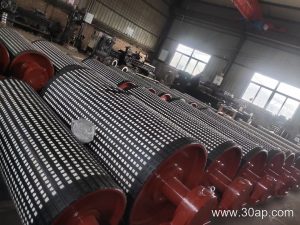
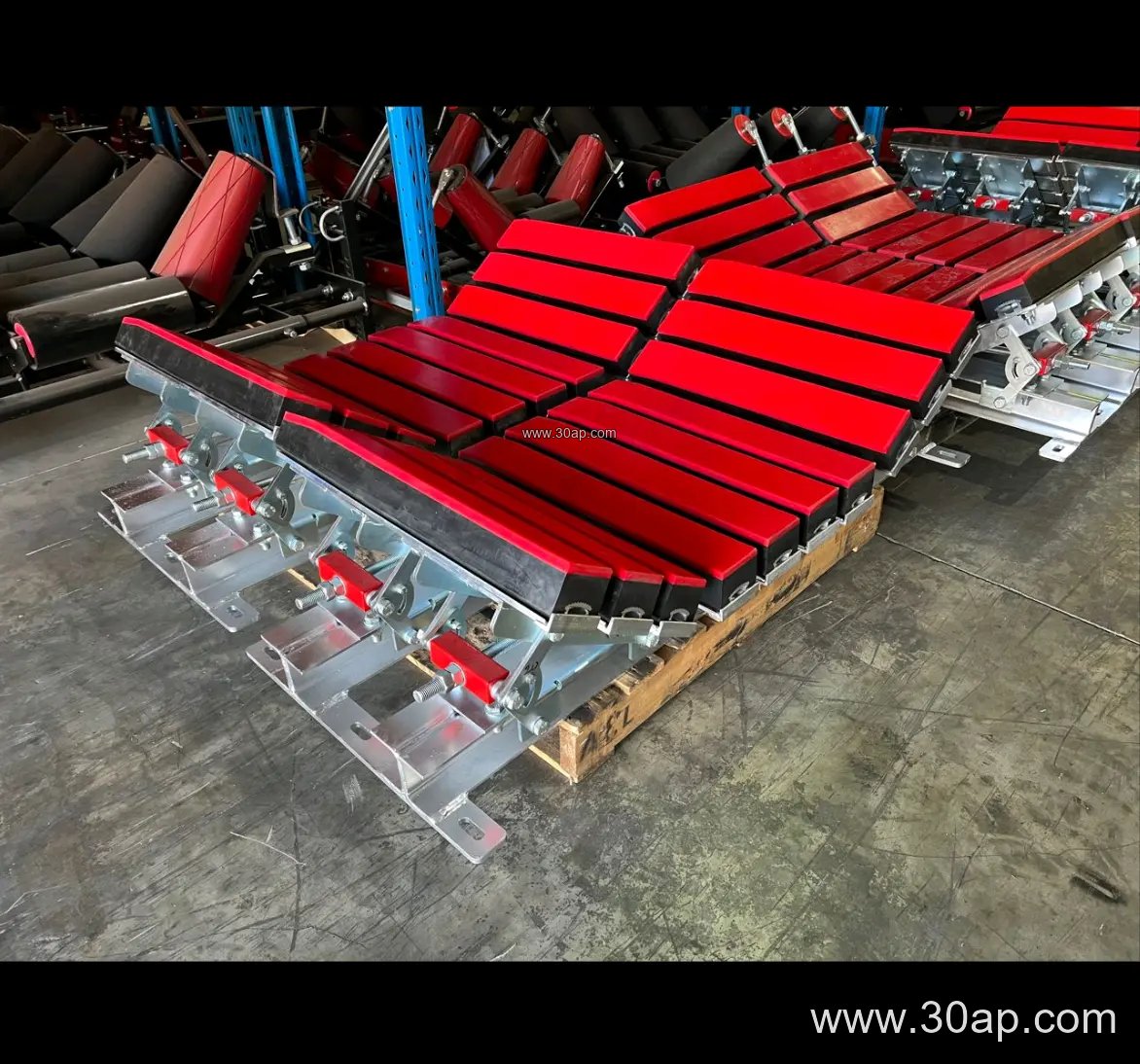
The support frame works together with conveyor pulleys at the head and tail, idler rollers along the route, and conveyor brackets that anchor the assembly. In a typical aggregate conveyor line, troughing frames carry the loaded belt while return frames support the belt on its way back. At transfer points, impact frames with rubber or spring-mounted rollers protect the belt from falling rock. In underground coal mining, flame retardant conveyor belt grades are often paired with sturdy frames that can handle uneven floor conditions. The frame itself is not a moving part, but its alignment directly affects belt life and energy consumption.
Common Configurations and Reference Data
The table below shows typical frame-related parameters used in conveyor design. These are reference ranges, not fixed supply promises.
| Parameter | Common Range / Example |
|---|---|
| Belt width (B) | B500, B650, B800, B1000, B1200, B1400, B1600, B1800, B2000 |
| Trough angle | 20°, 30°, 35°, 45° (adjustable frames cover multiple angles) |
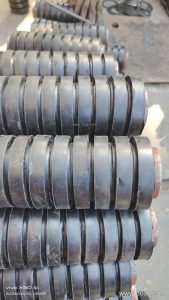
| Idler diameter | Ø89, Ø108, Ø133, Ø159, Ø194 |
| Frame material | Angle steel, channel steel, folded steel plate |
| Frame types | Troughing, return, impact, self-aligning, transition, suspended, adjustable |
For instance, a B1200 frame with a 45-degree trough and Ø133 idlers is often seen in high-capacity ore conveyors, while a B650 frame with a 30-degree trough and Ø89 idlers suits smaller aggregate lines. The exact hole spacing and beam length should always be confirmed with the idler and pulley dimensions.
Selection Tips for Buyers
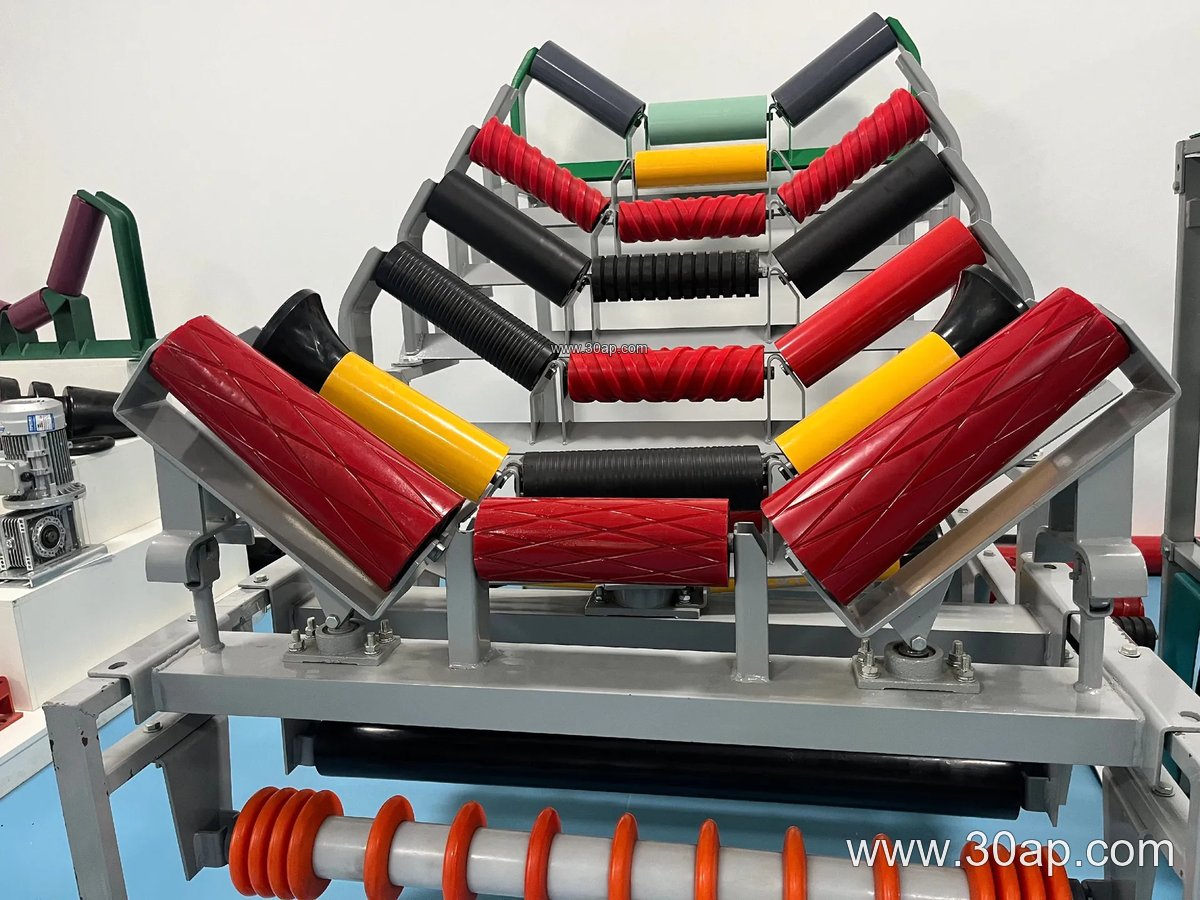
When choosing a conveyor belt support frame, start with the belt width and the required trough angle. Then match the frame to the idler roller diameter and the load rating. Consider the environment: a dusty quarry may need frames with good drainage and easy cleaning, while a power plant coal yard may require frames that resist corrosion and support fire resistant conveyor belt grades. Adjustable frames are useful where the trough angle may need fine-tuning after installation. Fixed frames are simpler and often more rigid for permanent installations. Also check the connection to the conveyor pulley and the transition distance from the tail pulley, because a short transition can stress both the belt and the frame.
Maintenance and Compatibility
Regular inspection of the support frame helps prevent belt tracking problems. Check for loose bolts, bent beams, and worn mounting brackets. Replace damaged frames promptly, especially in impact zones where a crusher conveyor belt receives heavy lumps. The frame should be compatible with the idler rollers and the conveyor belt type in use, whether it is an EP conveyor belt, a steel cord conveyor belt, or a chevron conveyor belt for inclined sections. Keeping the frame aligned and the rollers turning freely will extend the service life of the entire conveyor system.