What a Double-Sealed Idler Is
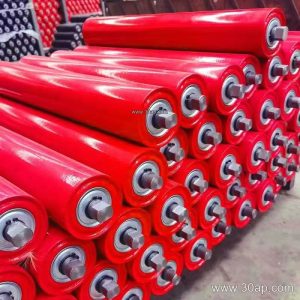
A double-sealed idler is a conveyor roller that uses two sealing stages to protect its bearing cavity from fine dust, grit, and moisture. In a typical design, an outer labyrinth seal works with an inner lip seal or a second contact seal, creating a barrier that keeps contaminants away from the bearing grease. This sealing approach is common on idler rollers used in quarry, cement, and coal handling lines where airborne dust is constant and washdown or rain exposure is possible. The double-sealed idler is still a standard carrying or return roller in function; the difference sits in how the bearing housing is protected.
Construction and Sealing Details
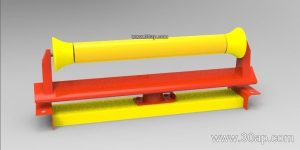
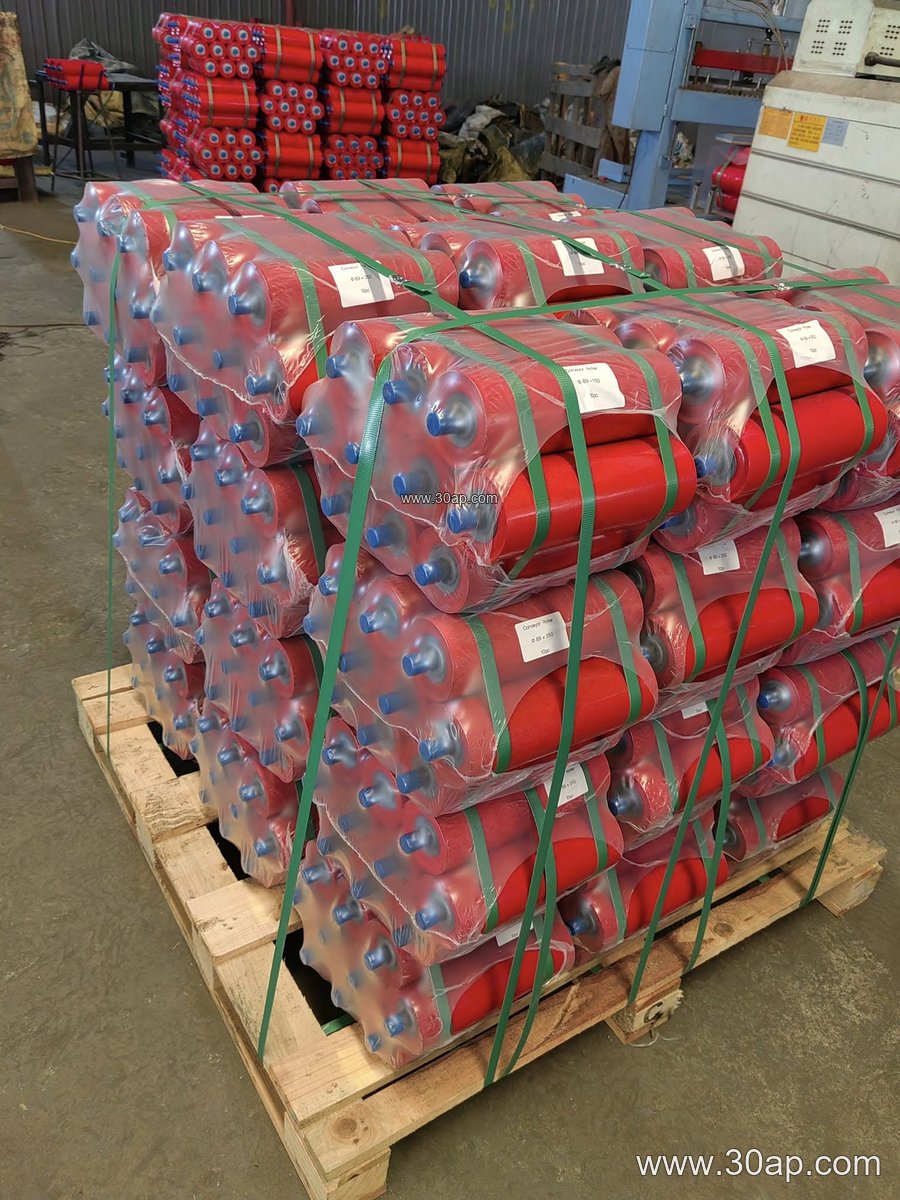
Most double-sealed idlers use a steel tube shell, a through shaft, and deep-groove ball bearings. The seal package usually combines a rotating outer shield with a stationary inner seal, and some designs add a felt or rubber lip for extra protection. Common bearing sizes include 6204, 6205, 6305, 6306, 6308, and 6310, matched to the roller diameter and load. Roller diameters such as Ø89, Ø108, Ø127, Ø133, and Ø159 appear in many bulk handling conveyors, while smaller diameters like Ø63 and Ø76 are used on lighter belts. The seal is not a single part but a small assembly, so the quality of the seal fit matters as much as the bearing itself.
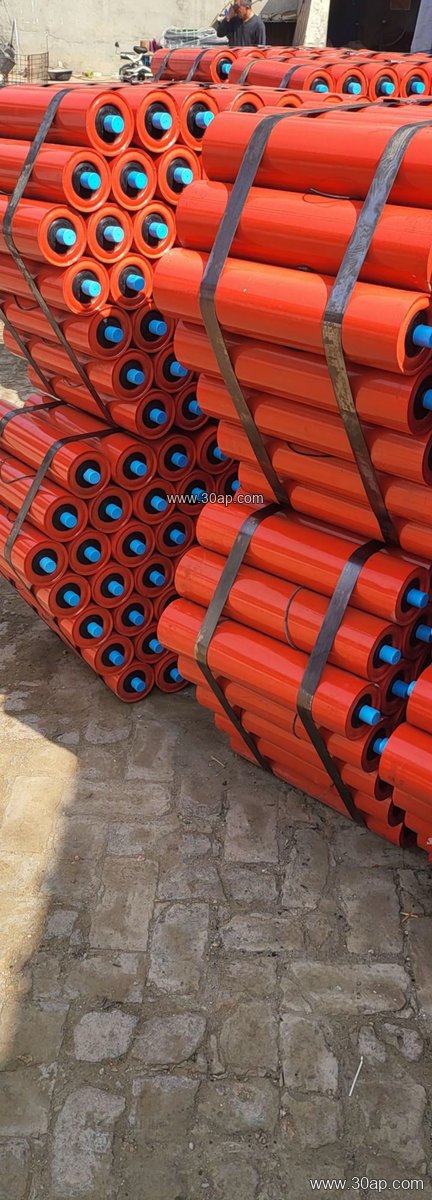
Where Double-Sealed Idlers Fit
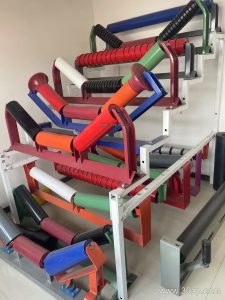
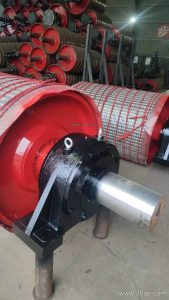
These idlers are often chosen for the carrying side and return side of a conveyor belt in dusty or wet environments. In a limestone quarry or a cement plant, fine powder can work into a standard seal and shorten bearing life. In a coal preparation plant or a power plant coal yard, moisture and coal dust combine to create a sticky film that can penetrate poorly sealed rollers. Double-sealed idlers are also used on aggregate conveyors and crusher discharge belts, where vibration and grit are present. They are not a replacement for a conveyor pulley at the drive, tail, or bend position; those are separate components with different load and torque requirements.
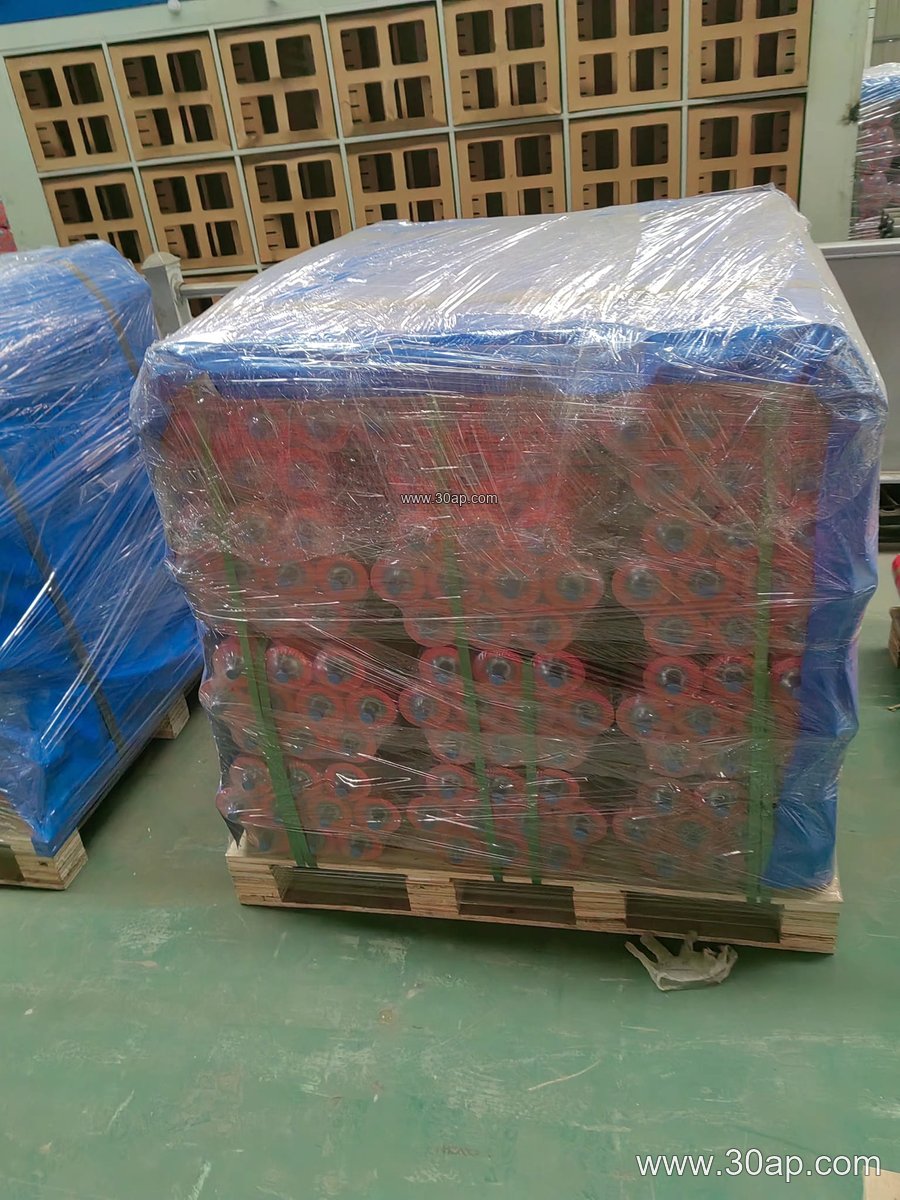
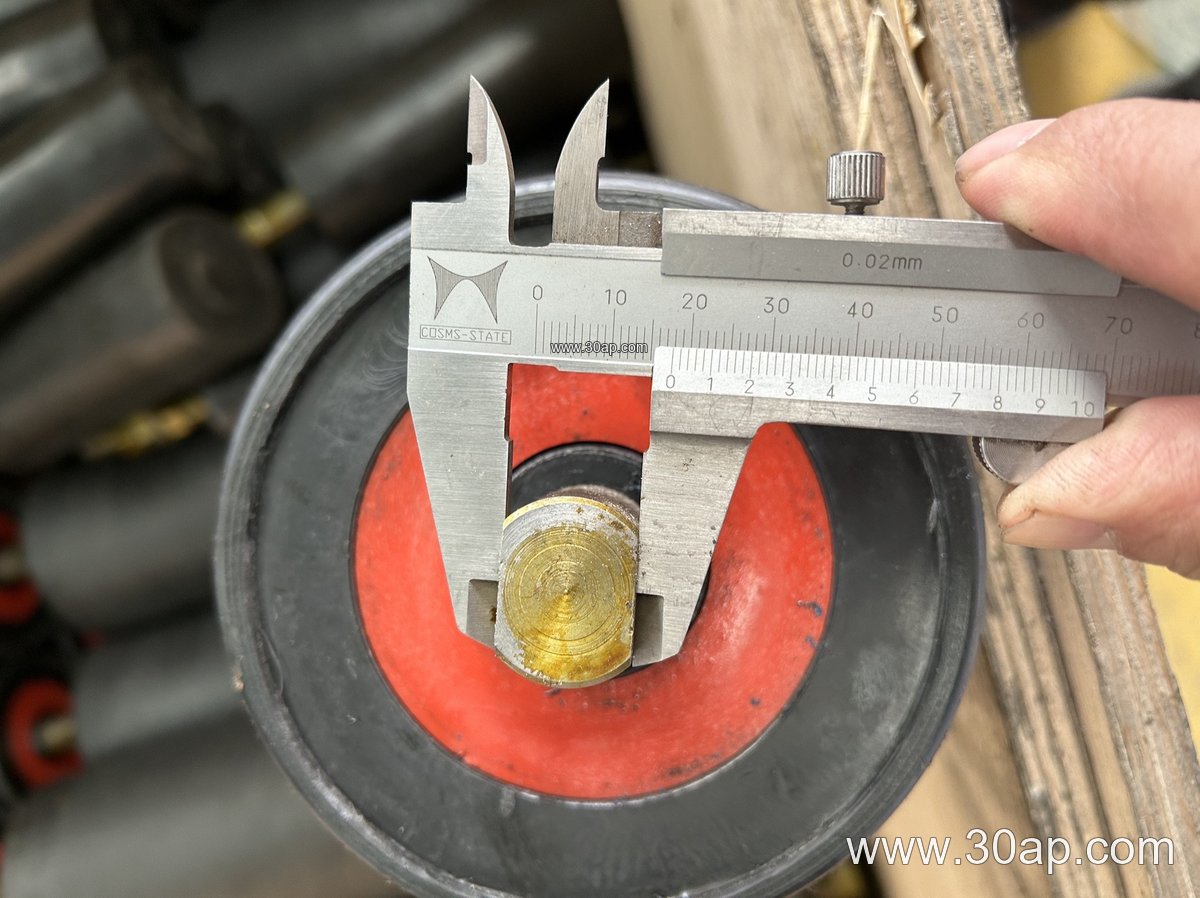
Common Sizes and Configurations
The table below shows typical reference values, not fixed combinations. Roller length changes with belt width, trough angle, and idler arrangement.
| Item | Common Reference Values |
|---|---|
| Roller diameter | Ø63, Ø76, Ø89, Ø102, Ø108, Ø127, Ø133, Ø159, Ø178, Ø194, Ø219 |
| Belt width | B400, B500, B650, B800, B1000, B1200, B1400, B1600, B1800, B2000, B2200, B2400 |
| Trough angle | 20°, 30°, 35°, 45° |
| Roller length example (three-roll trough) | B500 about 200 mm; B650 about 250 mm; B800 about 315 mm; B1000 about 380 mm; B1200 about 465 mm; B1400 about 530 mm; B1600 about 600 mm; B1800 about 670 mm; B2000 about 750 mm |
| Bearing size | 6204, 6205, 6305, 6306, 6308, 6310 |
| Roller surface | Steel tube, nylon, ceramic, rubber ring |
These values are examples only. Side rollers and center rollers can differ, and the same belt width can work with more than one roller diameter depending on load and speed.
Selection and Maintenance Notes
When choosing a double-sealed idler, match the roller diameter to the belt width and the load, then confirm the seal type against the actual environment. A conveyor moving abrasive ore or heavy rock may need a thicker shell and a robust seal, while a food or chemical line may require a different roller surface. Bearing size should follow the shaft and housing design, not a single belt width. For maintenance, check for seal damage during routine inspections, listen for bearing noise, and replace rollers that show grease leakage or shell wear. A double-sealed idler can extend service life in dusty conditions, but it does not remove the need for proper belt alignment and regular cleaning. For related components, see the conveyor bracket and conveyor pulley selection pages on our site.