What a Coal Conveyor Belt Does on Site
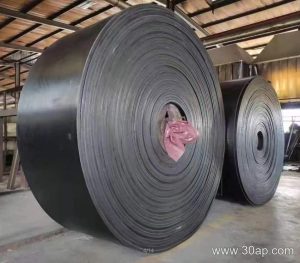
A coal conveyor belt is the load-carrying member of a bulk handling line that moves raw coal from a stockpile, shaft or silo to a crusher, boiler bunker or ship loader. In coal mines, coal preparation plants, power stations, cement works that burn coal, and port terminals, this belt runs continuously over idler rollers and wraps around conveyor pulleys at each end. The belt must carry sharp, sometimes wet and oily coal without excessive stretch, and it must resist abrasion and, in many cases, flame propagation.
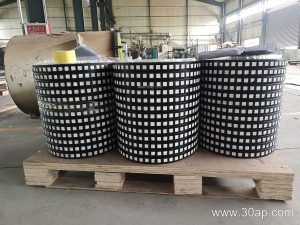
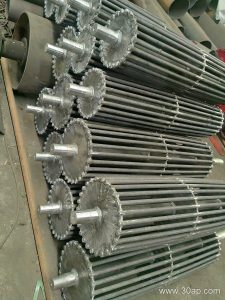
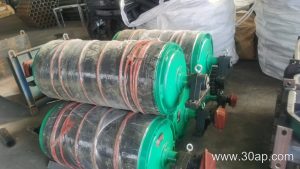
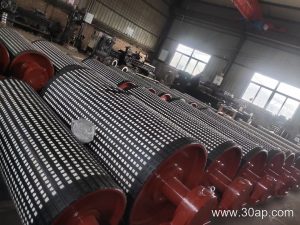
The same product is often called a coal handling conveyor belt or a coal transport belt. Those are equivalent names for the same item, but a drive pulley, a tail pulley and a bend pulley remain different components and should never be treated as interchangeable.
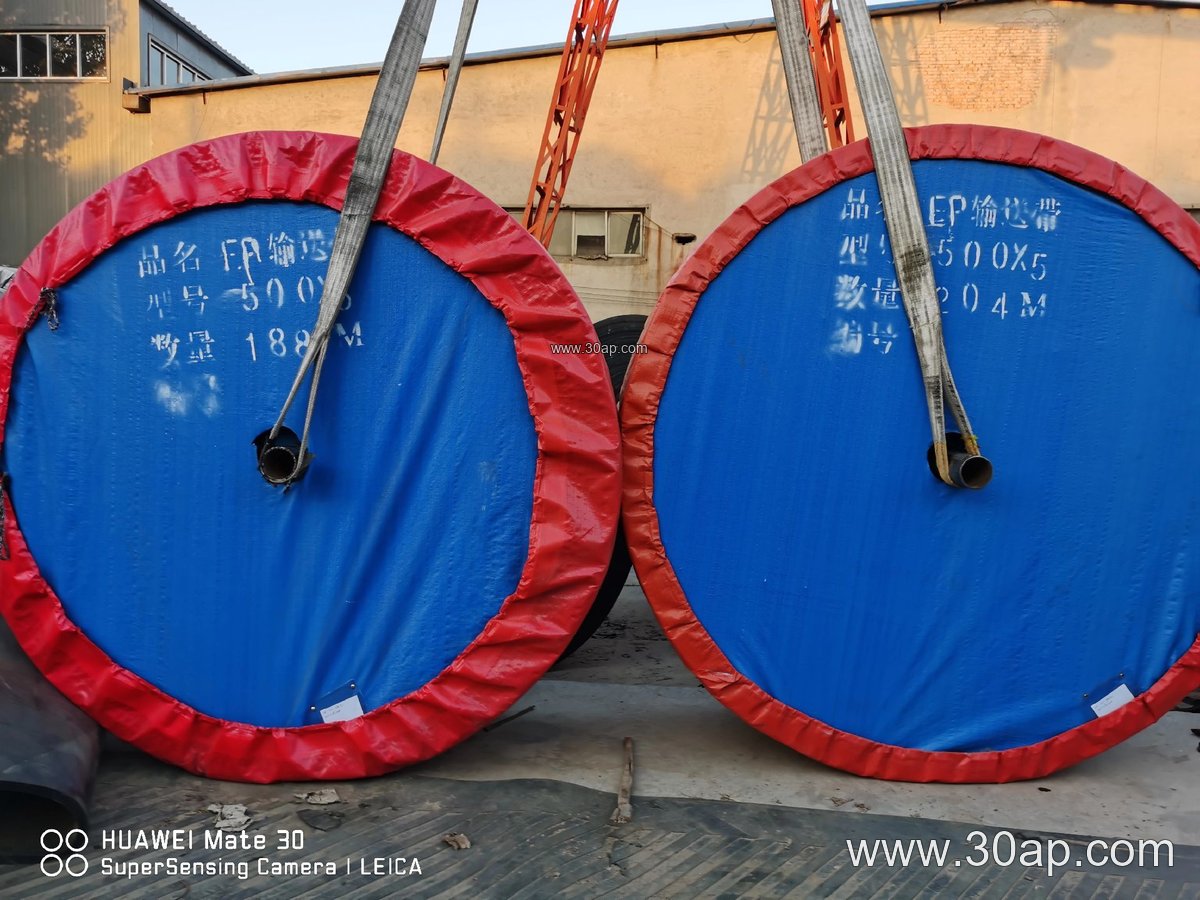
Construction of the Belt
Most coal belts are fabric-cored or steel-cord reinforced rubber belts. The carcass provides tensile strength, while the top and bottom rubber covers protect it from impact, abrasion and moisture. A typical build includes:
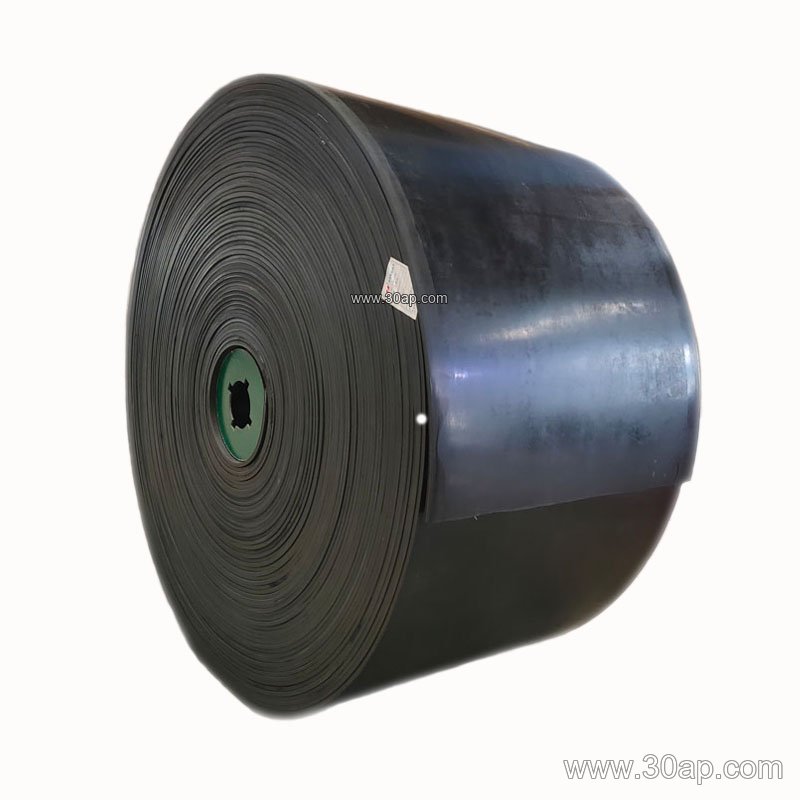
- Carcass: multi-ply fabric (EP or NN) or steel cord, depending on the duty.
- Top cover: often 4+2 mm, 5+2 mm or 6+2 mm for coal with lumps and fines.
- Bottom cover: usually thinner, commonly 1.5 mm to 2 mm, running on the idler roller side.
- Edges: cut or moulded, with attention to sealing against water ingress.
An EP Conveyor Belt uses polyester warp and nylon weft plies and offers low elongation under load. A NN Conveyor Belt uses nylon in both directions and gives good impact absorption. Steel Cord Conveyor Belt designs are chosen for long, high-tension runs where a single continuous path is needed. Flame retardant grades are common in underground coal mining, while abrasion resistant covers suit coal with high ash or stone content.
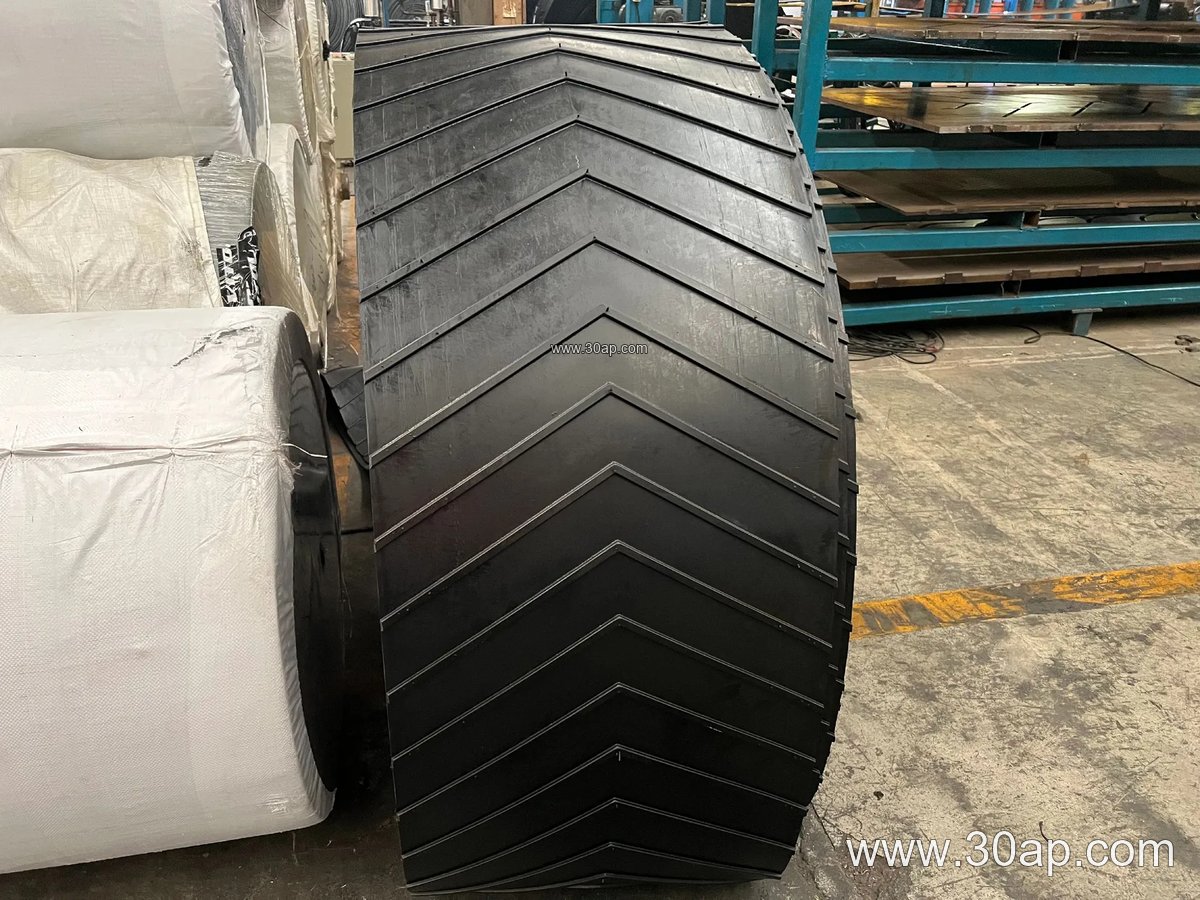
Common Specifications
The table below shows reference values often seen in coal handling projects. Actual belt selection depends on the conveyor design, tonnage, incline and coal properties, and values differ between manufacturers.
Typical Coal Belt Reference Data
| Item | Common Options |
|---|---|
| Belt type | EP, NN, steel cord, PVG, PVC |
| Strength grade | EP200, EP400, EP630, EP800, EP1000, EP1250; ST1000 to ST2500 |
| Belt width | B650, B800, B1000, B1200, B1400, B1600, B1800, B2000 |
| Cover thickness | 4+2 mm, 5+2 mm, 6+2 mm, 8+3 mm |
| Carcass plies | 2 to 6 plies for fabric belts |
| Special grades | Flame retardant, anti-static, abrasion resistant, heat resistant, oil resistant |
Note that a wider belt does not automatically dictate one pulley diameter, and shaft size must be calculated from the actual tension and pulley load, not from belt width alone. Coal Mining Conveyor Belt users in underground roadways often specify PVG800S or PVG conveyor belting with flame retardant and anti-static properties, while surface power plant lines may use EP1000 or EP1250 belting at 1200 mm to 1800 mm widths.
Where the Belt Is Used
Coal belts appear in many industries. In coal-fired power plants they feed bunkers from stockyards. In coal washeries they carry raw and washed coal between screens and centrifuges. In cement plants they move coal to kiln burners. Port terminals use wide belts, sometimes 1800 mm or 2000 mm, for ship loading. Quarries and aggregate plants handling coal by-product or coke also rely on abrasion resistant covers.
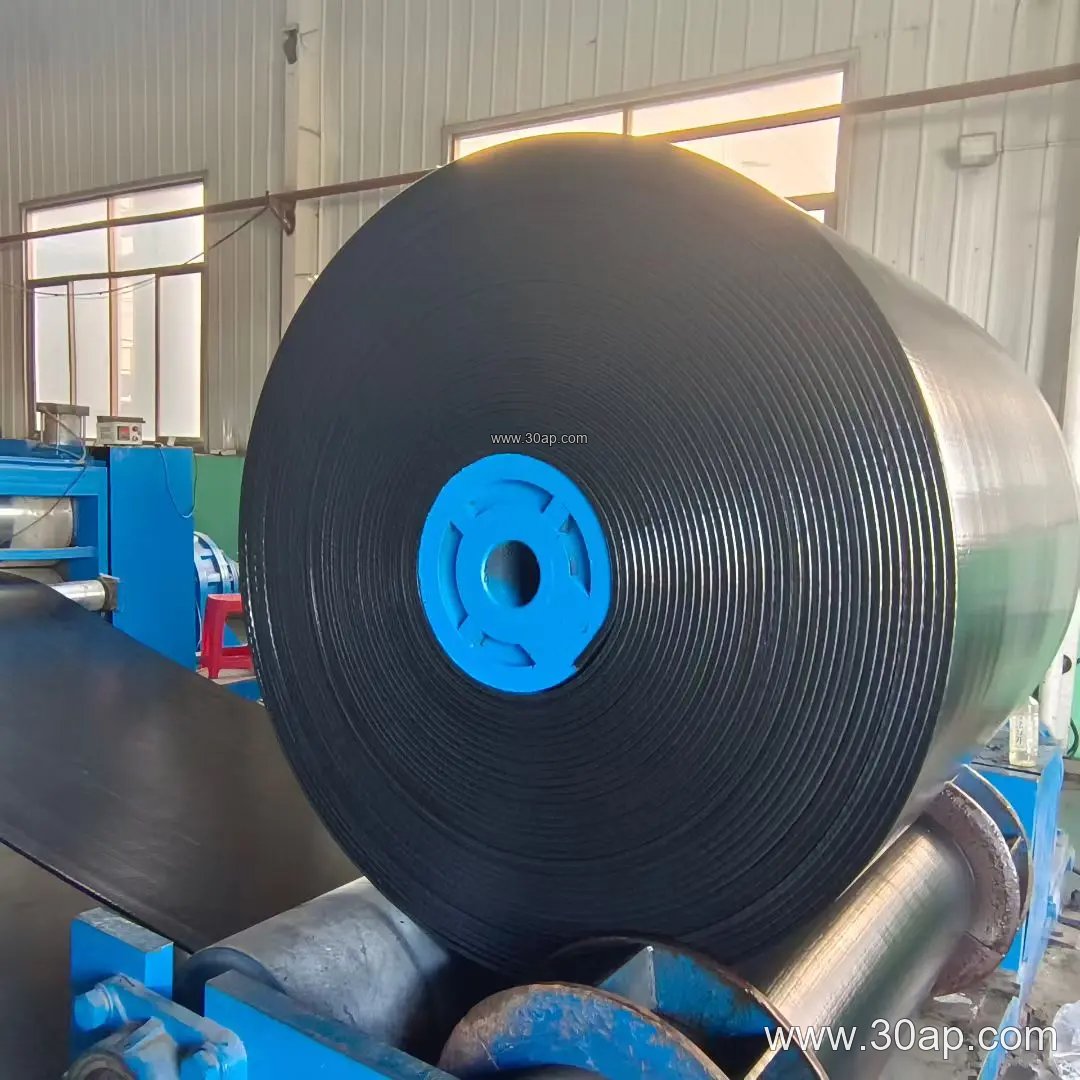
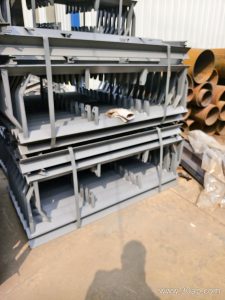
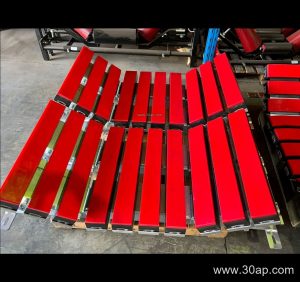
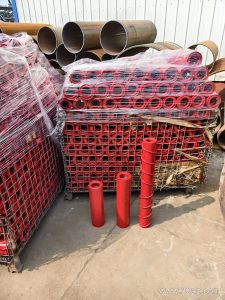
Supporting equipment matters as much as the belt itself. Idler rollers set the belt profile, while the drive, tail and bend pulleys control tracking and tension. Conveyor brackets and frames hold these parts in alignment. A misaligned idler roller or a worn conveyor pulley can damage even a high-grade belt quickly.
Buyer Checklist
- Confirm the coal size, moisture and presence of oil or chemicals before choosing the cover grade.
- Check whether flame retardant and anti-static properties are required by the site.
- Match the strength grade and ply count to the calculated belt tension, not to habit.
- Decide between fabric and steel cord based on run length and splice preference.
- Ask for cover thickness in millimetres and confirm the top and bottom values separately.
- Review pulley and idler roller specifications together with the belt to avoid mismatch.
For more product information, visit conveyorbeltsale.com and review the coal conveyor belt range alongside related items such as EP conveyor belt, steel cord conveyor belt and flame retardant conveyor belt options.