What a Steel Plant Conveyor Belt Is
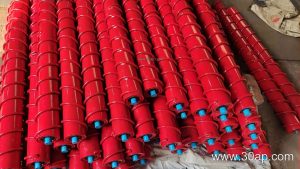
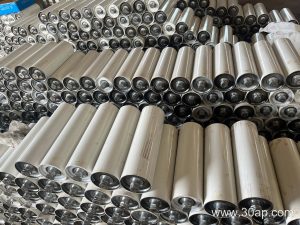
A steel plant conveyor belt is a heavy-duty belt designed to transport sinter, pellets, coke, limestone, iron ore, and hot or abrasive materials through demanding production areas. Unlike a general-purpose conveyor belt, this belt must handle sharp edges, high loads, and often elevated temperatures. In a steel plant, belt conveyors move raw materials from stockpiles to blast furnaces, from coke ovens to sinter plants, and from ladle areas to slag handling systems. The belt works together with conveyor pulleys, idler rollers, and conveyor brackets to form a reliable transport line. For plant operators, choosing the right belt construction is as important as maintaining the conveyor pulley and idler roller alignment.
Construction and Common Types
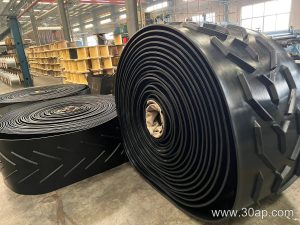
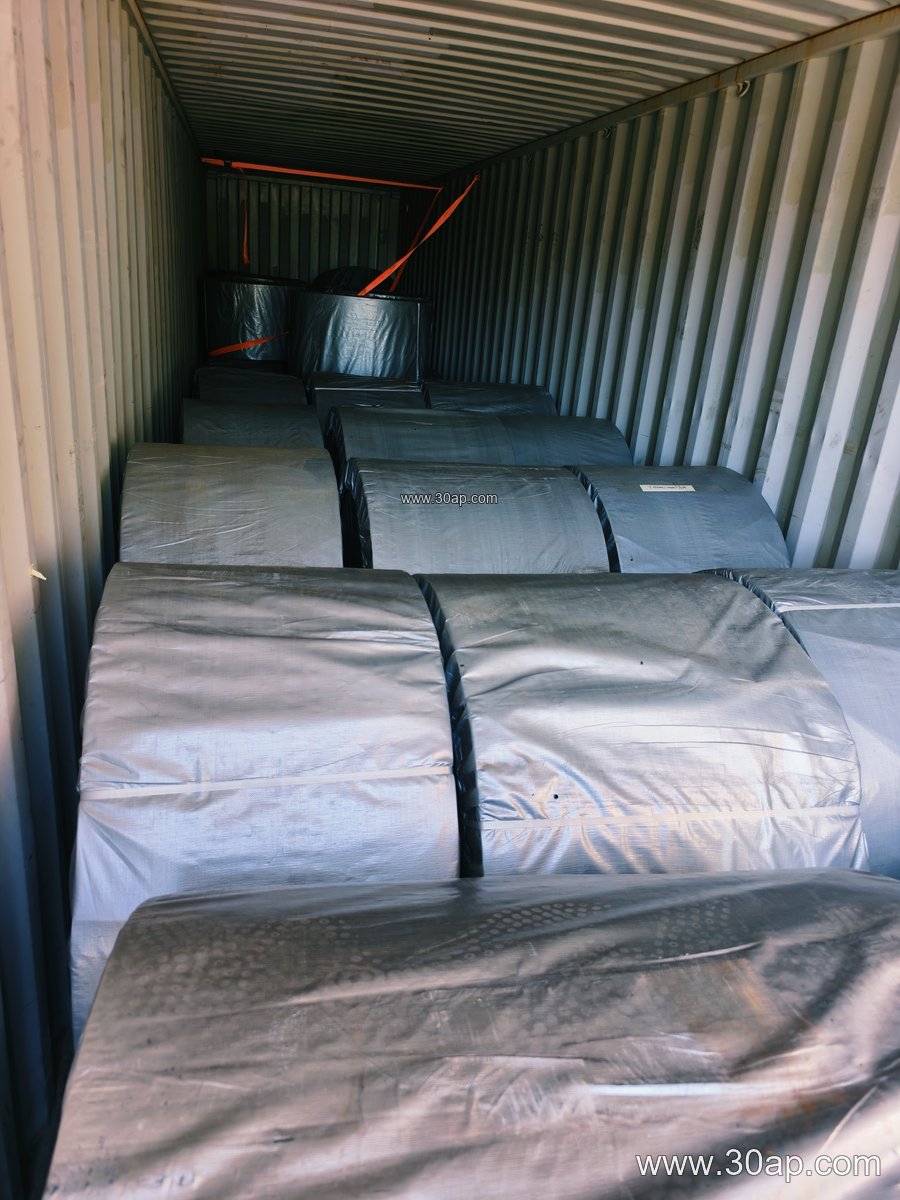
Most steel plant belts use a fabric core or steel cord carcass covered with rubber. The carcass provides tensile strength, while the cover rubber protects against abrasion, heat, and impact. Common carcass options include EP (polyester-nylon) fabric, NN (nylon-nylon) fabric, and steel cord. For high-strength needs, steel cord belts such as ST1000, ST1250, ST1600, and ST2000 are often considered. EP belts like EP200, EP315, EP400, EP500, EP630, EP800, and EP1000 are also widely used for medium-duty lines. Cover rubber grades may include abrasion resistant, heat resistant, flame retardant, and oil resistant compounds. In some areas, a chevron conveyor belt or corrugated sidewall belt helps prevent material spillage on inclined sections. A pipe conveyor belt may be used where dust control and route flexibility are required.
Typical Belt Specifications (Reference Only)
Belt width and cover thickness are selected according to the conveyor design, material lump size, and tonnage. The values below are common examples, not fixed rules; actual supply depends on the manufacturer and the specific application.
| Parameter | Common Examples |
|---|---|
| Belt width | B500, B650, B800, B1000, B1200, B1400, B1600, B1800, B2000 |
| Fabric core strength | EP200, EP315, EP400, EP500, EP630, EP800, EP1000, EP1250, EP1600, EP2000 |
| Steel cord strength | ST1000, ST1250, ST1600, ST2000 |
| Cover rubber thickness (top + bottom) | 3+1.5 mm, 4+2 mm, 5+2 mm, 6+2 mm, 8+3 mm |
| Fabric plies | 2 to 6 layers, depending on belt class |
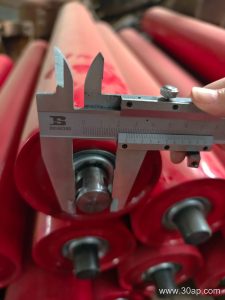
These examples show the range of available constructions. A belt width of B1200, for instance, may be paired with different pulley diameters and idler roller sizes according to the conveyor design, not by a fixed rule.
Where It Is Used in Steel Plants
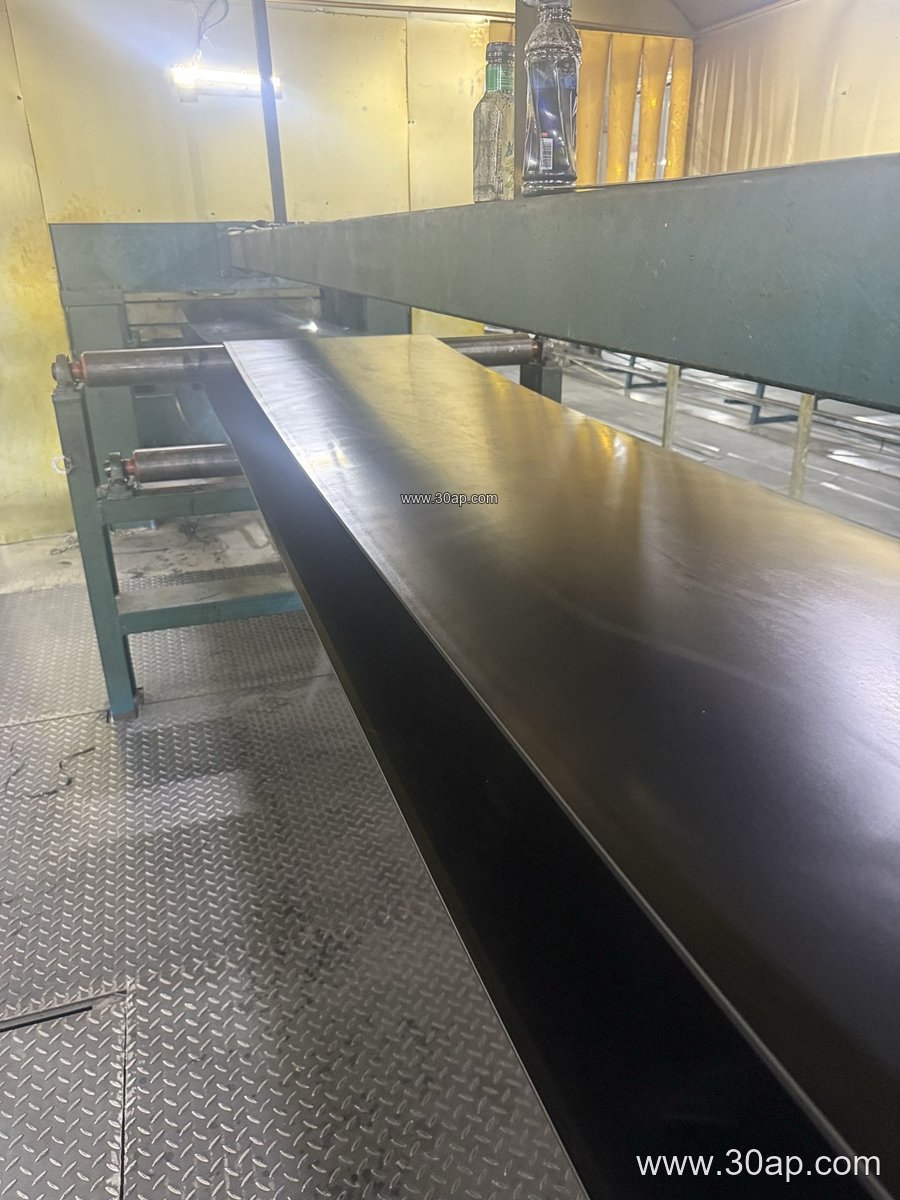
Steel production involves multiple material handling stages. A steel plant conveyor belt may serve the raw material yard, sinter plant, coke oven battery, blast furnace charging system, and slag processing area. In the sinter plant, heat resistant belts are often needed because the material can be hot. In the coke oven area, flame retardant and anti-static properties may be required. For limestone and iron ore transport, abrasion resistant covers help extend service life. The belt also works with conveyor pulleys, idler rollers, and conveyor brackets to keep the line running smoothly. In some plants, a heavy-duty mining conveyor belt or EP conveyor belt is used for general bulk material handling, while a steel cord conveyor belt handles long-distance, high-tension routes. Other industries such as cement plants, power plants, and quarries also use similar belts, but the steel plant environment places particular emphasis on heat and abrasion resistance.
Buyer Checklist
When selecting a steel plant conveyor belt, buyers should consider the following points. First, define the material type, lump size, temperature, and presence of oil or chemicals. Second, confirm the required belt strength and width with the conveyor designer. Third, check the cover rubber grade: abrasion resistant, heat resistant, flame retardant, oil resistant, or anti-static. Fourth, review the pulley and idler roller specifications to ensure compatibility. Fifth, consider the environment: dust, moisture, and incline angle may call for a chevron belt or corrugated sidewall belt. Finally, ask for the manufacturer’s technical data sheet and verify that the belt class, cover thickness, and carcass type match the application. Regular inspection of the belt, conveyor pulley, and idler roller helps prevent unexpected downtime.
Maintenance Notes
Even a well-built belt needs proper care. Keep the conveyor pulley and idler roller aligned to avoid edge damage. Clean spillage around the tail pulley and bend pulley areas. Check belt tension and splice condition regularly. For heat resistant belts, monitor surface cracking and cover wear. For flame retardant belts, avoid excessive loading that could cause friction heating. Store spare belts in a dry, shaded place. When replacing a belt, confirm that the new belt’s strength and cover grade match the original design. A steel plant conveyor belt is a critical link in the material flow, so maintenance planning should include the belt, pulleys, idler rollers, and brackets as a system.