Understanding the Guide Idler Bracket
The guide idler bracket is a specialized mounting component used to secure idler rollers that guide and support the conveyor belt, particularly in transition zones and areas where belt training is critical. Often referred to as a training idler bracket or self-aligning idler bracket, this component plays a key role in maintaining belt alignment and reducing edge damage. In industries such as coal mining, cement plants, and quarry operations, proper selection of the guide idler bracket helps minimize spillage and extend belt life.
Construction and Design Features
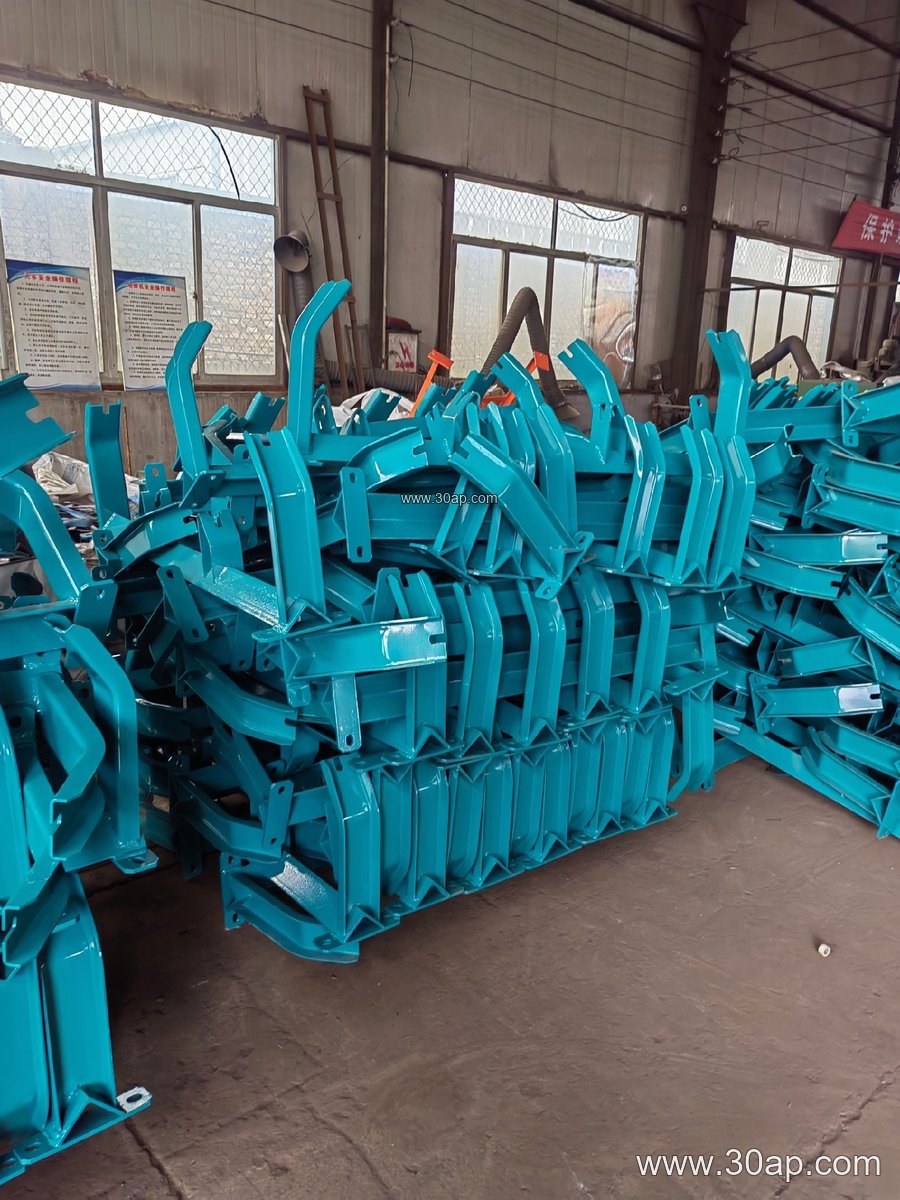
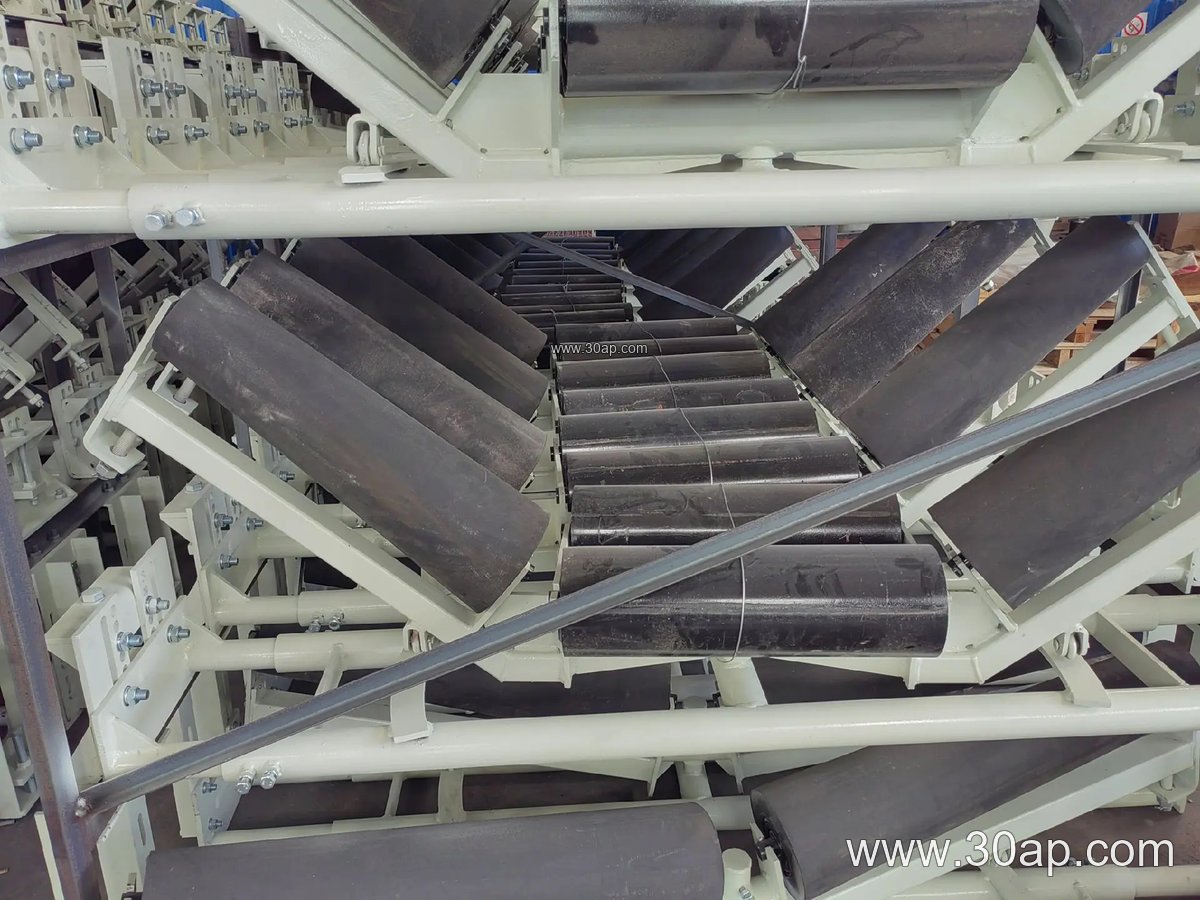
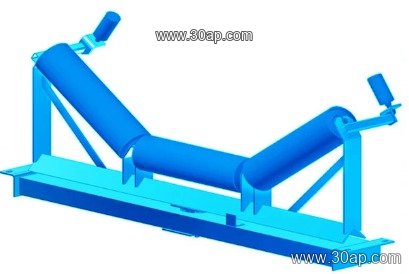
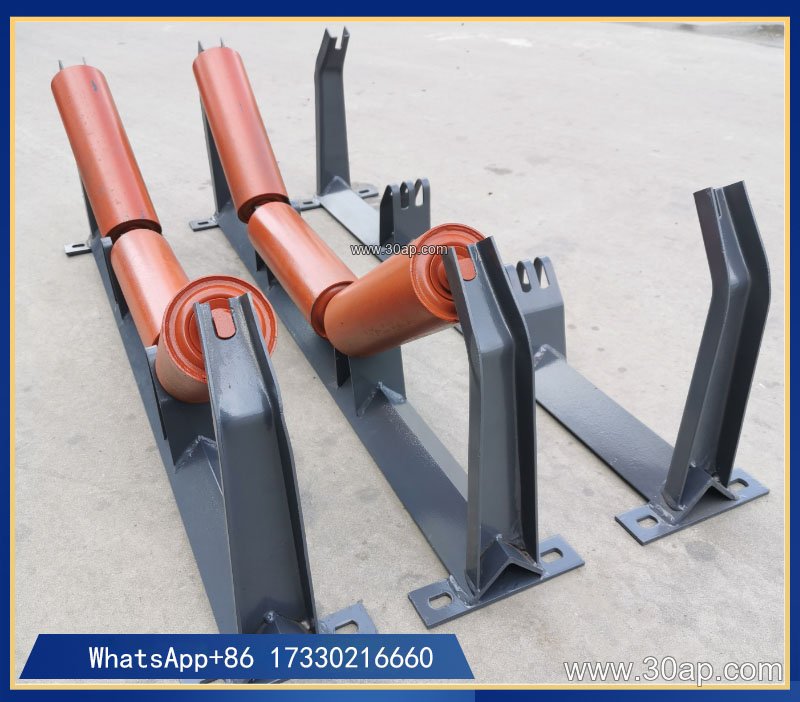
Most guide idler brackets are fabricated from angle steel, channel steel, or bent steel plate to provide rigidity and withstand dynamic loads. The design typically includes adjustable slots or pivoting mechanisms that allow the idler to tilt slightly, correcting belt misalignment. Common configurations include fixed brackets, adjustable brackets, and self-aligning brackets with vertical pivot axes. Surface treatment such as painting or galvanizing is often applied for corrosion resistance, especially in outdoor or wet environments. The bracket must accommodate the specific idler roller diameter and belt width without interfering with the material flow.
Key Parameters and Sizing Considerations
When specifying a guide idler bracket, several parameters must be matched to the conveyor system. The table below outlines typical reference values; actual dimensions are determined by the conveyor design.
| Parameter | Common Options / Reference Range | Notes |
|---|---|---|
| Belt Width (B) | B500, B650, B800, B1000, B1200, B1400, B1600, B1800, B2000, B2200 | Bracket length and hole spacing vary with belt width. |
| Troughing Angle | 20°, 30°, 35°, 45° (adjustable brackets allow on-site adjustment) | Angle affects idler position and belt support. |
| Idler Roller Diameter | Ø89, Ø108, Ø133, Ø159, Ø194 | Bracket height and mounting must match roller diameter. |
| Material | Angle steel, channel steel, bent steel plate | Selected based on load and environment. |
| Mounting Hole Spacing | Determined by design | Not a fixed value; depends on belt width and trough angle. |
For example, a B800 conveyor with a 35° trough angle might use Ø108 idler rollers, while a B1200 system with 45° troughing could employ Ø133 rollers. These combinations are illustrative only; the correct match depends on the overall conveyor engineering.
Where Guide Idler Brackets Are Used
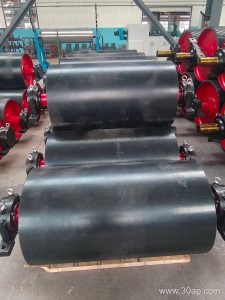
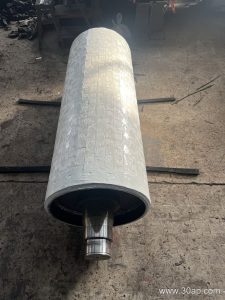
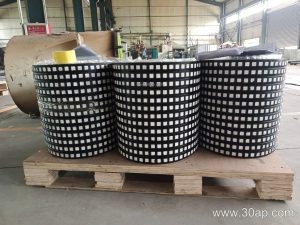
Guide idler brackets are essential in bulk material handling systems where belt training is critical. In coal mining operations, they help keep the conveyor belt centered on the structure, reducing spillage and wear. In cement plants, they are often installed near transfer points and curves to counteract side forces. Aggregate and quarry conveyors benefit from self-aligning guide brackets to handle uneven loading. The bracket works in concert with the conveyor belt, idler roller, and conveyor pulley to ensure smooth operation. For instance, a heavy-duty mining conveyor belt carrying abrasive ore requires robust brackets that can withstand constant vibration and impact.
Selection and Maintenance Tips
Choosing the right guide idler bracket involves more than matching dimensions. Consider the environment: in dusty or corrosive conditions, galvanized or painted brackets are preferred. For high-tonnage operations, reinforced brackets with additional gussets may be necessary. Adjustable brackets offer flexibility during installation and can compensate for minor misalignment. Regular inspection of the bracket for deformation, loose bolts, or corrosion is recommended, especially in washdown areas or outdoor stockpiles. When replacing idlers, always verify that the bracket’s mounting holes align with the new roller’s shaft; do not assume that a bracket for one belt width fits all trough angles or roller diameters.
Compatibility with Conveyor Components
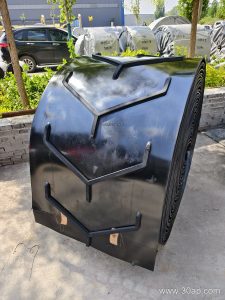
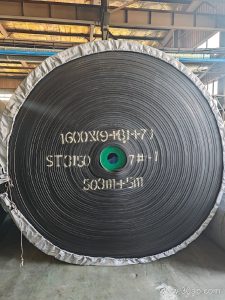
The guide idler bracket must integrate seamlessly with other conveyor components. For example, a fabric core conveyor belt such as EP conveyor belt or NN conveyor belt may require different training forces than a steel cord conveyor belt. In underground mining, flame retardant conveyor belt and anti-static conveyor belt are common, and the bracket should be selected to suit the idler spacing and load. Similarly, a chevron conveyor belt or corrugated sidewall conveyor belt may need special guidance, and the bracket design should not interfere with the belt’s profile. Always consult the conveyor designer to ensure the bracket matches the idler roller and belt specifications.
For more information on conveyor components, visit conveyor bracket and idler roller.