What a Conveyor Support Leg Does
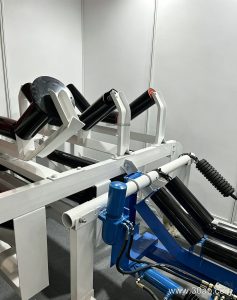
A conveyor support leg is the vertical member that carries the weight of a conveyor frame and transfers it to the floor, foundation, or steel structure below. In a typical troughing section, the leg works together with a cross beam and a conveyor bracket to hold the idler roller at the correct height and angle, so the conveyor belt keeps its shape under load. On a quarry conveyor or a cement plant transfer line, these legs are often the difference between a stable frame and one that slowly settles out of alignment.
The leg is a simple part in principle, but it sits at the center of several interfaces: floor anchors, frame stringers, brackets, and sometimes walkway supports. Getting the leg right means the whole conveyor line stays level and the belt tracks properly.
How the Leg Is Built
Most support legs are fabricated from structural steel rather than cast. Common materials include angle steel, channel steel, and folded steel plate. The choice depends on load and environment. A light aggregate conveyor may use folded plate legs, while a heavy-duty mining conveyor handling iron ore or copper ore usually needs channel or heavy angle sections with gusseted feet.
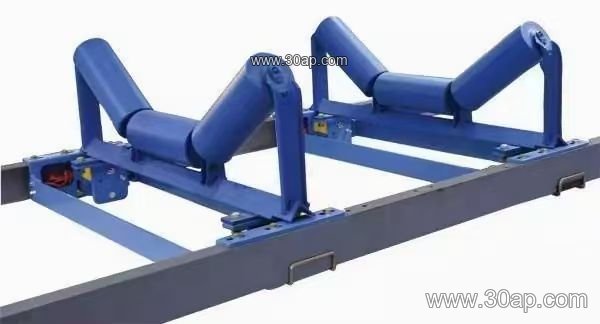
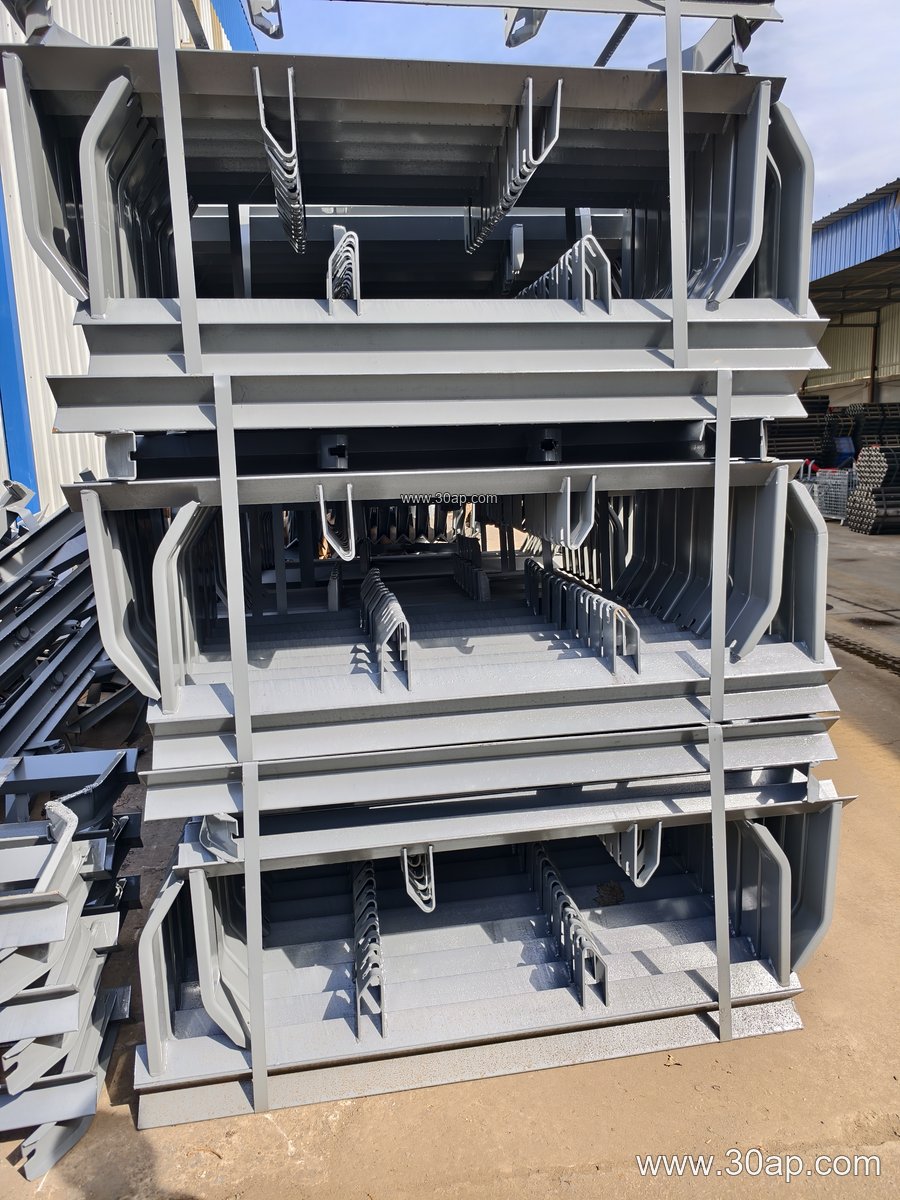
Fabrication details matter as much as the section size. Good legs have a flat base plate drilled for anchor bolts, stiffener plates at the top connection, and a consistent hole pattern so the leg matches the conveyor bracket above it. Paint or galvanizing may be applied for corrosion protection, especially in wash plants and port terminals where moisture is constant.
| Attribute | Common Options |
|---|---|
| Material | Angle steel, channel steel, folded steel plate |
| Belt width served | B500, B650, B800, B1000, B1200, B1400, B1600, B1800, B2000, B2200 |
| Trough angle at leg top | 20, 30, 35, 45 degrees |
| Matching idler diameter | Ø89, Ø108, Ø133, Ø159, Ø194 |
| Mounting | Anchor bolts, welded base, bolted splice |
These values are reference ranges, not fixed combinations. A B1200 frame at 45 degrees may use Ø133 idlers, while a B650 line at 30 degrees typically runs Ø89 idlers, but the final pairing is set by the conveyor designer.
Where Support Legs Are Used
Support legs appear wherever a conveyor needs elevation above the ground or above a walkway. In a limestone mine, legs lift the discharge section so a crusher conveyor can feed the primary unit. In a coal washing plant, legs support the frame over sumps and pipe runs. Power plant coal handling systems use them along long galleries, and steel plant sinter lines use them in dusty, hot areas where the leg must stay straight despite thermal movement.
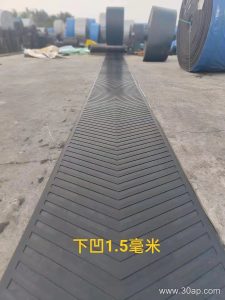
The leg also plays a role in belt support beyond simple elevation. A well-set leg keeps the idler roller square to the belt centerline, which reduces edge wear on an abrasion resistant conveyor belt and helps a chevron conveyor belt or corrugated sidewall conveyor belt run without rubbing. On a pipe conveyor belt line, leg alignment is even more critical because the belt must form a stable tube.
Fixed, Adjustable, and Special Legs
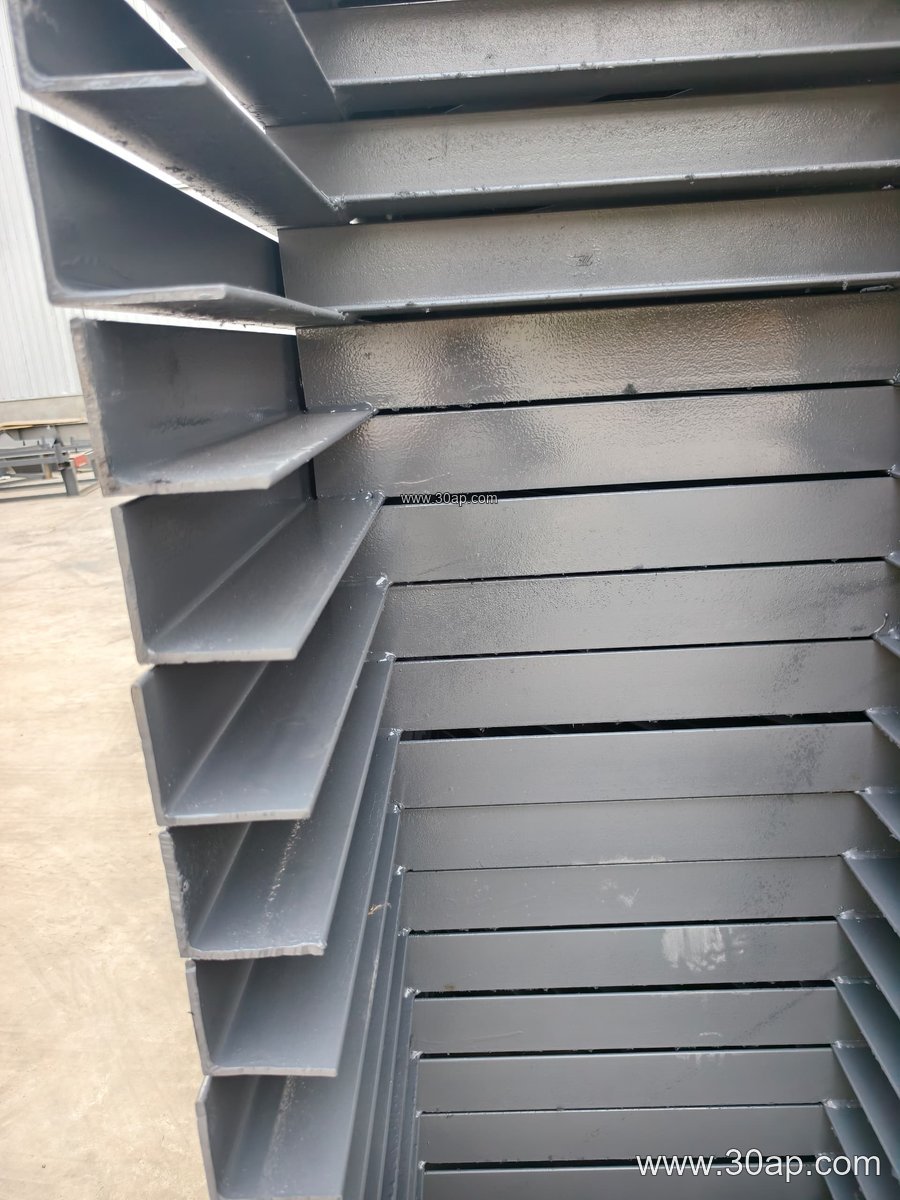
Most legs are fixed height, cut and drilled for a specific frame elevation. Adjustable legs use slotted holes or telescoping sections so site crews can fine-tune height after the foundation is poured. This is useful in tunnel spoil lines and crusher discharge points where floor levels are not exact.
Legs are not the same as the idler bracket they carry. A troughing bracket sets the roll angle, while the leg sets elevation and load path. Likewise, a leg is not a substitute for a bend pulley support or a drive station frame; those assemblies carry different forces and need their own structural design. When comparing options, keep the leg, the bracket, and the pulley support as separate items.
Buyer Checklist
- Confirm belt width and trough angle so the leg top matches the bracket.
- State the idler diameter, since leg height and hole spacing follow the roller size.
- Give the required floor-to-frame height and whether adjustment is needed.
- Specify material and finish for the site: dusty quarry, wet wash plant, or coastal port.
- Ask for the anchor bolt pattern and base plate dimensions.
- Check that legs are compatible with the conveyor belt type in use, from EP conveyor belt to steel cord conveyor belt.
For operators running heavy tonnage, a heavy-duty conveyor belt deserves a leg designed for vibration and impact, not a light frame leg reused from a small line. Matching the leg to the real load keeps the conveyor belt, idler roller, and conveyor pulley working as a system rather than as separate parts.