What a Coal Conveyor Idler Does
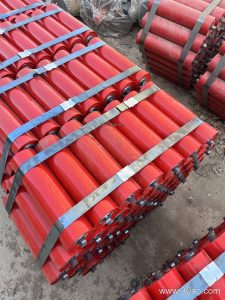
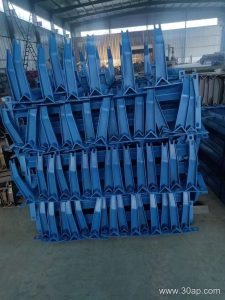
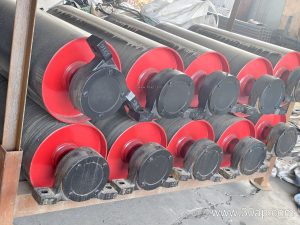
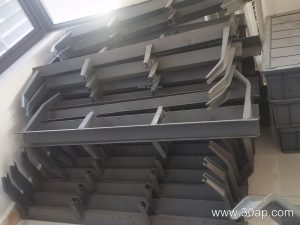
A coal conveyor idler is the rotating component that supports the conveyor belt along its carrying and return runs. In a coal mining conveyor belt system, these idlers keep the belt aligned, reduce friction, and help maintain a stable trough shape so that coal stays on the belt. The idler roller is usually mounted on a conveyor bracket or frame, and together with the conveyor pulley at the drive and tail ends, it forms the complete belt path. While the pulley provides motion, the idlers carry the load and guide the belt.
In coal handling, idlers must cope with abrasive dust, fine particles, and occasional impact from lump coal. A well-matched idler set contributes to longer belt life and lower energy consumption. The choice of idler type, roll diameter, and bearing arrangement depends on the belt width, belt speed, load, and operating environment.
Construction and Common Types
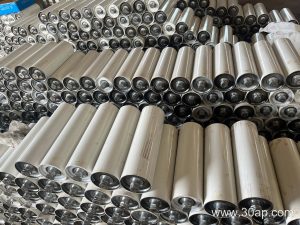
A typical idler roller consists of a steel tube shell, bearing housings, seals, and a shaft. The shell may be plain steel, nylon-coated, or covered with rubber rings for impact absorption. Bearing sizes such as 6204, 6205, 6305, 6306, 6308, and 6310 are common, but the bearing is selected based on load and speed, not solely on roll diameter. Seals are critical in coal plants and wash plants where dust and moisture are present.
For coal conveyors, several idler types are frequently used:
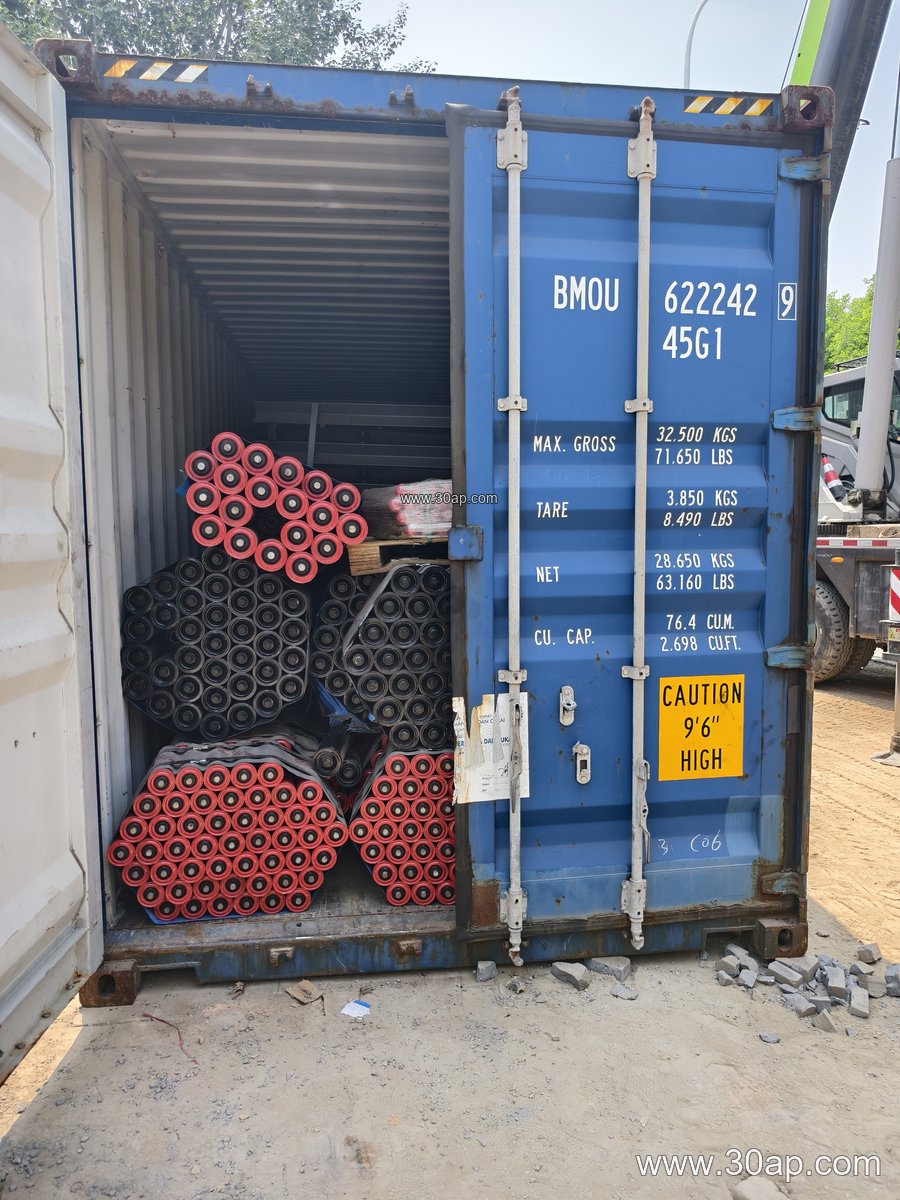
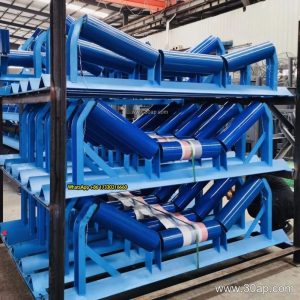
- Troughing idlers (two- or three-roll) support the loaded belt and form a trough. Common trough angles are 20°, 30°, 35°, and 45°.
- Impact idlers with rubber rings are placed at loading points to cushion the belt from falling coal.
- Return idlers (flat or V-shaped) support the empty belt.
- Self-aligning idlers help correct belt misalignment, often with a slight forward tilt of about 1.5° to 2°.
- Spiral or comb idlers can reduce material buildup on the return side in sticky conditions.
Roll diameters commonly range from Ø63 mm to Ø219 mm, with Ø89, Ø108, Ø127, Ø133, and Ø159 being frequent choices for coal handling. Belt widths from B500 to B2400 are standard in bulk terminals and mines. For example, a three-roll troughing set on B800 may use a roll length around 315 mm, while B1200 may use about 465 mm; these are typical references, not fixed rules, and side rolls can differ from the center roll.
Where Coal Conveyor Idlers Are Used
These idlers appear in coal mines, wash plants, power plant coal yards, and port coal terminals. In a coal mining conveyor belt line, troughing idlers carry the raw coal from the crusher to the stockpile or silo. Impact idlers sit under the transfer chute, where coal drops onto the belt. Return idlers support the belt on its way back. In power plants, idlers handle coal with moderate dust and require good sealing to avoid bearing failure. In wash plants, moisture and fines demand attention to corrosion resistance and drainage.
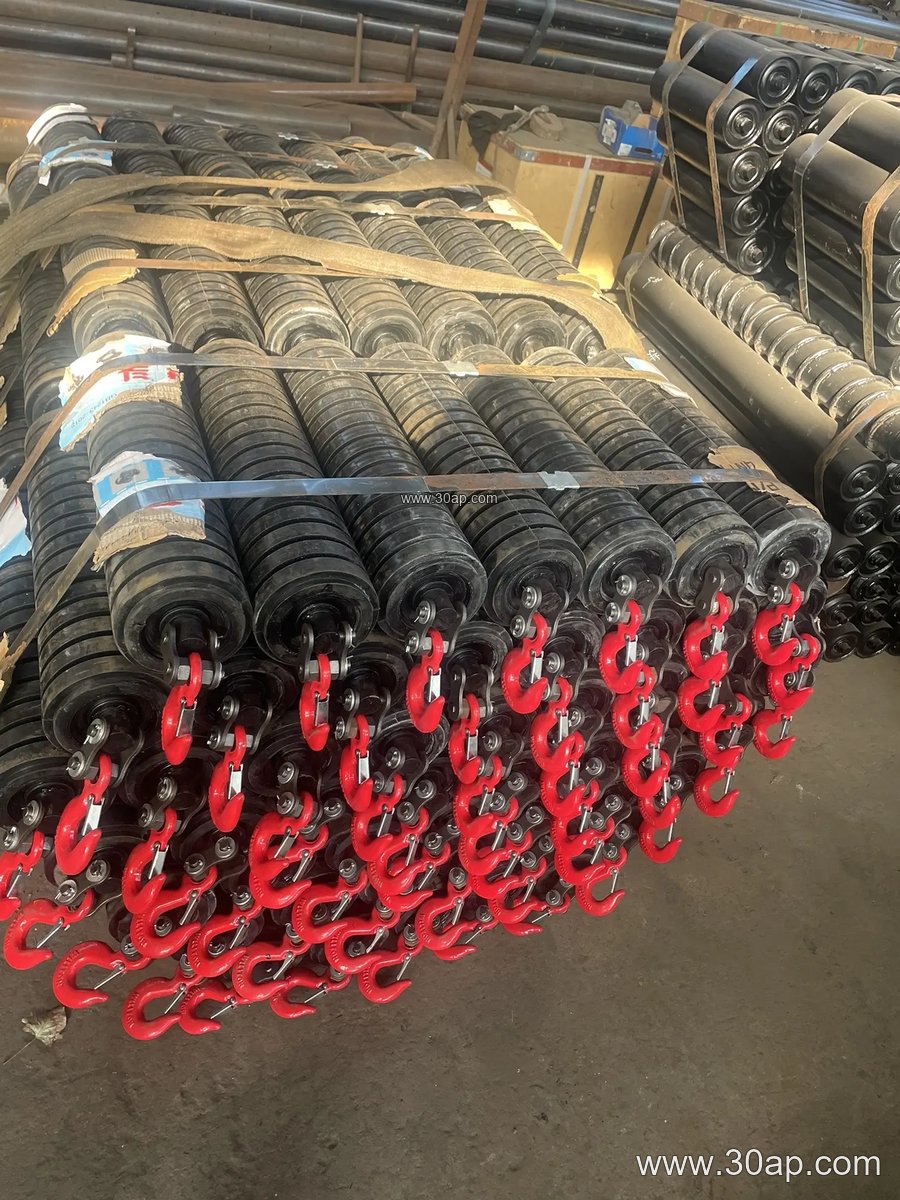
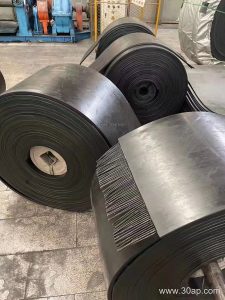
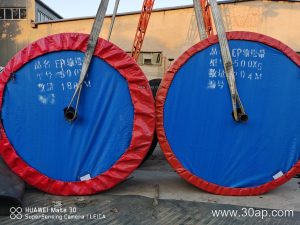
Other industries such as cement plants, steel plants, and aggregate quarries also use similar idler arrangements, but the coal environment often calls for flame retardant conveyor belt and anti-static properties in the belt itself. The idler selection, however, focuses on load, speed, and dust protection. A heavy-duty mining conveyor belt may be paired with larger diameter idlers to reduce rotation speed and bearing stress.
Buyer Checklist for Coal Conveyor Idlers
When specifying idlers for a coal conveyor, consider the following:
- Belt width and trough angle determine the idler roll length and frame geometry. Do not assume one belt width matches only one pulley diameter or idler size.
- Load and belt speed influence roll diameter and bearing choice. Higher loads may favor Ø127 or Ø159 rolls with 6305 or 6306 bearings.
- Environment matters: dust, moisture, and temperature affect seal type and shell coating. Rubber disc impact idlers are useful at transfer points.
- Maintenance access should be checked. Idlers that can be replaced without removing the belt or frame save downtime.
- Compatibility with the conveyor bracket and pulley alignment ensures smooth operation.
Routine inspection of idler rotation, seal condition, and belt tracking helps prevent belt damage. Worn idlers can cause belt edge wear, mistracking, and increased power draw. Keeping spare idlers and brackets on hand is common practice in coal handling operations.
For more information on conveyor components and belt selection, visit www.example.com/coal-conveyor-idler and www.example.com/conveyor-idler-roller.