What a Heavy-Duty Steel Conveyor Bracket Does on a Belt Line
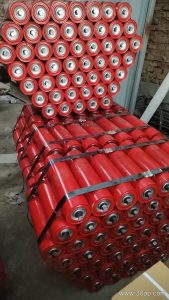
A Heavy-Duty Steel Conveyor Bracket is the structural support that holds idler rollers at the correct position and angle beneath a conveyor belt. In a quarry, a coal washing plant, or a power station coal yard, this bracket carries the weight of the belt, the material, and the roller itself, day after day. It is a simple-looking part, but its geometry and steel grade decide whether a belt tracks cleanly or wanders, and whether rollers last or fail early.
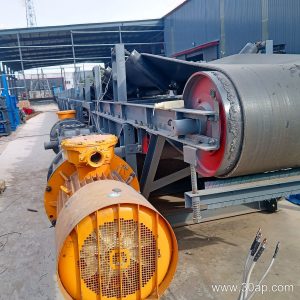
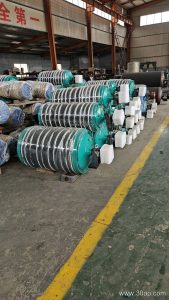
The bracket is not a roller and not a pulley. It is the frame that a troughing idler or return roller sits in. A drive pulley, a tail pulley, and a bend pulley each do a different job at the ends and corners of the system, and none of them can be swapped for a bracket. Keeping that distinction clear helps buyers order the right part the first time.
How the Bracket Is Built
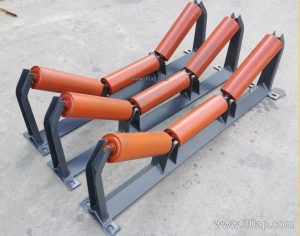
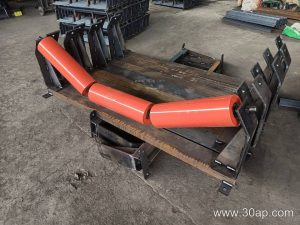
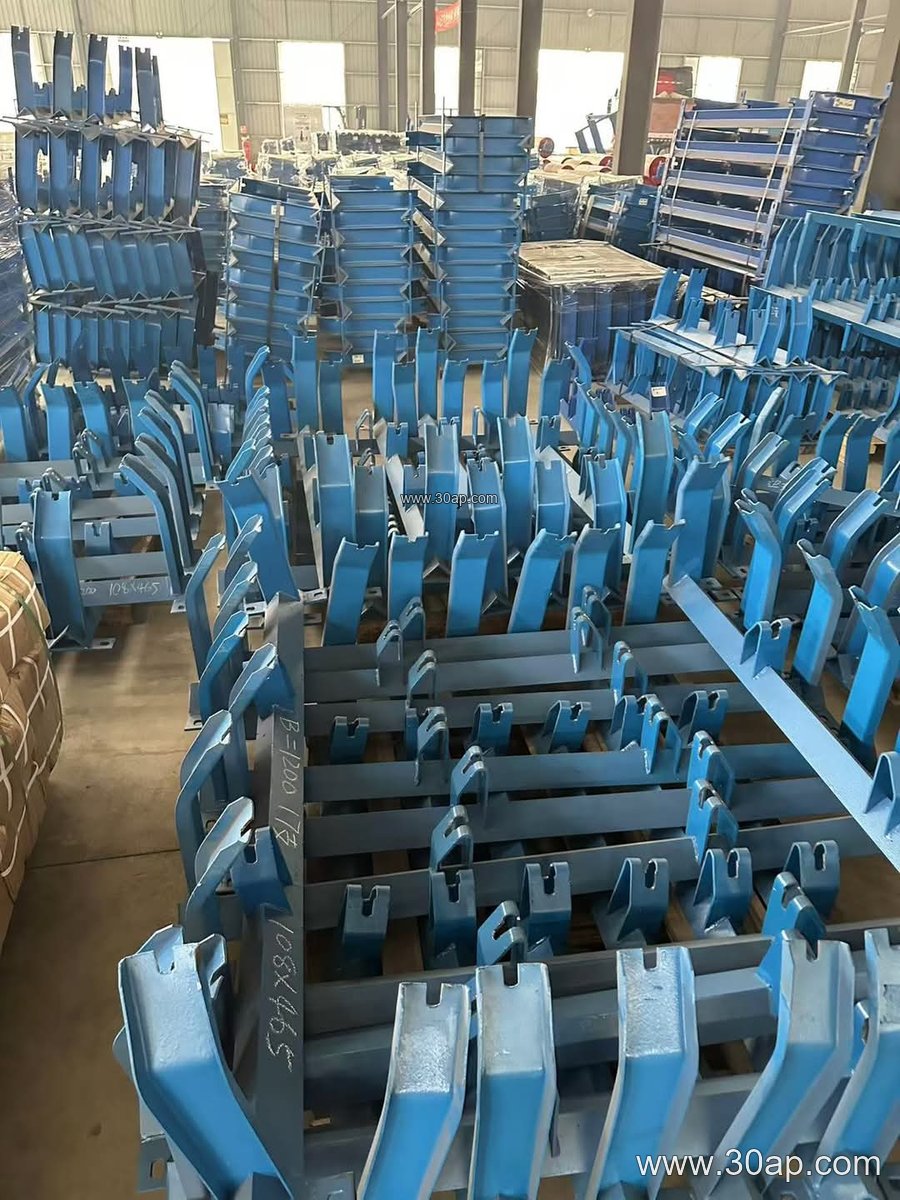
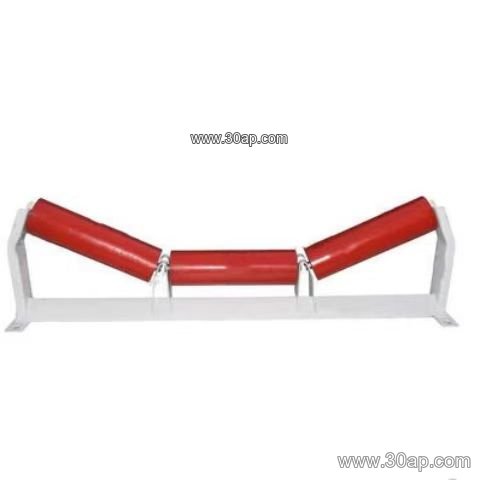
Most heavy-duty steel conveyor brackets are fabricated from angle steel, channel steel, or folded steel plate. The material is cut, punched, and welded into a rigid frame with mounting slots for the roller shaft. A common troughing bracket is made in three sections so the side rollers can sit at a set trough angle, while a return bracket is usually a simpler flat or V-shaped frame.
Because these parts work under constant load and vibration, weld quality and hole alignment matter as much as steel thickness. A bracket that is slightly out of square will push the roller out of line, and the belt will run off center. On a long overland line carrying iron ore or aggregate, that small error becomes a daily maintenance problem.
Common bracket forms
- Troughing and upper trough brackets for the carrying side
- Transition brackets near pulleys, where the belt changes shape
- Return and V-return brackets for the empty side
- Impact brackets under loading points
- Self-aligning and forward-leaning brackets for belt training
- Suspended and adjustable brackets for easy height and angle setting
Matching Bracket, Belt, and Roller
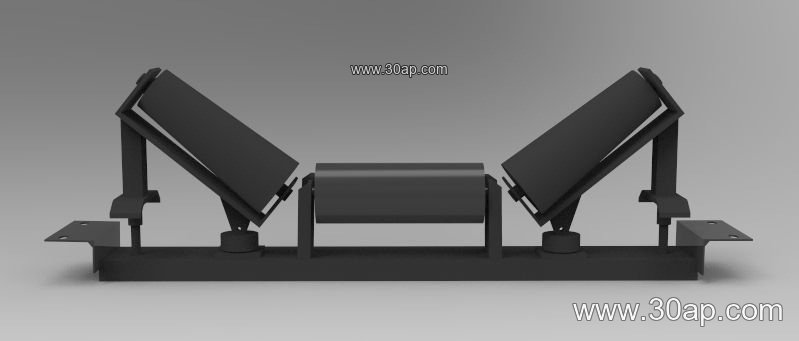
Belt width, trough angle, and roller diameter are chosen together, and the bracket must suit all three. A B800 line running at 35 degrees with Ø108 rollers needs a different frame from a B1200 line at 45 degrees with Ø133 rollers. Wider belts such as B1400, B1600, or B1800 usually call for heavier frames and longer cross beams, but there is no rule that fixes one trough angle or one roller size to a given belt width. Installation hole spacing and beam length are set by the conveyor design, not by a single standard number.
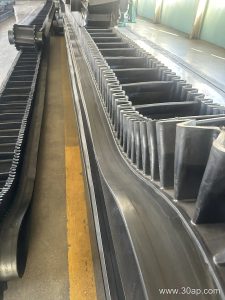
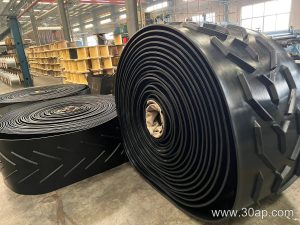
The belt itself also shapes the choice. A heavy-duty mining conveyor belt or a steel cord conveyor belt used on a long trunk line transfers load differently from a lighter EP conveyor belt on a short transfer. Where a rubber conveyor belt carries hot clinker or sinter, the bracket and roller arrangement should allow for expansion and easy roller change. At a transfer point, an impact resistant conveyor belt combined with cushion brackets reduces shock on the frame.
Reference values often seen in designs
| Parameter | Typical range |
|---|---|
| Belt width | B500 to B2200 |
| Trough angle | 20, 30, 35, 45 degrees |
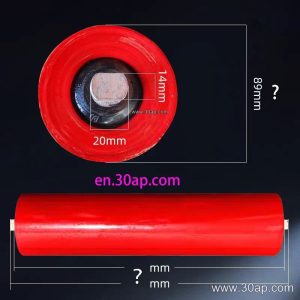
| Roller diameter | Ø89, Ø108, Ø133, Ø159, Ø194 |
| Forward lean | about 1.5 to 2 degrees |
| Material | angle steel, channel steel, folded plate |
These figures are reference points for discussion, not universal specifications. The final frame size comes from the conveyor designer.
Where These Brackets Earn Their Keep
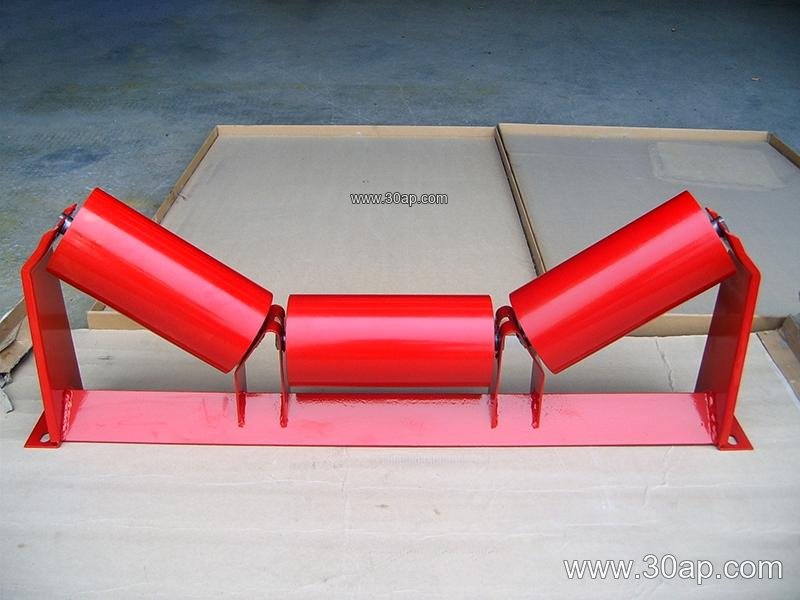
Heavy-duty steel conveyor brackets appear wherever bulk material moves in volume. In a limestone quarry or a stone crushing line, they support the belt under sharp, abrasive rock. In a cement plant, they sit under clinker and raw meal lines. In a coal yard or underground coal mining conveyor, flame retardant conveyor belt and anti-static conveyor belt are common, and the bracket must be robust enough for dusty, damp conditions.
Port terminals handling ore and a steel plant moving sinter also rely on strong frames, because a failed bracket stops the whole line. For more on matching frames with rollers and belts, see www.example.com/conveyor-bracket and the roller selection notes at www.example.com/idler-roller.
What Buyers Should Check Before Ordering
Start with belt width and trough angle, then confirm roller diameter, shaft size, and hole spacing. Ask whether the bracket is fixed or adjustable, since an adjustable type lets maintenance staff fine-tune the trough angle between the common settings. Check the steel section and welding finish, and confirm that the mounting holes line up with the existing conveyor frame.
For a new project, give the supplier the belt width, the roller size, and the load conditions. For a replacement, measure the old bracket or send a drawing. A correctly specified heavy-duty steel conveyor bracket is a low-cost part that protects far more expensive ones, including the belt, the rollers, and the pulleys at each end of the line.