What a PVC Mining Conveyor Belt Is
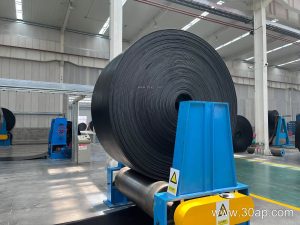
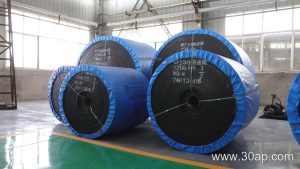
A PVC Mining Conveyor Belt is a solid-woven or fabric-reinforced belt whose cover and carcass are built around polyvinyl chloride rather than rubber. In many mining operations it serves as a lighter, cleaner-running option for transporting coal, ore, sand, aggregate and other bulk materials. The product is often ordered simply as a PVC conveyor belt, and the mining version is specified for tougher duty, better flame resistance and improved resistance to abrasion and moisture.
Because the belt body is thermoplastic, it can be joined by hot pressing or vulcanizing, and it resists water, most inorganic acids and many chemicals better than standard rubber covers. That makes it a common choice in coal preparation plants, cement plants, power plants, sand and gravel yards, and quarry lines where wet or corrosive material is present.
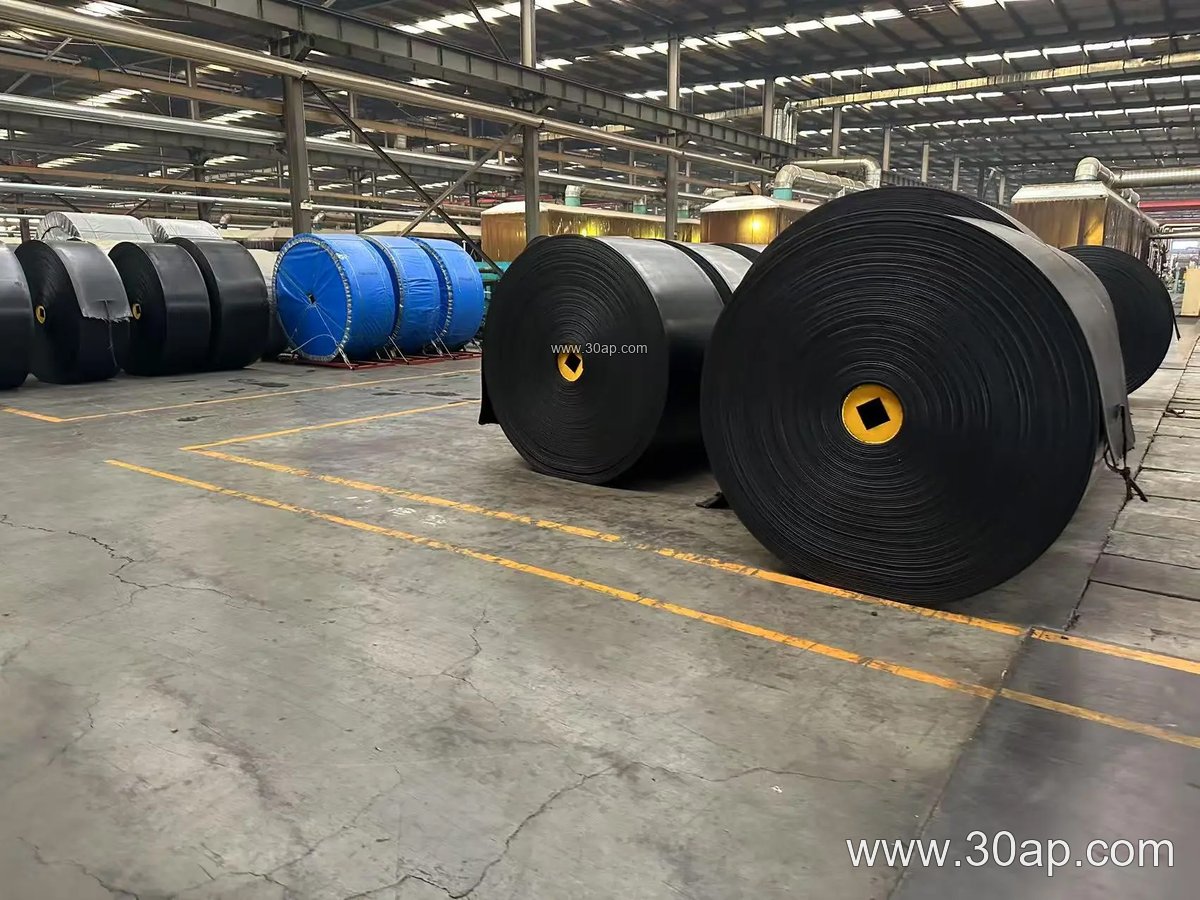
How the Belt Is Built
A typical construction combines a fabric core with PVC impregnation and a PVC cover on both faces. The carcass may be a solid woven fabric or a multi-ply fabric core, and the number of plies is selected according to the duty. Common cover combinations include 3+1.5 mm, 4+2 mm, 5+2 mm and 6+2 mm, while the fabric core usually runs from 2 to 6 plies. These values are typical references only; the final specification is set by the conveyor design and the material being handled.
For underground coal mining, a PVG conveyor belt is often preferred because it combines PVC with a rubber cover for higher friction and better flame resistance. A PVG800S conveyor belt is one example of a grade used in such duties. It is worth noting that PVG and PVC are related but not identical products, and the choice should follow the fire safety and load requirements of the site.
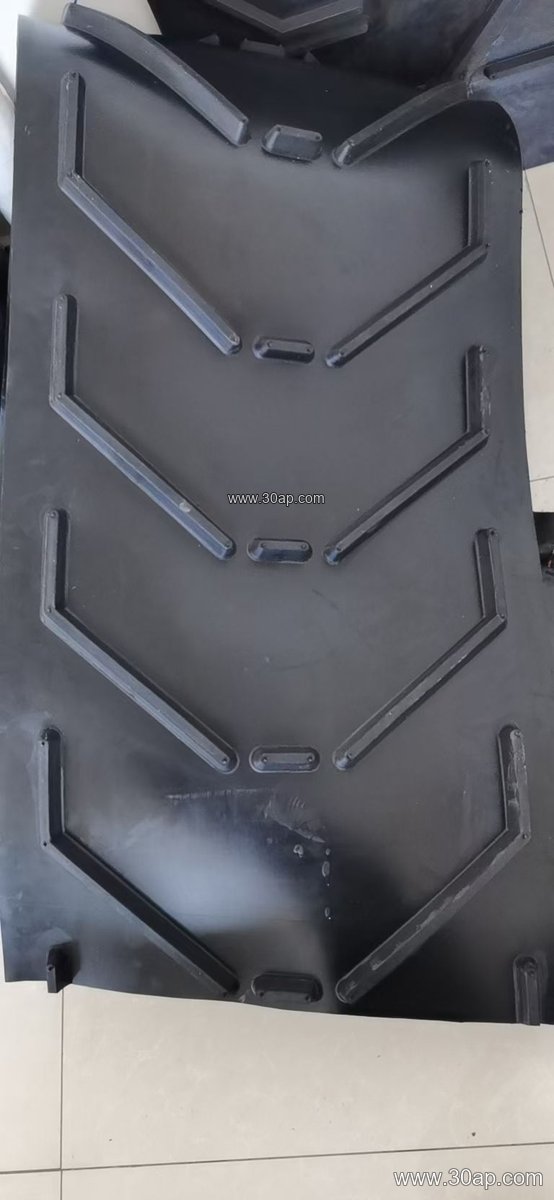
Where It Fits in the Conveyor Line
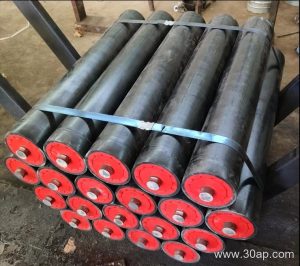
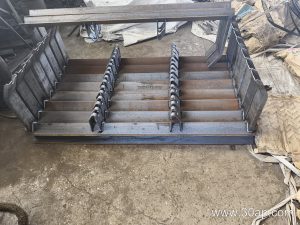
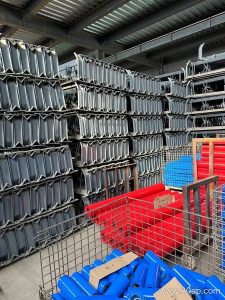
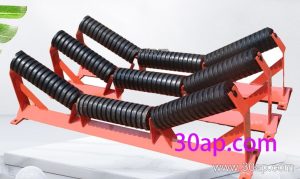
The belt is only one part of the system. It runs over idler rollers that support the load, around a conveyor pulley at the drive and tail ends, and on a conveyor bracket that holds the rollers and frame in alignment. Drive, tail and bend pulleys are separate components with different functions and are not interchangeable. A well-matched system keeps the PVC Mining Conveyor Belt tracking straight and extends its service life.
Typical applications include:
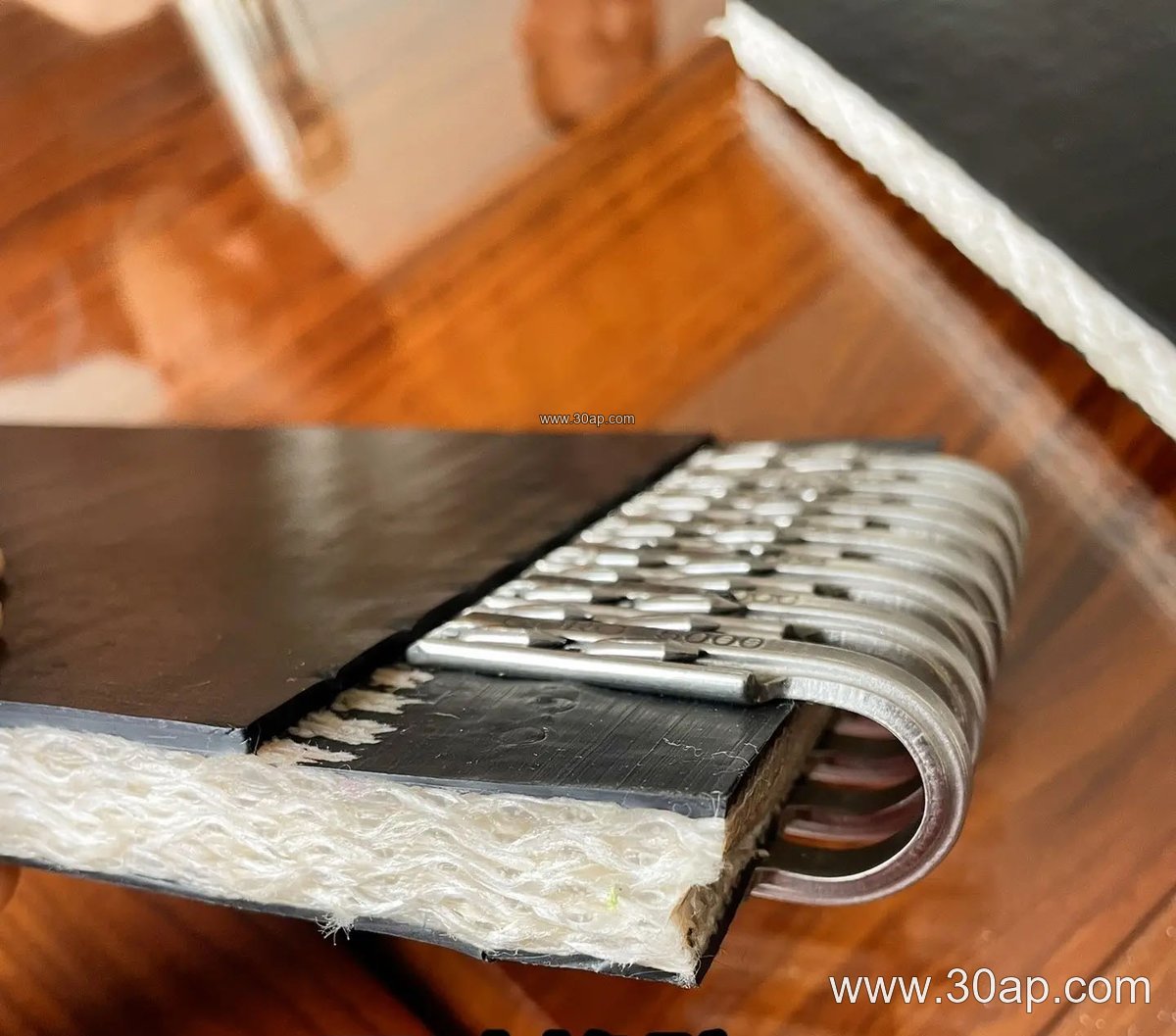
- Coal handling and preparation plants, including underground coal mining conveyor systems
- Cement plants and clinker transport lines
- Power plant coal yards and ash handling
- Sand and gravel plants, quarries and aggregate yards
- Ore handling in iron ore, copper ore and gold mining operations
For very abrasive rock or long overland runs, a heavier rubber or steel cord belt may be more suitable, but the PVC Mining Conveyor Belt remains a practical choice for moderate loads, wet conditions and fire-sensitive locations.
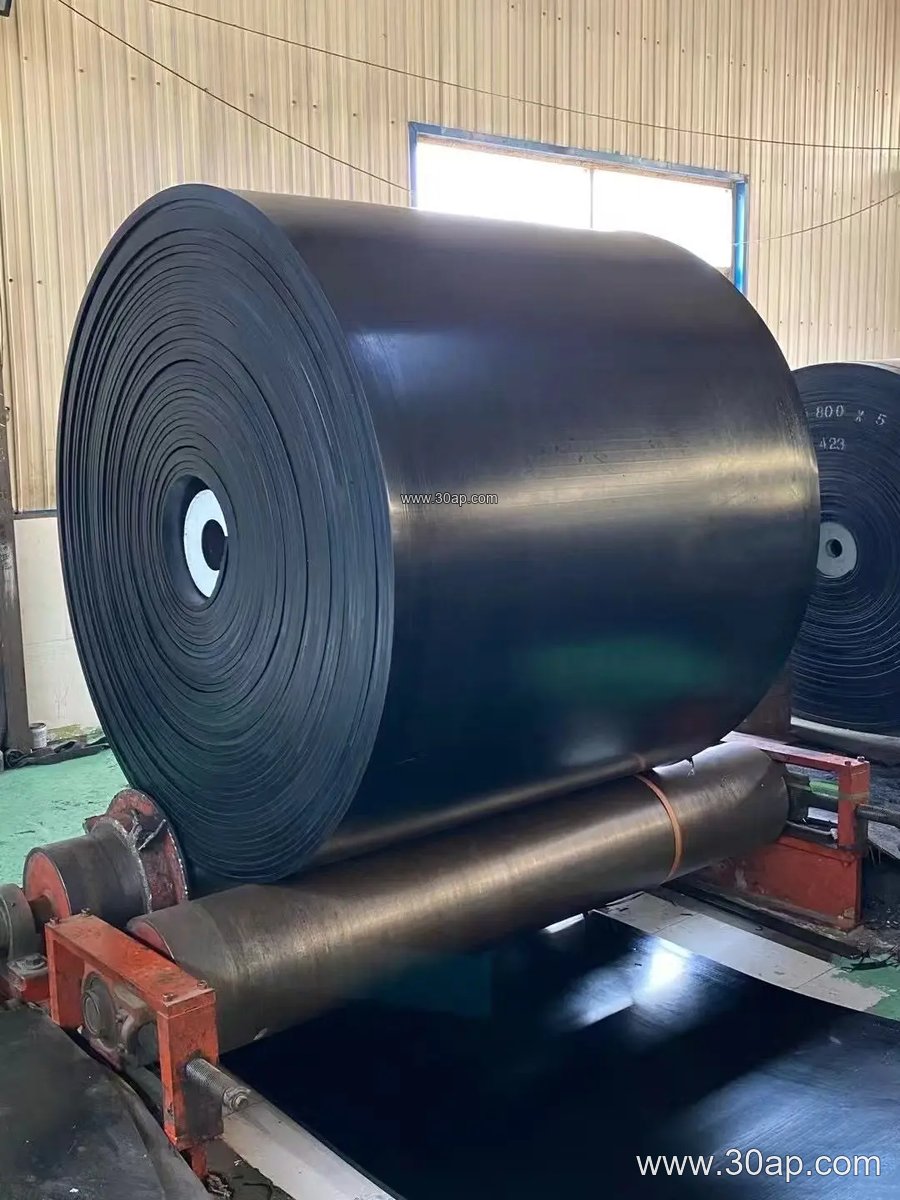
Common Widths and Strength References
Belt width is matched to the tonnage and lump size. Frequently requested widths include 500 mm, 650 mm, 800 mm, 1000 mm, 1200 mm, 1400 mm and 1600 mm, with wider belts such as 1800 mm and 2000 mm used on high-capacity trunk conveyors. A wider belt does not automatically require a specific pulley diameter; the pulley size is determined by the belt tension, carcass and shaft load, not by width alone.
Where higher strength is needed, buyers sometimes compare with EP conveyor belts, NN conveyor belts or a steel cord conveyor belt. The table below gives reference values only.
| Reference Item | Typical Range or Example |
|---|---|
| Belt type | PVC solid woven, PVG, PVC with fabric core |
| Cover thickness | 3+1.5 mm, 4+2 mm, 5+2 mm, 6+2 mm |
| Fabric plies | 2 to 6 plies |
| Belt width | 500 mm to 2000 mm |
| Related grades | PVG800S, EP200, EP400, NN200 |
For comparison, EP and NN belts use polyester or nylon fabric cores and are often chosen for higher tension duty, while a flame retardant conveyor belt or fire resistant conveyor belt specification may be required in coal and power plant service. An anti-static conveyor belt is also common where dust ignition is a concern.
Buyer Checklist
- Confirm the material, lump size and moisture level so the cover grade and thickness are right.
- State the required flame resistance and anti-static properties for underground or coal handling use.
- Provide the conveyor layout, including pulley diameters, incline angle and idler roller spacing.
- Ask for the splice method and check whether hot pressing or mechanical fastening suits the site.
- Keep spare belt sections and check edge wear regularly; a small tear can grow quickly on a loaded line.
When the belt is installed, check that the conveyor pulley and idler roller surfaces are clean and aligned, and that the conveyor bracket is not distorted. Training the belt after splicing and monitoring the load profile will help a PVC Mining Conveyor Belt deliver a long, stable service life in mining, cement, power and aggregate operations.