What the Idler Frame Does on a Conveyor
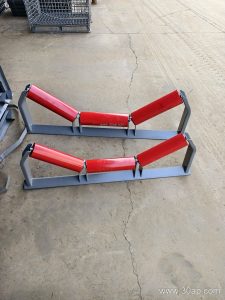
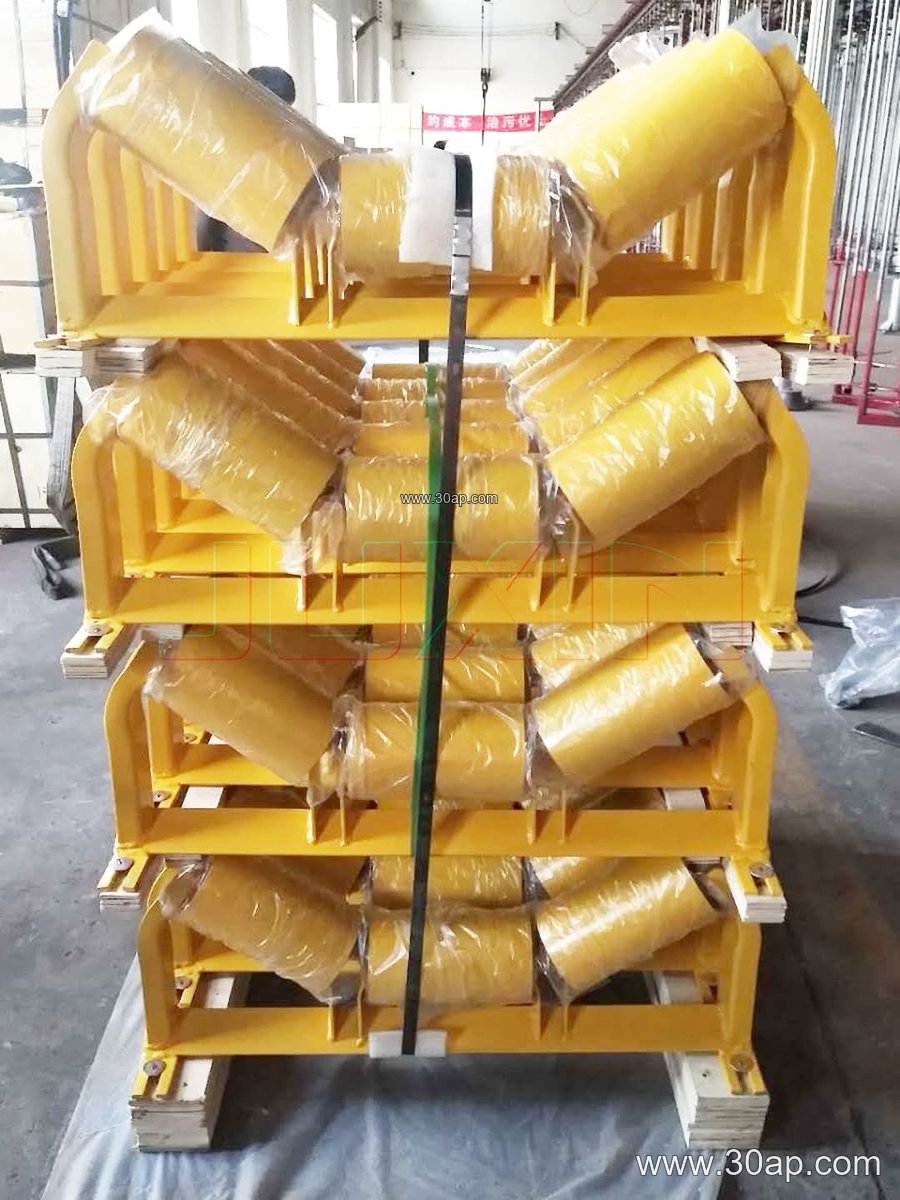
A belt conveyor idler frame is the structural element that holds idler rollers at the correct position, height and angle beneath or above the conveyor belt. In practice it is often called an idler support frame or roller support bracket, and it is the part that turns a loose group of rollers into a stable idler station. The frame carries the load transferred from the belt and the material, keeps the rollers spaced correctly, and fixes the trough angle that shapes the belt into a carrying profile.
Because the frame sits between the conveyor bracket and the roller, its geometry directly affects belt tracking, material spillage and roller life. On a quarry conveyor belt or a cement plant line, a poorly aligned idler frame shows up quickly as edge wear and wandering belts.
How an Idler Frame Is Built
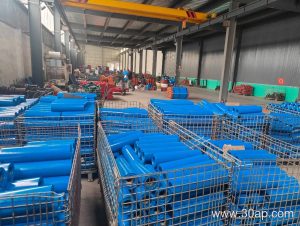
Most frames are fabricated from angle steel, channel steel or folded steel plate, then welded or bolted into a rigid assembly. A typical carrying frame has two inclined arms and a horizontal base to form a three-roller trough; a return frame is usually flatter or V-shaped to support the empty belt.
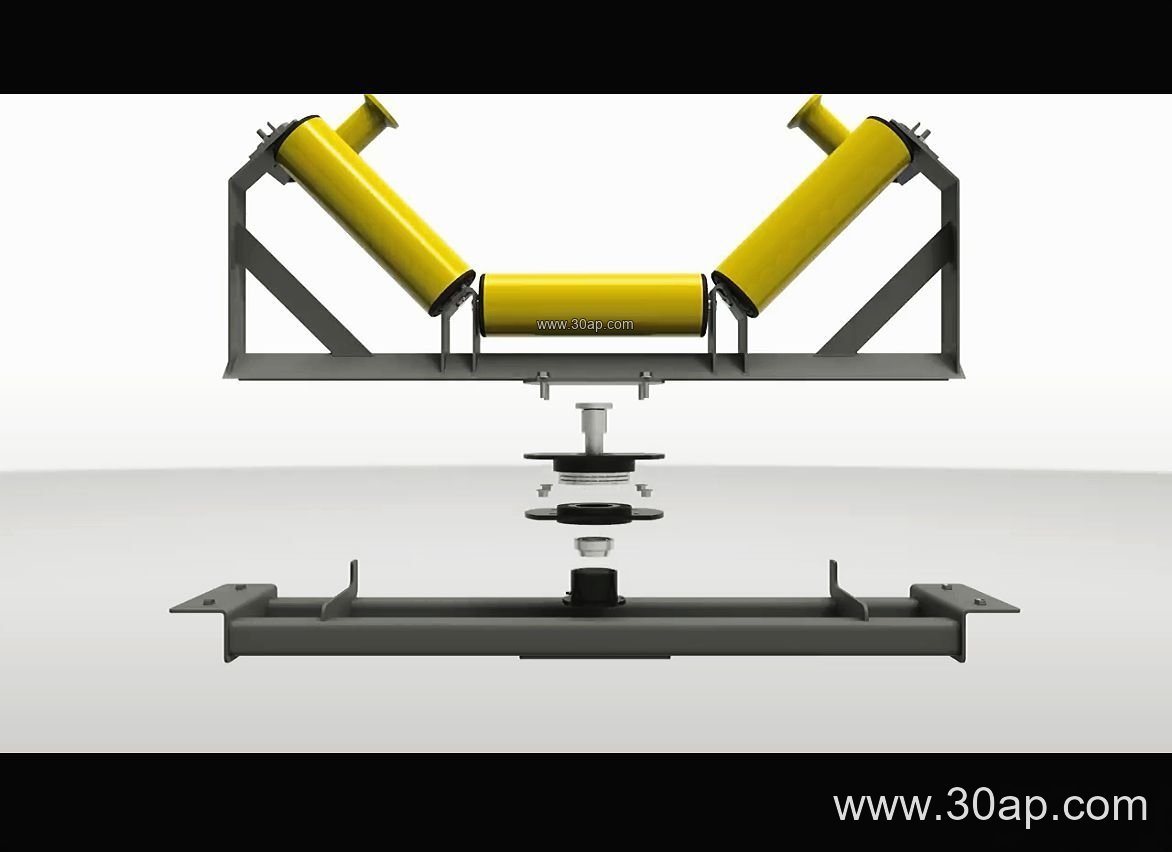
Key construction details include:
- Mounting slots or holes sized to the roller shaft ends
- Crossbeam length matched to belt width and trough angle
- Welded gussets or bent profiles for stiffness under load
- Galvanized or painted finish for dusty, humid sites
Installation hole spacing and beam length are not fixed numbers; they change with belt width, trough angle and roller diameter, and should be confirmed against the conveyor design.
Common Frame Types and Where They Sit
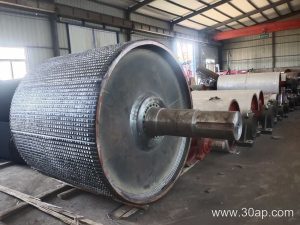
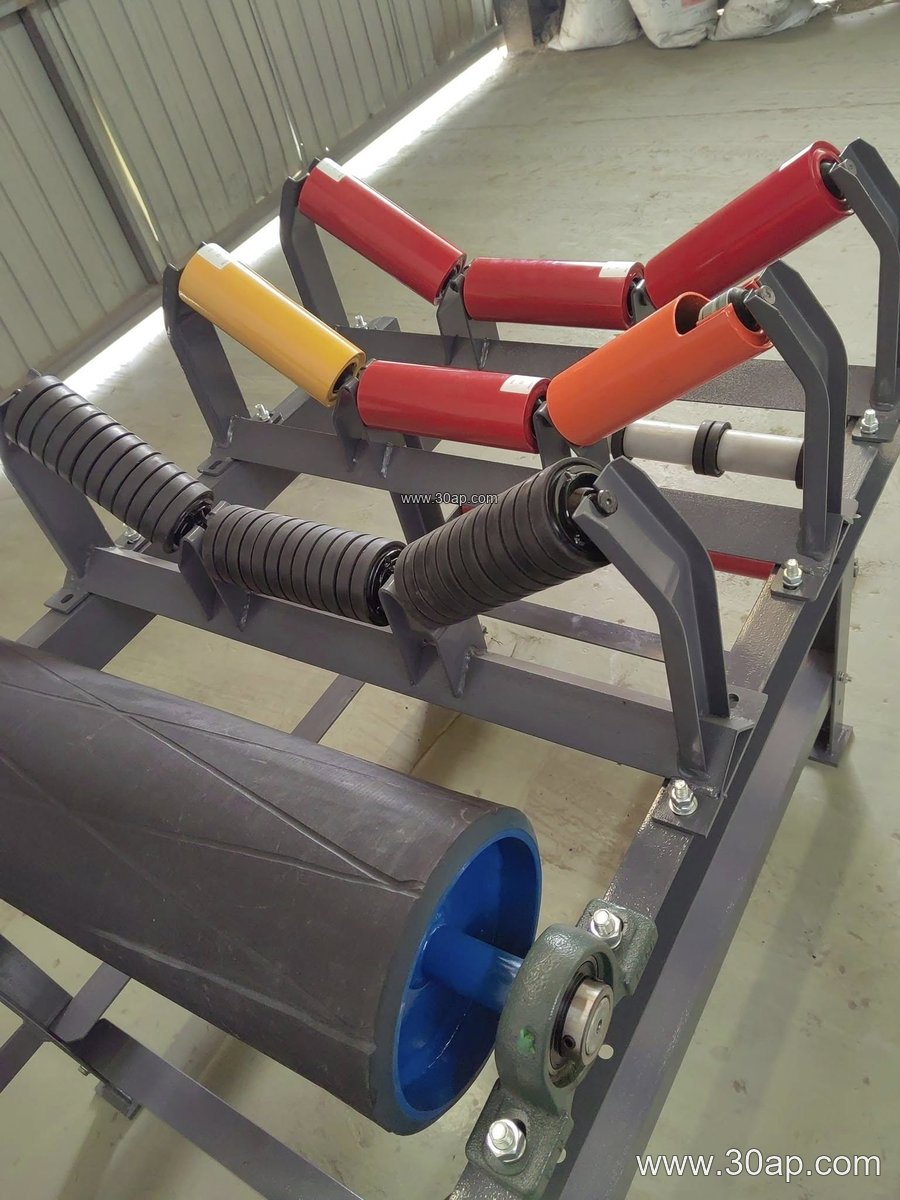
The main families include trough frames, transition frames, return frames, impact frames, self-aligning frames and suspended frames. Each has a distinct role, and none should be confused with drive, tail or bend pulleys, which are separate components of the conveyor pulley group.
| Frame Type | Position | Typical Role |
|---|---|---|
| Trough frame | Carrying side | Supports three rollers at 20 to 45 degrees |
| Transition frame | Near pulleys | Gradually changes belt trough depth |
| Return frame | Return side | Supports the empty belt, often flat or V-shaped |
| Impact frame | Loading point | Holds impact rollers under the chute |
| Self-aligning frame | Long runs | Corrects minor belt misalignment |
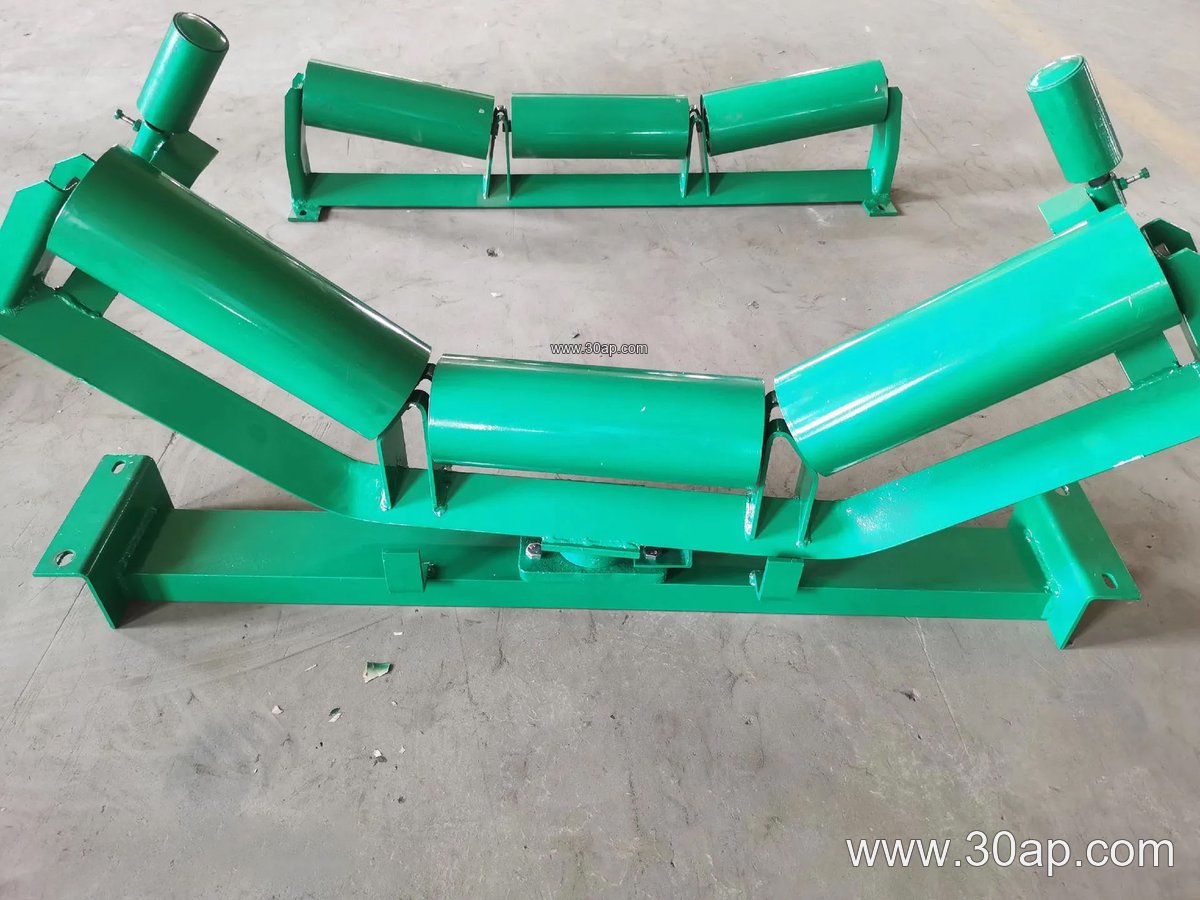
Adjustable frames allow the trough angle to be set between common values such as 20, 30, 35 and 45 degrees, which helps when a conveyor handles different materials or needs fine tracking adjustment.
Matching Frame, Roller and Belt Width
Selection starts with belt width and roller diameter. Reference combinations such as B800 with 35 degrees and Ø108, or B1200 with 45 degrees and Ø133, are useful starting points, but they are not mandatory pairings. A B650 frame may use Ø89 rollers at 30 degrees, while a B1600 or B2000 conveyor usually needs heavier sections and larger rollers.
| Belt Width | Common Trough Angle | Typical Roller Diameter |
|---|---|---|
| B500 / B650 | 20 to 30 degrees | Ø89 |
| B800 / B1000 | 30 to 35 degrees | Ø108 / Ø133 |
| B1200 / B1400 | 35 to 45 degrees | Ø133 / Ø159 |
| B1600 to B2200 | 35 to 45 degrees | Ø159 / Ø194 |
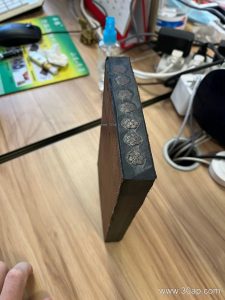
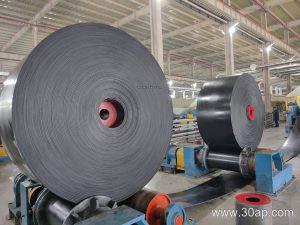
The belt itself matters too. A heavy-duty mining conveyor belt or steel cord conveyor belt carrying iron ore needs a stiffer frame than a light fabric core conveyor belt on a packing line. Heat resistant conveyor belt and flame retardant conveyor belt applications in power plant coal handling also call for frames that tolerate dust and temperature without losing alignment.
Buyer Checklist
- Confirm belt width, trough angle and roller diameter as a set, not separately.
- Ask for the mounting hole pattern and crossbeam length drawing.
- Check material thickness and finish for the site environment.
- Decide between fixed and adjustable frames based on how often settings change.
- Verify compatibility with the existing conveyor bracket and roller shafts.
For more on related components, see the conveyor idler frame range and matching conveyor belt options at our site.