What the Parallel Idler Bracket Does on a Conveyor
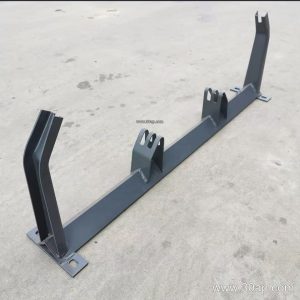
On a belt conveyor, the supporting frame under the belt is often a parallel idler bracket, also called a flat carry bracket or a parallel roller bracket. It holds two or more idler rollers in one horizontal line so the belt runs on a flat surface rather than a troughed one. That flat geometry matters wherever the load is already stable, where the belt must stay open for inspection, or where a transition zone needs a simple, straight support point. In a quarry, a cement plant, or a crushing and screening line, this bracket is usually the quiet workhorse on the return side and on flat carry sections.
The name describes the arrangement clearly: the rollers sit parallel to each other and parallel to the frame, and the bracket keeps them at a fixed spacing. Because the assembly is fixed rather than self-aligning, it is often selected when belt tracking is already controlled by other components nearby.
Construction and Mounting Details
A typical parallel idler bracket is fabricated from angle steel, channel steel, or folded steel plate. The two side plates carry slotted or drilled mounting holes, and the cross member ties them together at the correct gauge for the roller shaft. Installation holes and cross-member length are not universal: they change with belt width, roller diameter, and the frame design, so a buyer should match the bracket to the existing stringer spacing rather than assume a standard.
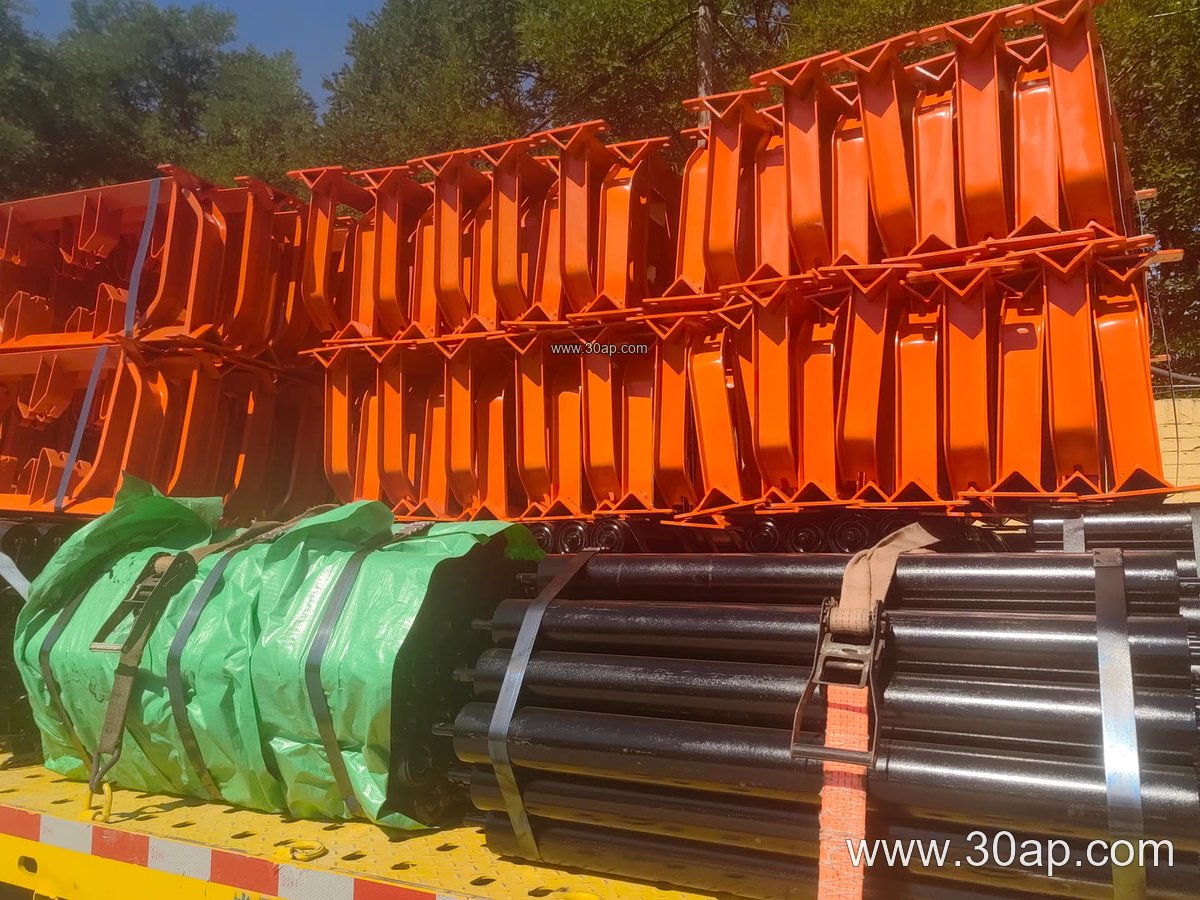
- Frame materials: angle, channel, or bent plate, usually painted or galvanized
- Mounting: bolted to the conveyor stringers, sometimes with shims for height adjustment
- Roller support: fixed seats that accept standard shaft ends
- Position: flat carry sections, transition areas, and return runs
Because the bracket is fixed, the roller spacing and the belt line stay constant. That is an advantage on long, straight runs in a power plant coal yard or a limestone stockpile, where a stable belt line reduces edge wear.
Where a Flat Bracket Fits in the Belt Line
This bracket is common in a few specific places. On the return side, a parallel bracket carries the empty belt and keeps it clear of the structure. At a loading point, it can sit just behind impact rollers so the belt is supported as it leaves the skirted zone. On flat carry sections, it supports bulk material that does not need a trough, such as certain recycled products or wide, stiff belts.
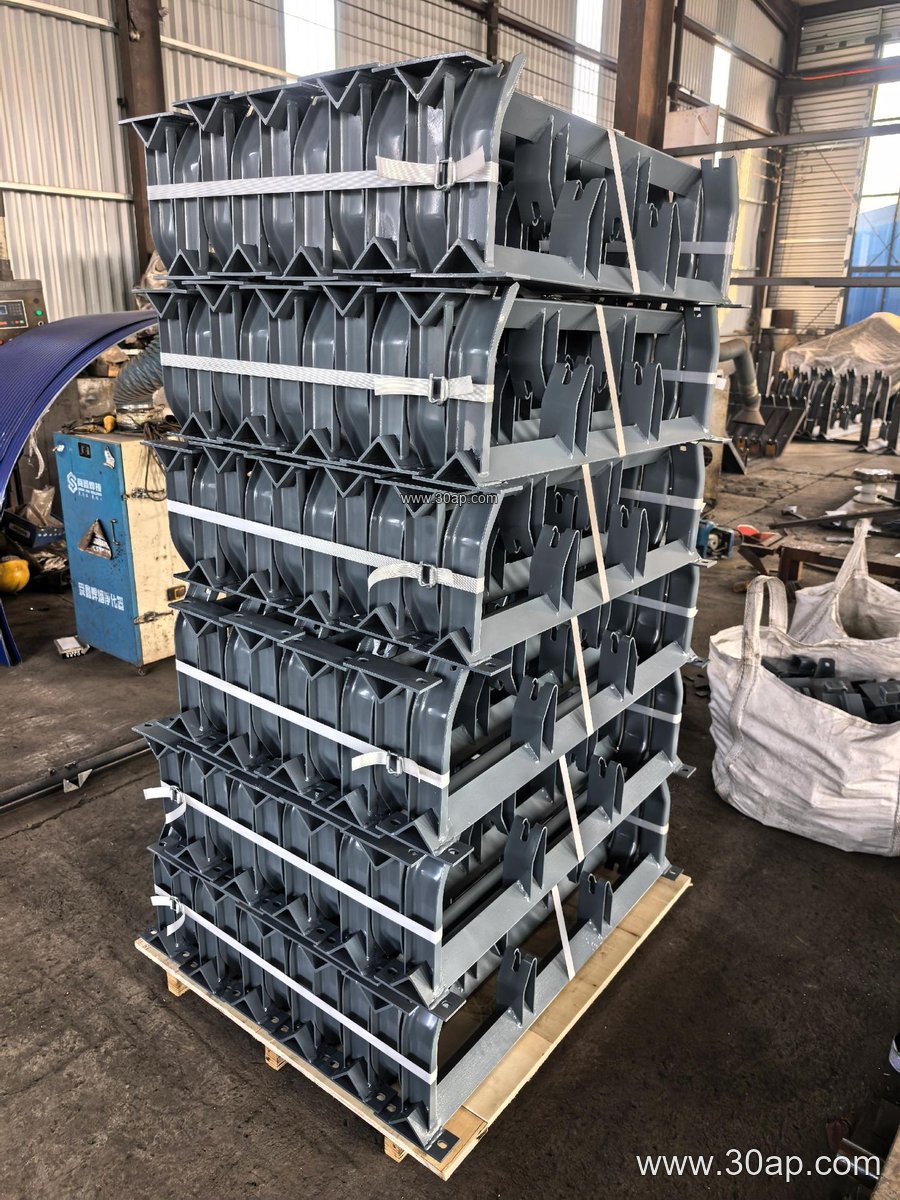
It is worth distinguishing it from a troughing bracket: the troughing type angles the side rollers to cup the load, while the parallel type keeps rollers flat. Likewise, a self-aligning bracket pivots to correct belt drift, whereas the parallel bracket stays fixed. Choosing between them is a matter of belt path and load shape, not a matter of one being better.
Matching Belt Width, Roller Diameter, and Trough Angle
When specifying a parallel idler bracket, the belt width and roller diameter set the frame gauge. Common belt widths in the reference range run from B500 through B2200, and usual roller diameters include Ø89, Ø108, Ø133, Ø159, and Ø194. A B800 belt with Ø108 rollers is a typical mid-size combination, while a B1200 line in a cement plant often uses Ø133 rollers. These are common pairings, not fixed rules, and the final choice should follow the conveyor design.
The bracket itself does not set a trough angle, but it must match the roller seats and the frame height of the adjacent troughing stations. Where the line uses 20, 30, 35, or 45 degree troughing, the flat bracket at a transition should be positioned so the belt changes shape gradually. A short transition with too great a change can stress the belt edges.
Selection Notes for Buyers
Buyers should confirm four things before ordering: the belt width and the roller diameter, the mounting hole spacing on the existing stringers, the frame height needed to keep the belt line level, and the material and finish suited to the site. In a coal handling plant, a flame retardant conveyor belt may run alongside the bracket, and the bracket finish should resist the same damp environment. In an iron ore or copper ore operation, dust and abrasion are the main concerns, so a sturdy channel frame is often preferred.
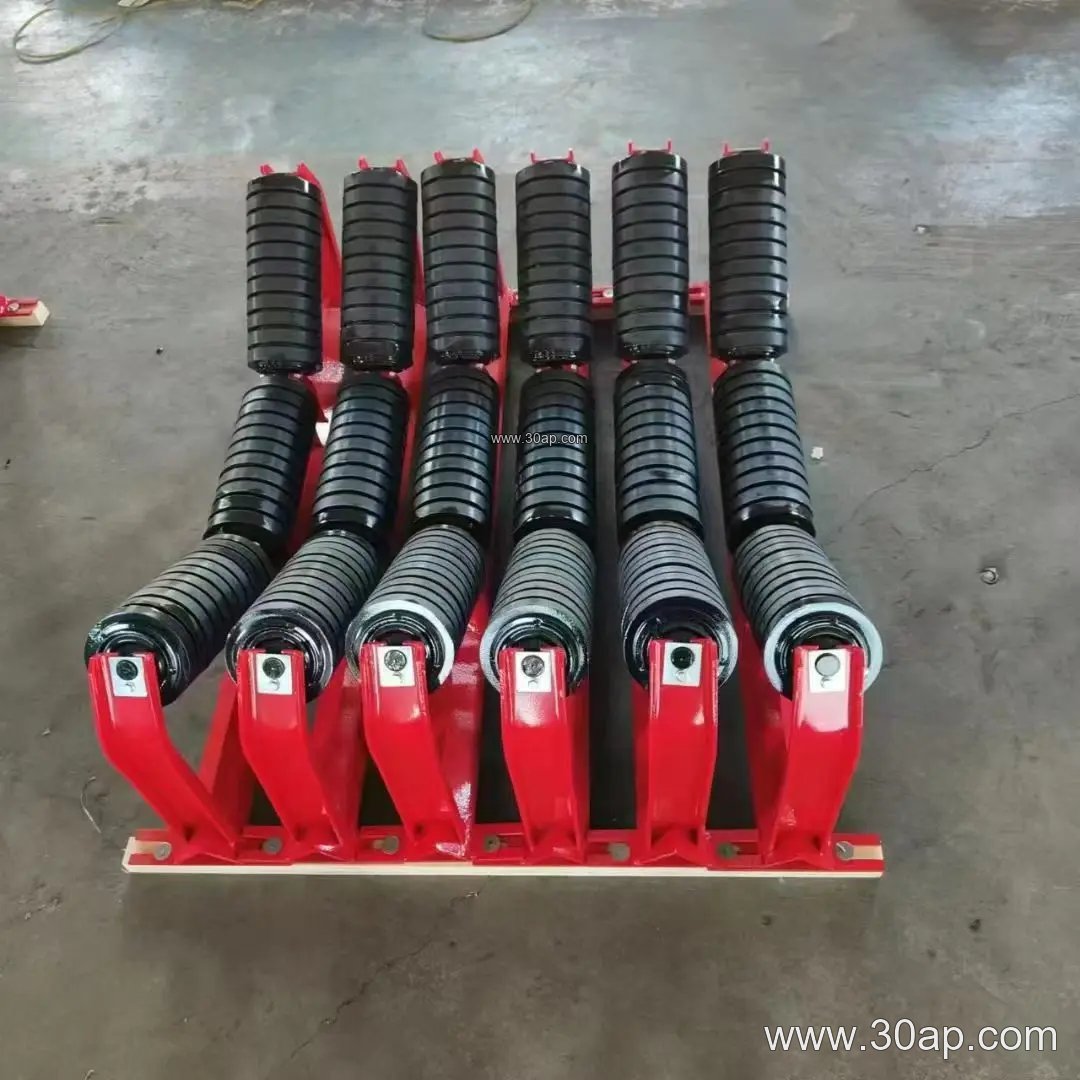
Maintenance is simple: check that the mounting bolts stay tight, that the roller seats are not worn, and that the bracket has not bent under load. A bent parallel bracket can lift the belt line and cause tracking problems that look like roller faults. Replacing a distorted bracket early is cheaper than correcting the belt damage it causes.
For a quick reference, the table below shows common bracket and roller pairings by belt width. Treat the values as typical design references, not universal specifications.
| Belt Width | Common Roller Diameter | Typical Bracket Use |
|---|---|---|
| B500 | Ø89 | Light flat carry, small plants |
| B650 | Ø89 / Ø108 | Return side, short conveyors |
| B800 | Ø108 | General carry and transition |
| B1000 | Ø108 / Ø133 | Quarry and aggregate lines |
| B1200 | Ø133 | Cement and power plant belts |
| B1400 | Ø133 / Ø159 | Heavy bulk material runs |
| B1600 | Ø159 | Large mining conveyors |
| B1800 | Ø159 / Ø194 | High-capacity trunk lines |
| B2000 | Ø194 | Wide belt flat sections |
| B2200 | Ø194 | Extra-wide support points |
A parallel idler bracket is a small component, but it sets the belt line at every flat station. Getting the gauge, height, and roller match right keeps the belt running straight and the rollers turning freely on any site, from a stone crushing plant to a port loading system.