What an Anti-Slip Ceramic Lagged Pulley Does
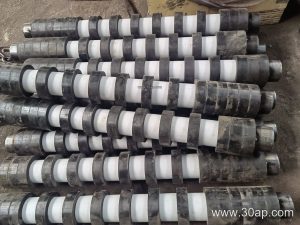
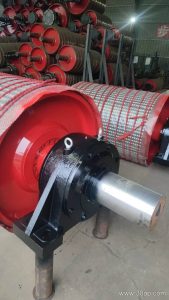
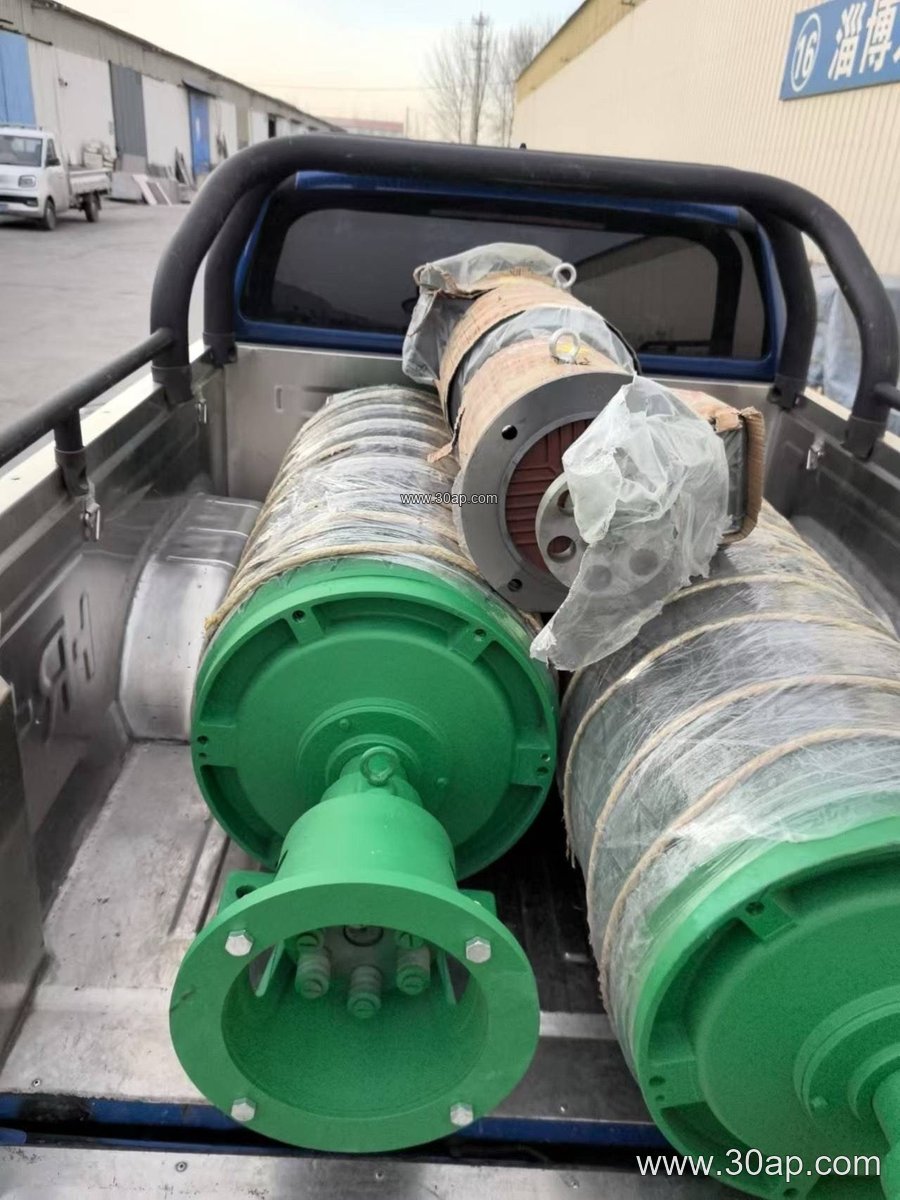
An anti-slip ceramic lagged pulley is a conveyor pulley whose shell is covered with ceramic tiles set in a rubber or polymer backing. The ceramic studs bite into the underside of the belt and raise the friction coefficient between drum and belt, which is exactly what a drive pulley needs when the belt is heavily loaded, wet, muddy, or oily. In a quarry, a coal washing plant, or a power station coal yard, a standard rubber lagging can polish and lose grip over time; the ceramic surface keeps its edge because the hard tiles wear far more slowly than rubber alone.
This is not a substitute for a tail pulley or a bend pulley. Those positions guide and tension the belt, and they normally run with plain or lightly lagged shells. The ceramic lagged pulley belongs at the drive position, where torque has to be transferred without slipping.
How the Ceramic Lagging Is Built
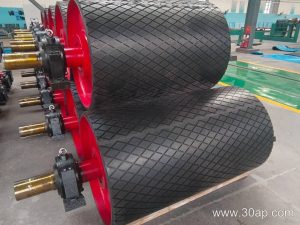
The shell is usually a welded steel cylinder machined to a clean surface, then covered with a lagging layer. Ceramic tiles, often 15 to 20 mm across and set in a staggered pattern, are bonded into the rubber sheet or fixed directly with a cold-bonded or hot-vulcanized system. The tiles protrude slightly so that water and fine slurry are squeezed away from the contact patch instead of being trapped under the belt. Common lagging thicknesses are 8, 10, 12, 15, and 20 mm, chosen with the duty and the belt tension in mind.
- Ceramic tile pattern: square, rectangular, or diamond arrangement
- Backing: rubber, or a hard wearing polymer for very wet duty
- Bonding: hot vulcanized for heavy drives, cold bonded for field repair
- Edge treatment: chamfered or stepped edges to protect the belt edge
Matching the Pulley to the Belt and the Duty
Buyers usually start from belt width, then look at the drum diameter and shaft. The shell face is normally wider than the belt; for example, B800 often pairs with about 950 mm face width, and B1200 with about 1400 mm. Diameter is a design decision, not a fixed rule: a B800 belt may run on Ø500 in a short conveyor or on Ø630 to Ø800 where tension and wrap angle demand it. Typical combinations on paper look like B800 × Ø500, B1200 × Ø1000, or B1400 × Ø800, but the final choice follows torque, belt tension, and the conveyor layout.
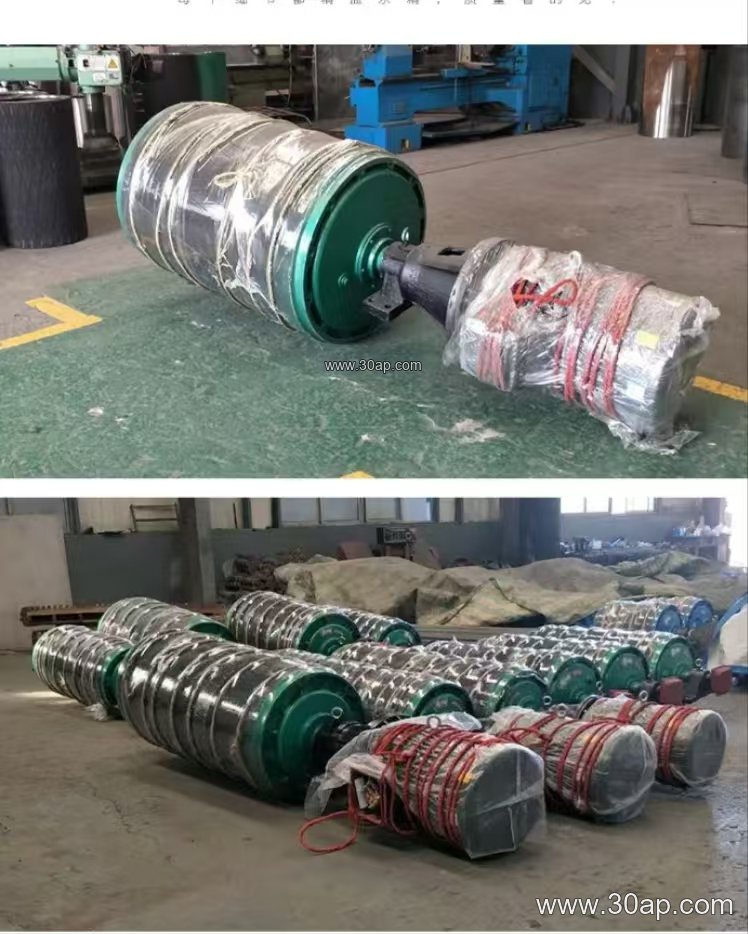
Shaft diameter is set by torque and load, not by belt width alone. Common shaft sizes run from Ø50 up to Ø200, and the same B1000 drive might use Ø120 on a light duty or Ø160 on a heavy one. A ceramic lagged pulley is often paired with a high-tension belt such as an EP200 or EP300 fabric core belt, or with a steel cord belt like ST1250 or ST1600 on long overland lines, so the lagging and the belt are selected together.
Where It Fits in the Plant
The main use is the head drive of a belt conveyor handling abrasive or damp bulk material. In a limestone quarry the discharge end of a primary crusher conveyor is a classic spot; in a cement plant the clinker and raw meal belts put the same demand on the drive. Coal handling in a power plant, iron ore transfer in a steel works, and sand and gravel lines all benefit when the belt arrives wet and the drive has to keep pulling.
A ceramic lagged drive pulley also helps where a conveyor starts under load, because the higher friction reduces belt slip at start-up and lowers the risk of belt burn and drift. In tunnels and underground coal mining, flame retardant conveyor belts and anti-static belts are common, and the pulley lagging must be compatible with that environment.
Selection and Maintenance Notes
Check the wrap angle, the belt tension, and the expected water and fines before choosing tile height and lagging thickness. A thicker lagging, such as 15 or 20 mm, gives more wear life but changes the pulley diameter slightly, so alignment and belt tracking should be reviewed. Inspect the ceramic surface for missing tiles and worn edges during scheduled stops, and keep the belt cleaner and the pulley scraper working, since a build-up of sticky material on the shell can cancel the benefit of the ceramic grip.
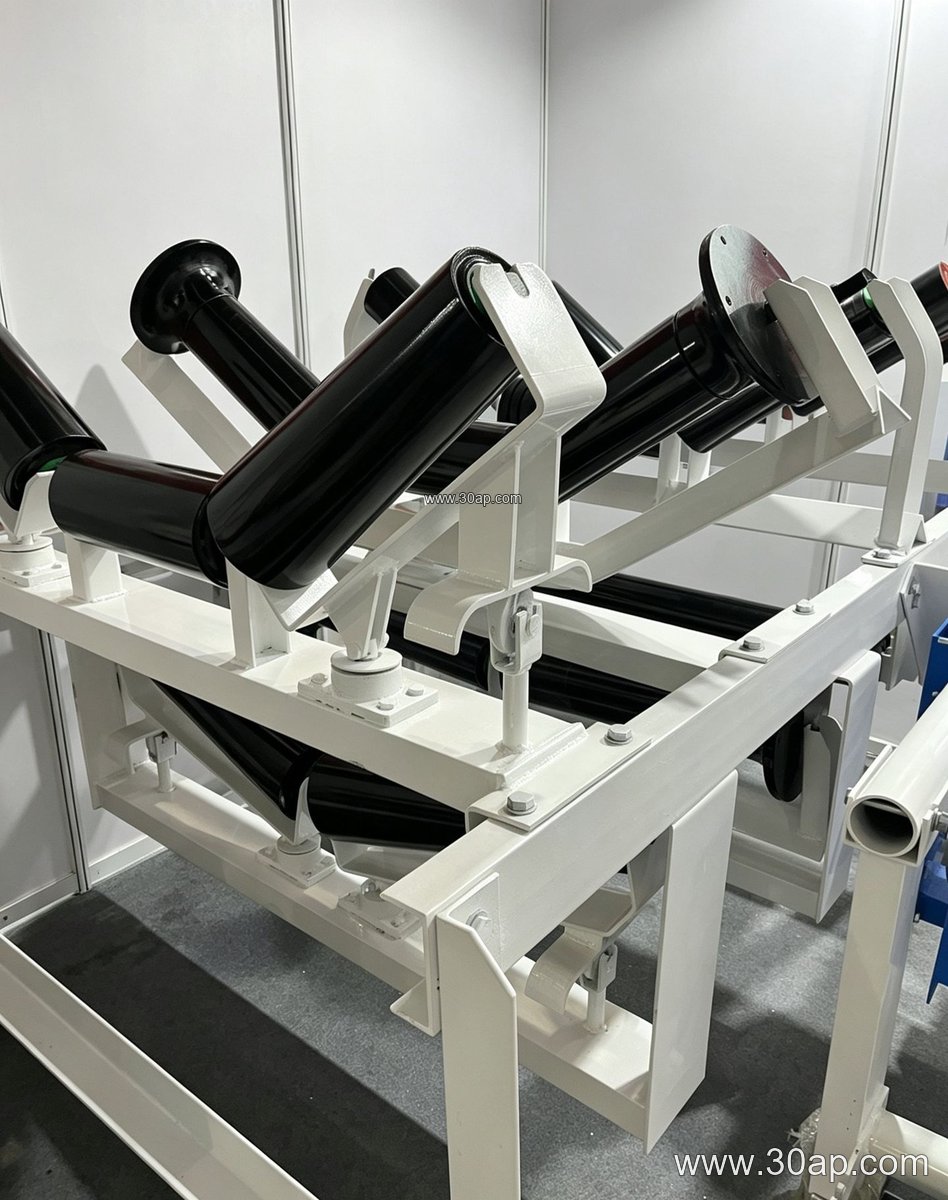
Related parts such as the conveyor bracket, idler roller, and the belt itself should be checked at the same time. A worn, glazed belt underside or a misaligned frame will reduce traction no matter how good the lagging is.