What the Parallel Idler Bracket Does
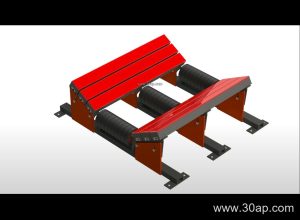
A parallel idler bracket is the stationary support frame that holds the idler rollers in a fixed position under the carrying run of a conveyor belt. In everyday plant language it is also called a parallel idler frame or a fixed troughing bracket, and it is usually bolted to the conveyor stringer or cross beam rather than hung from a flexible chain. Because the bracket keeps the rollers in one plane, the belt keeps a consistent trough profile from the load point to the discharge end.
The name refers to the parallel arrangement of the roller mounting positions. Unlike a transition or self-aligning bracket, which changes angle or position as the belt moves, this bracket holds its geometry. That makes it a good fit for long straight runs in a quarry, a limestone mine, a coal washing plant, a cement plant or a power plant coal handling line, where steady support matters more than active correction.
How the Bracket Is Built
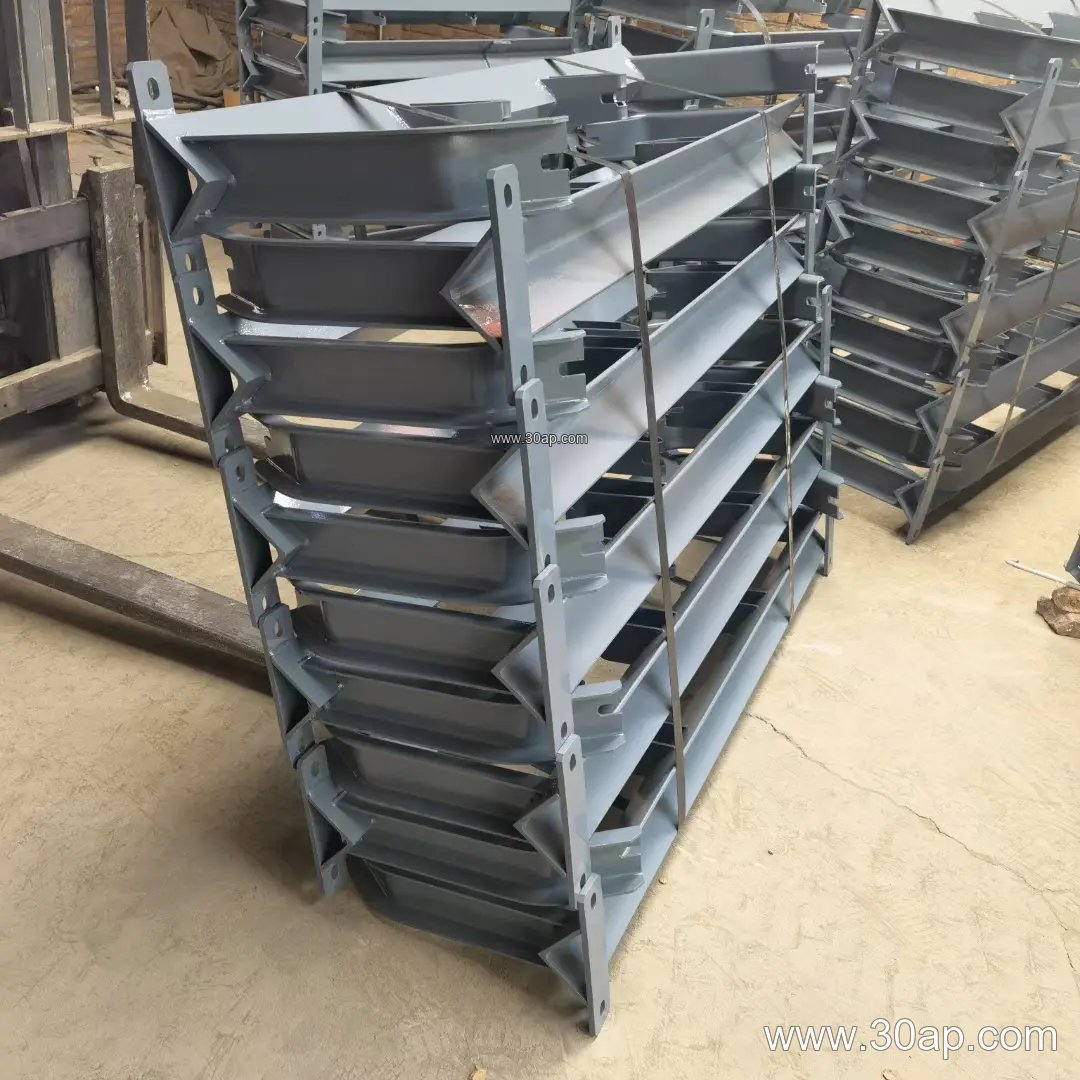
Most units are fabricated from angle steel, channel steel or folded steel plate, then drilled for the idler shaft ends. The two side wings set the trough angle, and the base plate or cross member carries the vertical load into the conveyor structure. A typical assembly includes:
- Two angled side supports that locate the wing rollers
- A centre pad or saddle for the middle roller
- Slotted or drilled mounting holes for alignment during installation
- Optional shims or adjustable bolts for fine height setting
Mounting hole spacing and cross beam length are not fixed values. They follow the belt width, the chosen trough angle and the roller diameter, so a bracket for a B800 line should not be assumed to fit a B1200 frame without checking the drawing.
Common Configurations and Reference Sizes
The table below shows typical combinations used in conveyor design. The values are reference data for discussion, not a universal supply promise, and several combinations are possible for the same belt width.
| Belt width | Trough angle | Idler diameter | Typical duty |
|---|---|---|---|
| B500 | 20 to 30 degrees | Ø89 | Light aggregate and sand lines |
| B650 | 30 degrees | Ø89 to Ø108 | Small quarry and recycling conveyors |
| B800 | 35 degrees | Ø108 | General bulk material handling |
| B1000 | 35 to 45 degrees | Ø133 | Cement and power plant coal conveyors |
| B1200 | 45 degrees | Ø133 to Ø159 | Heavy ore and high-capacity lines |
| B1400 to B1600 | 35 to 45 degrees | Ø159 | Iron ore, copper ore and port loading |
| B1800 to B2000 | 35 to 45 degrees | Ø159 to Ø194 | Large mining and ship loading systems |
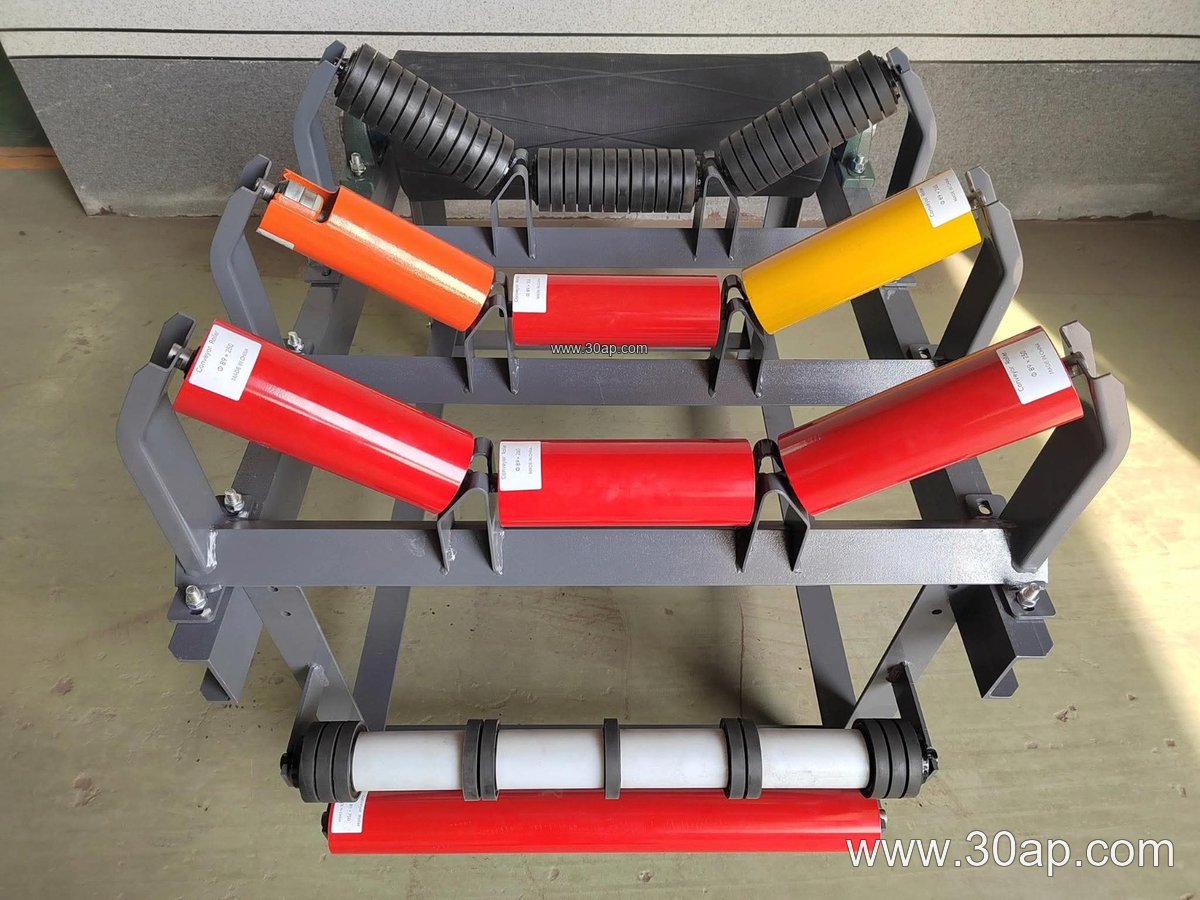
Where the belt must be raised or lowered at a transfer point, an adjustable version of the same parallel frame can be set between the common angles. Forward-leaning designs, usually about 1.5 to 2 degrees, are a separate option used for gentle training rather than for a fixed parallel layout.
Where It Fits on the Conveyor
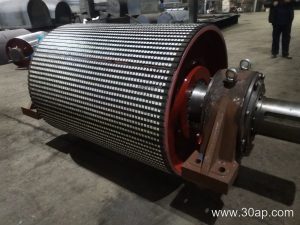
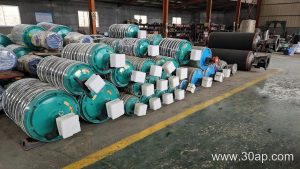
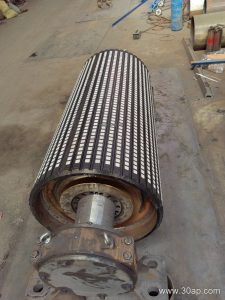
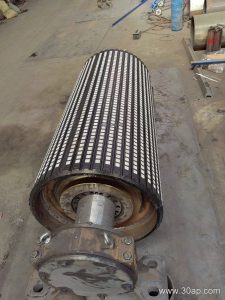
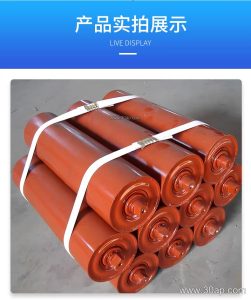
Parallel brackets are most often seen on the carrying side of a long straight section, spaced at regular intervals behind the loading zone. They also appear on the return side as a lower flat bracket or as part of a V-return arrangement. In a crushing and screening circuit, a stone crushing line or a fertiliser plant, the bracket works together with the idler roller, the conveyor pulley and the belt itself. A stable frame reduces roller bounce, which in turn helps a heavy-duty mining conveyor belt or an abrasion resistant conveyor belt run without edge damage.
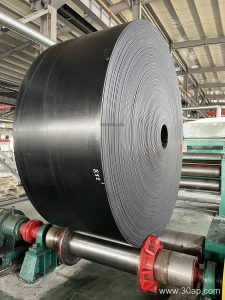
Selection should match the belt construction. A steel cord conveyor belt or a high strength conveyor belt used on a B1800 line needs a stiffer frame than a multi-ply fabric core belt on a short B650 run. Heat resistant conveyor belt and flame retardant conveyor belt installations in a coal mining conveyor or underground coal mining conveyor also call for brackets that keep the roller axis square to the belt path.
Buyer Checklist
- Confirm belt width, trough angle and roller diameter together, not one at a time.
- Ask for the mounting hole drawing and check it against the existing stringer.
- State the material and finish, since wet or dusty plants may need a coated frame.
- Decide between fixed and adjustable before ordering, as they are not interchangeable.
- Check that the bracket suits the belt type, from EP conveyor belt and NN conveyor belt grades to steel cord and PVG800S constructions.
Get the frame geometry right and the rollers, belt and pulley will all last longer. For matching conveyor components, the team at cnfms.com can review bracket, roller and belt data together.