What the PVG800 Belt Is
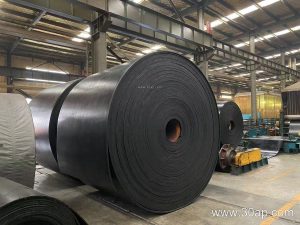
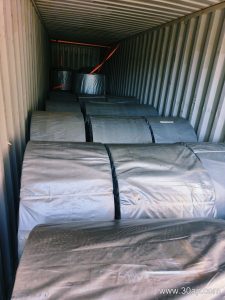
The PVG800 conveyor belt is a solid-woven, PVC-impregnated belt engineered for tough bulk handling. In this designation, PVG stands for the construction family, while 800 refers to the belt’s longitudinal tensile strength class. It is a whole-belt product, not a cover grade or a pulley component, and it is often specified where a rubber belt’s static conductivity or flame behaviour would need extra attention. Buyers comparing it with an EP conveyor belt or a multi-ply fabric core belt will notice that the PVG800 is a single homogeneous carcass rather than a laminated fabric build. For a flame retardant conveyor belt in a coal preparation plant or a cement plant transfer house, this construction is a practical candidate.
Construction and Build
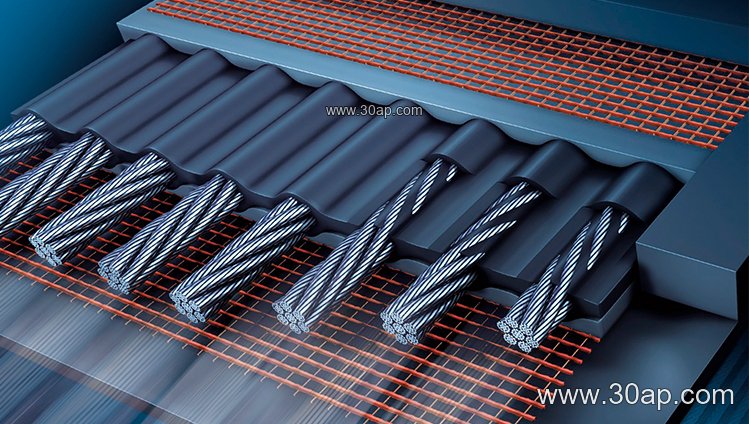
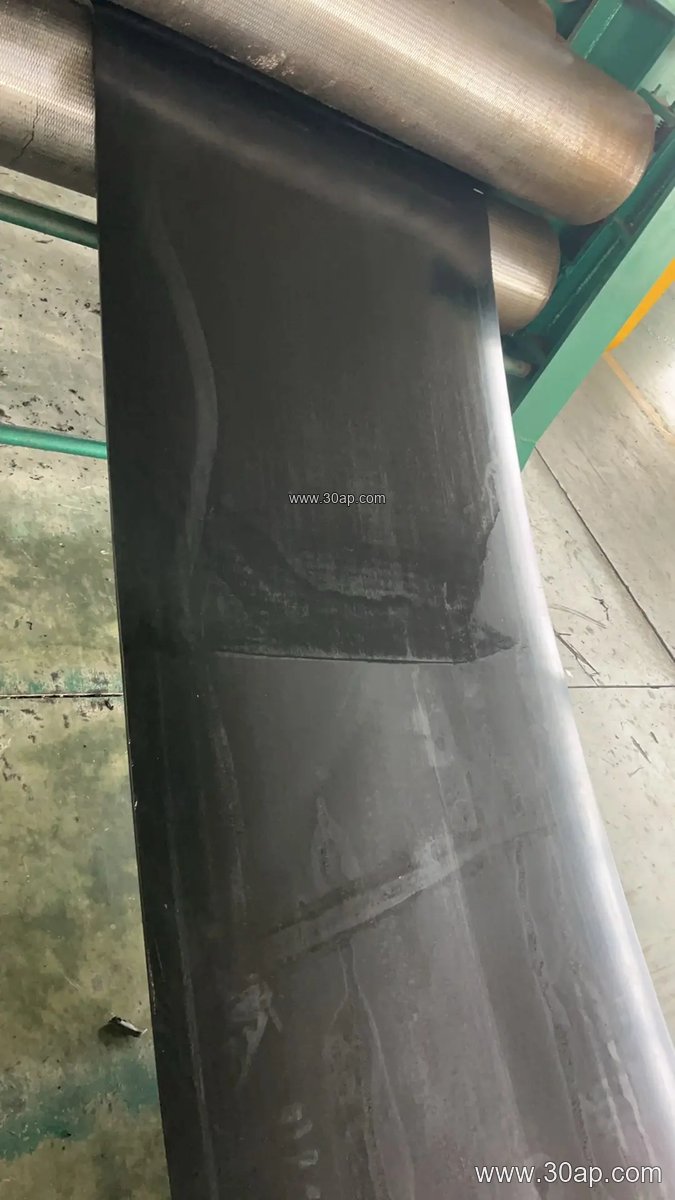
The carcass is a solid woven fabric, fully impregnated with polyvinyl chloride. This gives the belt a dense, closed structure that resists moisture ingress and reduces the risk of ply separation. The cover compounds are formulated for abrasion resistance and, depending on the specification, for flame retardancy and anti-static performance. Edge construction is usually sealed to limit wicking. Because the PVG800 conveyor belt is a solid-woven product, it does not rely on multiple rubber plies, so it can be spliced with vulcanised or mechanical methods according to the supplier’s instructions. A typical specification list includes:
- Belt type: PVG solid woven, strength class 800
- Common widths: B800, B1000, B1200, B1400
- Cover thickness examples: 3+1.5 mm, 4+2 mm, 5+2 mm
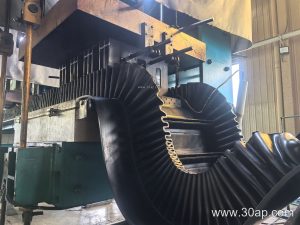
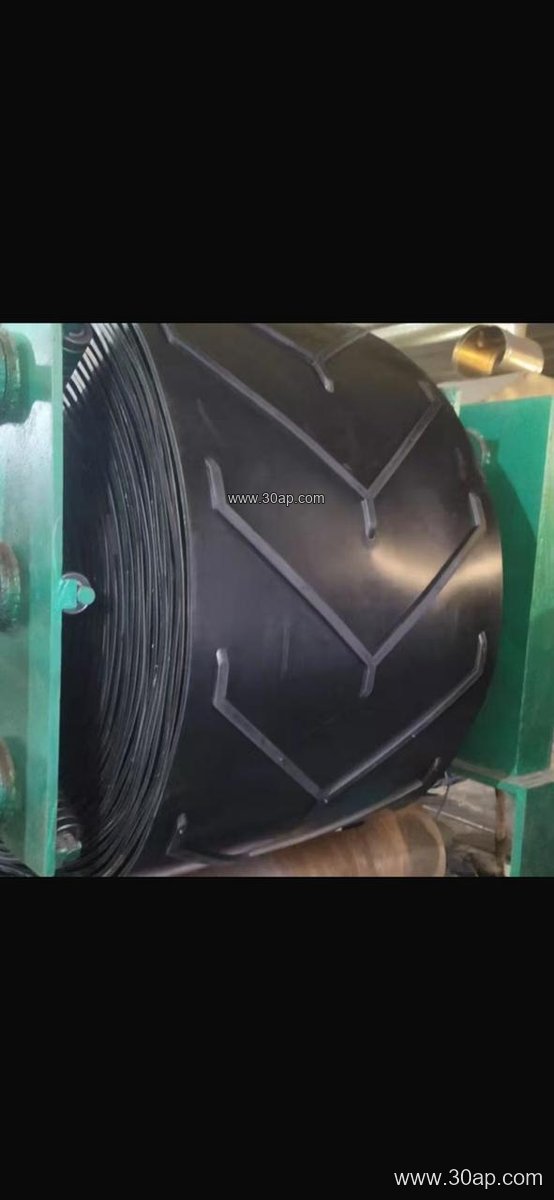
- Surface options: plain, chevron, or with corrugated sidewall for steep inclines
- Performance variants: abrasion resistant, flame retardant, anti-static
These values are reference points, not fixed supply promises; actual dimensions and cover grades are confirmed per order.
Where It Fits in the Plant
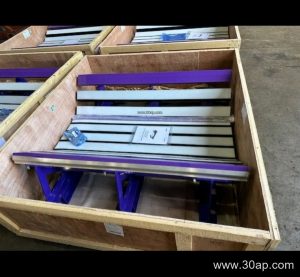
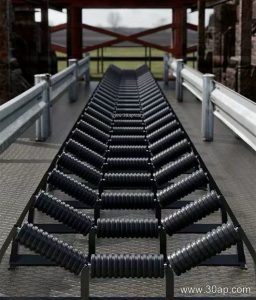
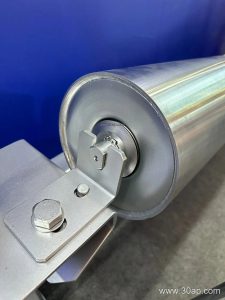
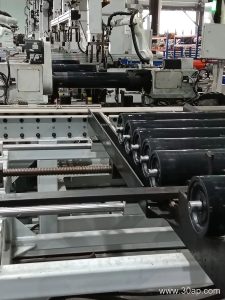
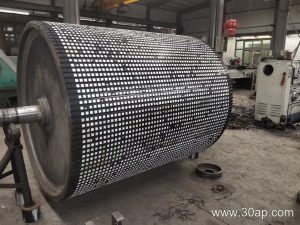
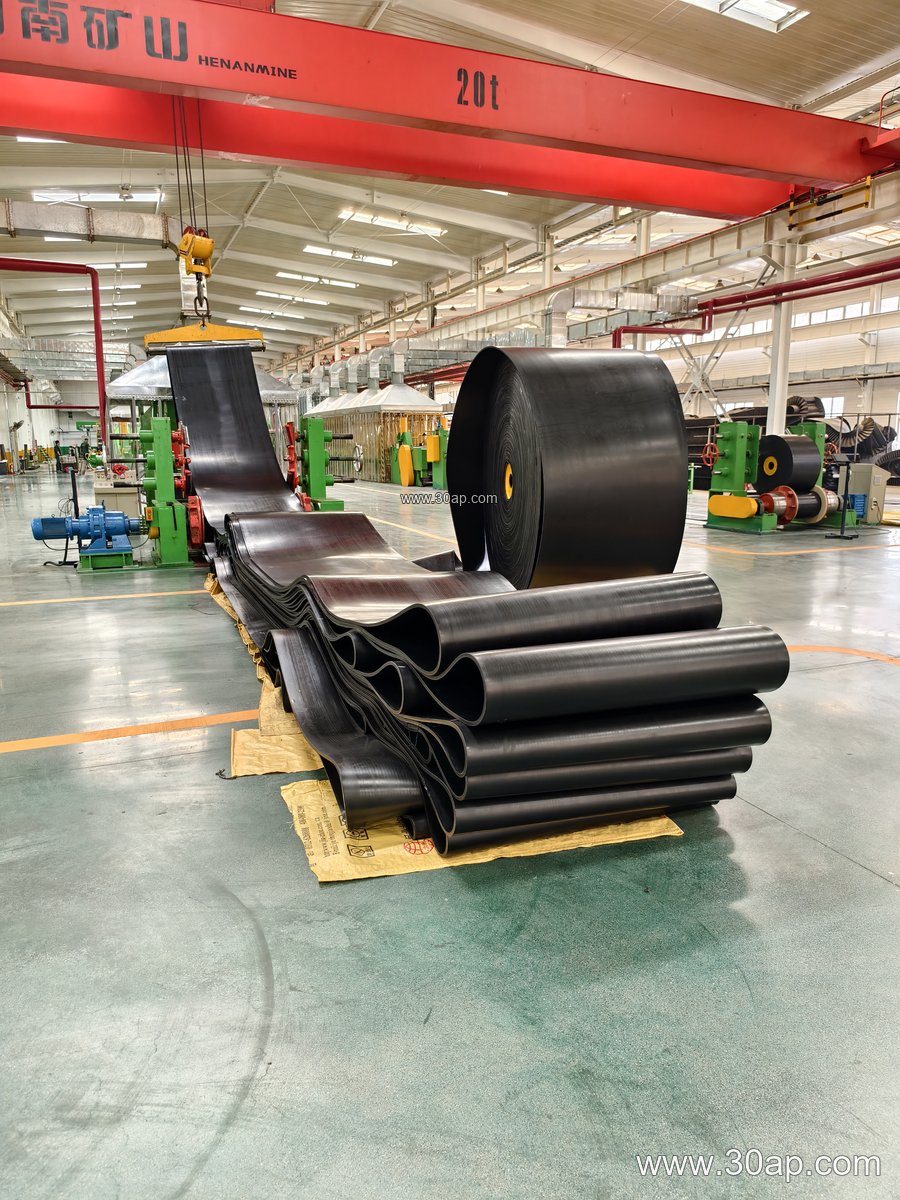
The PVG800 conveyor belt is common in underground mining and coal mining conveyor systems, where flame retardant and anti-static properties matter. It also appears in power plant coal handling, cement plant clinker and limestone circuits, and quarry or aggregate conveyor lines feeding a crusher. In these layouts, the belt runs over idler rollers and is trained by conveyor pulleys at the drive and tail positions, with conveyor brackets holding the structure together. A chevron conveyor belt variant may be chosen for inclined sections, while a corrugated sidewall conveyor belt is used where material must be contained on steep lifts. The PVG800 is not a substitute for a steel cord conveyor belt in very long, high-tension overland systems; each belt type has its own tension and elongation profile.
Selection Notes for Buyers
Start with the duty: material lump size, tonnage per hour, incline angle, and the ambient conditions. A high abrasion resistant conveyor belt grade suits sharp rock and ore, while a heat resistant conveyor belt is needed near hot clinker or sinter. For cold climates, a cold resistant conveyor belt option should be reviewed. Confirm the belt width against the loading chute and the pulley face, but remember that belt width and pulley diameter are separate design decisions—one belt width does not dictate a single pulley size. Also check the required cover thickness and whether the splice method suits the available take-up travel. A fabric core conveyor belt such as an NN conveyor belt may be considered for lighter duties, but it is a different product family and should not be treated as a drop-in replacement. When ordering, state the strength class, width, cover thickness, and any flame retardant or anti-static requirement so the supplier can match the PVG800 conveyor belt to the conveyor’s actual tension and safety needs.