What a 2400mm Conveyor Belt Is
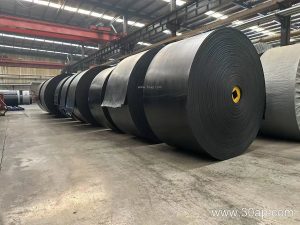
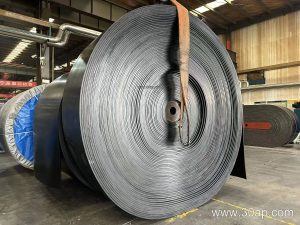
A 2400mm conveyor belt is a wide, heavy-duty belt designed for high-capacity bulk material transport. With a nominal width of 2400 millimeters, it is often specified as a wide conveyor belt or extra-wide conveyor belt in industries such as mining, coal, cement, power plants, and aggregate quarries. This width allows the belt to carry large volumes of material efficiently, reducing the number of conveyor lines needed in a system.
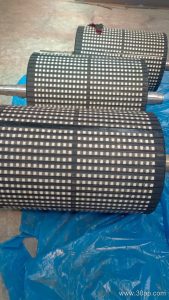
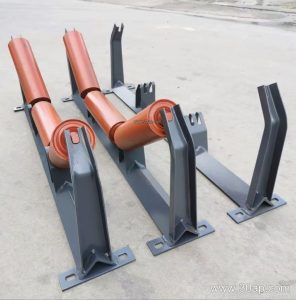
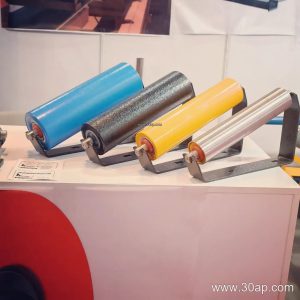
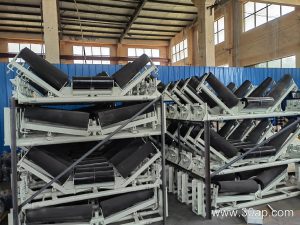
Common synonyms for this product include 2400mm wide conveyor belt and 2.4m conveyor belt. The belt itself is the carrying medium of a belt conveyor system, working in combination with idler rollers, conveyor pulleys, and conveyor brackets to move material along the route.
Construction and Materials
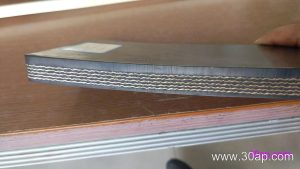
The 2400mm conveyor belt is typically built with a fabric core or steel cord reinforcement. The carcass provides tensile strength and resistance to impact, while the rubber covers protect the core from abrasion, moisture, and chemical attack. Common cover compounds include abrasion resistant, heat resistant, oil resistant, flame retardant, and anti-static variants.
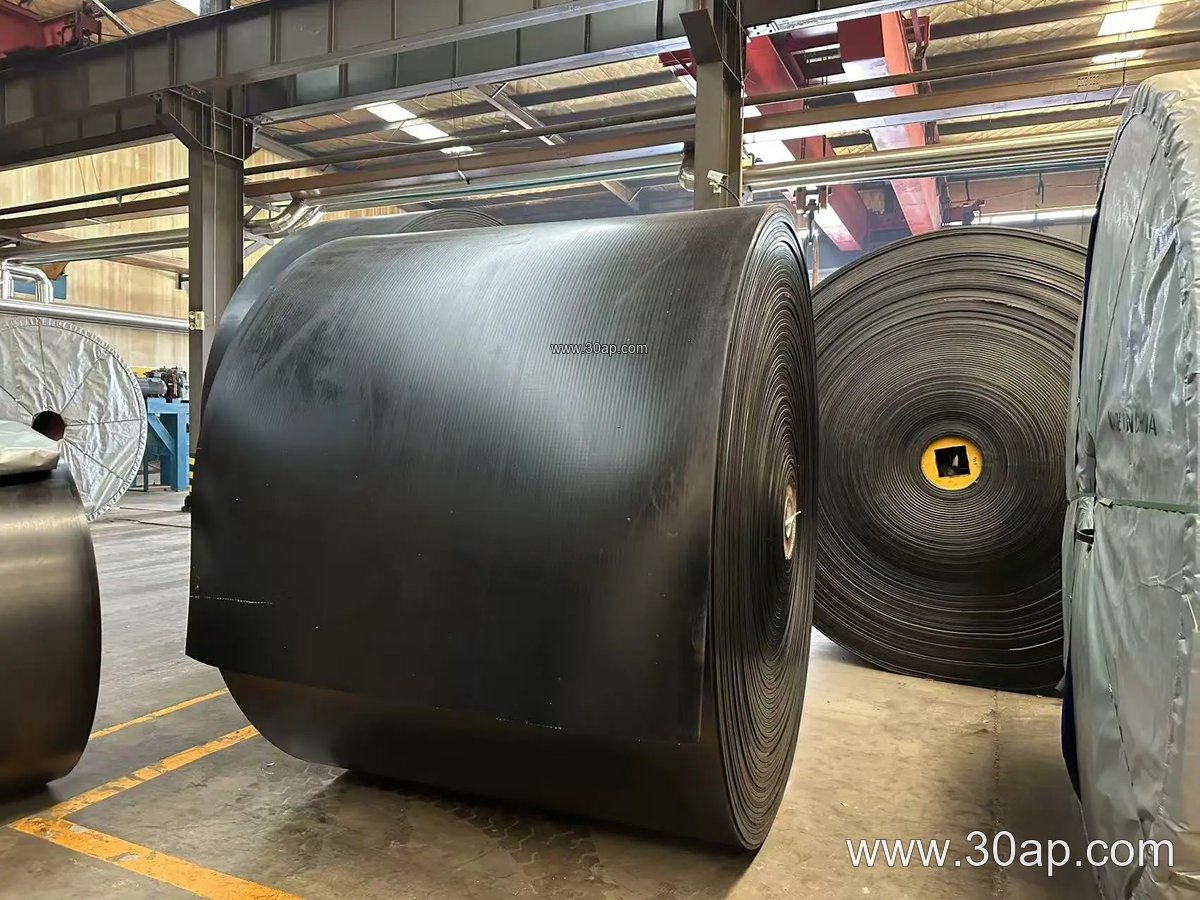
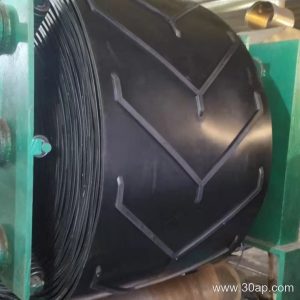
Fabric core options include EP conveyor belt (polyester-nylon) and NN conveyor belt (nylon-nylon). EP fabric core conveyor belts are widely used for their low elongation and good impact resistance. Steel cord conveyor belt is chosen for very high strength and long-distance applications. The belt may also feature chevron conveyor belt patterns, corrugated sidewall, or skirted edges for specific handling needs.
Typical cover thickness grades for heavy-duty belts include 6+2 mm or 8+3 mm, with 2 to 6 fabric plies depending on the required strength. For a 2400mm width, belt strength classes such as EP400, EP630, EP800, or ST1600 may be considered, but the final selection must be based on the conveyor design, load, and operating conditions.
Typical Applications
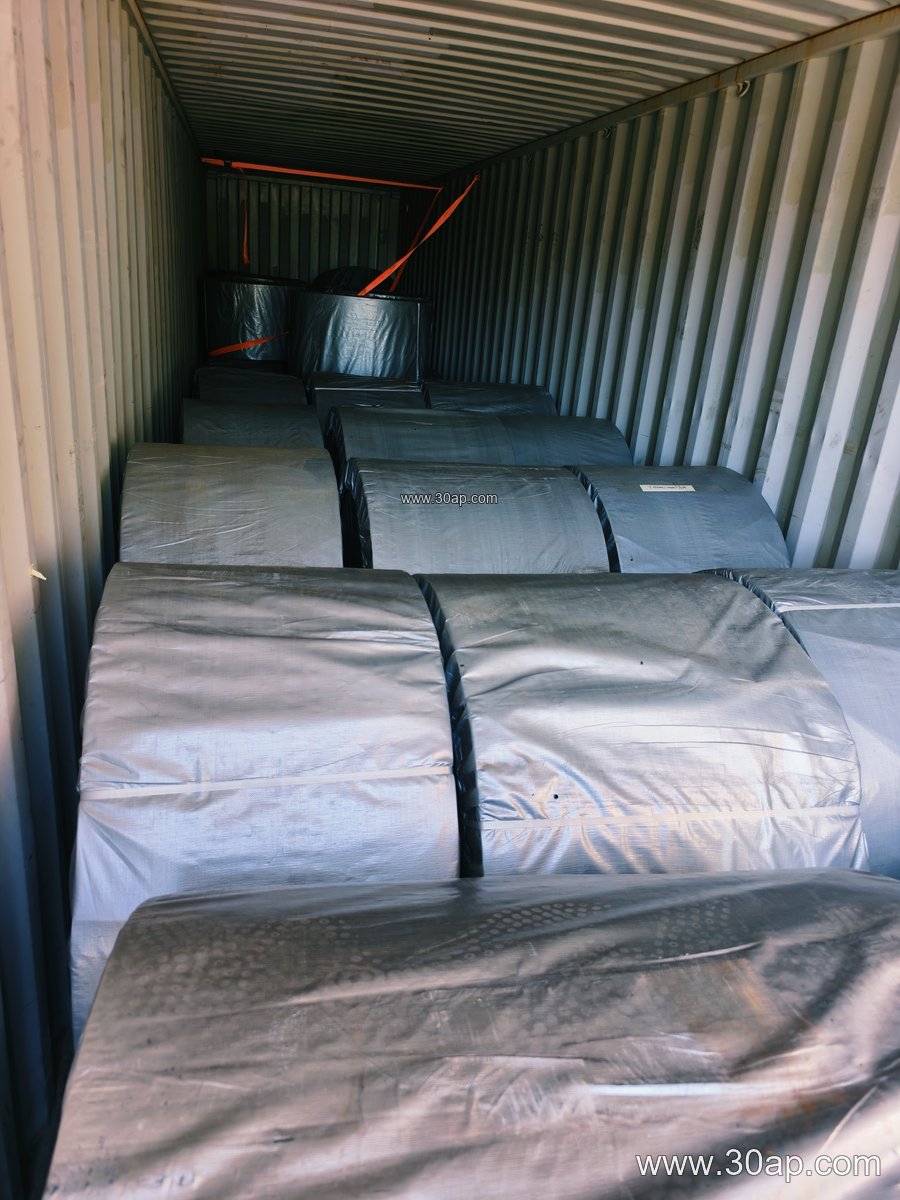
This wide belt is often found in high-capacity material handling systems. In mining, a 2400mm conveyor belt may be used for ore transport, overburden removal, or in coal mining conveyor belt systems. Cement plants use wide belts to move clinker, limestone, and additives. Power plants rely on them for coal delivery, while quarries and sand making plants use them for aggregate and rock transport.
Other industries include steel plants, ports for ship loading, recycling facilities, and construction sites. The belt may be specified as a mining conveyor belt, quarry conveyor belt, or bulk material conveyor belt, with additional properties such as heat resistance for cement kiln feed or flame retardancy for underground coal mining.
Key Specifications and Selection Factors
When selecting a 2400mm conveyor belt, buyers should consider:
- Belt width: 2400mm is the nominal width; actual dimensions may vary slightly by manufacturer.
- Reinforcement type: EP fabric core, NN fabric core, or steel cord.
- Strength class: EP200 to EP2000 or ST1000 to ST3150, depending on load and distance.
- Cover thickness: Commonly 3+1.5 mm up to 8+3 mm for heavy-duty service.
- Special properties: abrasion resistant, heat resistant, oil resistant, flame retardant, anti-static, cold resistant, or acid resistant.
- Surface pattern: smooth, chevron, or with corrugated sidewalls.
It is important to note that belt width does not dictate a single pulley diameter or shaft size. Drive pulleys, tail pulleys, and bend pulleys are selected based on belt tension, speed, and system design. A 2400mm belt may be used with various pulley diameters and idler roller configurations. The conveyor bracket and frame must be designed to support the belt’s weight and the material load.
Maintenance and Usage Notes
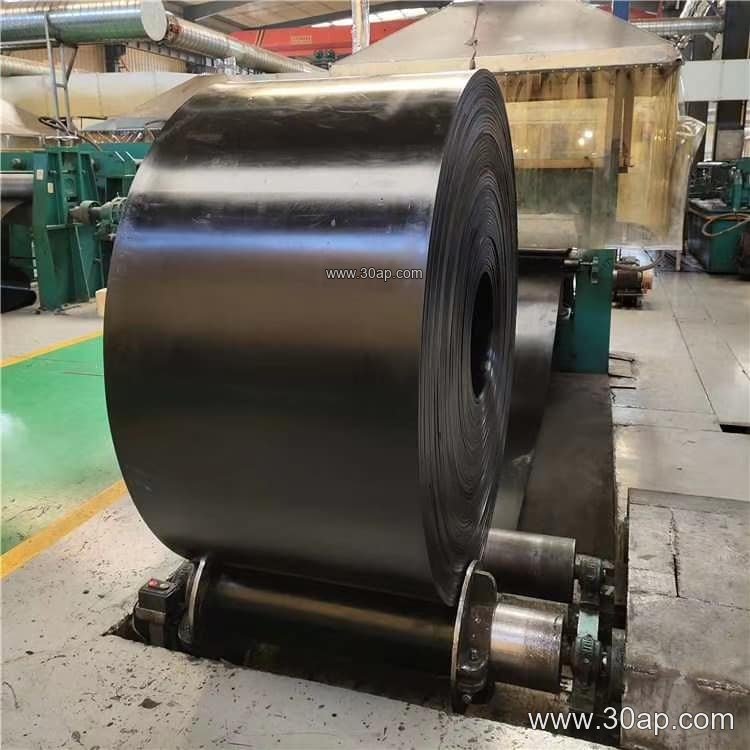
Proper maintenance extends the service life of a 2400mm conveyor belt. Regular inspection of idler rollers, conveyor pulleys, and belt edges helps detect wear or misalignment early. Belt tracking should be monitored, especially on wide belts where slight misalignment can cause edge damage. Cleaning systems and proper tensioning also contribute to reliable operation.
For specific applications, such as underground coal mining, flame retardant and anti-static properties are essential. In cement plants, heat resistant belts may be needed for clinker transport. Buyers should consult with belt manufacturers or conveyor designers to match the belt specifications to the actual operating conditions, ensuring safety and efficiency.
For more information on conveyor belts, idler rollers, and pulleys, visit conveyor belt and idler roller resources.