What a Conveyor Bracket Is and Why Price Varies
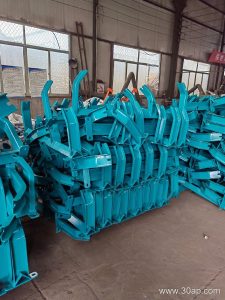
A conveyor bracket is the structural support that holds idler rollers in position along a conveyor frame. It carries the weight of the belt and the material being transported, so its design and material directly affect both durability and cost. When buyers ask about conveyor bracket price, the answer depends on the bracket type, the belt width it serves, the trough angle, the roller diameter it accepts, and the steel grade used in fabrication. A lightweight bracket for a small aggregate line and a heavy-duty bracket for an iron ore transfer point are simply not in the same price class.
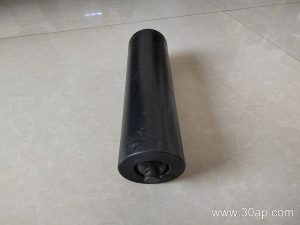
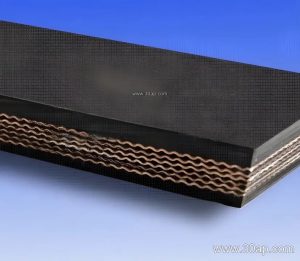
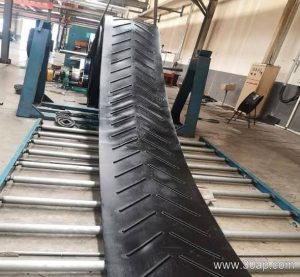
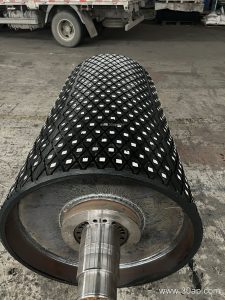
On a typical bulk handling system, the bracket works together with the conveyor belt, the idler roller, and the conveyor pulley. If the bracket flexes or corrodes, roller alignment suffers, and the belt may track poorly. That is why price should be weighed against structural quality rather than viewed as a standalone number.
How Conveyor Brackets Are Built
Most brackets are fabricated from angle steel, channel steel, or bent steel plate. The fabrication method matters: a welded channel bracket with reinforced gussets costs more than a simple bent-plate design, but it usually lasts longer under heavy loads. Surface treatment, such as painting or galvanizing, also adds to the cost, particularly for outdoor installations at ports or power plant coal yards.
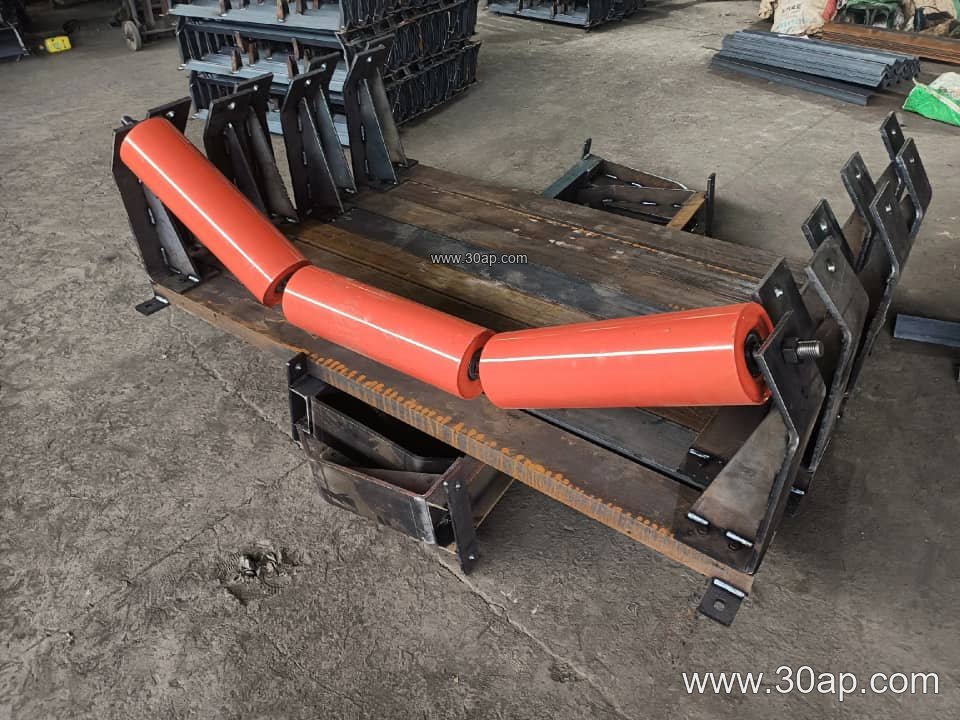
Key build details that influence quotation include:
- Steel thickness and profile of the main beam
- Mounting hole spacing, which changes with belt width and trough angle
- Welding quality and reinforcement at load points
- Surface finish and corrosion protection
Because hole spacing and crossbeam length are determined by the conveyor design, buyers should provide the belt width and trough angle rather than assume a fixed dimension.
Common Bracket Types and Their Price Positions
Different bracket types serve different positions on the conveyor, and each has its own cost profile. Trough brackets for the carrying side, return brackets for the lower run, impact brackets at loading points, and self-aligning brackets for belt training all differ in complexity.
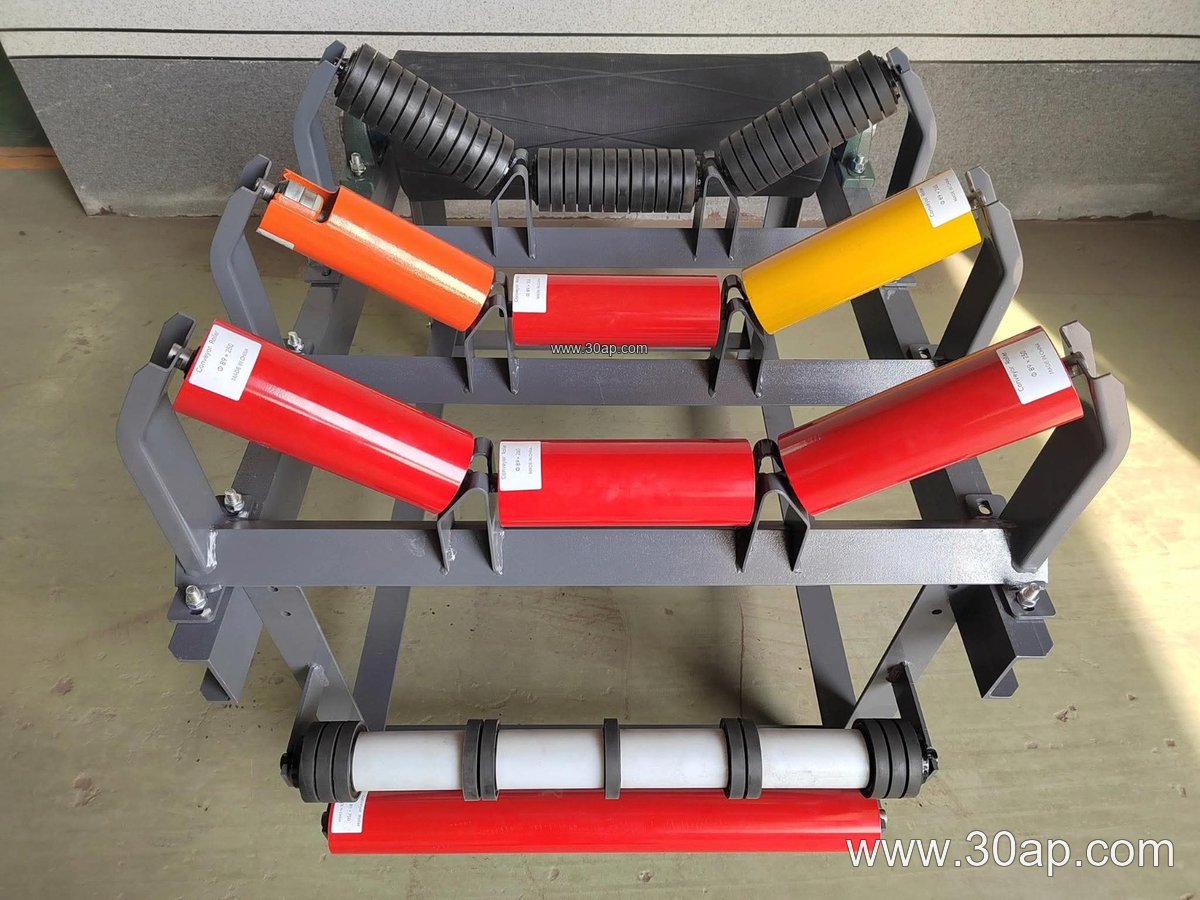
| Bracket Type | Typical Position | Cost Influence |
|---|---|---|
| Trough bracket (20°, 30°, 35°, 45°) | Carrying side | Angle and width affect steel content |
| Transition bracket | Near pulleys | Custom geometry raises fabrication cost |
| Return bracket / V-return bracket | Lower run | Simpler design, lower base cost |
| Impact bracket | Load zone | Reinforcement adds weight and cost |
| Self-aligning bracket | Belt training zones | Moving parts increase price |
| Adjustable bracket | Variable trough angle | Adjustment mechanism adds cost |
An adjustable bracket allows the trough angle to be set between common values such as 20 degrees and 45 degrees, which can be useful during commissioning. Fixed brackets are cheaper but less flexible. Forward-leaning brackets, usually around 1.5 to 2 degrees, are a separate design choice and should not be confused with adjustable types.
Matching Brackets to Belt Width and Roller Diameter
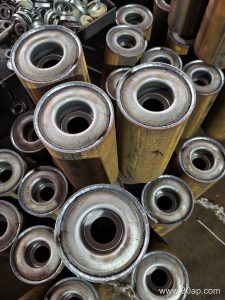
Bracket selection is tied to the conveyor belt width and the roller diameter it will hold. Common combinations include B800 with a 35-degree trough and Ø108 rollers, or B1200 with a 45-degree trough and Ø133 rollers. Wider belts such as B1600 or B1800 usually need heavier brackets and larger rollers, such as Ø159 or Ø194, but there is no single mandatory pairing. The belt width does not by itself fix the shaft diameter, so the roller specification should come from the conveyor designer.
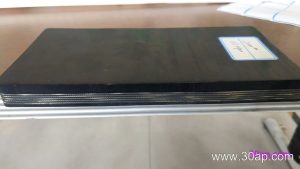
At a quarry or sand and gravel line, brackets handling abrasive rock may be paired with an abrasion resistant conveyor belt and robust rollers. In a cement plant, dust and heat exposure may call for galvanized brackets and a heat resistant conveyor belt on hot clinker sections. These choices affect the overall budget, not just the bracket price.
Where Conveyor Brackets Are Used
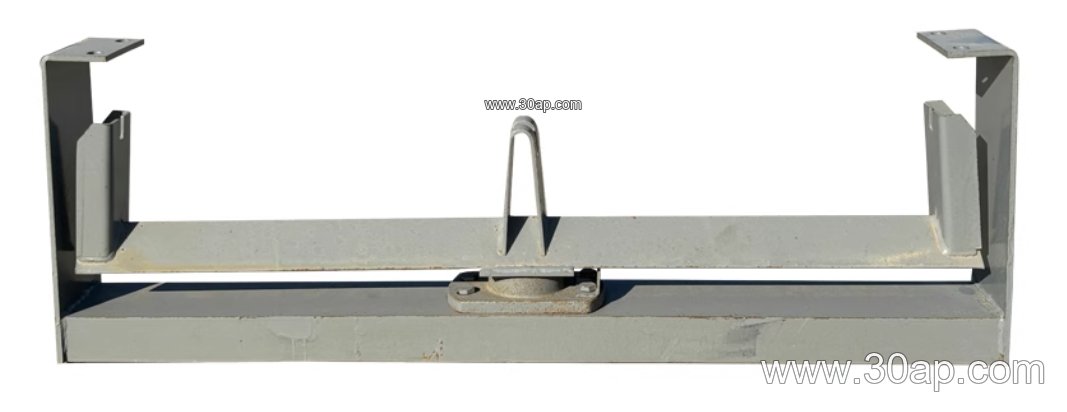
Brackets appear wherever a belt conveyor runs. In a coal mining operation or a power plant coal yard, flame retardant conveyor belt and anti-static properties are often required alongside sturdy brackets. In a crushing and screening circuit, impact brackets protect the belt at transfer points. At a port ship loading facility, long conveyors depend on consistent bracket spacing to keep the belt aligned.
Other common sites include limestone mines, steel plant sinter lines, batching plants, and tunnel spoil handling. Each environment places different demands on the bracket, from corrosion resistance to impact strength.
What Buyers Should Confirm Before Ordering
To get an accurate conveyor bracket price, prepare a short specification: belt width, trough angle, roller diameter, bracket type and position, steel material, surface treatment, and quantity. Ask whether the supplier includes mounting hardware. Confirm that hole spacing matches the existing frame, because a bracket that does not fit creates downtime that costs far more than the part itself.
For larger projects, it helps to compare bracket pricing together with the conveyor pulley and idler roller costs, since these components are purchased as a set. A slightly higher bracket price for a reinforced design often pays back through longer service life and fewer belt tracking problems.