What a V-Type Idler Bracket Does
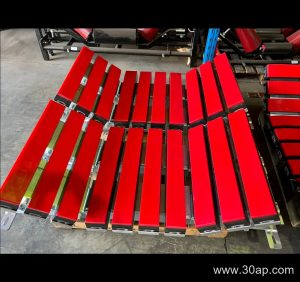
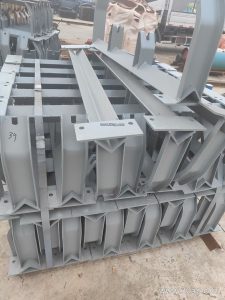
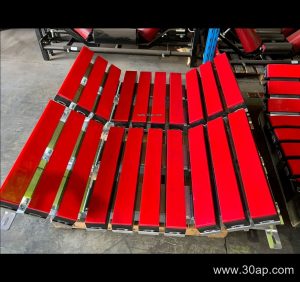
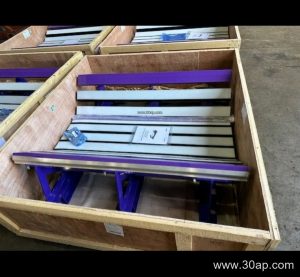
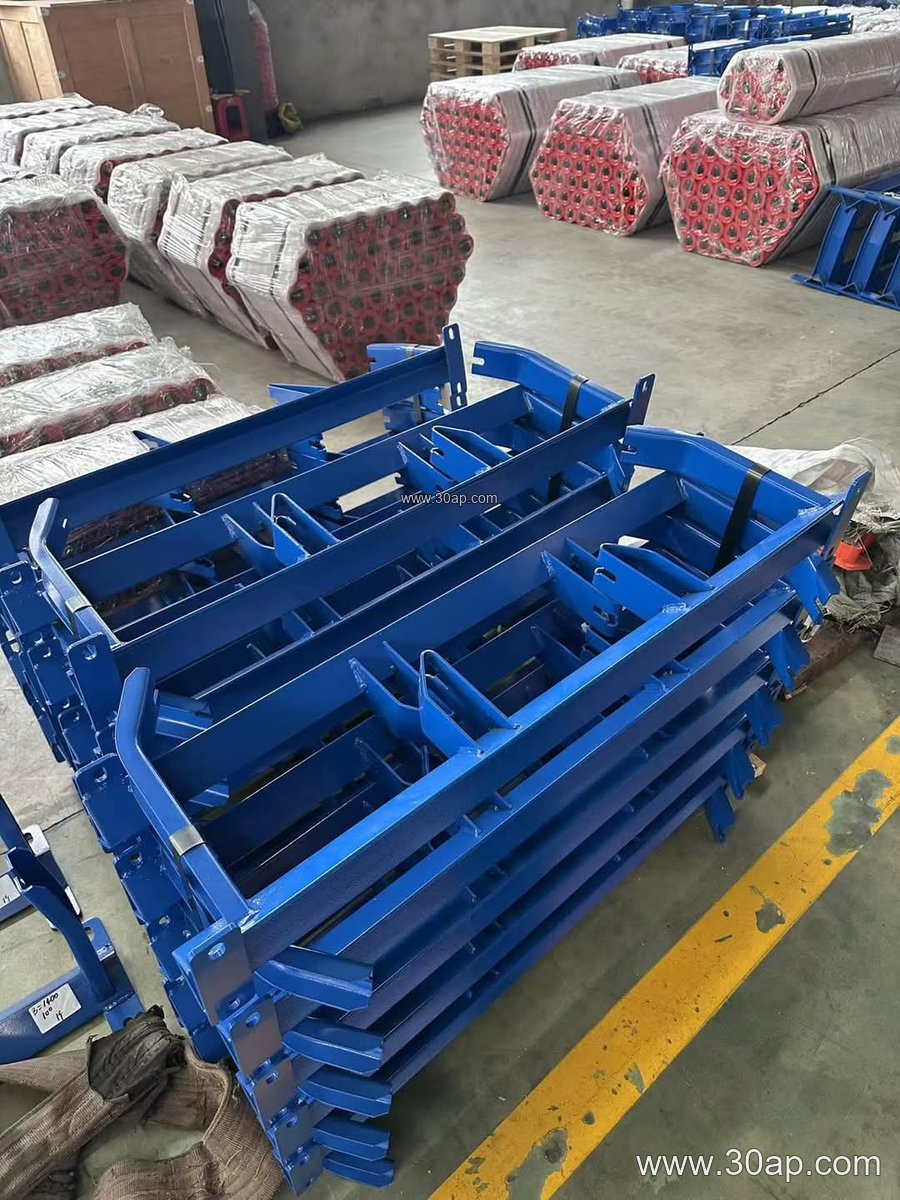
A V-Type Idler Bracket is a support frame that holds two idler rollers in a V-shaped trough, typically used on the return side of a conveyor belt. This bracket helps support the belt, guide it back into alignment, and reduce material buildup on the return run. It is common in bulk material handling systems such as those found in coal mining, cement plants, power plant coal yards, and quarry operations. The bracket works alongside the conveyor belt, idler roller, and conveyor pulley to keep the system running smoothly.
Construction and Materials
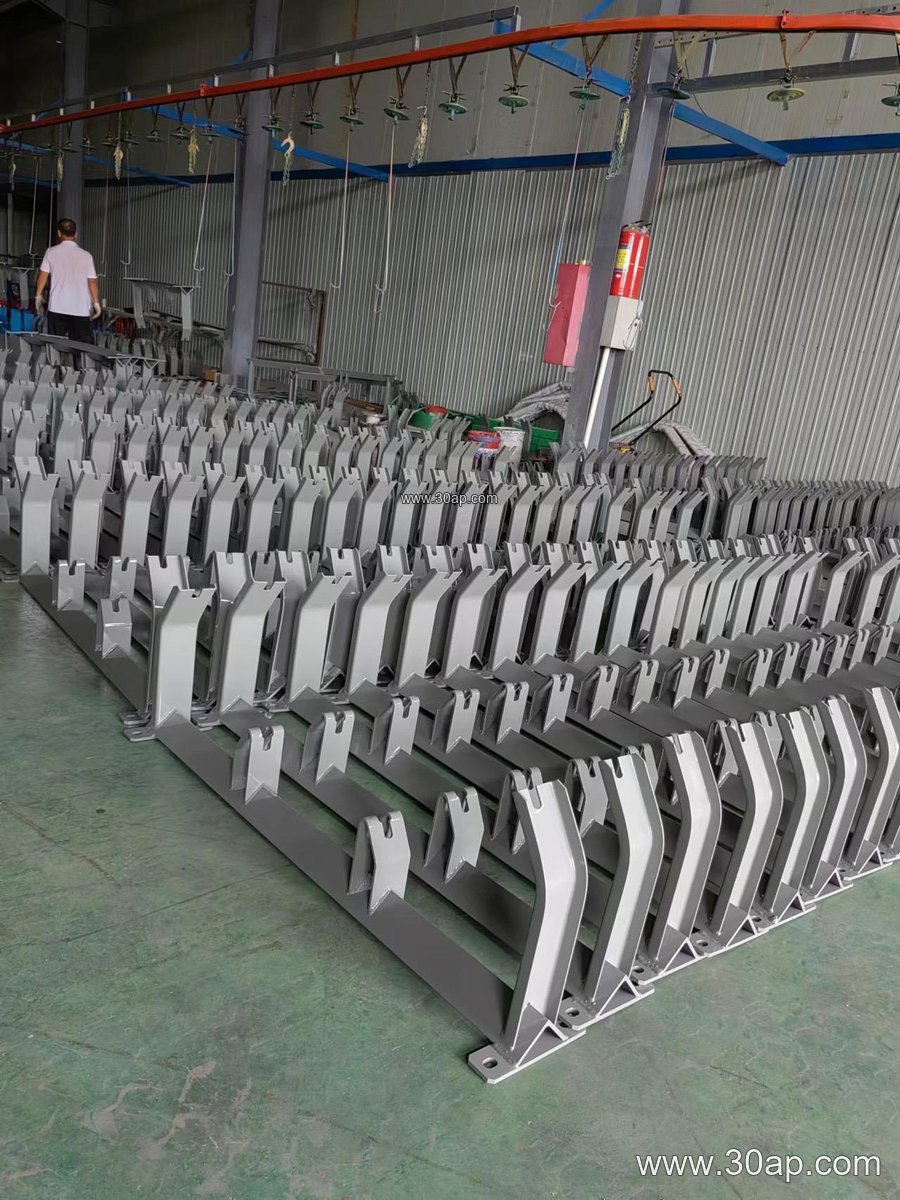
Most V-Type Idler Bracket frames are fabricated from angle steel, channel steel, or bent steel plate. The V-shape is formed by two inclined mounting surfaces that hold the idler rollers at an angle, usually between 20 and 45 degrees from horizontal, depending on the design and the belt training requirements. The bracket is engineered to withstand the load of the return belt and any incidental material, and it is often mounted on the conveyor stringer or cross beam. Typical surface treatment includes painting or galvanizing for corrosion resistance in dusty or wet environments.
Where It Is Used
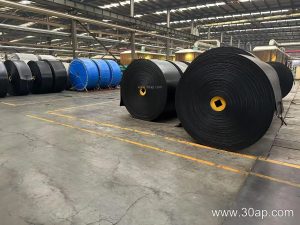
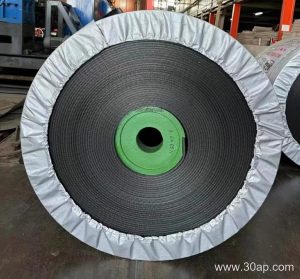
This bracket is widely applied in industries that rely on continuous bulk conveying. In a coal mining conveyor system, the V-Type Idler Bracket helps center the return belt and prevents it from wandering off the pulley. In a cement plant, it supports the belt on the return side after the discharge point, reducing spillage and wear. The bracket is also used in power plants, steel mills, and aggregate operations. It is often paired with a rubber conveyor belt or an EP conveyor belt to maintain proper belt tracking. For heavy-duty applications, such as those handling iron ore or copper ore, a reinforced bracket may be selected to handle higher loads.
Key Selection Factors
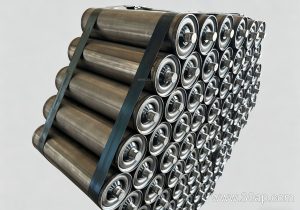
When choosing a V-Type Idler Bracket, buyers should consider the belt width, the idler roller diameter, and the required trough angle. Common belt widths include B500, B650, B800, B1000, B1200, B1400, B1600, B1800, B2000, B2200, and the bracket must match the conveyor frame. Idler roller diameters such as Ø89, Ø108, Ø133, Ø159, and Ø194 are typical. The trough angle can be 20, 30, 35, or 45 degrees; for training purposes, a 30 or 35 degree angle is often used. The bracket should be selected to suit the specific conveyor design, and mounting hole spacing and beam length will vary with belt width and angle. It is also important to consider the operating environment: in a coal mining conveyor belt system, flame retardant and anti-static properties of the belt may be required, while in a quarry, abrasion resistant conveyor belts are common.
Installation and Maintenance Tips
Proper installation of the V-Type Idler Bracket is critical for effective belt training. The bracket should be aligned squarely with the conveyor centerline and securely bolted to the frame. Regular inspection for loose bolts, bent frames, or worn idler rollers is recommended. In dusty environments such as a cement plant or a coal yard, keeping the bracket area clean prevents material buildup that can affect belt tracking. Lubrication of idler bearings, if applicable, should follow the manufacturer’s schedule. When replacing idlers, ensure the new rollers match the bracket’s mounting dimensions.
Related Equipment and Considerations
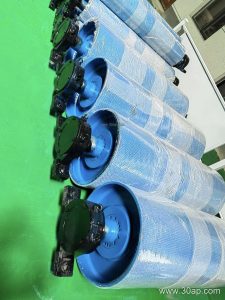
The V-Type Idler Bracket works in conjunction with other conveyor components, including the conveyor pulley, conveyor bracket, and various idler rollers. For high-temperature applications, a heat resistant conveyor belt may be used, and the bracket should be able to withstand the ambient conditions. In food or chemical handling, oil resistant or chemical resistant conveyor belts might be present, and the bracket material should be compatible with the environment. Always refer to the conveyor design manual for specific bracket requirements. For more information on conveyor components, visit our site for conveyor belt and idler roller solutions.