What an EP Rubber Conveyor Belt Is
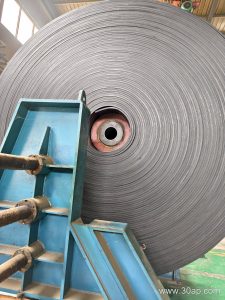
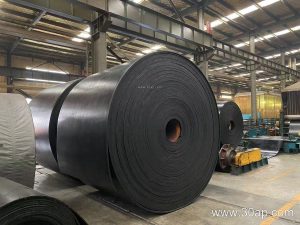
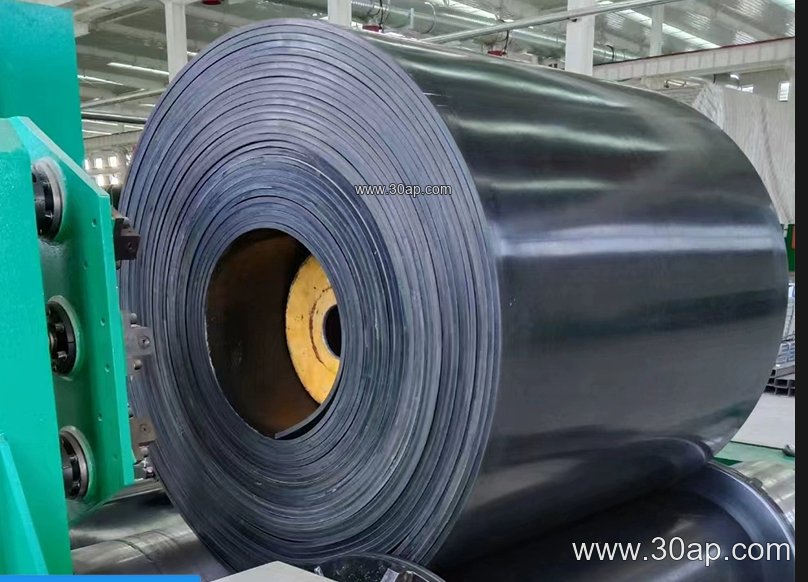
An EP rubber conveyor belt is a fabric core belt built around polyester (E) and polyamide or nylon (P) warp and weft yarns, bonded in rubber. The EP fabric carcass gives the belt high tensile strength, low elongation and good resistance to fatigue, while the rubber covers protect the carcass from abrasion, impact, moisture and heat. In the field you will also hear it called an EP fabric core conveyor belt or simply an EP conveyor belt. It is one of the most widely used belt constructions in bulk material handling, sitting between ordinary cotton fabric belts and high-tension steel cord conveyor belt designs.
The keyword name matters when specifying: an EP rubber conveyor belt is a fabric core product, not a wire rope product. If a project calls for very long centre distances or extremely high tensions, a steel cord conveyor belt may be the better fit, but it should be treated as a different product rather than a substitute for the EP carcass.
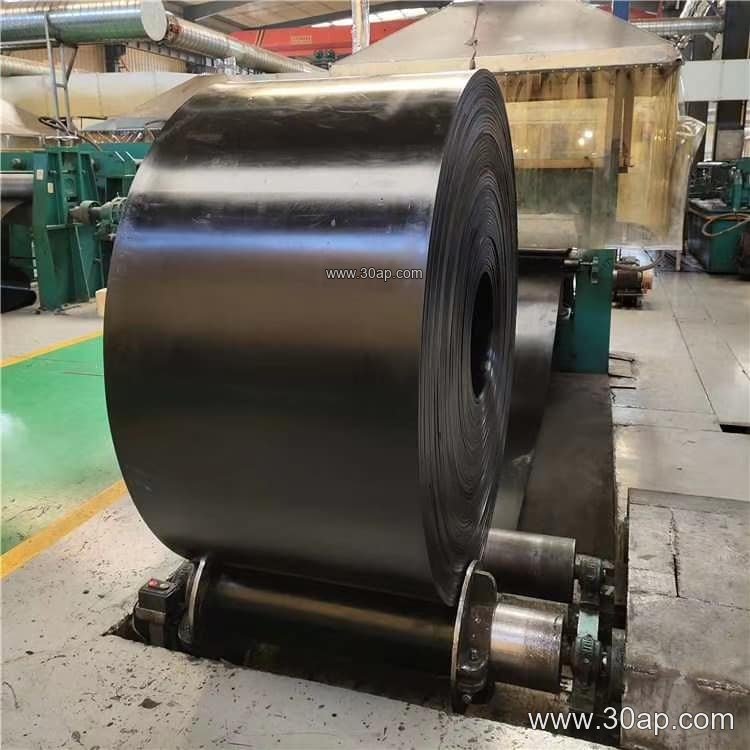
How the Belt Is Built
The carcass is usually 2 to 6 plies of EP fabric, skimmed and frictioned with rubber compound, then consolidated under heat and pressure. Top and bottom covers are applied in thicknesses that suit the duty. Common cover combinations include 3+1.5 mm, 4+2 mm, 5+2 mm, 6+2 mm and 8+3 mm. A thicker top cover generally helps where sharp rock or coarse aggregate is loaded onto the belt.
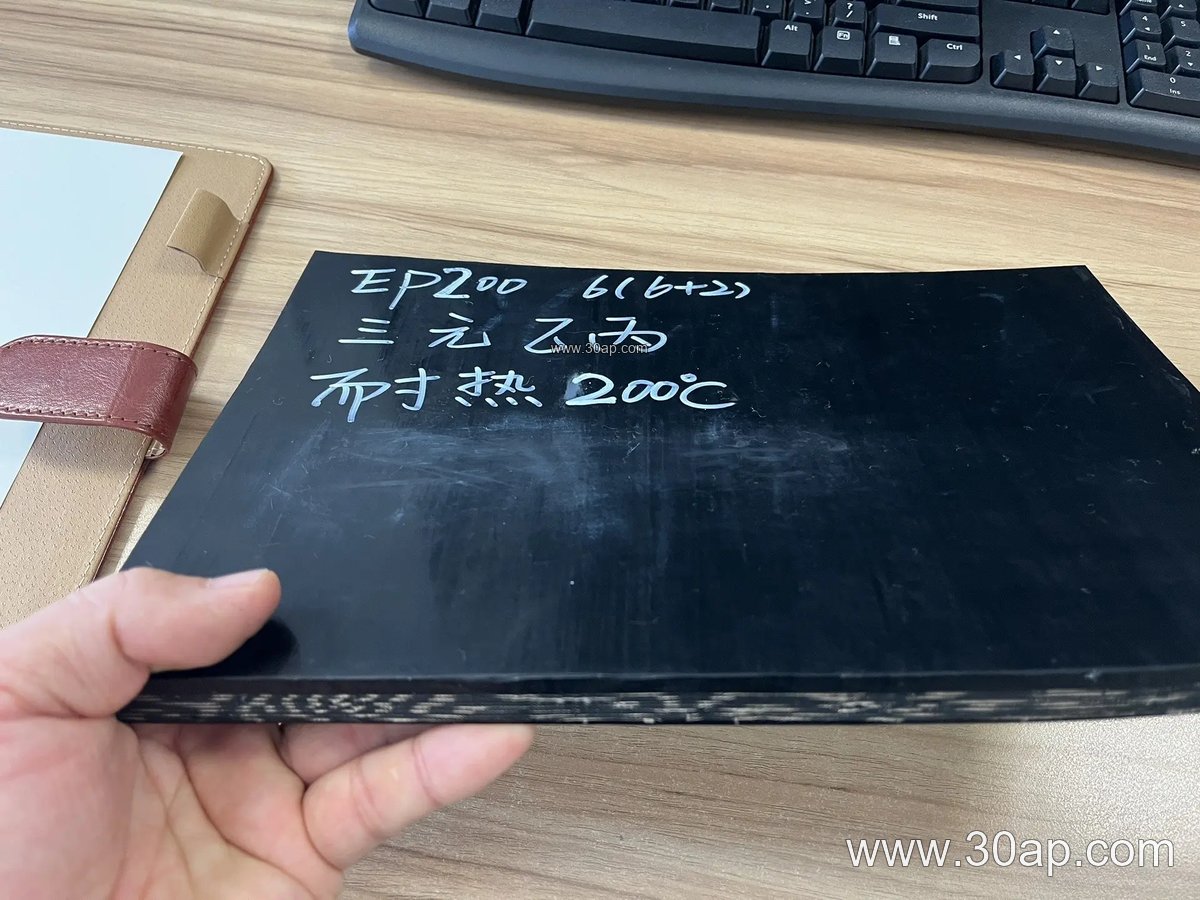
Typical strength designations run from EP200 and EP315 through EP400, EP500, EP630, EP800, EP1000, EP1250, EP1600 and EP2000. These numbers describe the nominal tensile strength of the carcass per unit width and should be confirmed against the actual conveyor design. Belt widths are commonly quoted in B500, B650, B800, B1000, B1200, B1400, B1600, B1800 and B2000, and wider belts can be discussed with the manufacturer for specific projects.
| Parameter | Typical Reference Range |
|---|---|
| Carcass type | EP fabric, 2 to 6 plies |
| Strength grades | EP200, EP315, EP400, EP500, EP630, EP800, EP1000, EP1250, EP1600, EP2000 |
| Belt width | B500, B650, B800, B1000, B1200, B1400, B1600, B1800, B2000 |
| Cover thickness | 3+1.5, 4+2, 5+2, 6+2, 8+3 mm |
| Surface forms | Plain, chevron, skirted, corrugated sidewall |
Where EP Belts Are Used
These belts fit a wide range of bulk handling lines. In a quarry conveyor belt or aggregate conveyor belt, the EP carcass carries crushed stone from a crusher conveyor belt to screening stations. In a cement plant conveyor belt, they move clinker, limestone and additives. Power plant conveyor belt systems use them for coal and ash, while port conveyor belt and ship loading conveyor belt operations rely on them for grain, ore and fertilizer. Sand making plant conveyor belt and stone crushing conveyor belt circuits also use EP belts because the fabric core absorbs impact reasonably well.
For underground work, a flame retardant conveyor belt or fire resistant conveyor belt grade may be specified, and anti-static properties are often requested alongside. Mining conveyor belt users in coal mining conveyor belt and underground coal mining conveyor belt service usually need both flame retardancy and anti-static behaviour, and those requirements should be written into the purchase specification rather than assumed.
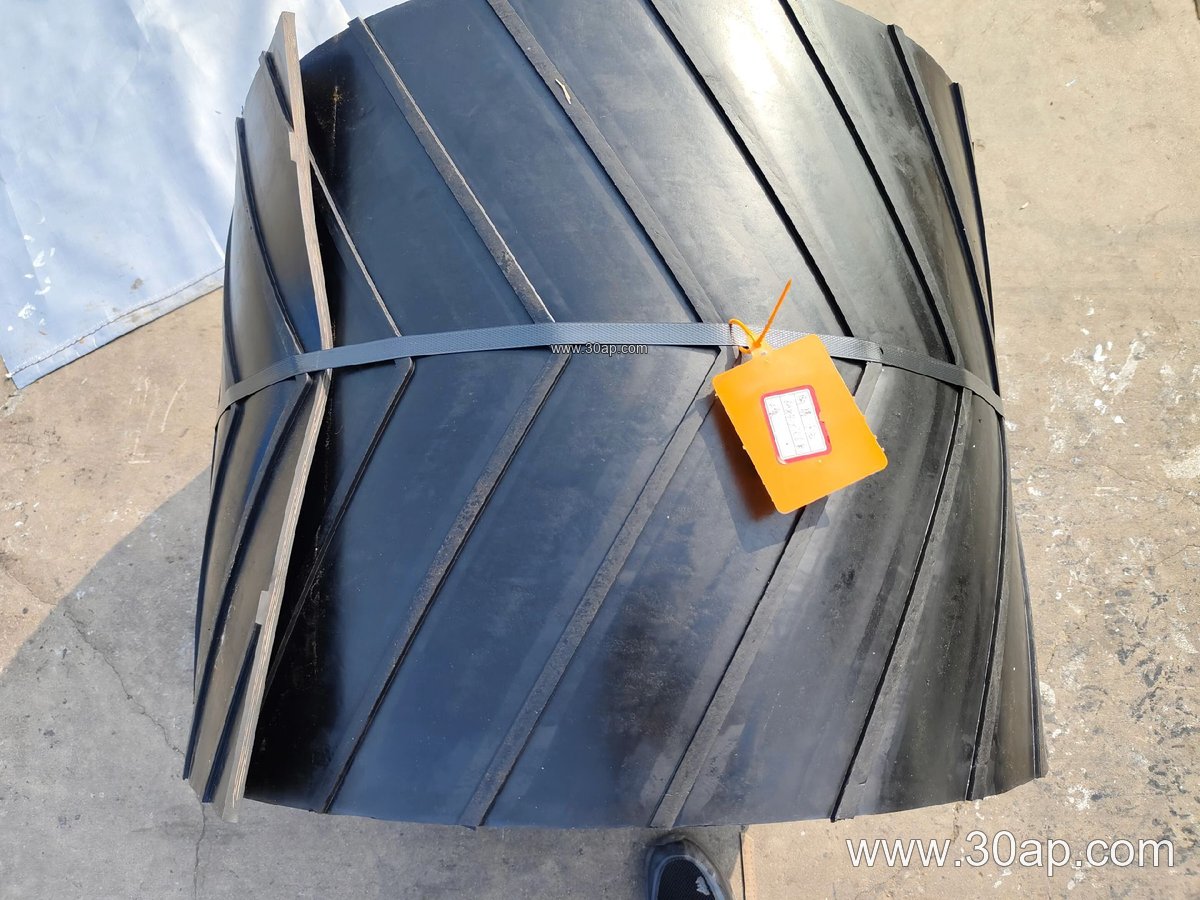
Other working conditions lead to other cover compounds. A heat resistant conveyor belt grade suits hot clinker or sinter, an oil resistant conveyor belt grade handles oily scrap or vegetable oil, and an abrasion resistant conveyor belt grade is common in iron ore conveyor belt and copper ore conveyor belt duty. Cold resistant, acid resistant and chemical resistant versions exist for special environments. Chevron conveyor belt, skirted conveyor belt, corrugated sidewall conveyor belt and pipe conveyor belt constructions are separate surface forms of the same fabric core family and are chosen for incline, spillage control or enclosed transport.
Selection and Use Notes
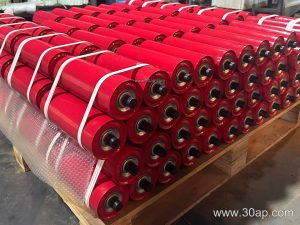
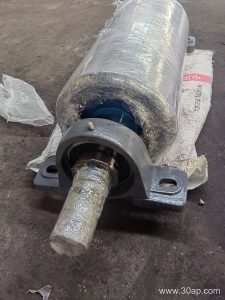
Belt width, strength grade and cover thickness should follow the conveyor design, not a catalogue default. A 1200mm wide conveyor belt is not automatically matched to one pulley diameter; the drive pulley, tail pulley and bend pulleys are sized from the belt tension, wrap angle and shaft loads. Do not derive a shaft diameter from belt width alone. The same applies to idler roller spacing and conveyor bracket layout, which depend on load, sag limits and belt stiffness.
- Check the actual duty: material size, lump weight, temperature, oil exposure and moisture.
- Confirm the required strength grade and number of plies with the conveyor designer.
- Match cover thickness to impact and abrasion, not to habit.
- Review pulley diameters, take-up travel and belt splice method together.
- For inclined lines, consider a chevron or corrugated sidewall form instead of a plain belt.
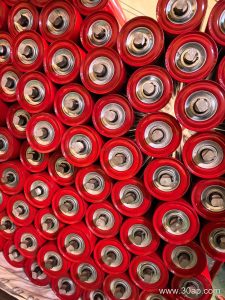
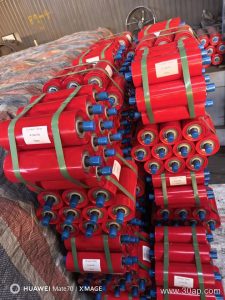
- Keep idler roller alignment and conveyor pulley condition in the maintenance plan to avoid edge damage.
An EP rubber conveyor belt is a dependable workhorse for mining, cement, power, quarry and port operations when the carcass, covers and conveyor hardware are selected as one system. Buyers who compare EP fabric core belts with NN conveyor belt, PVC conveyor belt or steel cord conveyor belt options on the same duty data will usually get a clearer, more cost-effective specification.