What a Conveyor Carrying Bracket Does
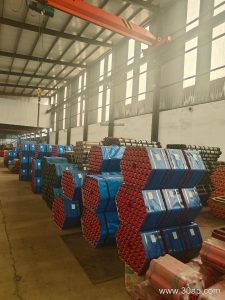
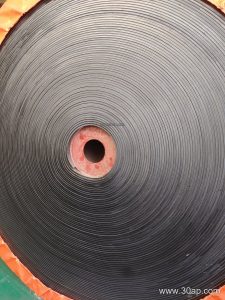
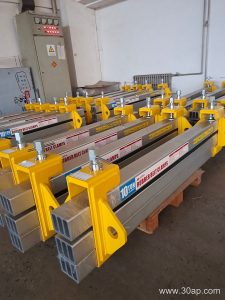
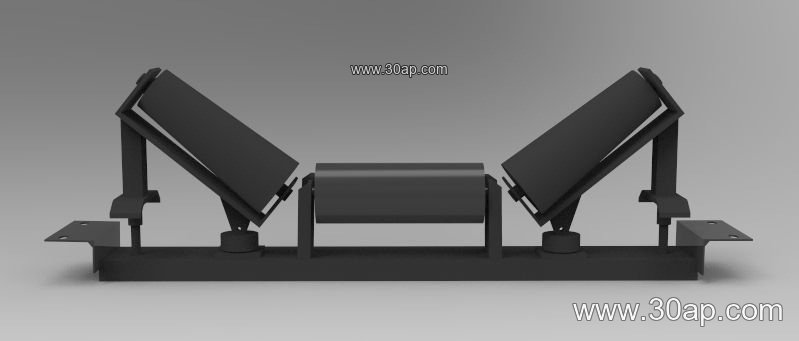
A conveyor carrying bracket is the structural support that holds the carrying idlers in place on the load-carrying side of a belt conveyor. It sets the trough angle, keeps the idler rolls at the correct spacing, and transfers the weight of the belt and material into the conveyor frame. In a quarry, cement plant, or power plant coal yard, these brackets are the quiet workhorses that determine how well the belt is supported between the head and tail pulleys. Without a properly matched carrying bracket, even a high-quality EP conveyor belt or steel cord conveyor belt will run poorly and wear faster.
How the Carrying Bracket Is Built
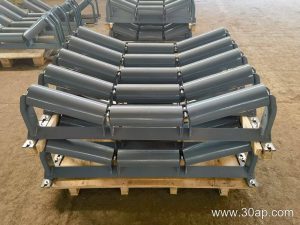
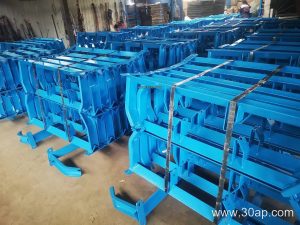
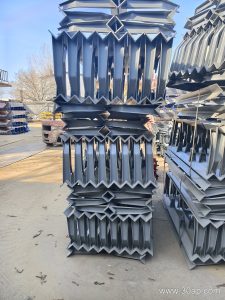
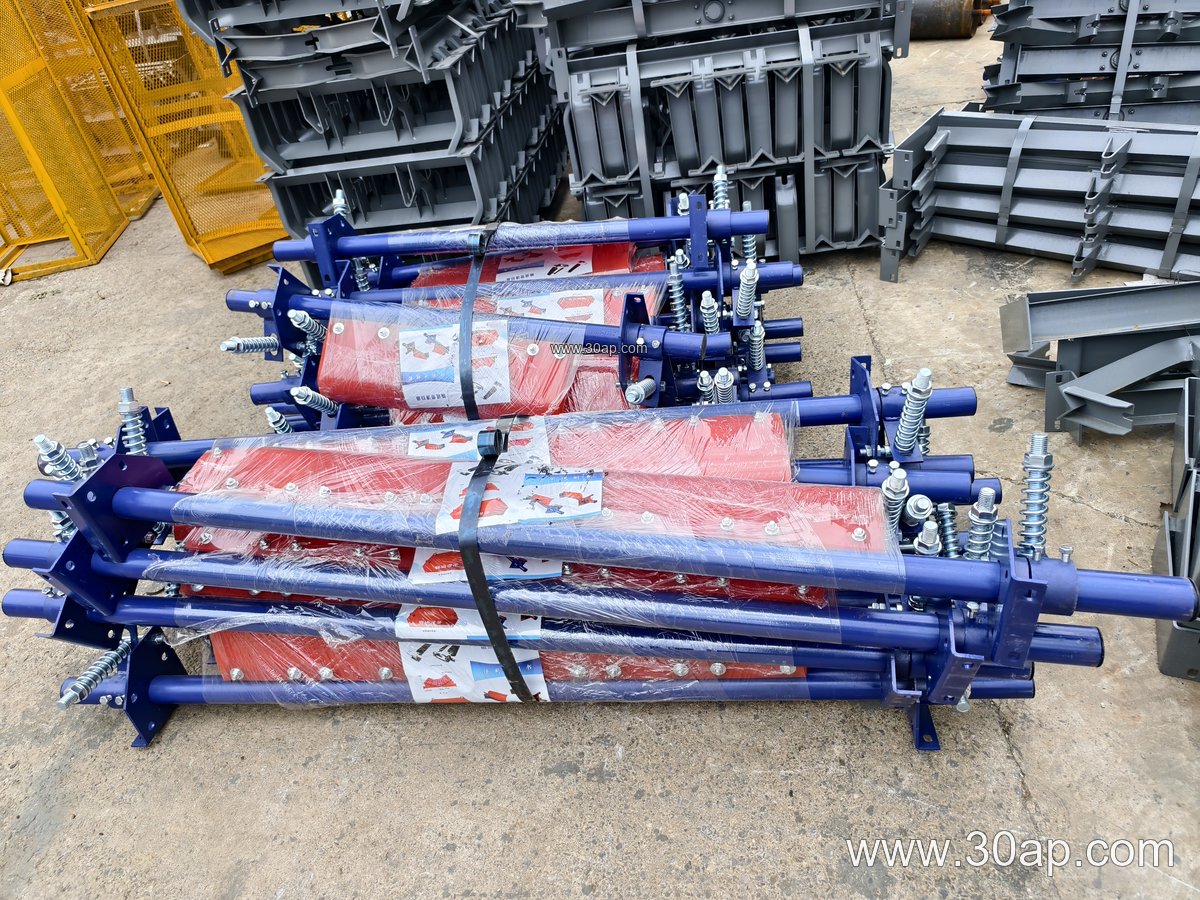
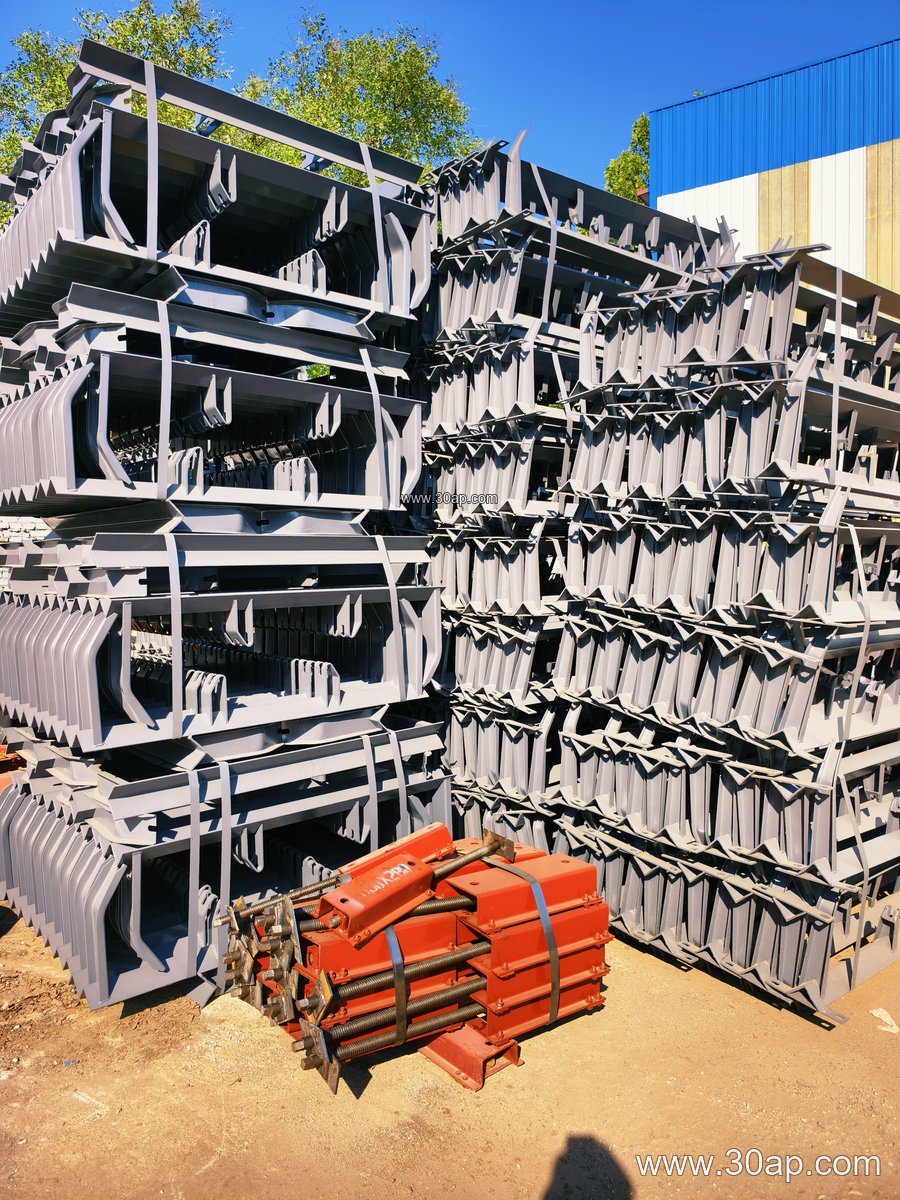
Most carrying brackets are fabricated from angle steel, channel steel, or folded steel plate. The bracket consists of a cross beam and mounting arms that hold the idler shafts at a fixed or adjustable trough angle. Common surface treatments include painting or galvanizing, depending on the environment. In dusty or wet conditions such as a wash plant or underground coal mining conveyor, the bracket design should allow material to shed rather than build up. The bracket is bolted to the conveyor stringer or frame, and the mounting hole spacing and beam length are determined by belt width and trough angle, not by a single universal dimension.
Common Types and Where They Fit
Carrying brackets are not one-size-fits-all. The main types include:
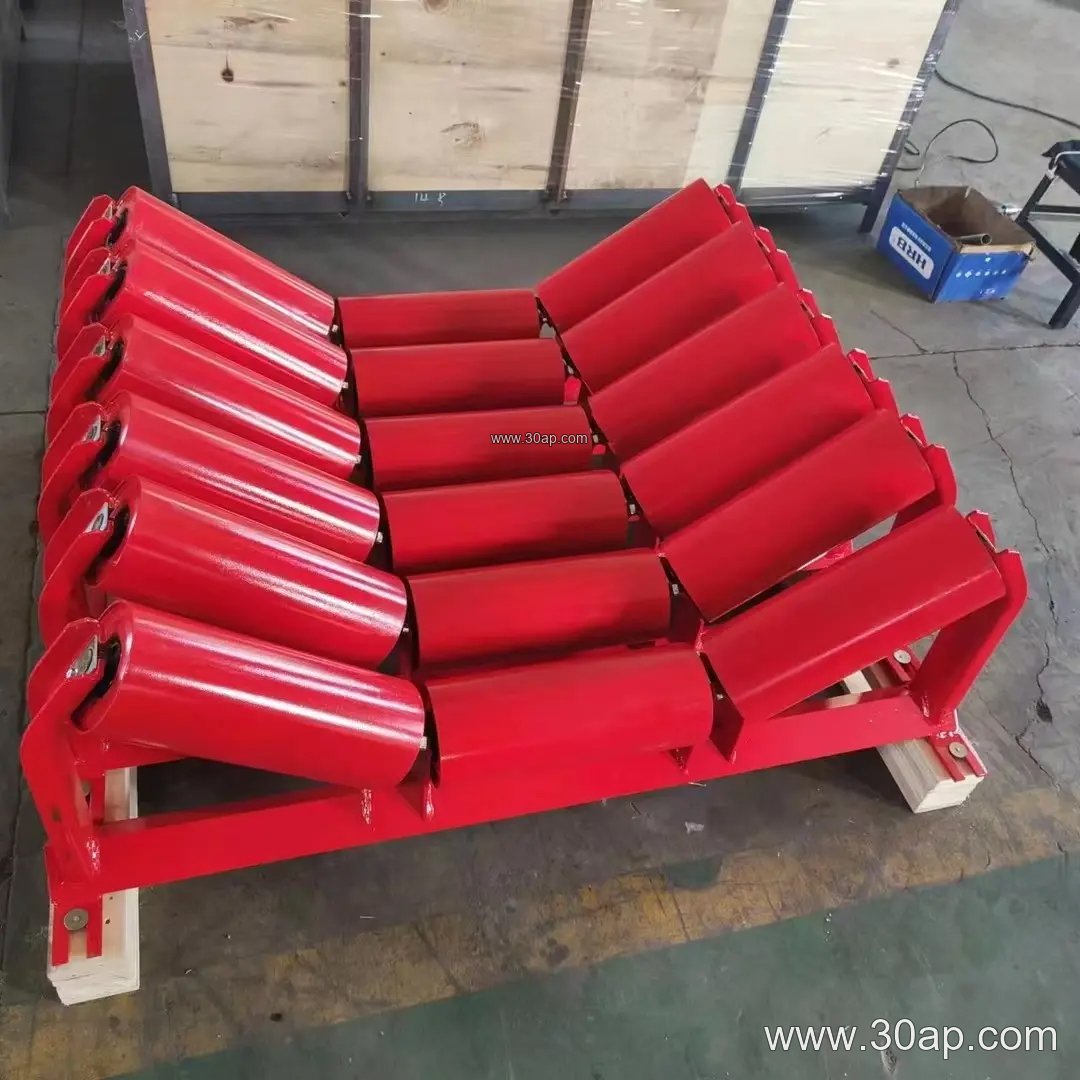
- Trough carrying bracket – the standard upper bracket that holds three idlers at a trough angle, usually 20°, 30°, 35°, or 45°.
- Transition bracket – used near the head and tail pulleys to gradually change the belt from flat to troughed, reducing edge stress.
- Impact bracket – fitted with cushioning idlers under the loading point to absorb the drop energy of lump material.
- Self-aligning bracket – used on the carrying side to help correct belt misalignment.
- Adjustable bracket – allows the trough angle to be changed on site, useful when a conveyor handles different materials.
Return-side brackets, such as flat return or V-return brackets, are a separate group and should not be confused with the carrying bracket. Likewise, a bend pulley or tail pulley is not a bracket and serves a different function in the conveyor system.
Matching Bracket, Belt, and Idler
The carrying bracket must suit the belt width and the idler diameter. Common belt widths range from B500 to B2200, and common idler diameters include Ø89, Ø108, Ø133, Ø159, and Ø194. A typical combination might be B800 with a 35° trough angle and Ø108 idlers, or B1200 with a 45° trough angle and Ø133 idlers. These are examples only; the final choice depends on material lump size, belt speed, and load. A wider belt does not automatically require a larger idler, and one belt width can work with more than one trough angle. The bracket should also be checked against the belt type, whether it is a heavy-duty mining conveyor belt, a heat resistant conveyor belt in a cement kiln area, or a flame retardant conveyor belt in a coal handling system.
Installation and Maintenance Notes
Proper installation keeps the carrying bracket square to the conveyor centerline. Bolts should be tightened to the recommended torque, and the bracket should sit flat on the stringer without gaps. In sand and gravel plants, checking for worn idler shafts and loose brackets during routine walks helps prevent belt edge damage. If the bracket is adjustable, record the set trough angle so that it can be restored after maintenance. Spare brackets should match the original mounting dimensions; do not assume that a bracket from a different belt width will fit.
Buyer Checklist
Before ordering, confirm the belt width, trough angle, idler diameter, mounting hole spacing, and frame type. Ask for the material and surface finish, especially for outdoor or corrosive sites. For a quarry conveyor or crusher conveyor, impact brackets at the load zone are often worth specifying. For a port or ship loading conveyor, consider brackets that resist salt-laden air. The carrying bracket is a small component, but it directly affects belt tracking, idler life, and the overall reliability of the conveyor line.