What a Conveyor Ceramic Lagged Pulley Does
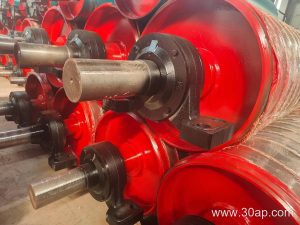
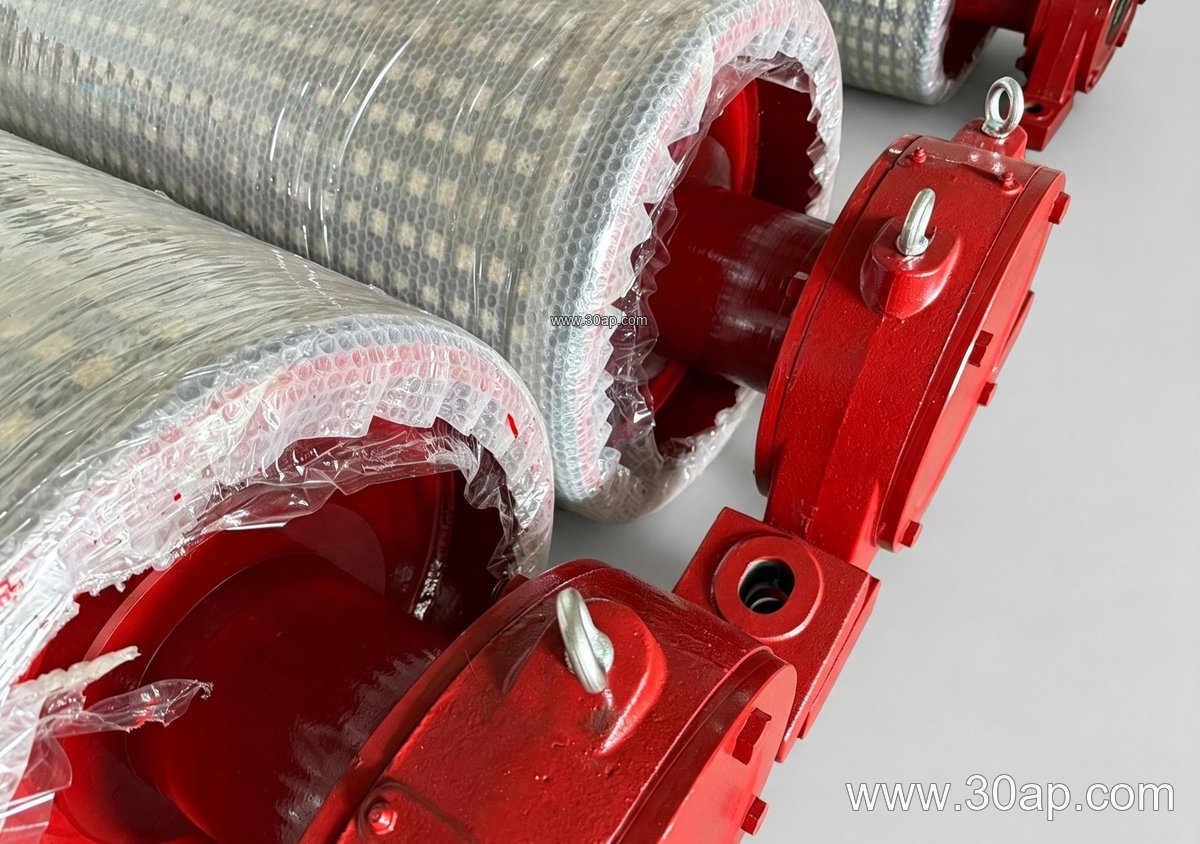
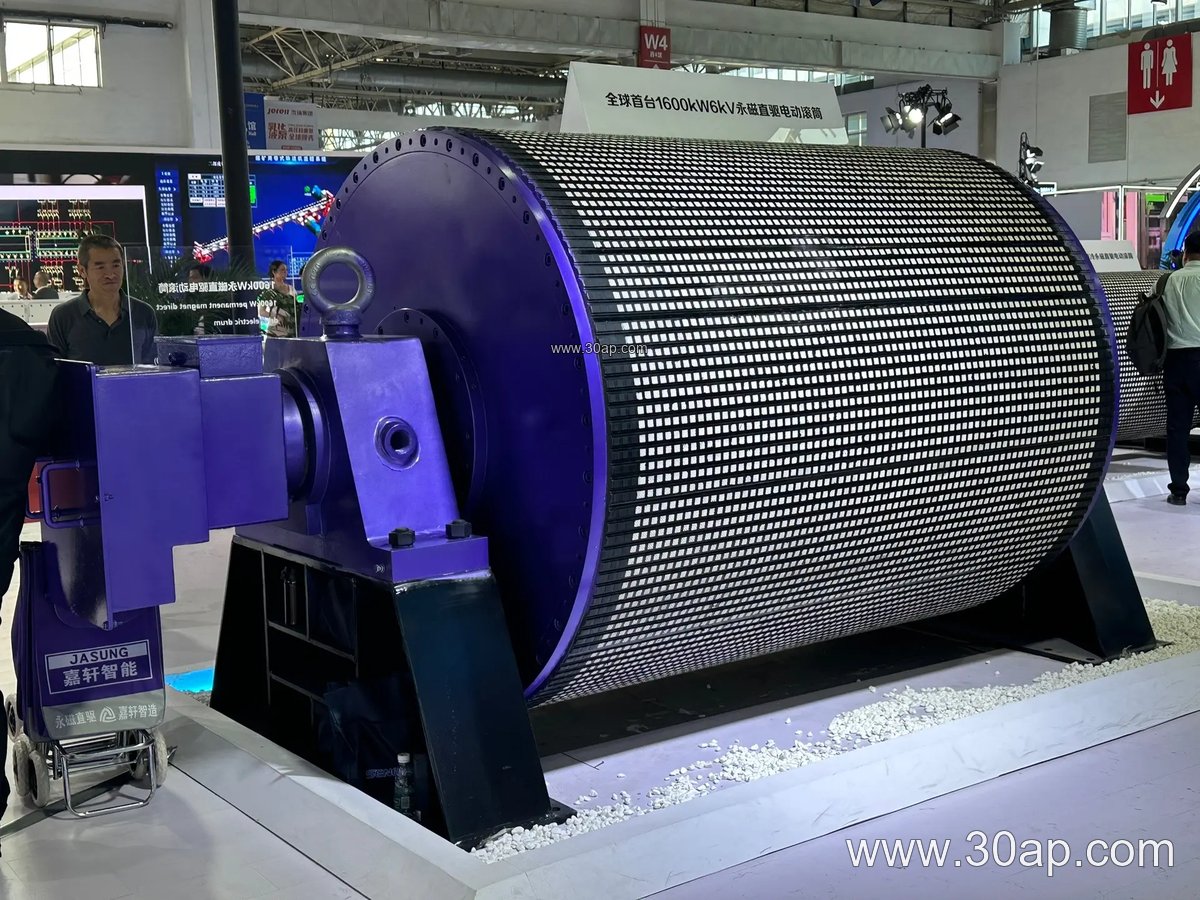
A conveyor ceramic lagged pulley is a drive or tail pulley whose shell is covered with ceramic tiles set in a rubber matrix. The ceramic studs bite into the conveyor belt cover, raising the coefficient of friction between pulley and belt. That extra grip matters most where the belt carries heavy bulk material and the pulley must transmit high torque without slip. In quarry and aggregate lines, a ceramic lagged pulley often works alongside an abrasion resistant conveyor belt to keep the drive steady under wet, dusty conditions.
The same product is also called a ceramic lagging pulley or ceramic rubber lagged pulley. It is not a substitute name for a drive pulley, tail pulley or bend pulley; those are positions on the conveyor, and a ceramic lagged pulley can serve at the drive or tail position depending on the design.
How the Ceramic Lagging Is Built
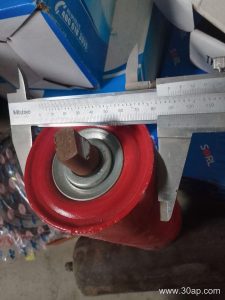
The lagging is usually applied as tiles or strips bonded to a prepared pulley shell. Ceramic buttons protrude slightly above the rubber, so water and fines can escape from under the belt instead of building a slippery film. Common lagging thicknesses are 8, 10, 12, 15 and 20 mm, chosen by belt tension and pulley diameter. The shell itself may be welded steel, and the shaft is sized by torque and load, not by belt width alone. A typical assembly includes the pulley shell, lagging, shaft, bearings, and conveyor bracket or bearing housing.
- Ceramic tile grade and protrusion height affect grip and wear life.
- Rubber matrix hardness influences cleaning and vibration.
- Lagging thickness is matched to pulley diameter and belt tension.
- Shaft diameter is confirmed from drive torque and radial load.
Where It Fits in the Conveyor
Ceramic lagging is most often specified for the drive pulley, where slip risk is highest, and for tail pulleys in wet or muddy service. It also appears on bend and tension pulleys when belt wrap is low and tracking is difficult. In a coal mining conveyor belt system, a ceramic lagged drive pulley can improve starting performance, but it must be paired with a suitable flame retardant conveyor belt and correctly tensioned take-up. In a cement plant or power plant coal yard, the same pulley type helps maintain grip when dust and moisture reduce friction.
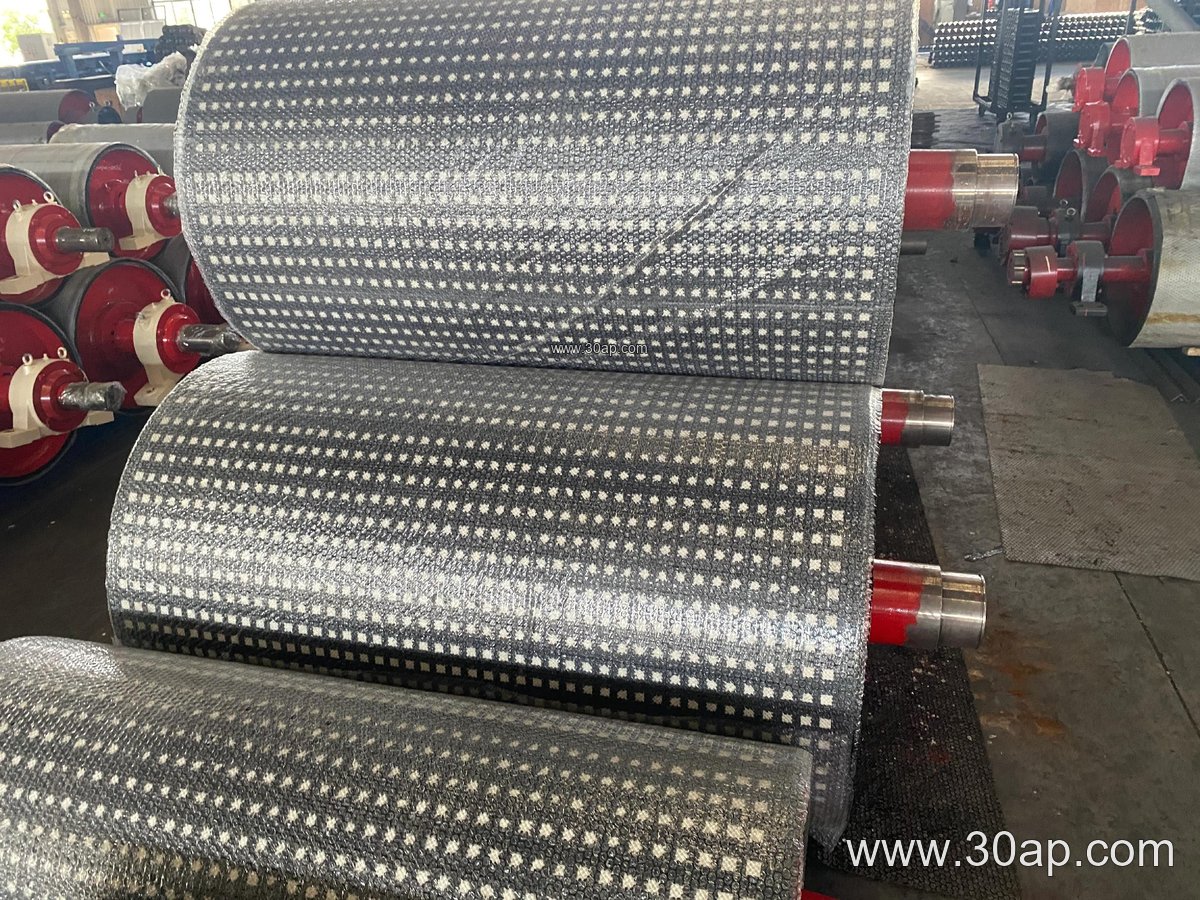
Because ceramic lagging is harder than plain rubber, it is not always the best choice for every pulley. A smooth rubber lagged pulley may suit a light-duty line where belt cover wear is a concern. The ceramic version is generally selected where slip, wet conditions, or high starting torque are the dominant problems.
Matching Pulley, Belt and Duty
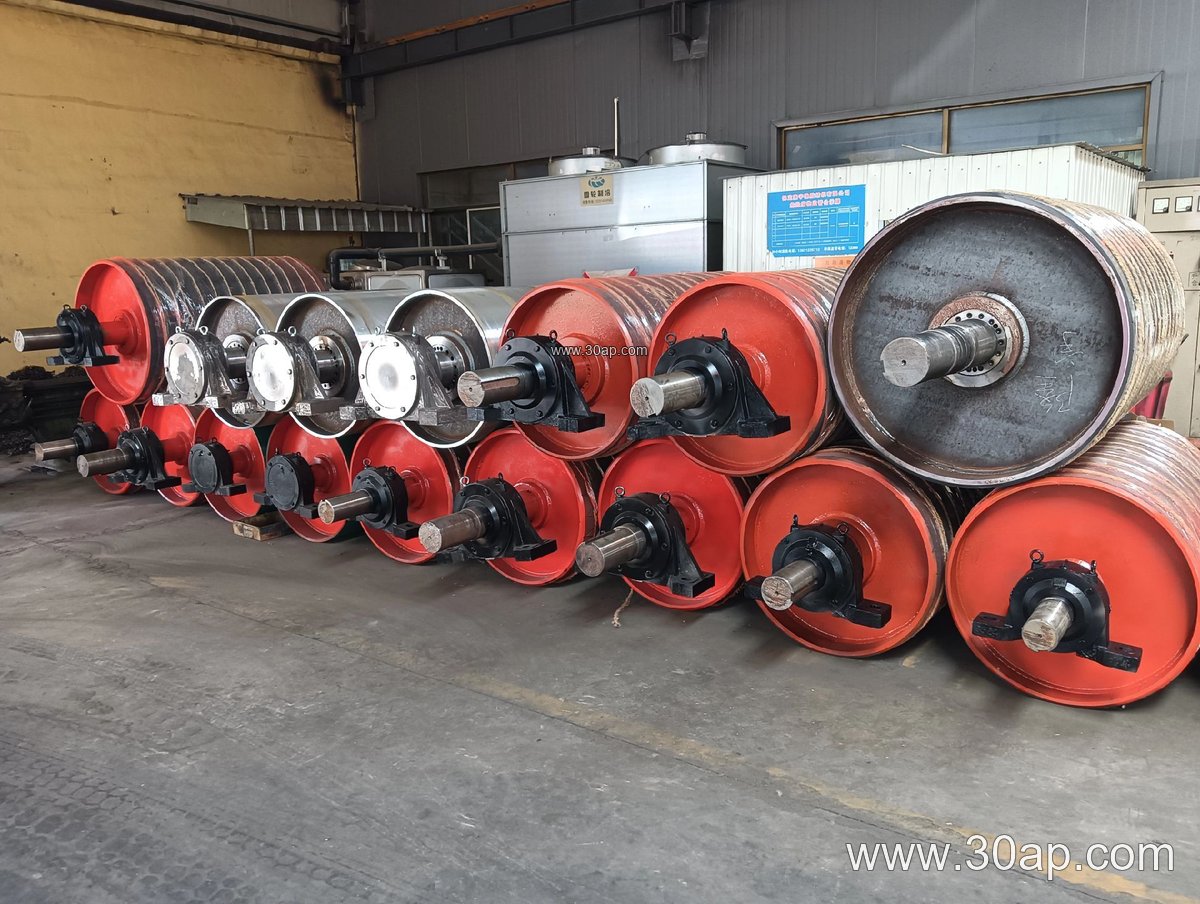
Selection starts with the conveyor duty: belt width, belt speed, material, and the required torque at the drive. A B800 conveyor may use a Ø500 pulley in one layout and a larger diameter in another; the pair is not fixed. Common combinations such as B800 × Ø500, B1200 × Ø1000, or B1400 × Ø800 appear in design drawings, but each must be checked against shaft load and bearing capacity. Pulley face width is usually wider than the belt, for example about 950 mm for B800 and about 1400 mm for B1200.
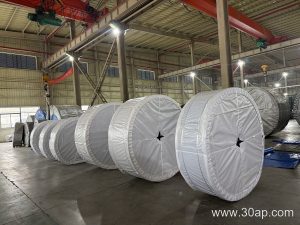
The belt itself matters. A steel cord conveyor belt tolerates higher tension and often pairs with a larger drive pulley, while an EP conveyor belt or multi-ply fabric core conveyor belt may use a smaller diameter. In underground coal mining, a PVG conveyor belt or PVC mining conveyor belt may be used, and the pulley lagging should be compatible with the belt cover and the fire safety requirements of the mine.
Buyer Checklist
- Confirm the pulley position: drive, tail, bend, tension or snub.
- State belt width, belt type and belt speed.
- Provide drive torque and radial load so shaft diameter can be verified.
- Choose lagging thickness and ceramic pattern for the duty.
- Check pulley face width against belt width and troughing transition.
- Confirm bearing type, bracket dimensions and balancing class.
- Review belt cover grade, including abrasion resistant, heat resistant or oil resistant conveyor belt where relevant.
For a reliable result, share the conveyor layout with the pulley supplier. The right ceramic lagged pulley is the one that matches the belt, the load and the environment, not simply the largest diameter on the shelf.