What a Coal Mine Belt Conveyor Pulley Does Underground
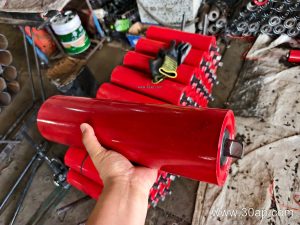
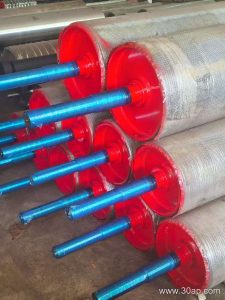
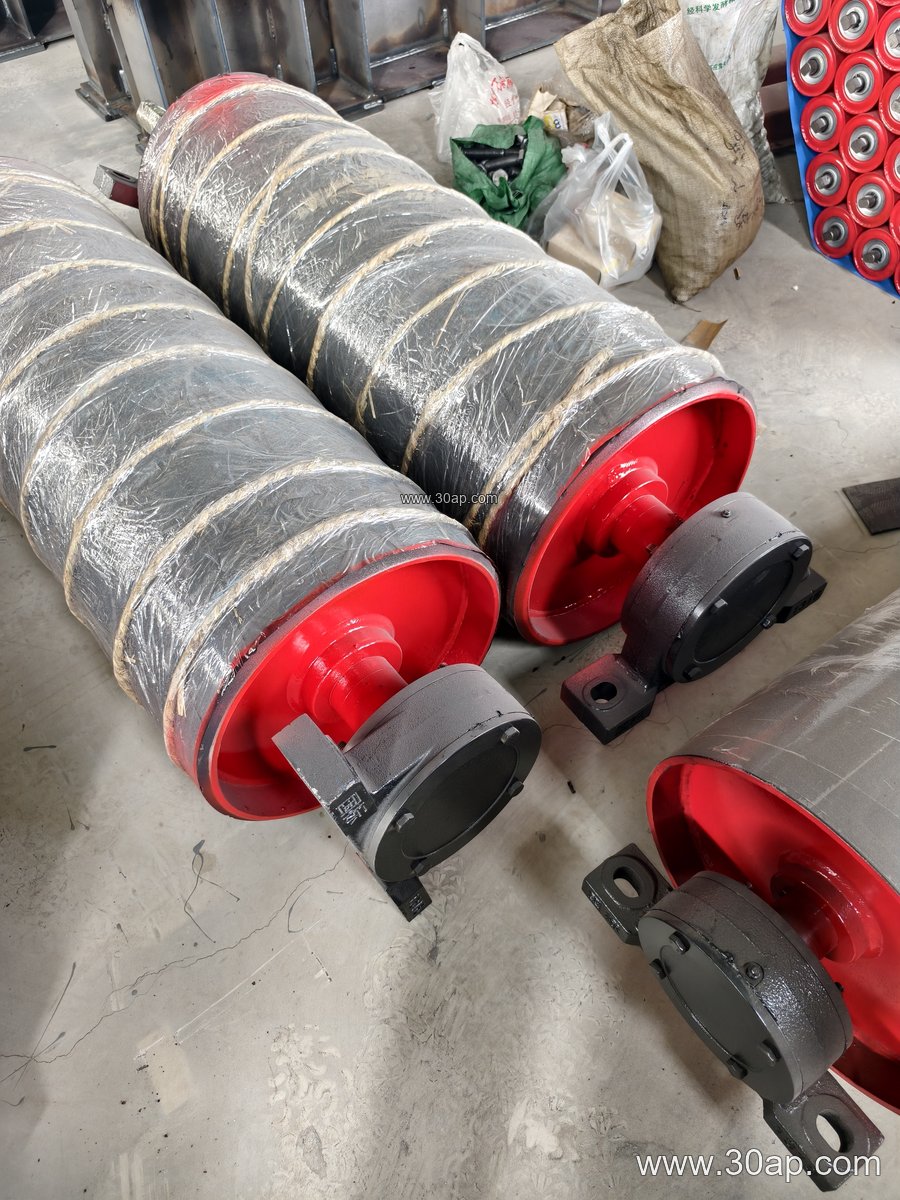
In an underground coal mining conveyor system, the pulley is the component that redirects and drives the conveyor belt. Unlike a simple idler roller that supports the belt along its route, a coal mine belt conveyor pulley carries the full tension of the belt and must be built to handle constant abrasion, coal dust, and often flame-retardant requirements. The drive pulley, also called the head pulley, transmits power from the gearbox to the belt through friction. The tail pulley at the loading end keeps the belt tracking, while bend pulleys and take-up pulleys manage tension and direction changes along the run.
This article focuses on the drive, tail, and bend pulleys used in coal mining conveyors, with notes on construction, surface options, and practical buyer considerations. A flame retardant conveyor belt or fire resistant conveyor belt is commonly paired with these pulleys to meet underground safety expectations, but the pulley itself must also be specified with care.
Construction and Surface Options
A typical coal mine belt conveyor pulley consists of a steel shell, shafts, hubs, and end discs, often with a lagging surface to improve grip. The lagging choice depends on the duty. Plain steel shells are used in some bend positions, while drive pulleys usually receive rubber lagging in a smooth, diamond, or herringbone pattern. Diamond lagging helps shed water and fines; herringbone lagging improves traction and lateral belt control. Ceramic lagging is chosen where slip and wear are severe, though it is less common in coal faces than in high-tonnage iron ore or copper ore operations.
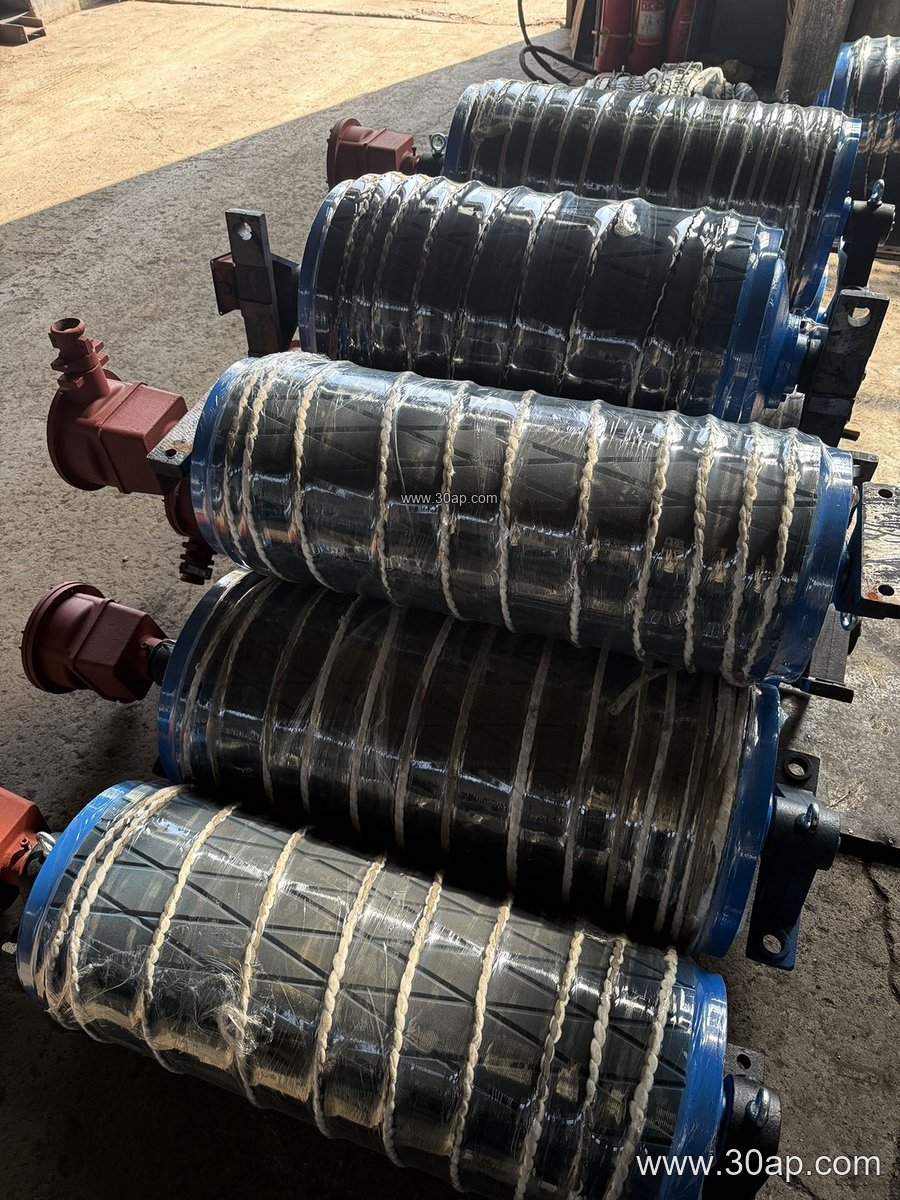
Common lagging thicknesses include 8, 10, 12, 15, and 20 mm. The shell diameter and face width are selected together with the belt width, but there is no single mandatory pairing. For example, a B800 conveyor might use a Ø500 drive pulley in one mine and a Ø630 in another, depending on belt tension, speed, and shaft load. Shaft diameters such as Ø80, Ø100, or Ø120 are determined by torque and bearing load, not by belt width alone.
Reference Dimensions for Coal Mine Pulleys
The following table shows common pulley face widths relative to belt width. These are reference values, not universal supply promises.
| Belt Width | Typical Pulley Face Width | Example Diameter Range |
|---|---|---|
| B650 | about 750 mm | Ø315 to Ø500 |
| B800 | about 950 mm | Ø400 to Ø630 |
| B1000 | about 1150 mm | Ø500 to Ø800 |
| B1200 | about 1400 mm | Ø630 to Ø1000 |
| B1400 | about 1600 mm | Ø800 to Ø1250 |
| B1600 | about 1800 mm | Ø1000 to Ø1400 |
Note that a B1200 × Ø1000 drive pulley and a B1200 × Ø800 tail pulley may appear on the same conveyor. The head and tail positions serve different functions, so their diameters need not match.
Where These Pulleys Are Used
Coal handling circuits in power plants and coal preparation plants rely on heavy-duty pulleys to move raw coal from stockpiles to crushers and boilers. In underground coal mining, flame retardant conveyor belts such as PVG800S or PVG conveyor belt grades run over pulleys that must resist static buildup; an anti-static conveyor belt works with a properly grounded pulley frame. At the surface, a coal conveyor belt on a long overland run may use steel cord conveyor belt or EP conveyor belt construction, and the drive pulley is sized for the higher tension that these belts carry.
Other industries use similar pulleys but with different demands. A quarry conveyor belt or aggregate conveyor belt system in a sand making plant often runs abrasion resistant conveyor belt grades over pulleys with thick rubber lagging. A cement plant conveyor belt moving clinker may need heat resistant conveyor belt compatibility and a pulley that can tolerate warm fines. In a port ship loading conveyor belt, wide belts such as 1800mm wide conveyor belt or 2000mm wide conveyor belt require large face-width pulleys and careful shaft design.
Buyer Checklist for Coal Mine Pulley Selection
- Confirm the pulley position: drive, tail, bend, take-up, or snub. These are not interchangeable, and each has different load and lagging needs.
- Match the pulley face width to the belt width with a margin, as shown in the table above.
- Specify lagging type and thickness based on slip risk, water, and coal fines. Rubber lagging in diamond or herringbone pattern is common for drives.
- Provide the belt tension and speed so the shaft diameter can be calculated from torque and bearing load.
- State the conveyor belt type, such as EP1000, NN300, or ST1250, because belt modulus affects the required pulley diameter and shaft size.
- Check compatibility with flame retardant conveyor belt, fire resistant conveyor belt, or anti-static conveyor belt requirements in underground coal mining.
- Review the pulley bracket and bearing housing arrangement with the conveyor frame and idler roller positions.
For coal mine operators, a well-specified coal mine belt conveyor pulley reduces belt slip, extends lagging life, and keeps the underground coal mining conveyor belt running smoothly. Buyers should treat catalog dimensions as starting points and confirm final sizes with the conveyor designer, since belt width alone does not determine pulley diameter or shaft size.