What Is a Conveyor Return Idler?
A conveyor return idler is the roller assembly that supports the empty, returning strand of a conveyor belt. Unlike the carrying idlers on the top run, return idlers hold the belt up on its way back to the tail pulley, preventing sag and keeping the belt aligned. In a quarry, cement plant, or coal handling system, these components are often the quiet workhorses that determine how smoothly the entire conveyor line runs. A well-chosen return idler reduces belt wear, lowers energy consumption, and minimizes spillage.
Construction and Common Forms
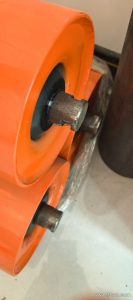
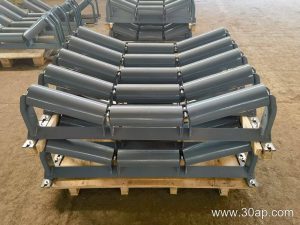
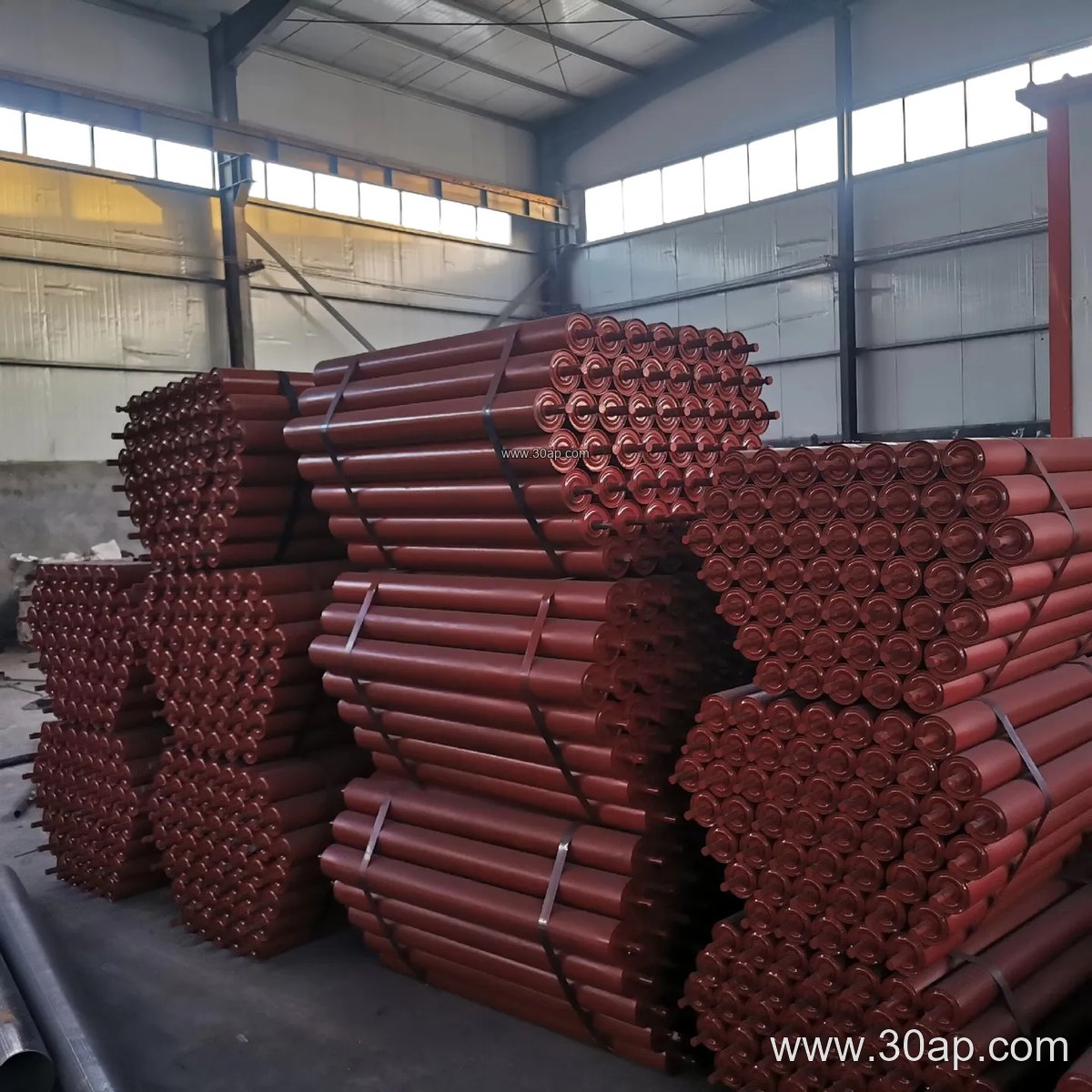
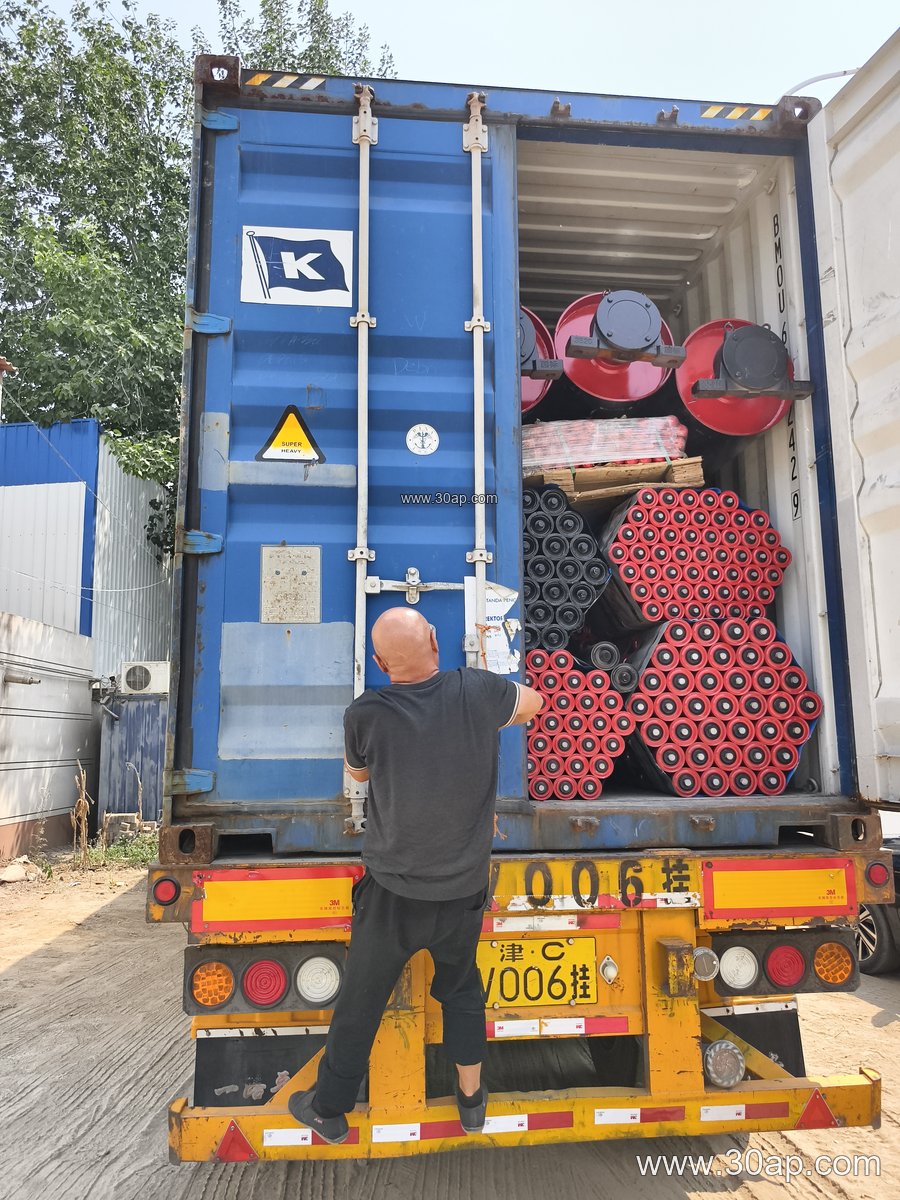
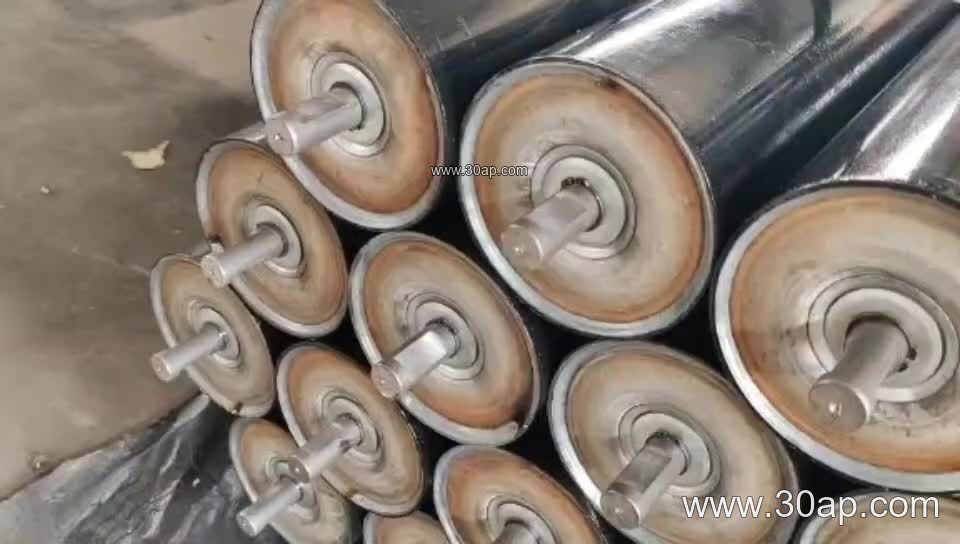
Most return idlers share a simple build: a steel tube shell, bearing housings at each end, a shaft, and a sealing arrangement. The roller surface can be plain steel, nylon, or covered with rubber rings for gentle contact. The table below shows typical configurations; actual dimensions depend on belt width, load, and conveyor design.
| Form | Common Roller Diameter (mm) | Typical Belt Width Range | Notes |
|---|---|---|---|
| Flat return idler | Ø89, Ø102, Ø108, Ø127 | B500–B1200 | Single roller, supports belt center |
| V-return idler | Ø89, Ø108, Ø133 | B650–B1400 | Two rollers at an angle, aids belt tracking |
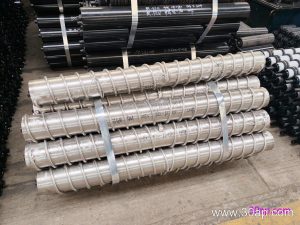
| Spiral return idler | Ø108, Ø127, Ø159 | B800–B1600 | Helical surface helps shed sticky material |
Bearing sizes such as 6204, 6205, 6305, 6306, 6308, and 6310 are common, but the bearing is selected together with the shaft and housing, not by belt width alone. Sealing quality matters enormously in dusty environments like a stone crushing line or a power plant coal yard. Labyrinth seals and contact seals are both used; the buyer should confirm the seal type suits the local conditions.
Where Return Idlers Are Used
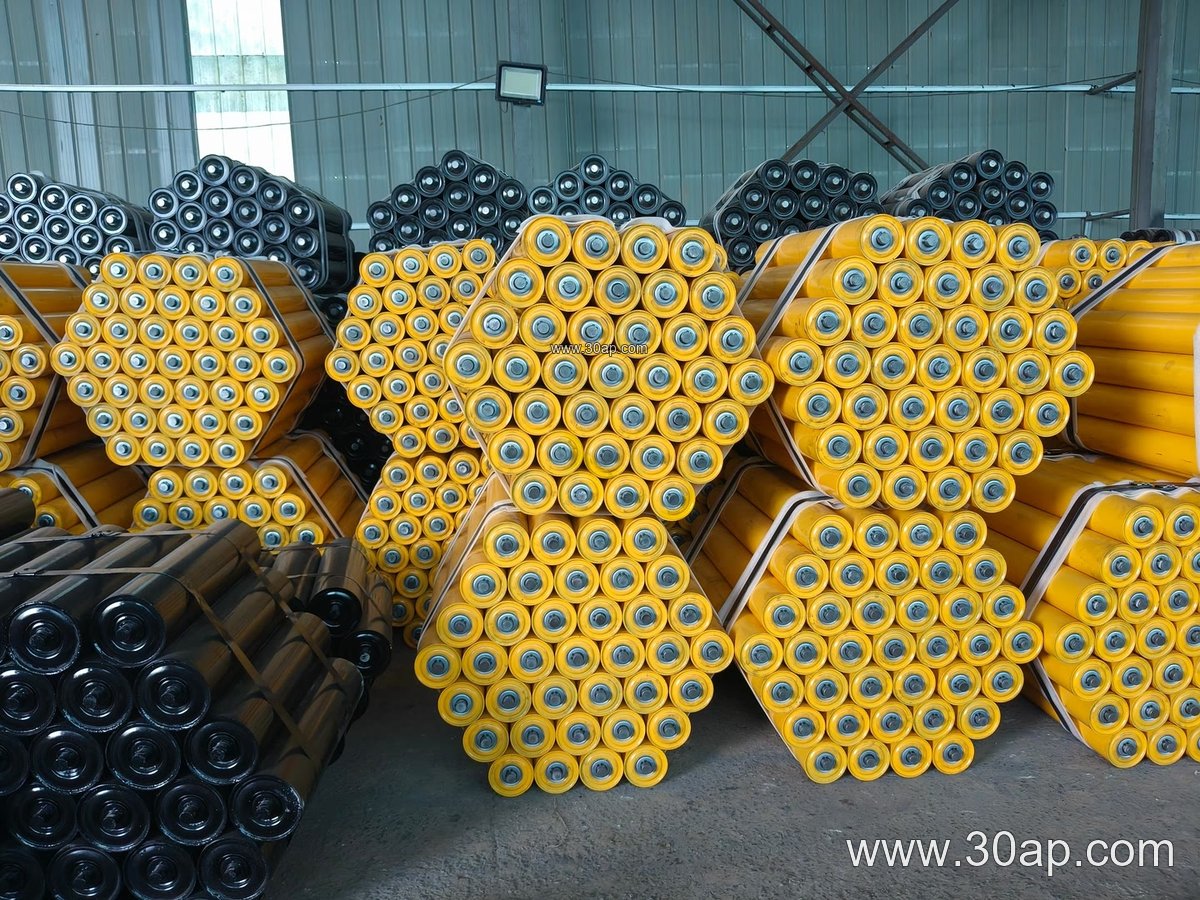
You will find return idlers on almost every belt conveyor, but the operating conditions vary widely. In a sand and gravel plant, abrasive dust attacks the seals. In a cement plant, fine powder can pack around the roller ends. In a coal washing plant, moisture and fines may build up on the return side. A spiral return idler is often chosen where material carryback is a problem, while a flat or V-return idler is standard on cleaner runs. The return idler works together with the conveyor belt, the drive pulley, and the conveyor bracket system, so alignment across the whole frame is important.
Choosing the Right Return Idler
Start with the belt width and the expected load on the return strand. The return idler does not carry the full material load, but it must support the belt weight plus any carryback. Roller diameter should be large enough to keep rotational speed reasonable; for high-speed conveyors, a larger diameter such as Ø133 or Ø159 may be preferred. Check the shaft diameter and bearing series against the actual load calculation, not against a rule of thumb. For a 1200mm wide conveyor belt, return idlers with Ø127 or Ø133 rollers and 6306 or 6308 bearings are frequently seen, but this is not a fixed rule. The conveyor pulley at the tail end and the return idler spacing should be reviewed together to avoid belt sag between supports.
Maintenance Points for Long Service
- Inspect for seized bearings, which often show as a polished or blued shaft end.
- Check that the return idler rotates freely by hand during scheduled shutdowns.
- Look for material buildup on the roller surface, especially in cement or fertilizer plants.
- Verify that the idler frame is square to the belt; a skewed return idler can cause tracking problems.
- Replace worn rubber rings on impact or return rollers before the belt is damaged.
In an underground coal mining conveyor, flame retardant properties of the belt are critical, but the return idler itself should also be selected for the fire risk category of the installation. Similarly, a heat resistant conveyor belt may require return idlers with heat-tolerant seals and lubricant if the return strand carries residual heat.
Buyer Checklist
Before ordering, confirm the belt width (for example 650mm, 800mm, 1000mm, or 1200mm), the return idler form, roller diameter, shaft diameter, bearing number, and sealing type. Ask for the roller length and the frame dimensions. For a quarry conveyor belt or an aggregate conveyor belt, specify the expected dust and moisture level. For a steel cord conveyor belt or a heavy-duty mining conveyor belt, the return idler must handle higher belt tension and weight. If the conveyor uses an EP conveyor belt or a multi-ply fabric core conveyor belt, the return idler spacing may differ from a steel cord installation. Always request dimensional drawings and verify against the existing conveyor bracket and pulley positions. A small mismatch in shaft size or frame height can cause expensive downtime.
For more information on compatible conveyor components, visit our site at www.example.com/conveyor-return-idler or www.example.com/conveyor-pulley. The right return idler, matched to the belt and the environment, keeps the whole system running quietly and efficiently.