What a Vertical Idler Bracket Does
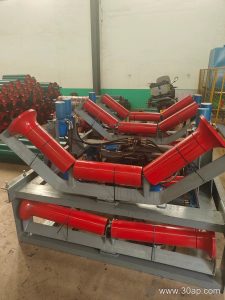
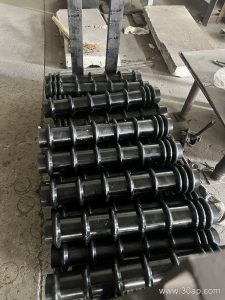
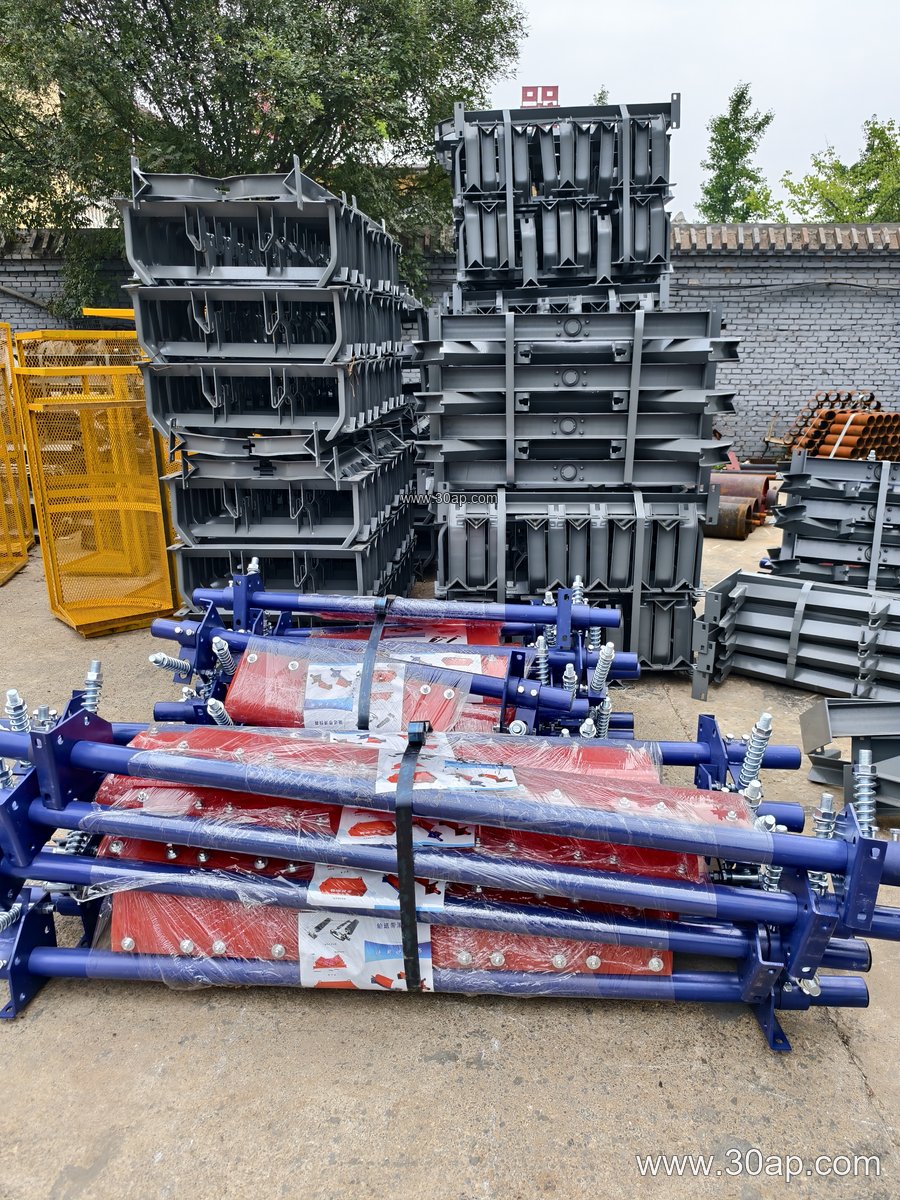
A vertical idler bracket is the upright support that positions and holds a conveyor idler roller in line with the belt path. In troughing and transition sections, the vertical bracket often carries the side rollers of a three-roller set, while its base bolts to the crossbeam of the conveyor frame. The term vertical idler bracket describes the orientation of the mounting plate or post rather than a single universal shape, so the drawing and hole pattern matter as much as the name. Buyers in a quarry, a limestone mine, or a cement plant will usually see this part referred to as a vertical idler support bracket, a vertical roller bracket, or simply an idler bracket, and all of these describe the same support component.
Good bracket alignment keeps every idler roller square to the belt, which helps a fabric core conveyor belt or a steel cord conveyor belt run without edge damage. When a vertical idler bracket is loose or bent, the belt tends to wander, the roller wears unevenly, and the affected section may start to spill material.
Construction and Mounting Details
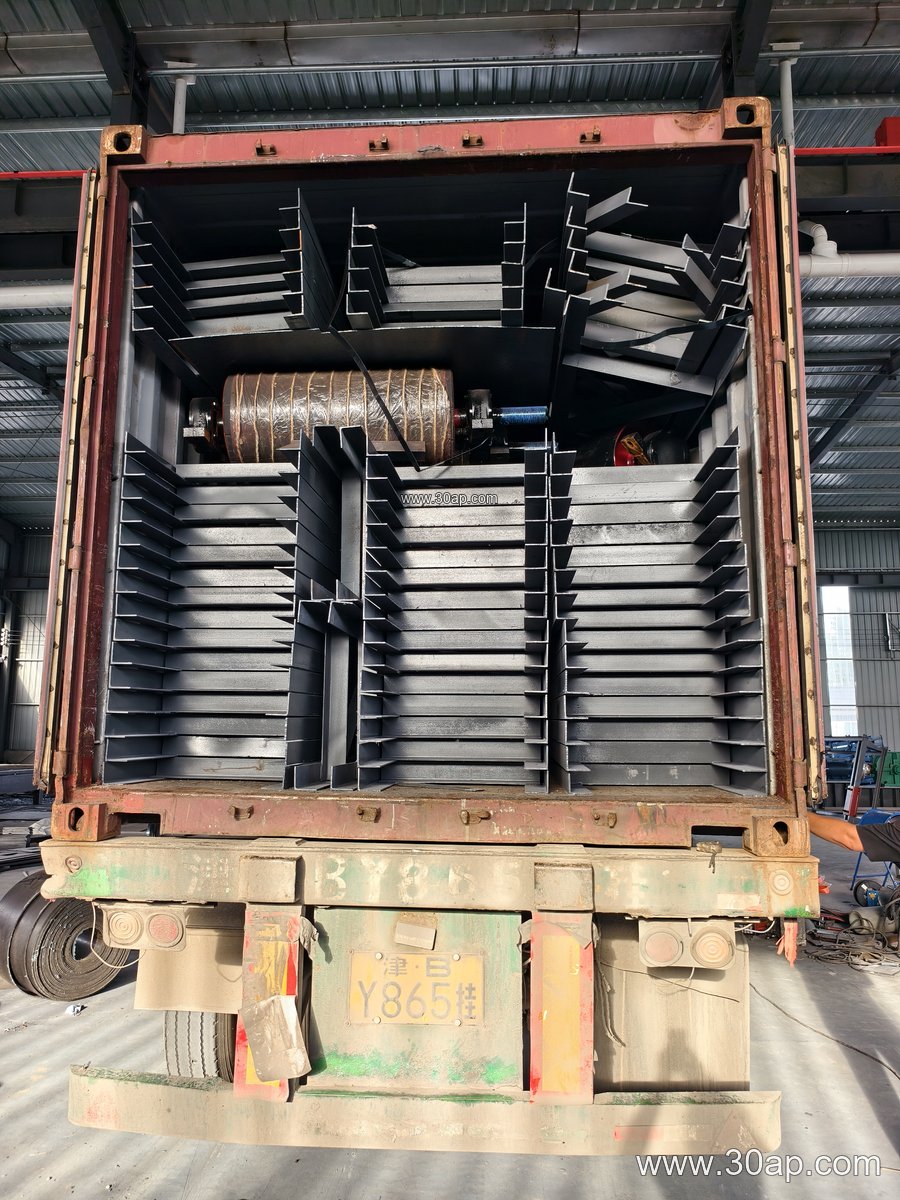
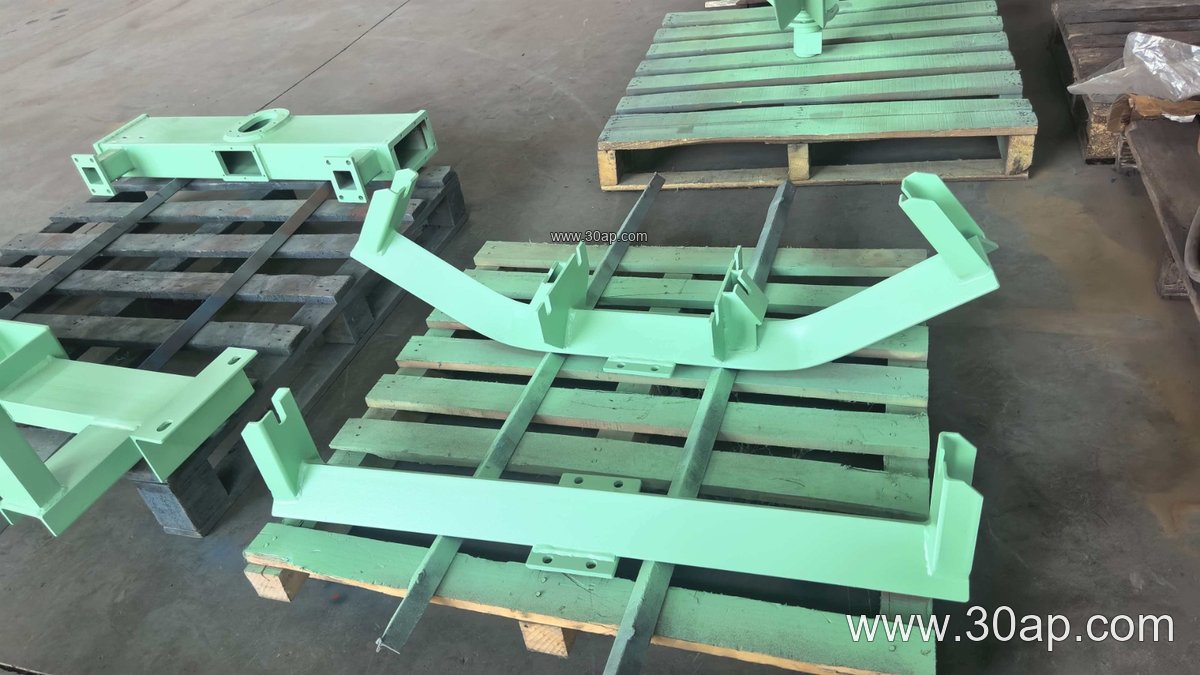
Most vertical idler brackets are fabricated from angle steel, channel steel, or bent steel plate, then drilled or punched for the idler shaft and the frame bolts. The upright section is often welded to a base plate that sits on the conveyor bracket crossbeam. Slotting the mounting holes gives fitters room to square the bracket during installation, which is useful on long frames where small errors add up.
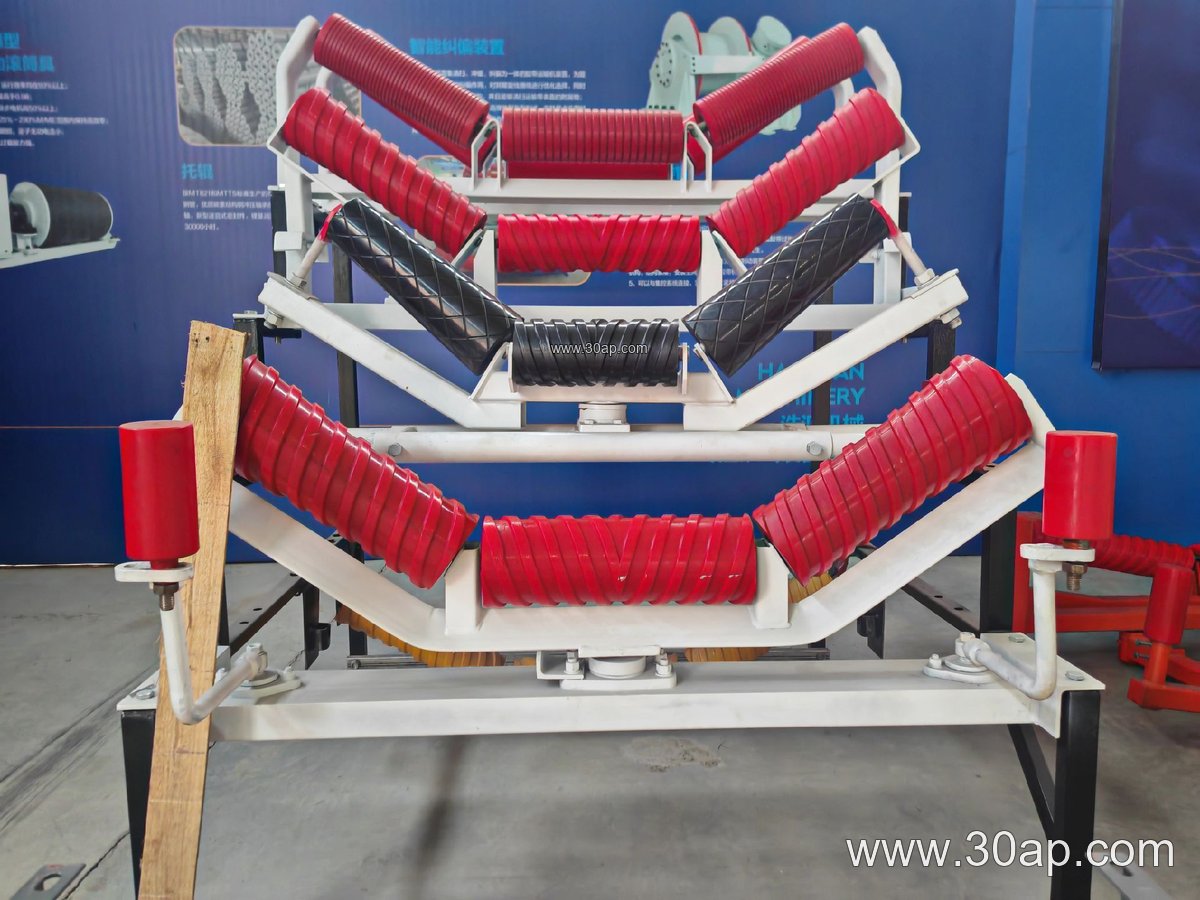
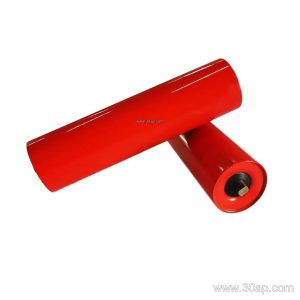
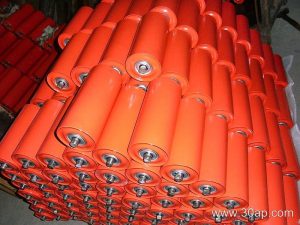
The bracket must match the idler shaft end, not only the belt width. A Ø108 roller and a Ø159 roller need different cradle openings and heights, even on the same B1000 frame. Common combinations are written as B800, 35 degrees, Ø108 or B1200, 45 degrees, Ø133, but these are examples of how the three values travel together, not fixed rules. Hole spacing and crossbeam length follow the belt width, trough angle, and roller diameter in the design, so the bracket drawing should always travel with the order.
Where Vertical Brackets Fit on the Conveyor
Vertical brackets appear on the carrying side of troughing idler sets, in transition zones near a conveyor pulley, and on some self-aligning or training idler assemblies. In a coal mining conveyor or an underground mining conveyor, they are also used where space is tight and the bracket must stand up from the frame rather than hang below it. A power plant coal handling line and a port ship loading conveyor use the same principle, though the frame and bracket sizes differ.
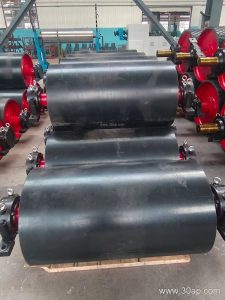
Do not confuse this part with a return bracket or a V-return bracket that supports the belt on the lower run. Those brackets serve a different position and load direction. A bend pulley or a tail pulley is a different assembly entirely and cannot stand in for an idler bracket; the vertical bracket belongs to the idler support group, not to the pulley group.
Matching the Bracket to Belt and Idler
Selection starts with the belt width, the trough angle, and the roller diameter, then moves to the frame beam type and the bolt pattern. Trough angles of 20, 30, 35, and 45 degrees are common, and an adjustable bracket can be set between these angles during commissioning. Forward-leaning brackets, usually around 1.5 to 2 degrees, are a separate design choice that affects belt training.
| Reference Item | Typical Range | Notes |
|---|---|---|
| Belt width | B500 to B2200 | Mounting hole spacing and beam length follow the width and design |
| Trough angle | 20, 30, 35, 45 degrees | Adjustable types can be set on site |
| Idler diameter | Ø89, Ø108, Ø133, Ø159, Ø194 | Must match the roller shaft end and cradle |
| Material | Angle steel, channel steel, bent plate | Finish and thickness depend on the duty |
For a heavy-duty mining conveyor belt carrying iron ore or copper ore, the bracket should be sized for the impact and load of the idler set, not copied from a lighter aggregate conveyor belt line. A flame retardant conveyor belt used underground may also call for a bracket finish that suits the mine environment, and this is a question for the supplier rather than an assumption.
Buyer Checklist
- Confirm the idler roller diameter and shaft end type before ordering the vertical idler bracket.
- State the belt width, trough angle, and frame beam dimensions on the inquiry.
- Ask whether the bracket is fixed or adjustable if the trough angle may be tuned later.
- Check that the bracket is the upright support type, not a return or V-return bracket.
- Keep spare brackets on hand for crusher conveyor and screen feed sections, where impact and vibration loosen fittings.
A vertical idler bracket is a small part, but it decides how well the idler roller and conveyor belt work together. Accurate drawings, matched shaft sizes, and correct bolt patterns prevent most of the tracking and wear problems that send crews back to the frame with tools in hand.