What a Pipe Conveyor Belt Does
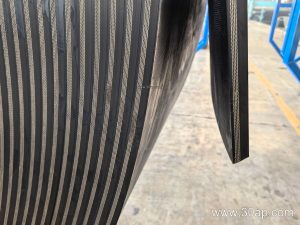
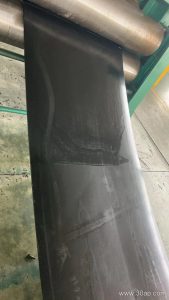
A pipe conveyor belt is a special conveyor belt that rolls into a closed tube shape as it travels. The belt starts flat at the loading point, forms into a round or slightly oval pipe through a series of idler roller arrangements, and opens again at the discharge end. This enclosed run keeps dust inside, protects the material from rain and wind, and allows the route to bend in both horizontal and vertical curves. In mines, cement plants, power stations, ports, and sand and gravel yards, the pipe conveyor belt has become a practical answer where a conventional open troughed belt would spread dust or lose material along the way.
The product is also called a tubular conveyor belt or enclosed conveyor belt. Another name you will meet is the pipe conveyor belt itself, and the meaning stays the same: a fabric or steel cord belt engineered to curl and hold its shape.
How the Belt Is Built
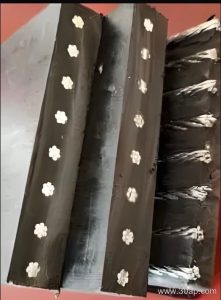
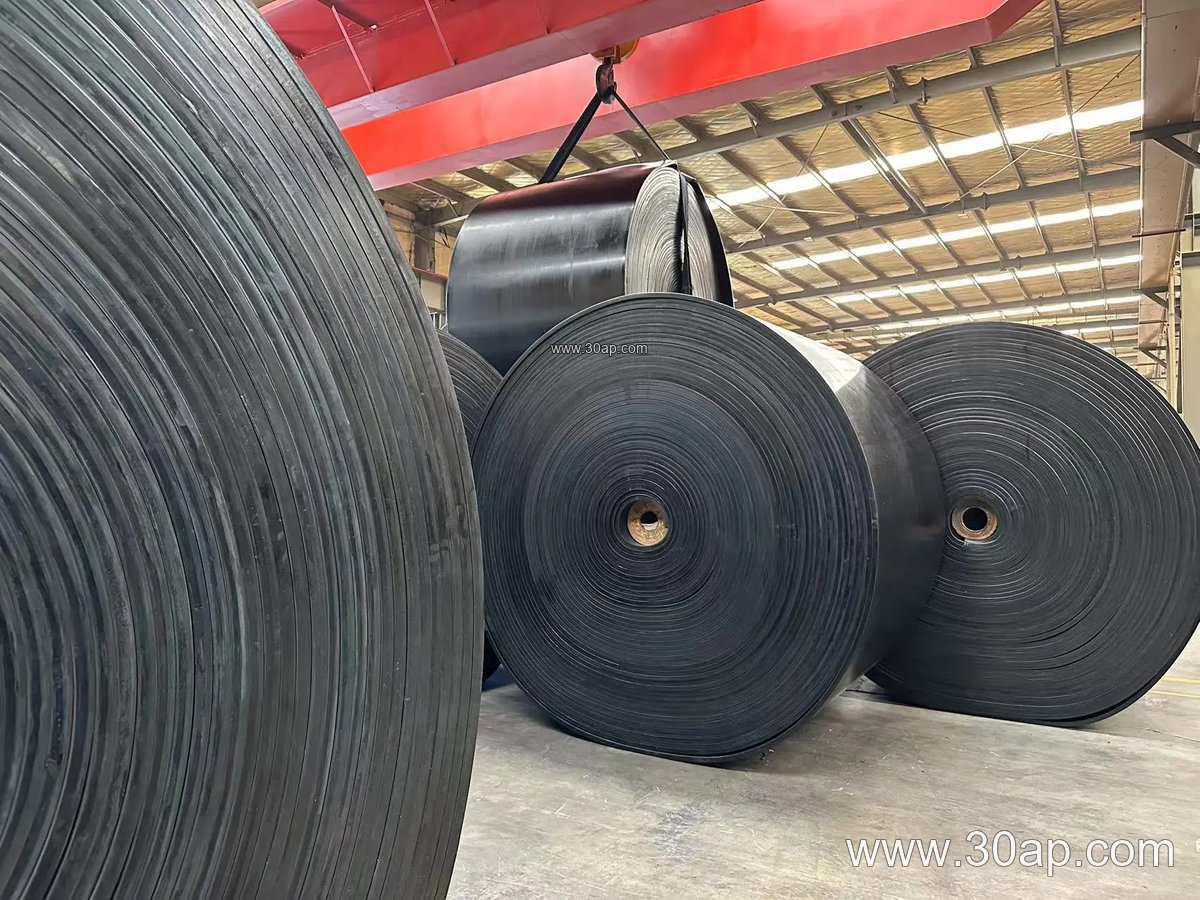
The construction follows the same logic as a heavy-duty conveyor belt, with a few extra demands. The carcass can be an EP conveyor belt body, an NN conveyor belt body, a multi-ply fabric core, or a steel cord conveyor belt core for long lifts and high tension. The rubber covers are chosen for the duty: abrasion resistant conveyor belt grades for ore and clinker, heat resistant conveyor belt grades for cement and sinter, flame retardant and anti-static conveyor belt grades for underground coal mining, and oil resistant or chemical resistant covers where needed.
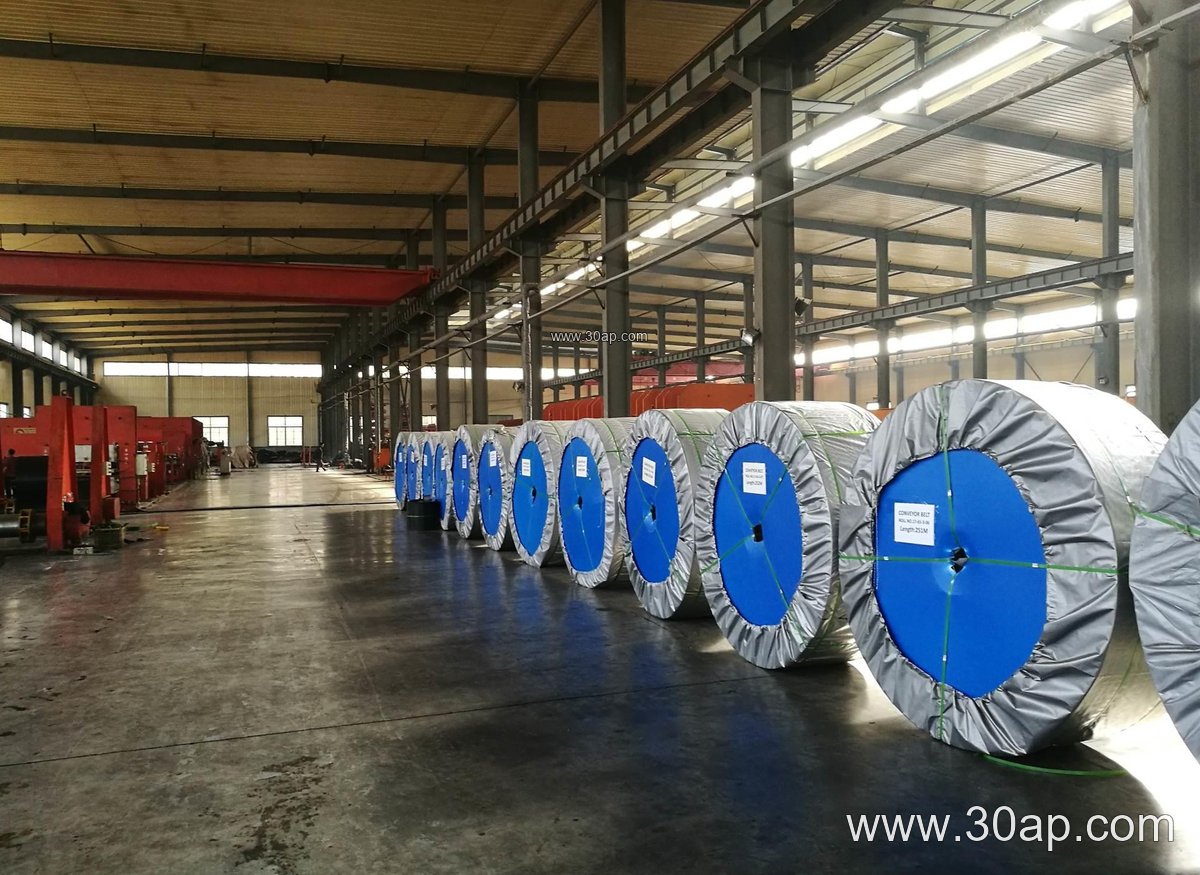
What separates this product from a standard belt is its ability to keep a pipe profile. The belt must be flexible enough to form a tight overlap yet stiff enough not to sag between supports. Cover thickness, ply count, and edge design all matter. Buyers often see cover combinations such as 4+2 mm, 5+2 mm, 6+2 mm, or 8+3 mm, and carcass builds from two to six plies, but these are common references rather than fixed rules. A pipe conveyor belt is ordered to the line design, so the final specification comes from the conveyor engineer.
| Reference item | Typical options |
|---|---|
| Belt width | B800, B1000, B1200, B1400, B1600, B1800 |
| Fabric carcass grades | EP200, EP400, EP630, EP800, EP1000, EP1250 |
| Steel cord grades | ST1000, ST1600, ST2000, ST2500 |
| Cover thickness | 4+2 mm, 5+2 mm, 6+2 mm, 8+3 mm |
| Special covers | Abrasion, heat, oil, flame, anti-static, cold resistant |
Where It Fits on Site
Enclosed conveying suits dusty and weather-sensitive cargo. A pipe conveyor belt can carry coal in a coal mining conveyor line, clinker and raw meal in a cement plant, limestone in a quarry conveyor, iron ore and copper ore in a mineral processing plant, and bulk material at a ship loading terminal. Because the tube can curve, it often replaces a chain of transfer points, which reduces spillage and the number of dust collection points.
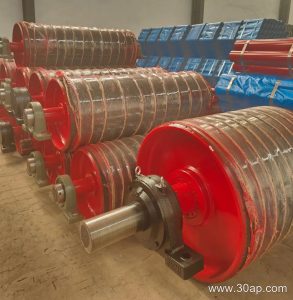
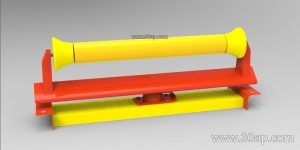
The belt does not work alone. The line depends on correctly sized conveyor pulleys at the drive and tail, a stable set of conveyor brackets, and panel-type idler rollers that guide the belt from flat to round and back. The drive pulley pulls the loaded belt, the tail pulley sets the return, and the bend pulleys manage tension and direction. Special idler frames tilt the belt edges into the overlap, and their alignment is critical. Poorly set idlers can twist the pipe, wear the edges, and cause the belt to derail.
Selection Points for Buyers
- Profile and overlap: confirm the pipe diameter and overlap direction with the conveyor designer, because the belt must match the idler layout.
- Tension and distance: long, high-lift routes usually point to a steel cord conveyor belt; shorter runs may use an EP or NN fabric core.
- Material conditions: choose covers for abrasion, heat, oil, or flame risk, and check whether an anti-static grade is required.
- Curve radius: the belt must handle the horizontal and vertical curves without buckling, so share the route plan early.
- Edge quality: the overlap edge and belt edges take extra stress in a pipe conveyor belt, so specify a clean, durable edge construction.
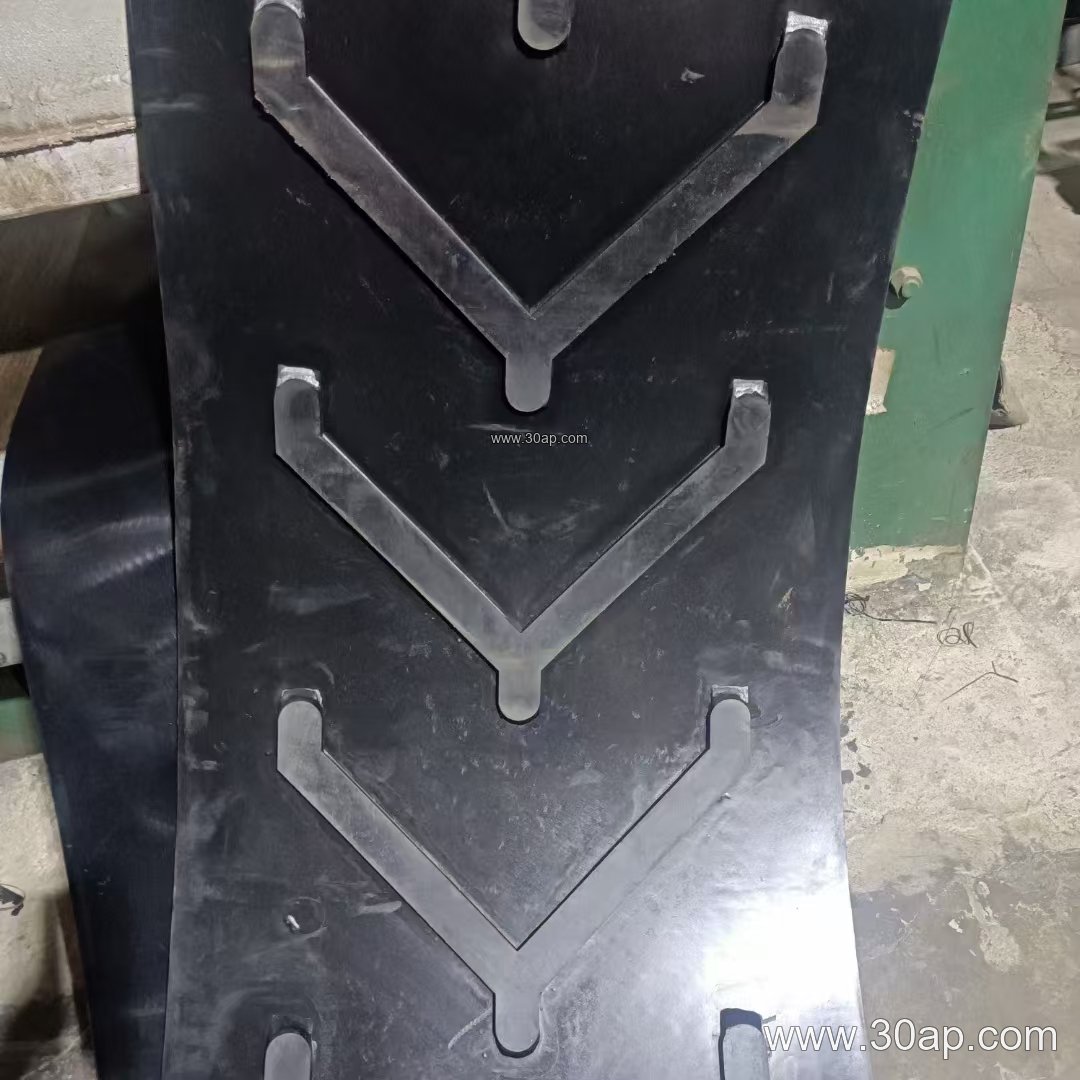
For anyone comparing this product with a standard open belt, the trade-off is clear. A chevron conveyor belt or corrugated sidewall conveyor belt handles steep inclines in an open trough, while a pipe conveyor belt focuses on enclosure and routing flexibility. Both can use the same EP or NN carcass family, but the pipe version adds forming and guidance demands that change the specification.
Maintenance and Handling
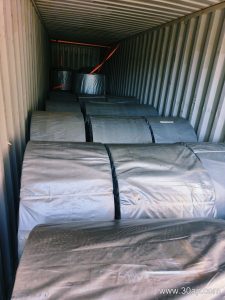
Once installed, the belt needs regular checks of pipe shape, overlap position, and edge wear. Keep idler roller panels clean and aligned, inspect conveyor pulleys for build-up, and watch the conveyor brackets for movement that could shift the forming zone. Store spare belt rolls flat and away from heat and sunlight, and avoid sharp bends during handling. A pipe conveyor belt that is correctly matched to its line will run quietly for a long time, but a mismatch in profile or tension shows up quickly as edge damage and dust leakage.