What a Comb Idler Does on a Belt Conveyor
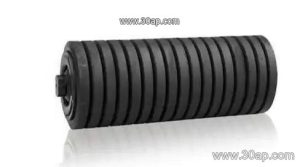
A comb idler is a return-side roller with a series of rubber or nylon discs mounted along its shaft, giving it a comb-like profile. These discs keep the conveyor belt clean by shedding sticky material before it reaches the tail pulley. In coal mining, cement plants and aggregate operations, a comb idler helps prevent buildup that can misalign the belt or damage the conveyor pulley. It is not a replacement for a drive pulley or a bend pulley; it is a specialized return idler roller for belt cleaning and support.
Construction and Key Components
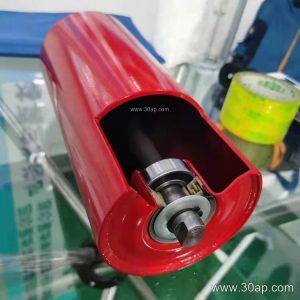
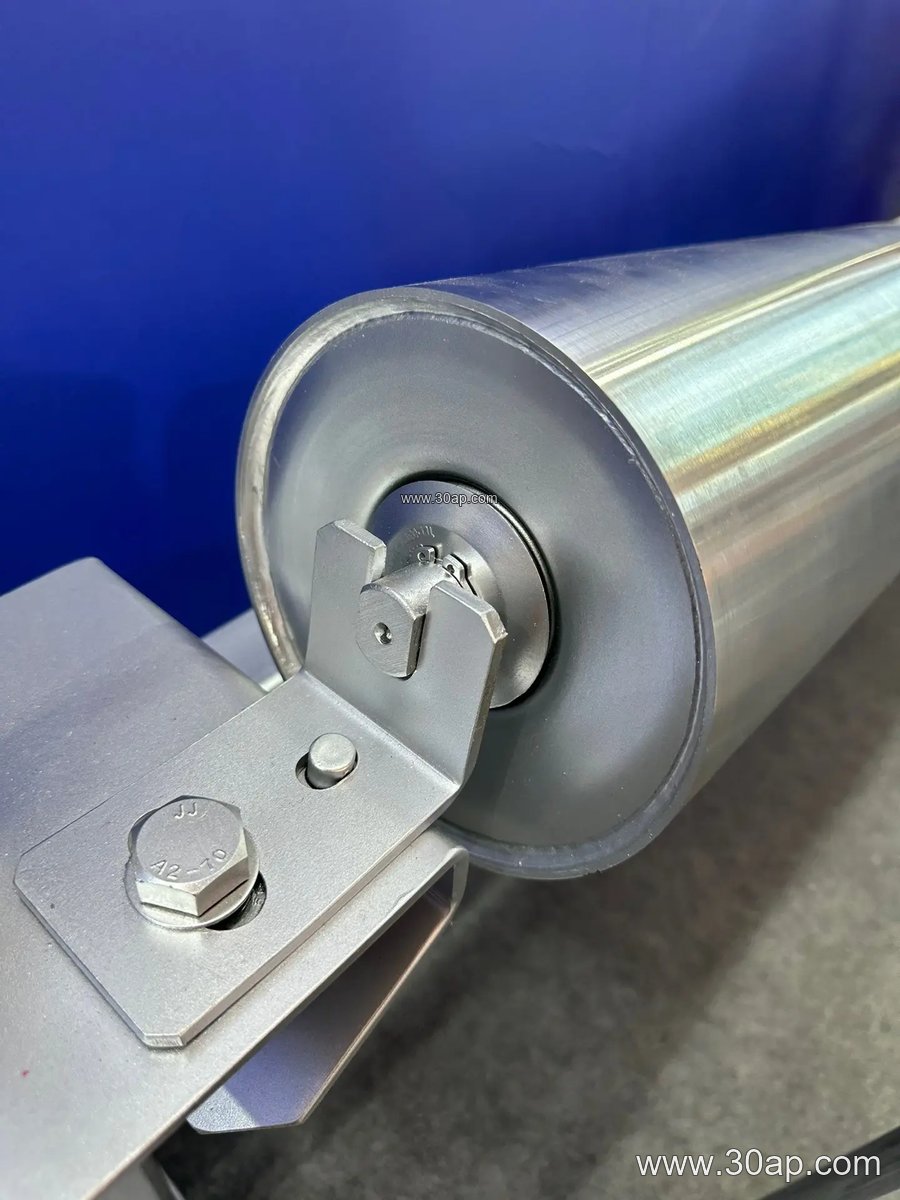
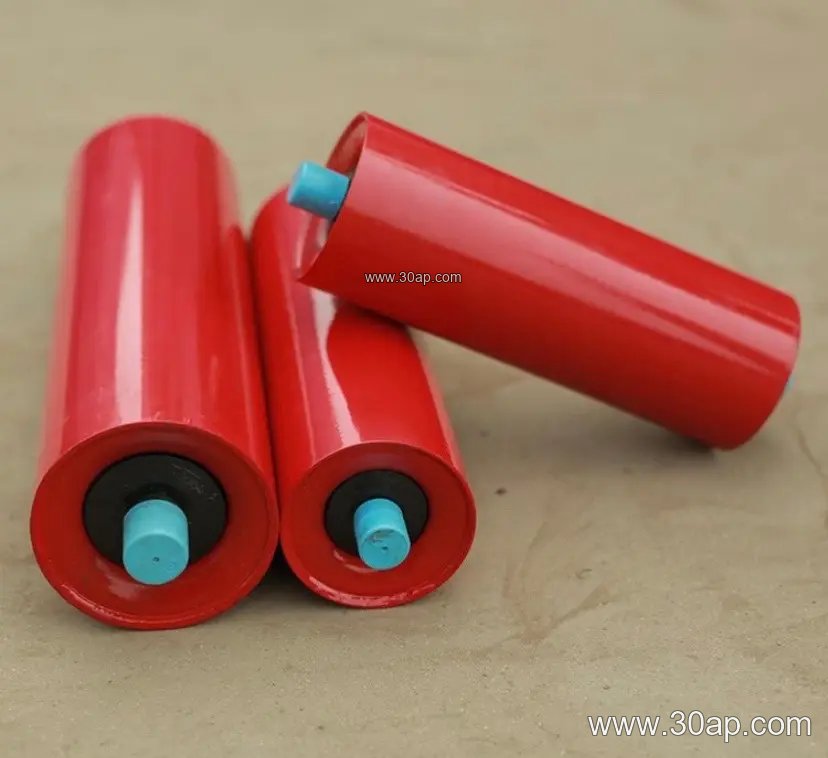
The comb idler uses a steel shaft, bearing housings and a set of spaced discs. Common bearing sizes include 6204, 6205, 6305, 6306, 6308 and 6310, selected according to load and speed. The discs are often made of abrasion-resistant rubber or nylon, and their spacing and hardness affect cleaning performance. The roller diameter may range from Ø63 to Ø219, but the disc diameter and profile are specific to the comb design. The shaft length is matched to the belt width and the conveyor bracket spacing.
Where Comb Idlers Are Used
Comb idlers are common in coal mining conveyor systems, cement plants, power plant coal handling, and quarry conveyor lines. They are especially useful under crusher discharge points and in wet or sticky material conditions. In a coal mining conveyor belt system, a comb idler can reduce carryback on the return strand. In cement plants, it helps control fine dust and powder buildup. For abrasive materials, a high abrasion resistant conveyor belt paired with comb idlers can extend component life.
Comb Idler vs Other Return Idlers
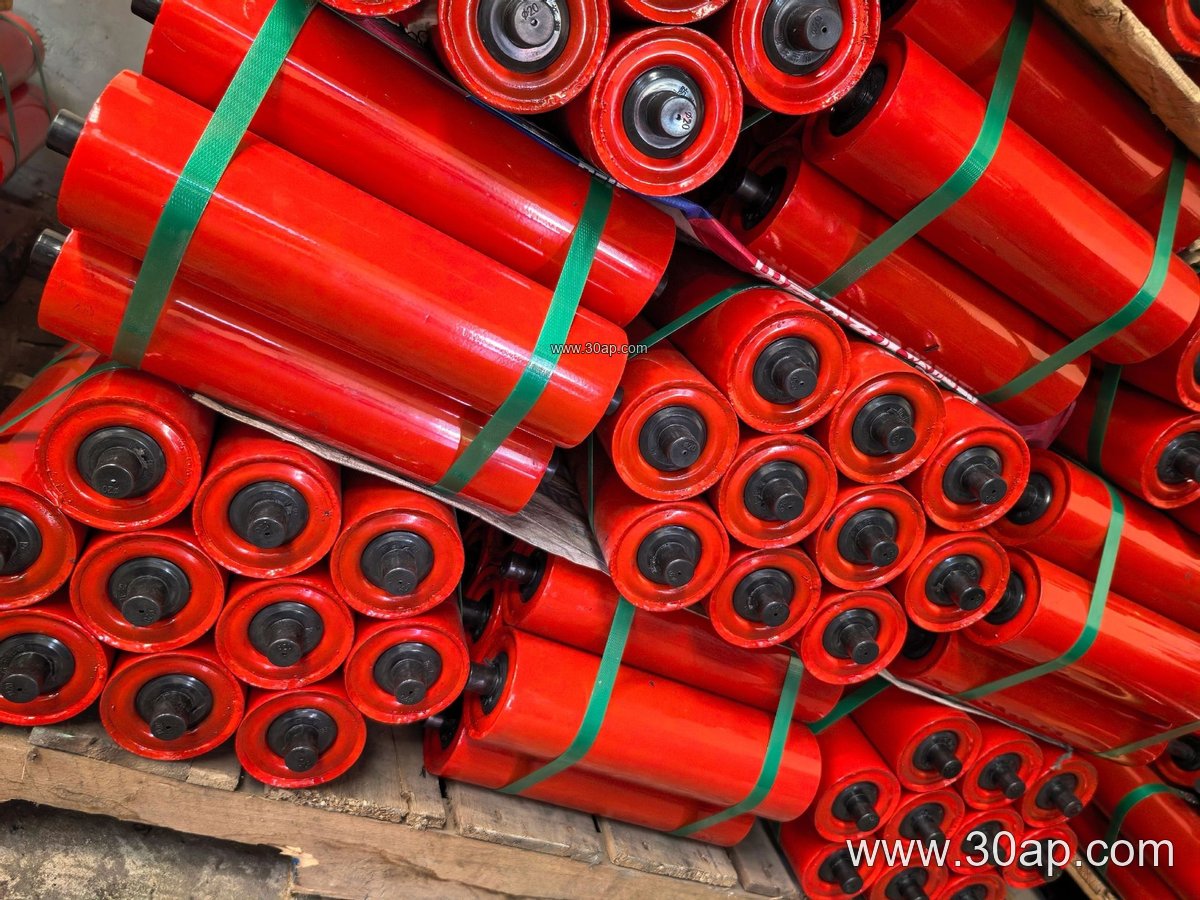
A standard flat return idler or V-type return idler supports the belt but does not clean it. A comb idler adds a scraping action through its discs. It is not a substitute for a properly sized bend pulley or tail pulley, nor for a drive pulley. For comparison, a rubber disc return roller is similar in concept, but the comb idler’s distinct disc pattern is designed for sticky fines. In some applications, a spiral return roller may be used for self-cleaning, but the comb idler remains the choice where disc cleaning is needed.
Sizing and Selection Notes
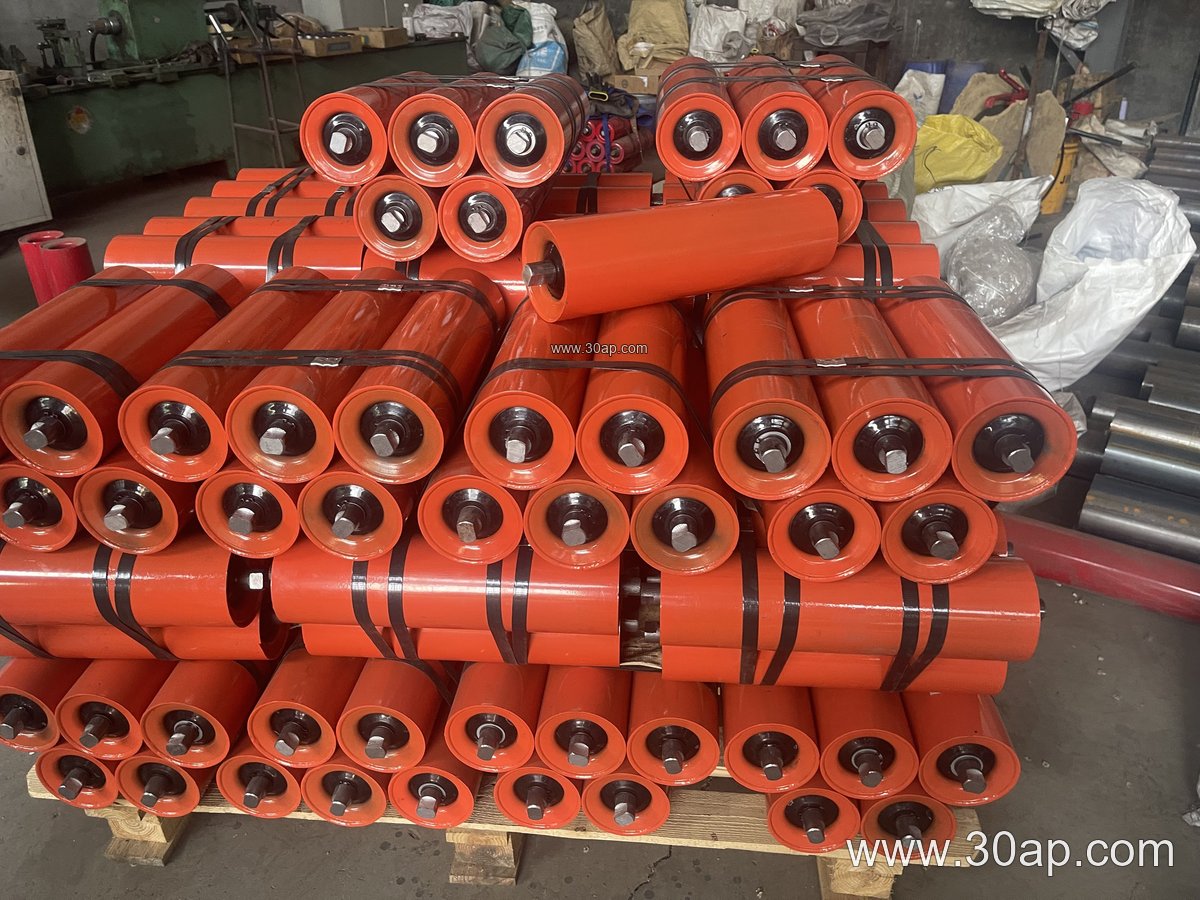
Selecting a comb idler starts with belt width and the return strand layout. Common belt widths include B500, B650, B800, B1000, B1200, B1400, B1600, B1800 and B2000. The roller length is usually matched to the belt width and the conveyor bracket type, but it is not a fixed rule. For example, a B800 belt might use a comb idler with a roller length around 315 mm in a three-roll arrangement, while a B1200 belt might use about 465 mm; these are typical examples, not mandatory sizes. The bearing size should be chosen by load calculation, not by belt width alone.
Typical Reference Data
| Parameter | Common Range / Example |
|---|---|
| Roller diameter | Ø63, Ø76, Ø89, Ø102, Ø108, Ø127, Ø133, Ø159, Ø178, Ø194, Ø219 |
| Belt width | B400 to B2400 |
| Bearing | 6204, 6205, 6305, 6306, 6308, 6310 |
| Disc material | Rubber, nylon, ceramic (for special cases) |
| Roller length (example) | B500: ~200 mm; B650: ~250 mm; B800: ~315 mm; B1000: ~380 mm; B1200: ~465 mm; B1400: ~530 mm; B1600: ~600 mm; B1800: ~670 mm; B2000: ~750 mm |
These values are for reference only. The final comb idler specification should be confirmed with the conveyor design, belt speed and material characteristics. A comb idler is not interchangeable with a drive pulley, tail pulley or bend pulley, and it should not be used as a substitute for those components.
Maintenance and Buyer Checklist
- Check disc wear and replace worn discs to maintain cleaning action.
- Inspect bearings for contamination; sealed bearings are preferred in dusty plants.
- Verify that the comb idler rotates freely and is aligned with the belt.
- Confirm the conveyor bracket and shaft fit before ordering.
- Consider the conveyor belt type: for example, an EP conveyor belt or a steel cord conveyor belt may require different return support spacing.
For sticky bulk materials, a comb idler can be a practical addition to the return strand. Buyers should provide belt width, material condition and desired roller diameter to get a suitable comb idler for their conveyor system.