What a Return Idler Bracket Does on a Conveyor
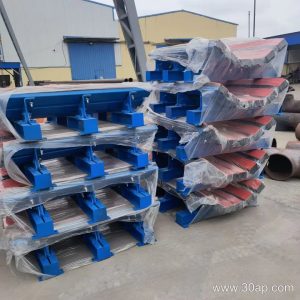
A return idler bracket is the mounting component that holds the return-side idler rollers in place beneath the conveyor belt. While the carrying side gets most of the attention, the return run also needs stable support so the belt tracks properly and the idlers spin freely. This bracket, often called a return roller bracket or lower idler support, is typically bolted to the conveyor frame and positioned to keep the return idler at the correct height and angle. In quarry, cement, and power plant coal handling lines, a well-matched bracket reduces belt wander and extends idler life.
Construction and Common Forms
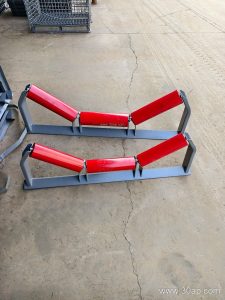
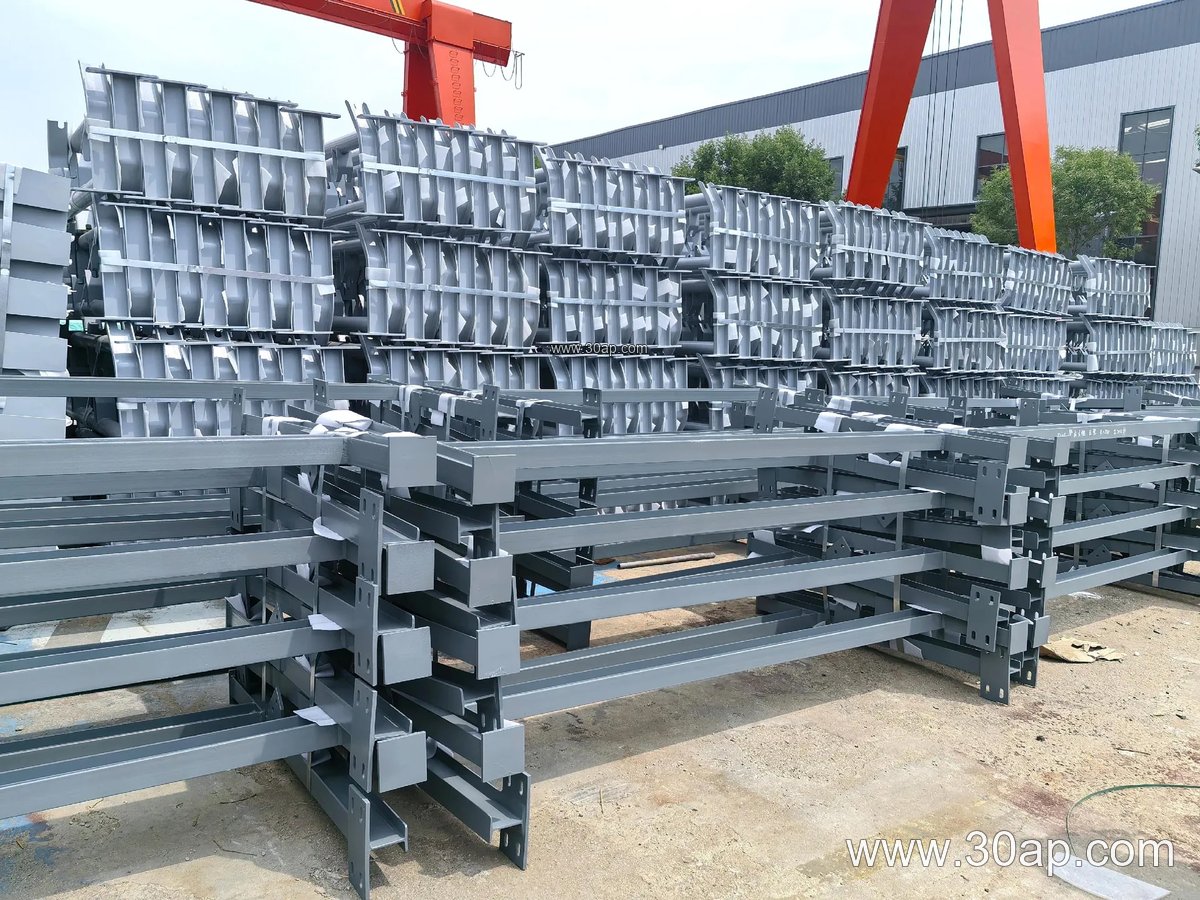
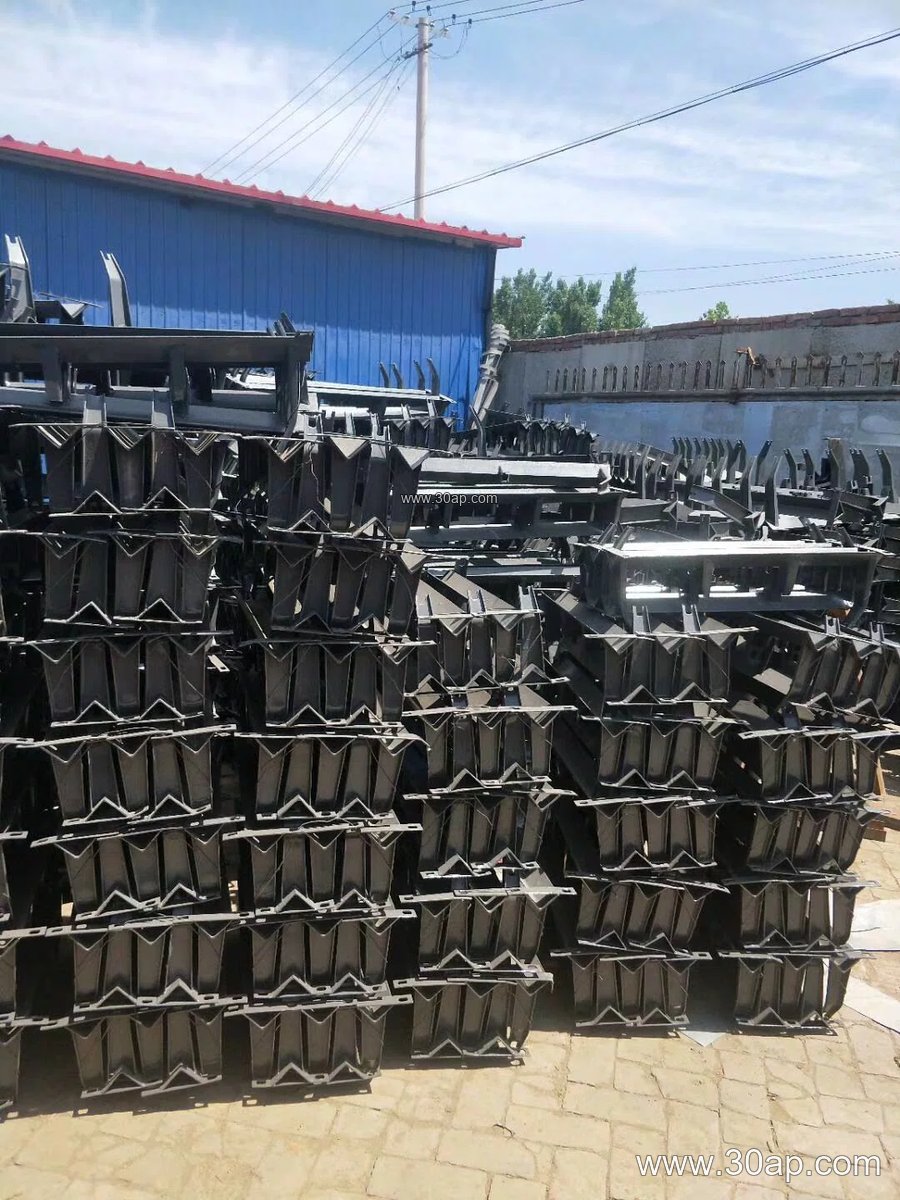
Most return idler brackets are fabricated from angle steel, channel steel, or folded steel plate. The design may be a simple flat bracket for a single return roller or a V-shaped return bracket that supports two rollers in a V configuration to help center the belt. Adjustable versions allow small changes in height or angle during installation. The bracket usually includes slotted holes or fixed mounting holes, and the hole spacing and crossbeam length are determined by the belt width and the idler diameter rather than being universal. Common belt widths range from B500 to B2200, and typical return roller diameters include Ø89, Ø108, Ø133, Ø159, and Ø194. These values are reference points, not fixed pairings—a B800 conveyor might use Ø108 or Ø133 return rollers depending on the load and belt speed.
Where It Fits in the Conveyor System
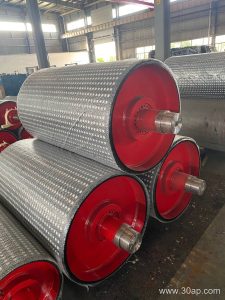
The return idler bracket is installed on the lower side of the conveyor frame, between the head and tail pulleys. It works together with the conveyor belt, idler roller, and conveyor pulley to maintain belt tension and alignment. In a typical cement plant or aggregate conveyor, several return brackets are spaced along the return run. The bracket must be strong enough to resist vibration and material buildup, especially in dusty environments such as a coal mining conveyor or a limestone quarry. For heavier belts, such as a steel cord conveyor belt or a thick EP conveyor belt, the bracket and its mounting hardware should be selected to match the load.
Selection Points for Buyers
When choosing a return idler bracket, start with the belt width and the return idler diameter. Confirm the mounting hole pattern and the distance between the conveyor stringers. If the conveyor uses a V-return arrangement, specify a V-type bracket rather than a flat one. For belts that tend to misalign, an adjustable bracket can simplify field tuning. Also consider the environment: in a wash plant or port terminal, galvanized or painted finishes may be preferred, while underground coal mining conveyor applications may call for flame retardant belt and compatible components. The bracket itself does not carry the material, but it must support the return idler roller reliably so that the conveyor belt runs smoothly.
Installation and Maintenance Notes
Mount the bracket squarely to the frame and tighten bolts to the recommended torque. Check that the return idler spins freely and that the bracket does not rub against the belt edge. During routine inspections, look for bent brackets, elongated holes, or loose fasteners. Replacing a worn bracket early prevents the return idler from dropping and damaging the conveyor belt. In high-abrasion service, such as a crusher conveyor or iron ore conveyor, keep the area around the bracket clear of spilled material to avoid premature wear.
Matching with Belt and Idler Components
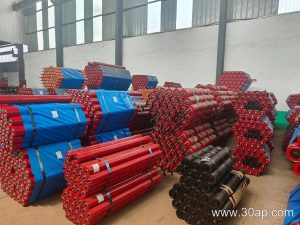
A return idler bracket is only one part of the support system. It should be selected together with the conveyor idler roller and the conveyor pulley specifications. For example, a B1200 conveyor with a 35-degree trough on the carrying side may use a flat return bracket with Ø133 return rollers. A B650 conveyor in a sand making plant might use Ø89 return rollers on a lighter bracket. These are common examples, not mandatory combinations. The goal is to keep the return belt supported at the right height without overloading the bracket or the idler bearings.
For more information on conveyor components, visit Return Idler Bracket and conveyor belt resources. Our range also includes idler roller and conveyor pulley options to complete your conveyor system.