What an Idler Bracket Does on a Conveyor
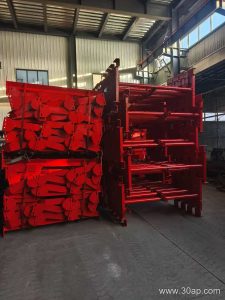
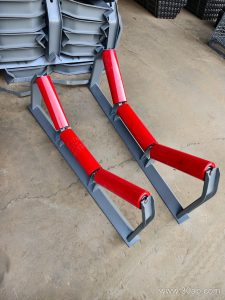
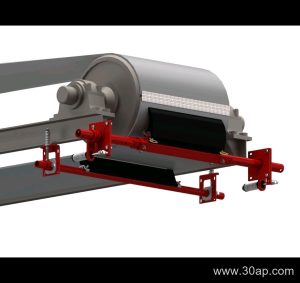
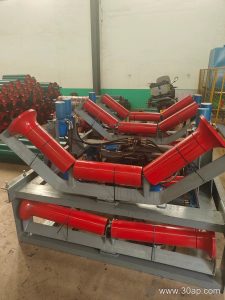
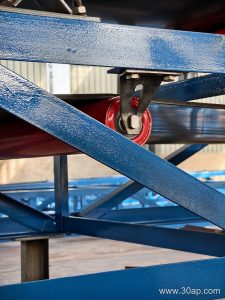
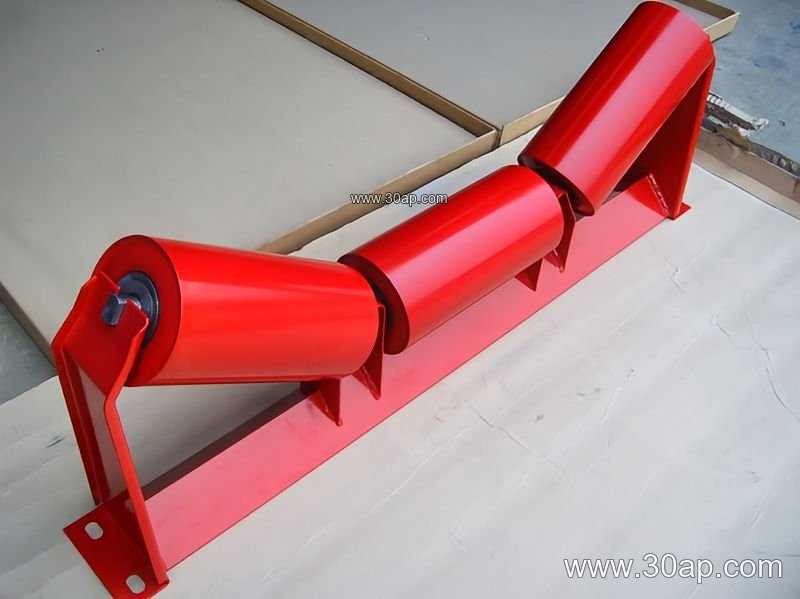
An idler bracket is the mounting component that holds a conveyor idler roller in its working position on the conveyor frame. It connects the roller shaft to the structure, sets the trough angle of the carrying side, and keeps spacing consistent along the line. In a quarry or a crushing and screening plant, these brackets are the quiet parts that decide whether the belt runs centered or wanders. The same component is often called a conveyor bracket or idler frame bracket, and all three names refer to the same product: a bracket that supports an idler roller.
The bracket does not carry material itself. It transfers the load from the roller to the frame, so its stiffness and hole positions matter as much as the roller inside it. A loose or misaligned bracket shows up quickly as belt edge wear, roller squeal, or spillage at transfer points.
Construction and Common Forms
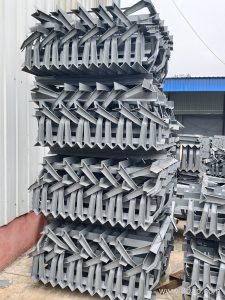
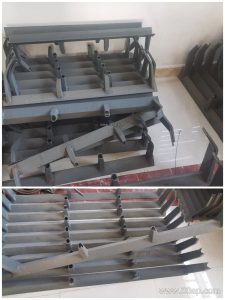
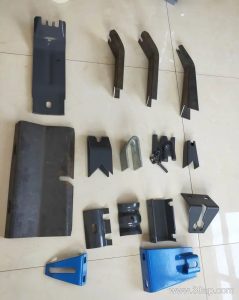
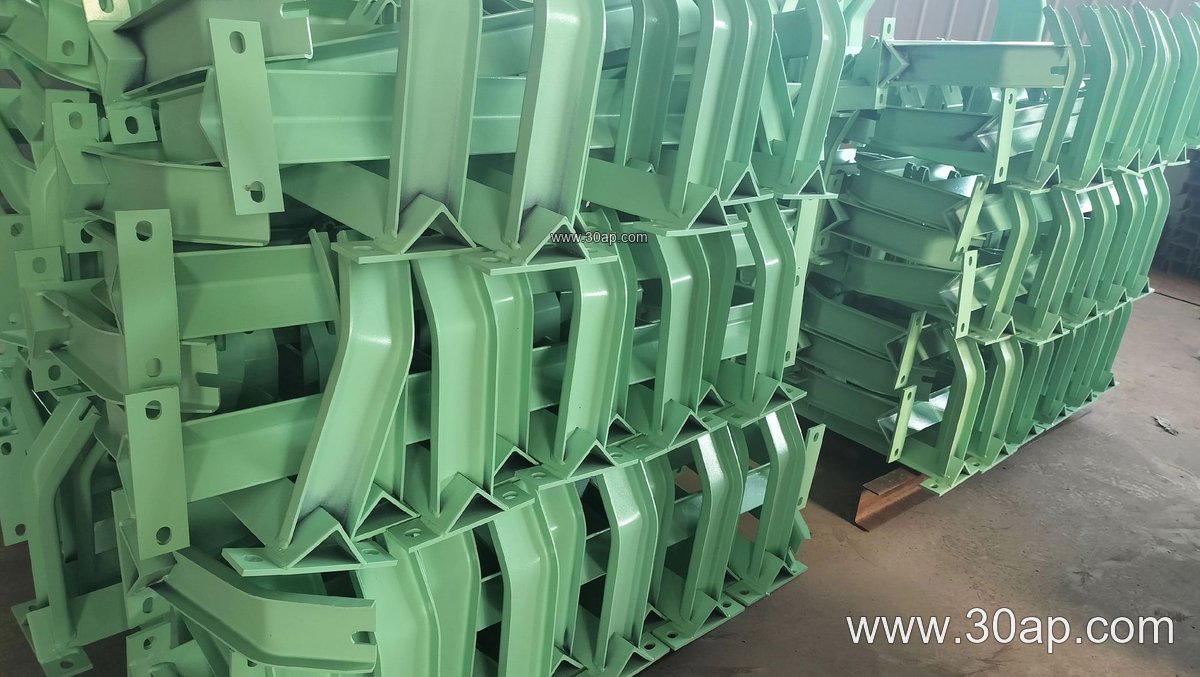
Most brackets are fabricated from angle steel, channel steel, or folded steel plate, then drilled or punched for the idler shaft. Welded brackets are common on heavy frames; bolted designs allow replacement without cutting. The main forms include trough brackets for the carrying side, return brackets for the empty side, impact brackets under loading points, and self-aligning brackets that allow small lateral correction.
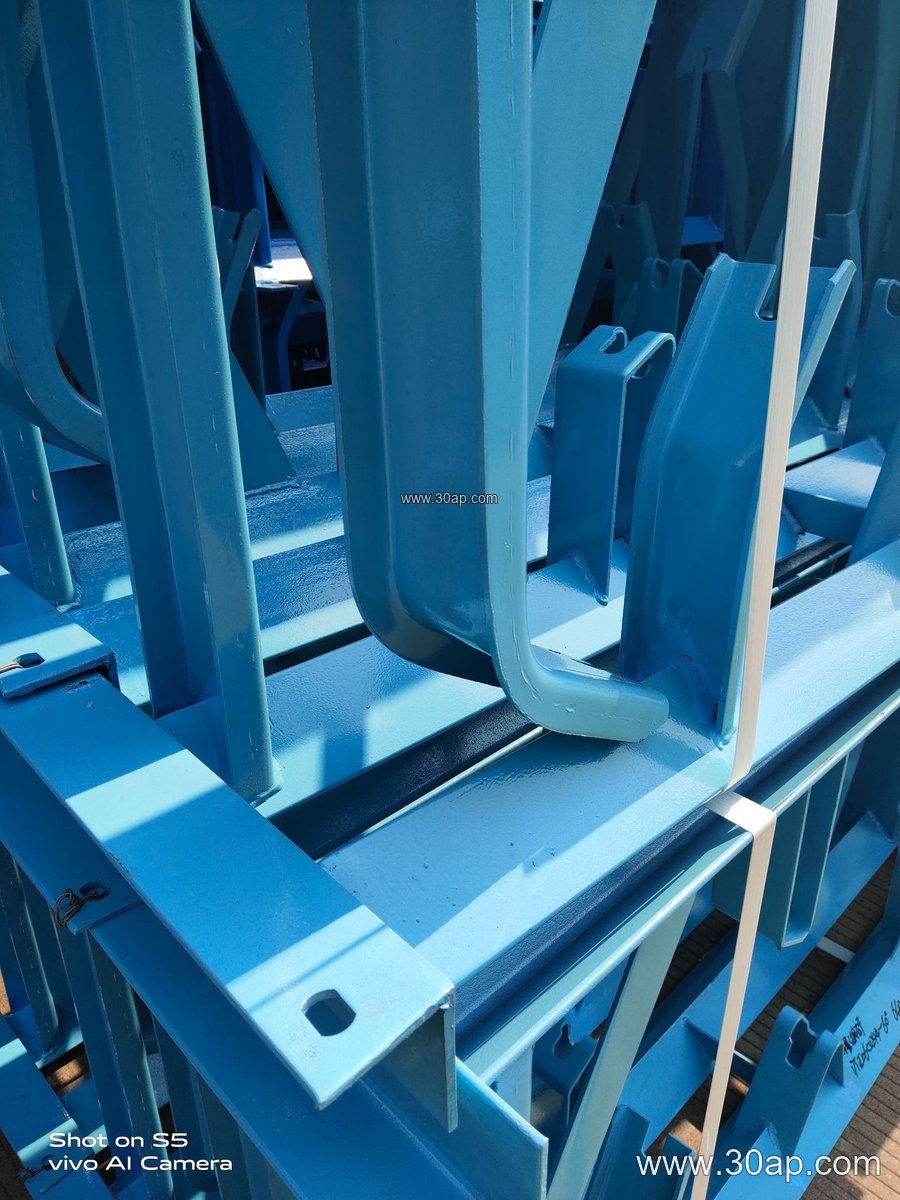
- Trough bracket: sets the 20, 30, 35, or 45 degree trough angle.
- Transition bracket: eases the belt from flat to troughed profile near pulleys.
- Return bracket: supports the returning belt, often in flat or V form.
- Impact bracket: reinforced for cushion rollers below chutes.
- Adjustable bracket: allows the trough angle to be changed on site.
Adjustable designs are useful where one frame may handle different belt loading, while fixed brackets suit long, stable runs. Forward-leaning brackets, usually set at about 1.5 to 2 degrees, are chosen for training effect rather than for angle changes.
Matching Belt Width, Trough Angle, and Roller Diameter
Bracket selection starts with belt width, then trough angle, then roller diameter. Common belt widths include B500, B650, B800, B1000, B1200, B1400, B1600, B1800, B2000, and B2200. Roller diameters such as Ø89, Ø108, Ø133, Ø159, and Ø194 appear across these widths, but no single width locks to one angle or one roller size. A B800 frame at 35 degrees with Ø108 rollers is a typical arrangement, while a B1200 line at 45 degrees with Ø133 rollers is also normal. Installation hole spacing and crossbeam length follow the design, not a universal number.
| Belt width | Common trough angle | Typical roller diameter | Bracket note |
|---|---|---|---|
| B500 | 20 to 30 degrees | Ø89 | Light frame, short crossbeam |
| B650 | 30 degrees | Ø89 to Ø108 | Fixed or adjustable |
| B800 | 35 degrees | Ø108 | Standard quarry frame |
| B1000 | 35 to 45 degrees | Ø108 to Ø133 | Reinforced weld common |
| B1200 | 45 degrees | Ø133 | Heavy trough bracket |
| B1400 to B1600 | 35 to 45 degrees | Ø133 to Ø159 | Check hole pitch by design |
| B1800 to B2200 | 35 to 45 degrees | Ø159 to Ø194 | Wide frame, braced bracket |
These figures are reference ranges, not fixed pairings. The final choice depends on belt tension, material weight, and frame design.
Where These Brackets Are Used
In a coal washing plant, trough brackets hold the carrying rollers under a flame retardant conveyor belt and a fire resistant conveyor belt on the main haul. In a cement plant, heat resistant conveyor belt sections near clinker coolers need brackets that stay aligned despite thermal movement. A port terminal handling iron ore may run a steel cord conveyor belt over wide frames where bracket stiffness controls belt sag between rollers.
Elsewhere, an abrasion resistant conveyor belt on a crusher discharge line relies on impact brackets and cushion rollers to survive lump loading. An EP conveyor belt or NN conveyor belt on a moderate-duty line usually pairs with standard trough brackets. In sand and gravel yards, a chevron conveyor belt or corrugated sidewall conveyor belt may need modified bracket spacing near the tail. The bracket choice follows the belt and the duty, not the other way around.
Buyer Checklist
Confirm the belt width and trough angle first, then the roller shaft diameter and the exact hole spacing on the existing frame. Ask whether the bracket is fixed or adjustable, and whether the material is angle, channel, or folded plate. Check weld quality at the shaft seat and confirm the bracket fits the crossbeam. For replacement work, measure the old bracket rather than assuming a standard size. Spare brackets for high-wear points, such as loading zones, are worth keeping on hand.
For related conveyor components, buyers often review conveyor belt, idler roller, and conveyor pulley options together at gzconveyorbelt.com, and bracket dimensions should always be checked against the actual frame at gzconveyorbelt.com before ordering.