What a Conveyor Carrying Bracket Does on the Line
A conveyor carrying bracket is the structural support that holds the carrying-side idler rollers at the correct height, spacing, and trough angle so the conveyor belt can move bulk material without sagging or misaligning. In a quarry, a cement plant, or a coal handling system, these brackets are the quiet workhorses that keep the belt profile stable from the load point to the discharge. They are not pulleys and do not drive or redirect the belt; their job is to carry the weight of the belt and the material, and to keep the idlers in the right position.
Also called a carrying idler bracket or troughing bracket, this component is distinct from a return bracket. The return side has its own support arrangement, and the two should not be swapped in specifications. The carrying bracket is usually the upper support set that forms the trough, while the return bracket supports the belt on its way back. Both matter, but this article focuses on the carrying side.
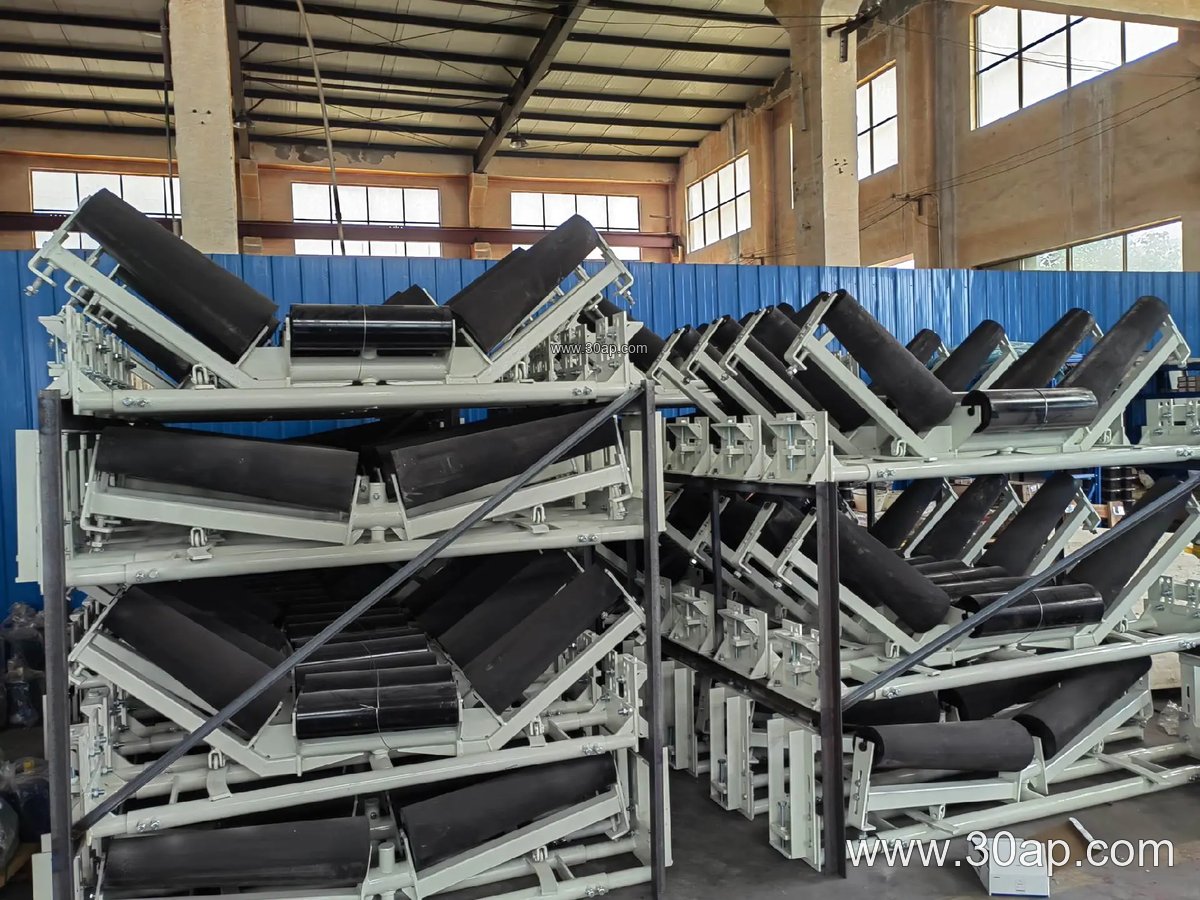
How the Bracket Is Built
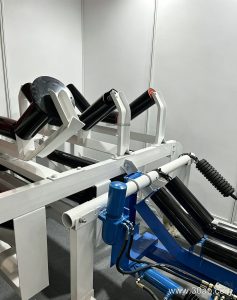
Most carrying brackets are fabricated from angle steel, channel steel, or folded steel plate. The choice depends on the load and the belt width. A typical bracket has a crossbeam, mounting feet or slots, and angled idler seats that set the trough shape. The bracket may be fixed or adjustable. Fixed brackets hold a set trough angle, while adjustable brackets let maintenance teams change the trough angle within a range to suit the material and belt behavior.
Common trough angles include 20 degrees, 30 degrees, 35 degrees, and 45 degrees. For example, a B800 belt might use a 35-degree bracket with 108 mm rollers, while a B1200 line could run a 45-degree bracket with 133 mm rollers. These are common combinations, not fixed rules. The mounting hole spacing and crossbeam length are determined by belt width and trough angle, so they should always be confirmed against the conveyor design rather than assumed.
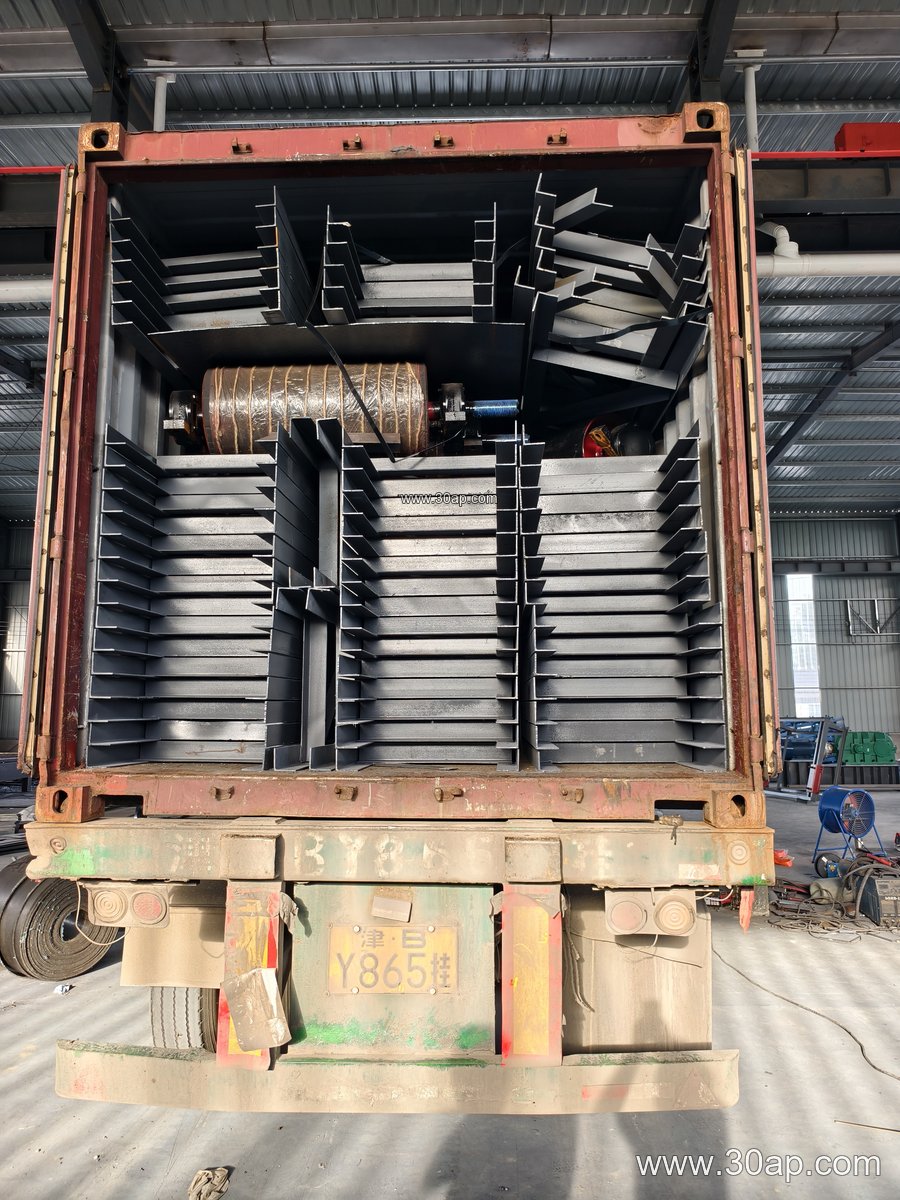
Where It Fits in Bulk Handling
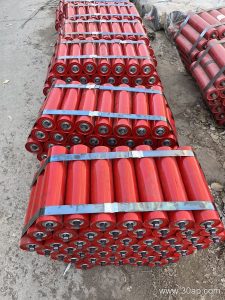
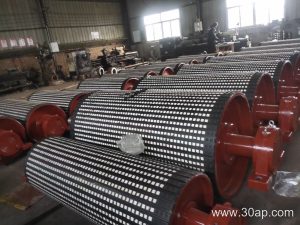
You will find conveyor carrying brackets in limestone mines, iron ore plants, coal preparation plants, and aggregate crushing and screening lines. In a cement plant, they support the belt that moves clinker or raw meal. In a power plant coal yard, they keep the belt aligned through transfer points. The bracket works together with conveyor belt, idler roller, and conveyor pulley components, but it is the bracket that fixes the idler position and preserves the trough profile.
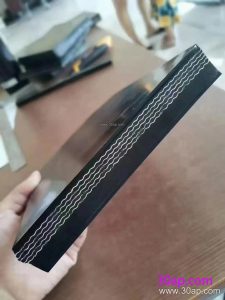
When the belt is a heavy-duty mining conveyor belt or a steel cord conveyor belt, the bracket must handle higher loads and may use thicker steel or closer idler spacing. For abrasive materials such as iron ore or copper ore, a stable bracket helps prevent belt edge damage and reduces spillage. In coal mining, flame retardant conveyor belt and anti-static conveyor belt are common, and the bracket should be selected to match the belt width and idler diameter without introducing sharp edges or loose fits.
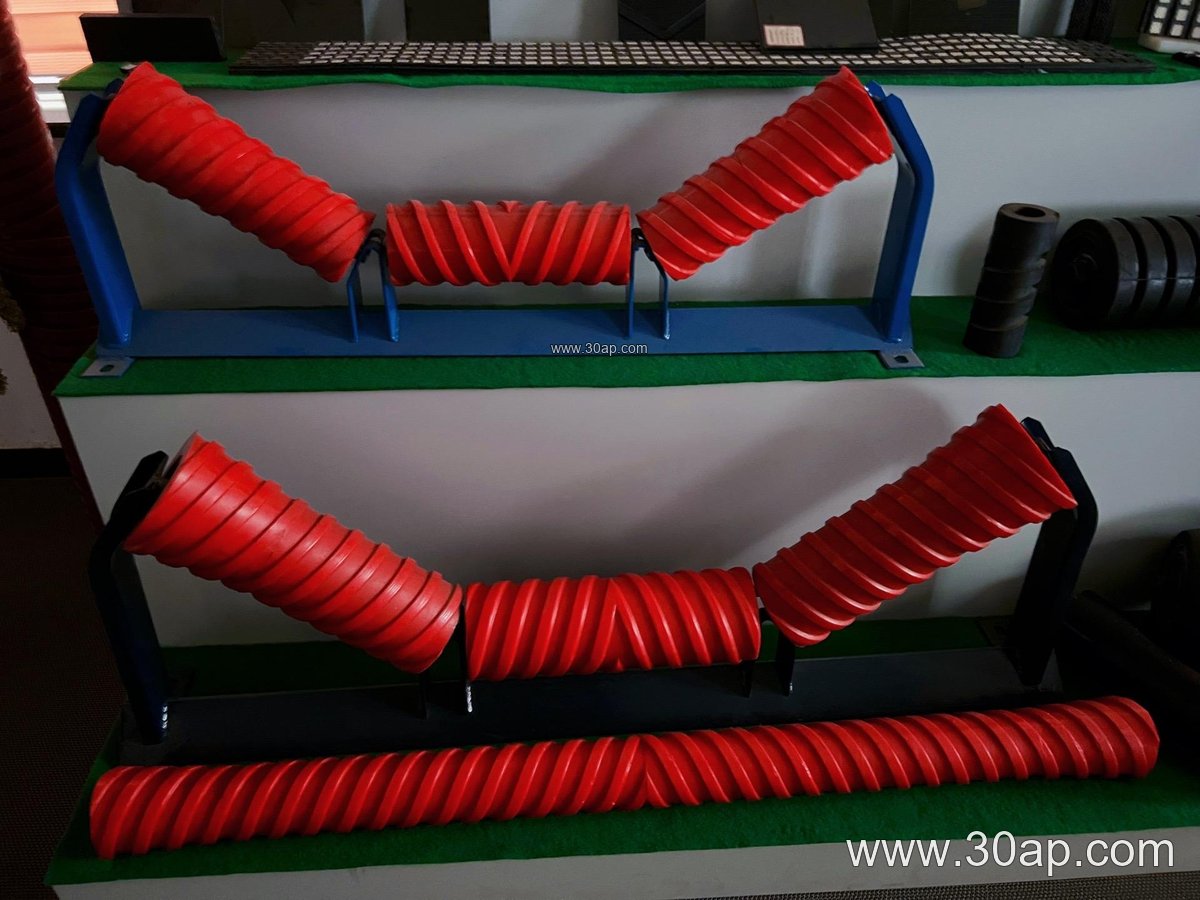
Types and Selection Notes
Carrying brackets come in several forms. The troughing bracket is the most common for the upper side. Transition brackets are used near pulleys to guide the belt from a flat to a troughed profile. Impact brackets, often fitted with buffer idlers, are placed at load points where material falls onto the belt. Self-aligning brackets help correct belt tracking. Suspended brackets are used where space or structure calls for a hanging arrangement. Adjustable brackets allow the trough angle to be changed on site.
Selection should consider belt width, material lump size, belt speed, and the idler diameter. A B650 belt with 89 mm idlers may use a 30-degree bracket, while a B1400 belt with 159 mm idlers may use a 35-degree or 45-degree bracket. The bracket must be strong enough for the belt and material load, and the mounting dimensions must match the conveyor frame. Do not assume that one belt width matches only one trough angle or one idler diameter; the design dictates the combination.
Buyer Checklist
- Confirm the belt width, such as B500, B800, B1000, B1200, B1600, or B2000.
- Identify the required trough angle and whether it must be adjustable.
- Check the idler diameter and the bracket seat dimensions.
- Verify the mounting hole spacing and crossbeam length against the conveyor frame.
- Match the steel thickness and finish to the environment, especially in wet or dusty plants.
- Consider the belt type, including abrasion resistant conveyor belt, heat resistant conveyor belt, or oil resistant conveyor belt, because belt stiffness affects troughing behavior.
For more information on compatible conveyor belt, idler roller, and conveyor pulley arrangements, visit our site at www.example.com/conveyor-bracket or www.example.com/belt-support. A well-matched carrying bracket keeps the belt running true, extends idler life, and reduces maintenance downtime in quarry, mining, and cement operations.