What a Heavy-Duty Conveyor Idler Does on the Line
A heavy-duty conveyor idler is the rotating support that carries the belt and its load along the carrying run. In a quarry, a cement plant, or a power plant coal yard, the belt may be moving hundreds of tonnes per hour of abrasive rock, clinker, or coal. The idler in that duty is not a light accessory; it is a wear part that sets the rolling resistance, the belt tracking, and the service interval of the whole conveyor. When engineers ask for a heavy-duty conveyor idler, they usually mean a roller built with thicker tube, larger shaft, better sealing, and a bearing housing that can survive dust, moisture, and impact.
Construction Details That Matter
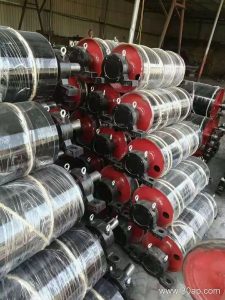
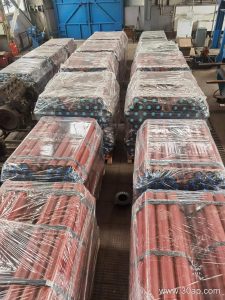
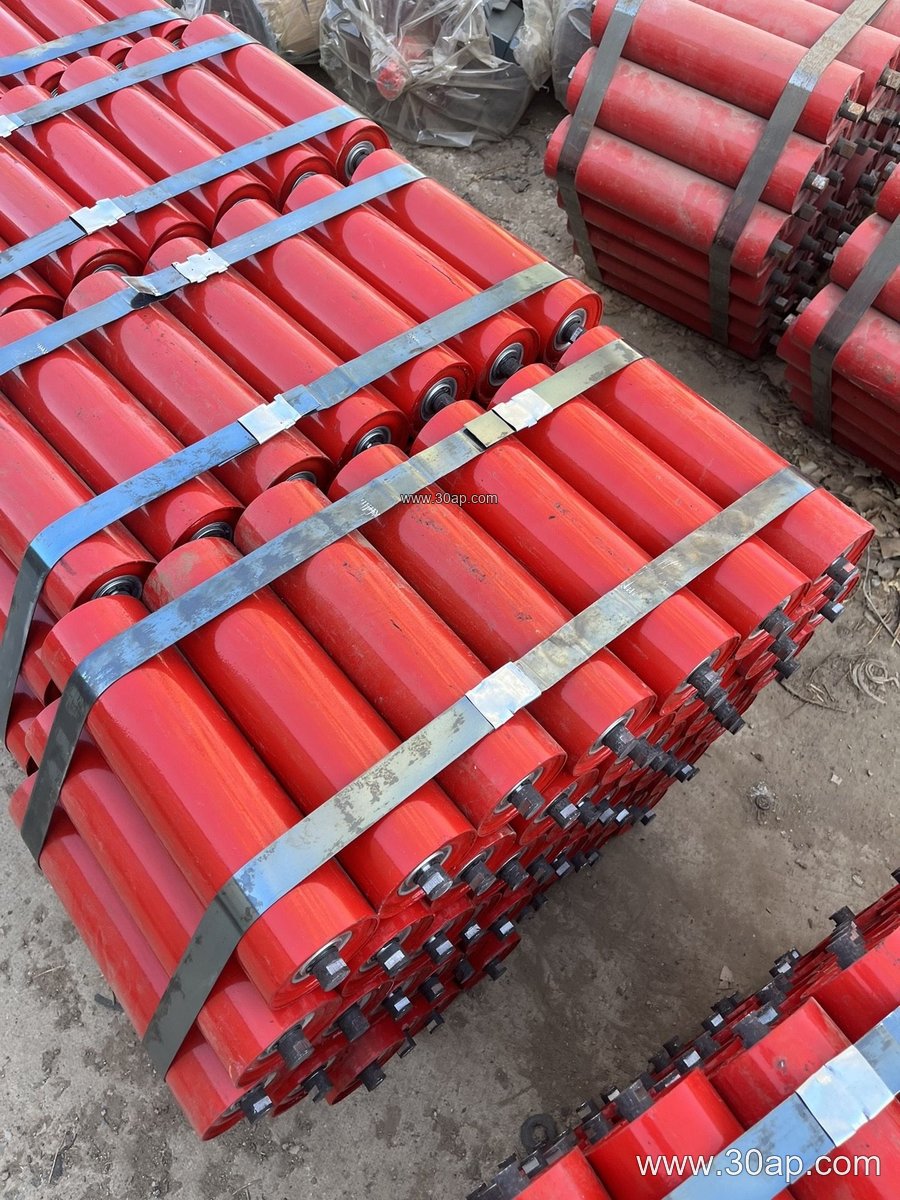
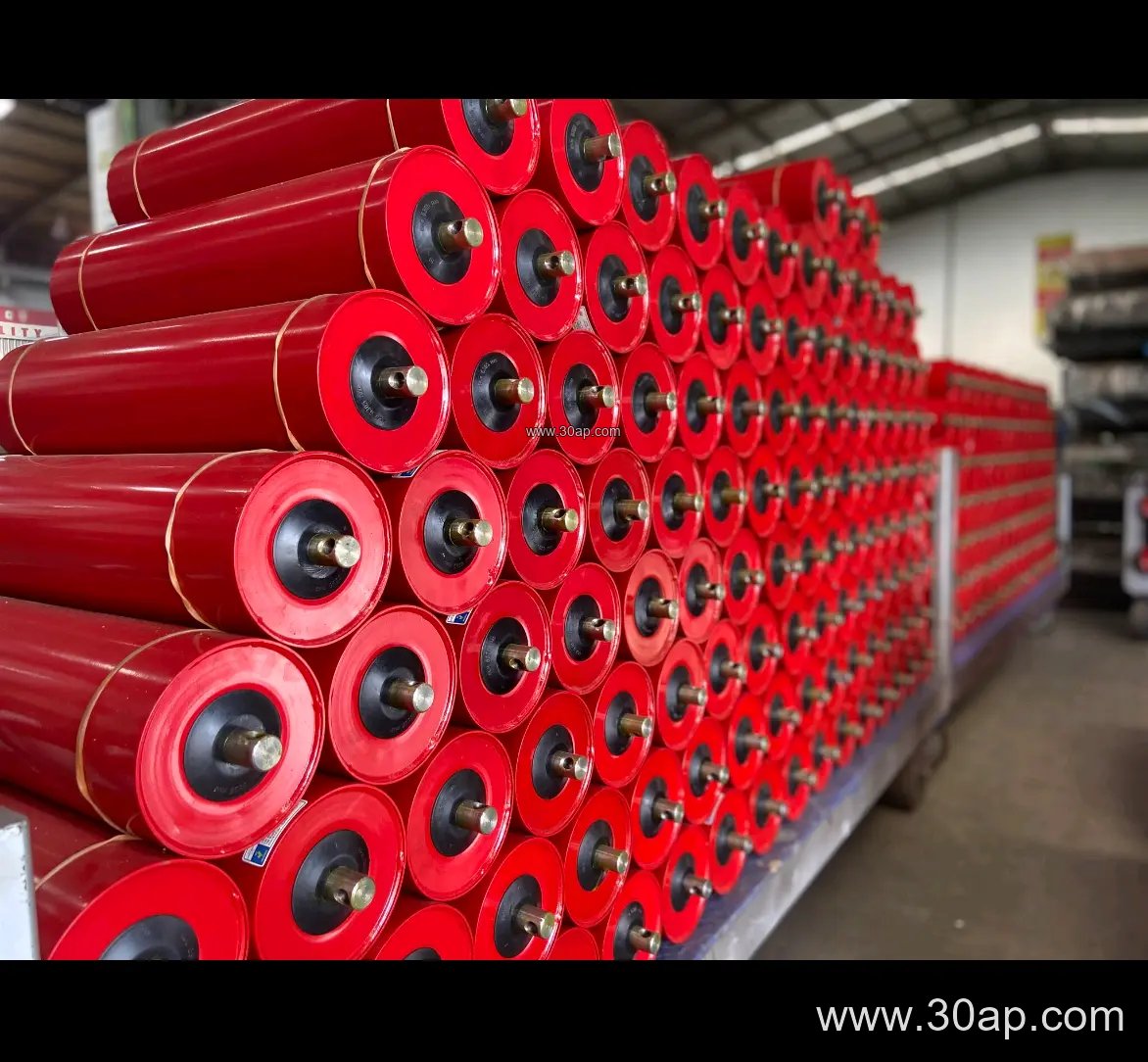
The main body is a steel tube with machined ends, fitted with a shaft, bearing housings, and a sealing arrangement. Roller surface can be plain steel, nylon, ceramic, or rubber rings, depending on whether the aim is abrasion resistance, material build-up control, or impact damping. Bearing sizes commonly seen include 6204, 6205, 6305, 6306, 6308, and 6310; the correct bearing is chosen by load and speed, not by belt width alone. Sealing is often the difference between a long life and a seized roller in a dusty crushing circuit. A heavy-duty idler roller for a mine or a stone crushing line usually gets a multi-stage labyrinth seal and a grease-retention design.
Common Idler Forms and Their Place
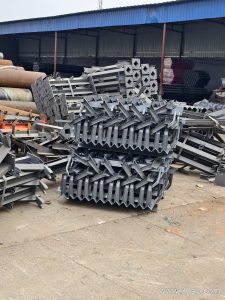
- Troughing idlers: three-roll sets that shape the belt into a trough, usually at 20, 30, 35, or 45 degrees.
- Impact idlers and rubber-ring impact idlers: placed under the loading point to absorb the drop of rock or ore.
- Return idlers: flat or V-shaped, supporting the empty belt on the return run.
- Self-aligning idlers: friction, tapered, or other designs used to correct belt drift.
- Spiral and comb idlers: used where sticky material tends to build up on the roller.
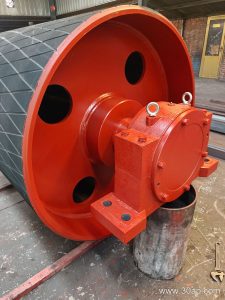
Drive pulleys, tail pulleys, and bend pulleys are separate components and are not interchangeable with idlers. A conveyor pulley transmits power or changes belt direction; the idler only supports the belt. This distinction matters when specifying spare parts for a conveyor bracket or a pulley assembly.
Where Heavy-Duty Idlers Are Used
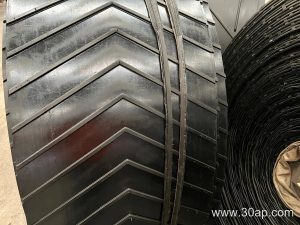
Typical duty is found in a limestone quarry, an iron ore or copper ore handling circuit, a coal washing plant, a cement plant, and a power plant coal conveying system. The same roller type appears under a crusher conveyor belt, an aggregate conveyor belt, and a ship loading conveyor belt. In these circuits the belt may be a heavy-duty mining conveyor belt, an abrasion resistant conveyor belt, or a steel cord conveyor belt such as ST1000 or ST1600, and the idler must match the belt load and speed. A pipe conveyor belt or a corrugated sidewall conveyor belt may use different idler arrangements, so the roller selection should follow the conveyor design rather than a generic rule.
Reading Diameter, Belt Width, and Roll Length
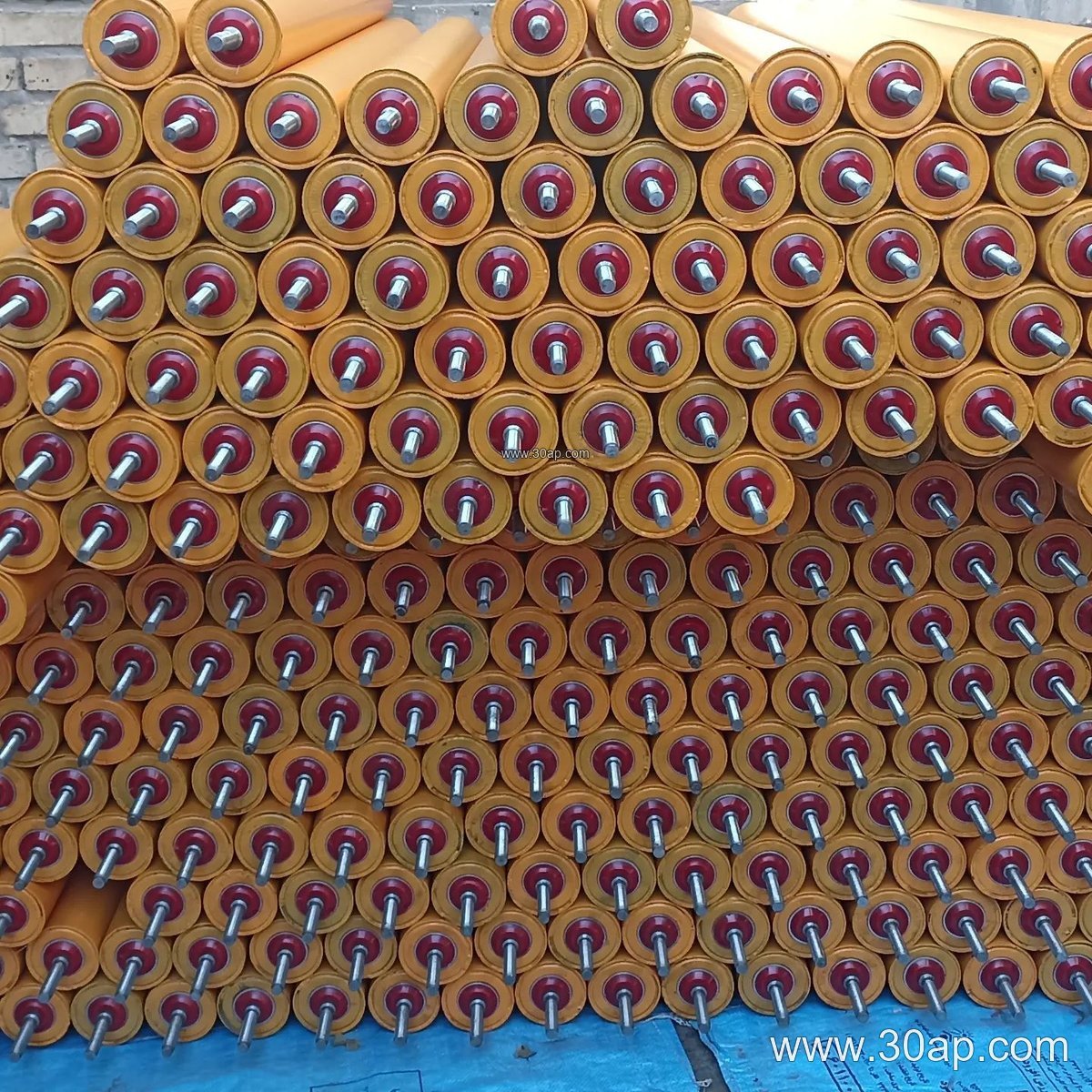
Idler diameter and roll length are chosen together with belt width, trough angle, and load. Common roll diameters include Ø63, Ø76, Ø89, Ø102, Ø108, Ø127, Ø133, Ø159, Ø178, Ø194, and Ø219 mm. Belt widths run from B400 and B500 up to B2000, B2200, and B2400. For a three-roll troughing set, a rough reference for roll length is shown below; side rolls and center rolls can differ, and these are examples only, not fixed matches.
| Belt width | Typical roll length (reference) |
|---|---|
| B500 | about 200 mm |
| B650 | about 250 mm |
| B800 | about 315 mm |
| B1000 | about 380 mm |
| B1200 | about 465 mm |
| B1400 | about 530 mm |
| B1600 | about 600 mm |
| B1800 | about 670 mm |
| B2000 | about 750 mm |
Do not assume that one belt width can only match one pulley diameter or one shaft size. Those values come from the conveyor design, the belt tension, and the load per idler station.
Buyer Checklist
- Confirm the actual belt width, trough angle, and idler spacing before ordering.
- Match the roller diameter to belt speed and load; larger diameters suit heavier belt and higher speed.
- Check the sealing class for dusty or wet conditions in a mine, quarry, or coal yard.
- Ask for the shaft and bearing size as a pair, not as a guess from belt width.
- Keep drive, tail, and bend pulleys out of the idler order; they are different parts.
- For impact zones, consider rubber-ring impact idlers rather than standard troughing rolls.
A well-chosen heavy-duty conveyor idler keeps the belt running true, reduces downtime, and protects the belt itself. Buyers who compare roller diameter, seal type, bearing, and roll length against the actual conveyor duty will get a more reliable result than those who order by belt width alone.