What a Steel Cord Conveyor Belt Is
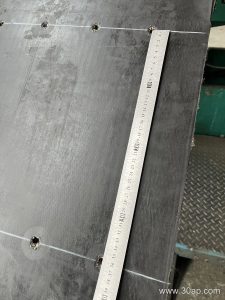
A Steel Cord Conveyor Belt is a high-strength rubber conveyor belt whose load-bearing skeleton is made of parallel steel cords running lengthwise through the rubber body. Instead of woven fabric plies, the tension members are thin brass-plated steel cables embedded in a core rubber compound. This construction lets the belt carry very high tensile loads over long distances with limited stretch, which is why it is common in mines, coal preparation plants, cement works, power stations, ports, and large quarry and aggregate operations.
The same product is also described as a steel cable conveyor belt or steel cord belt. It is a distinct type from fabric-reinforced belts such as an EP Conveyor Belt, NN Conveyor Belt, or Multi-Ply Fabric Core Conveyor Belt, and it is not a replacement for those lighter-duty designs.
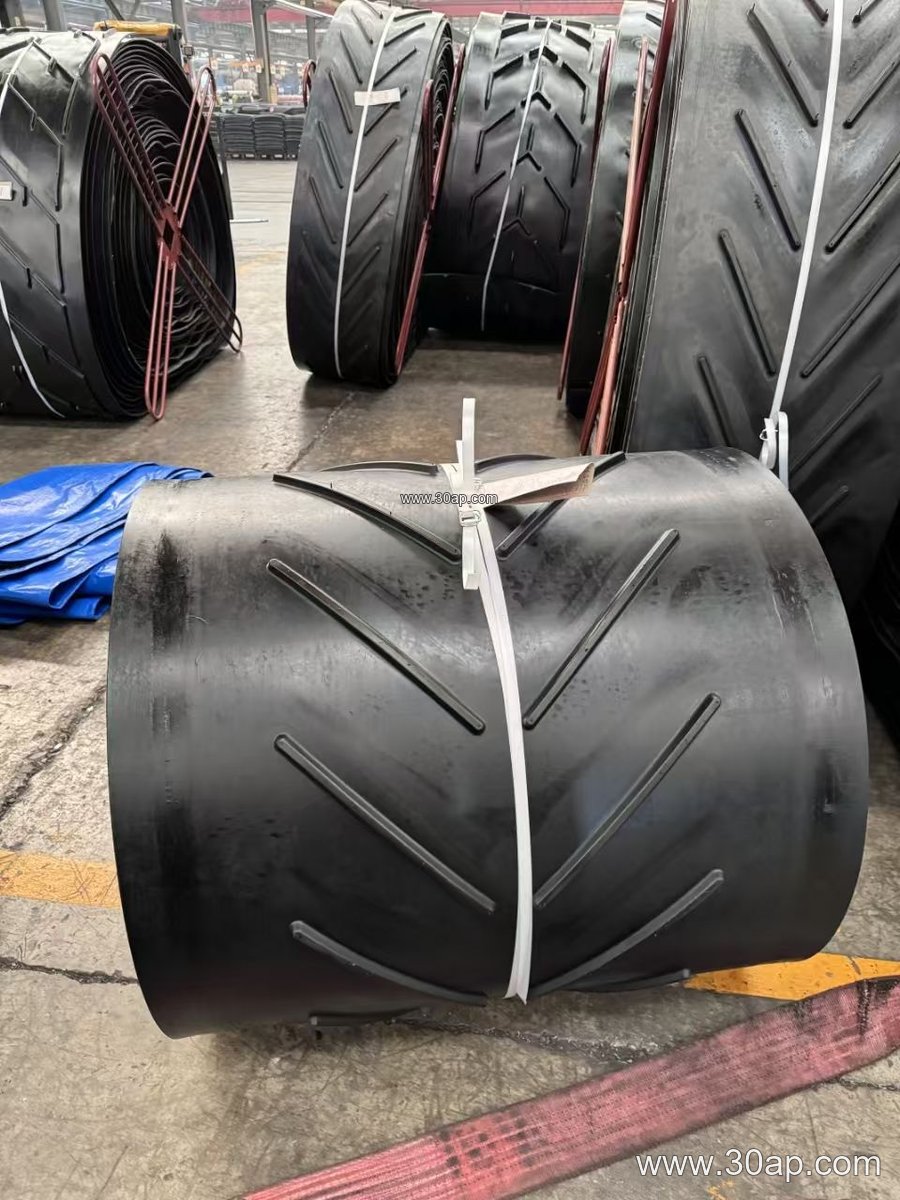
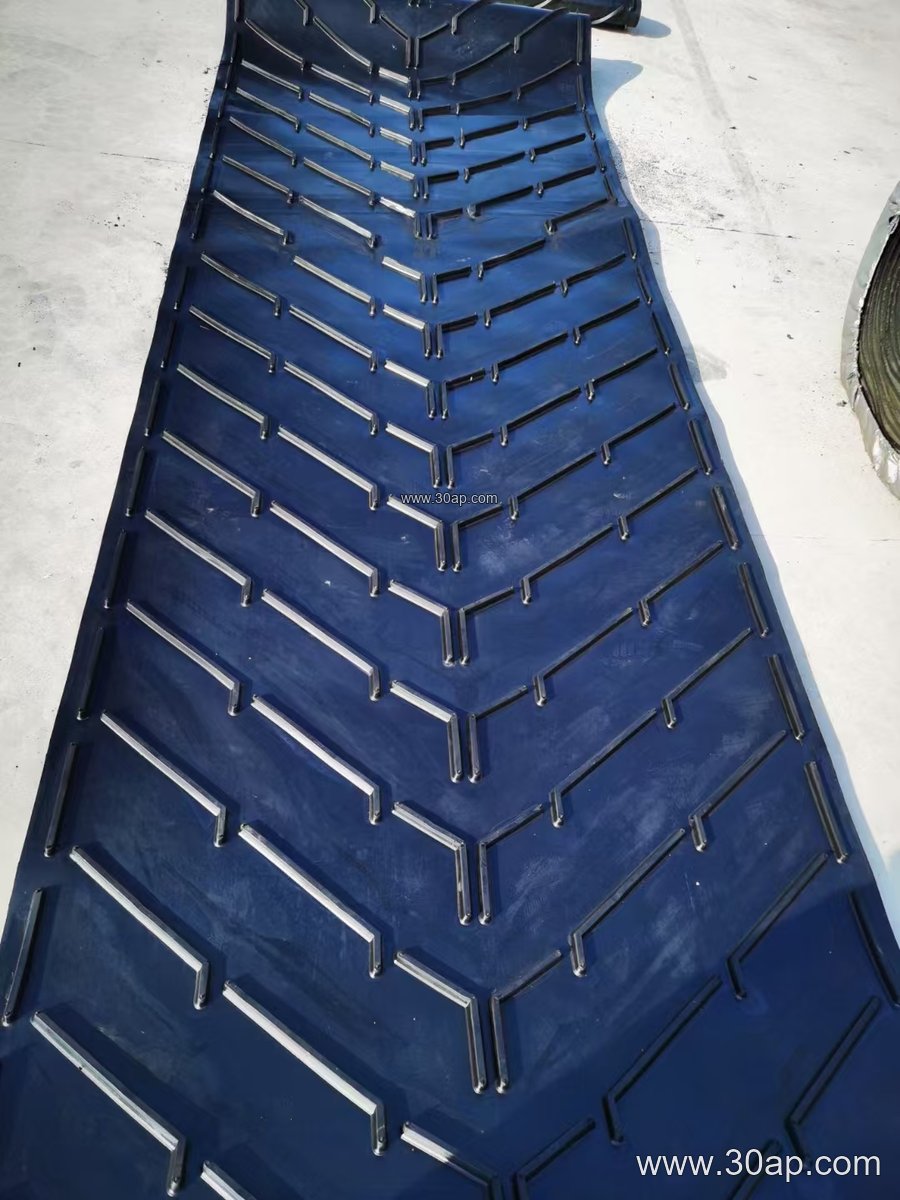
How the Belt Is Built
The structure usually includes top and bottom cover rubber, a steel cord layer, and core rubber that penetrates between the cords. The cords are spaced at a defined pitch and run parallel, so the belt behaves like a series of tension cables held in a rubber matrix. Cover rubber grades are chosen for the duty: abrasion resistant, heat resistant, flame retardant, oil resistant, cold resistant, or anti-static compounds may be specified. Edge construction and cord end preparation matter because splices are made by joining individual cords.
- Cover rubber: protects cords from impact, abrasion, heat, and moisture
- Steel cord layer: carries the main tensile load with low elongation
- Core rubber: bonds cords and cushions them under load
- Edges: shaped to suit pulley contact and tracking
Typical Strength Grades and Dimensions
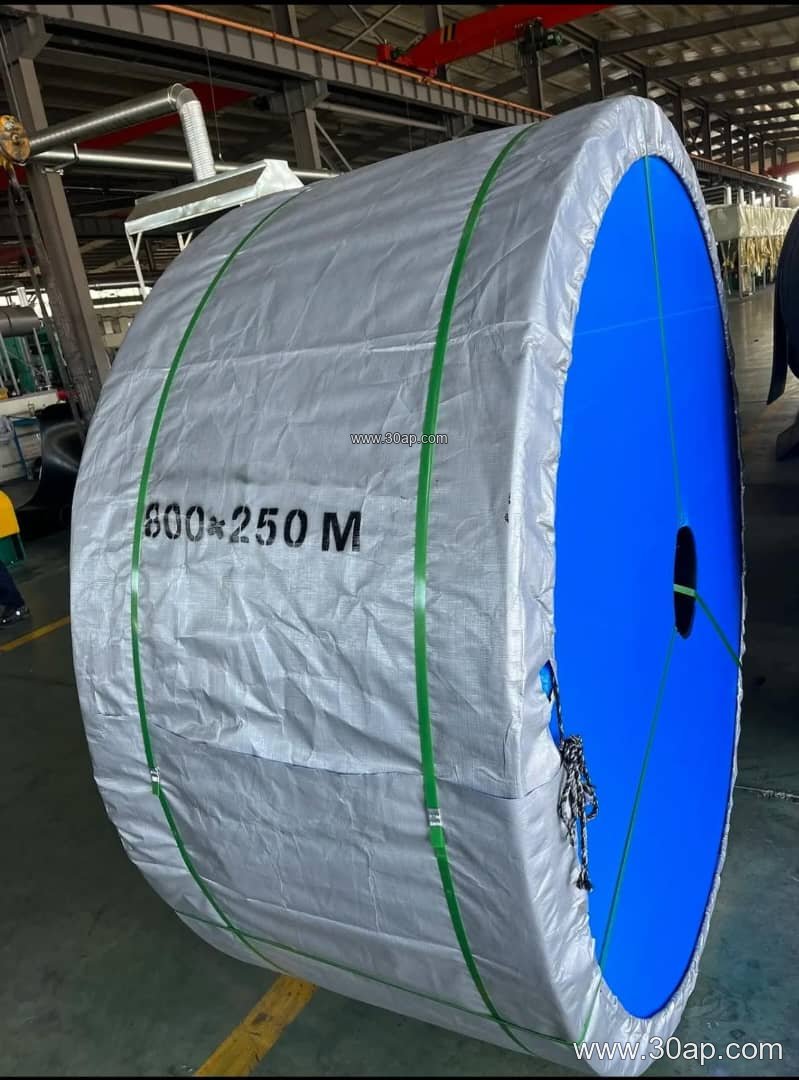
Steel cord belts are commonly identified by nominal tensile strength, for example ST1000, ST1250, ST1600, ST2000, ST2500, and ST3150. The number refers to the nominal breaking strength in newtons per millimetre of belt width. Belt width is selected with the conveyor design, and common widths include 800 mm, 1000 mm, 1200 mm, 1400 mm, 1600 mm, 1800 mm, and 2000 mm. Cover thickness is often expressed as top plus bottom, such as 6+2 mm or 8+3 mm. These values are reference data; actual specifications depend on the manufacturer and the conveyor design.
| Parameter | Common Reference Range |
|---|---|
| Strength grade | ST1000 to ST3150 |
| Belt width | 800 mm to 2000 mm |
| Cover thickness | 6+2 mm, 8+3 mm and other combinations |
| Cord pitch | Set by design for the strength grade |
Where It Fits in a Conveyor System
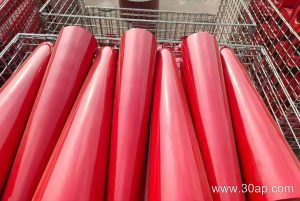
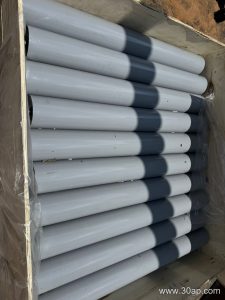
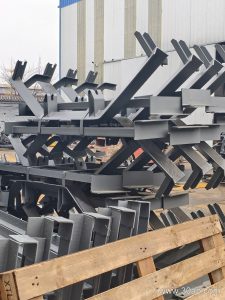
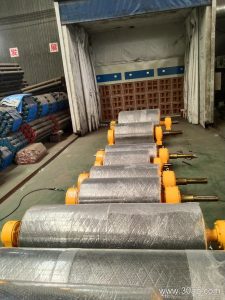
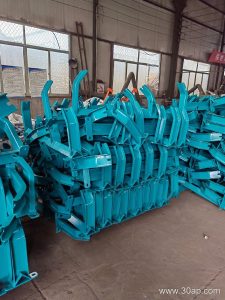
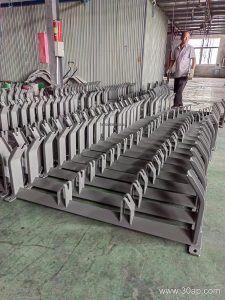
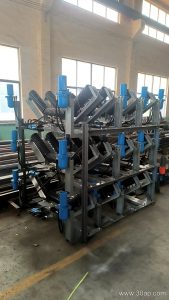
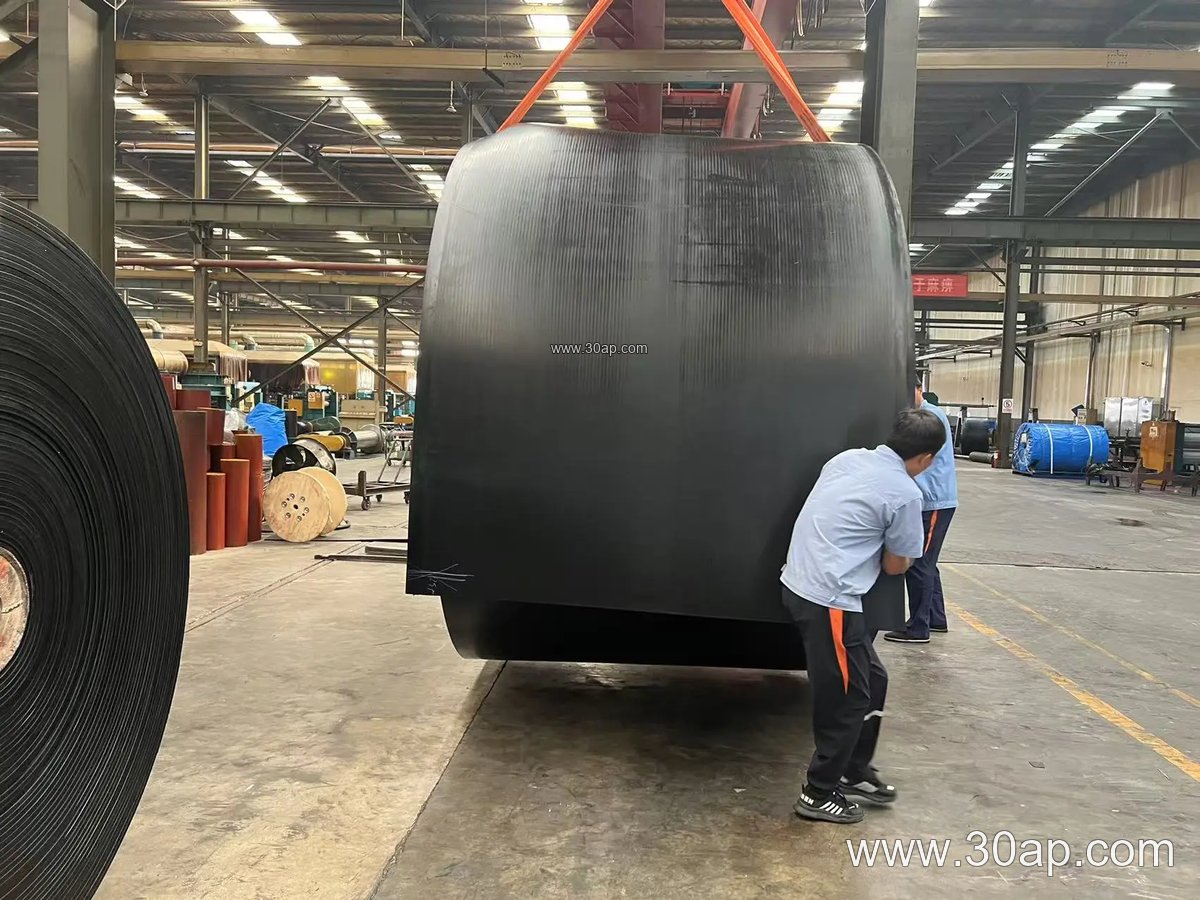
This belt is normally used on long overland conveyors, incline and decline haulage routes, and high-capacity trunk conveyors in mining and bulk terminals. It runs over a drive pulley, tail pulley, and bend pulleys, and it is supported by idler rollers along the carrying and return sides. Conveyor brackets and frames hold the idlers and pulleys in alignment. Drive, tail, and bend pulleys are not interchangeable names; each has a different role in the conveyor layout.
In coal mining and underground coal mining, flame retardant and anti-static grades are often requested. In cement plants, power plants, and steel plants, heat resistant or abrasion resistant covers may be needed. Quarry, crusher, and aggregate lines handling rock and ore may use heavy-duty covers, while port and ship loading conveyors favor wide belts and high strength grades. For lighter duties, an EP Conveyor Belt or a Chevron Conveyor Belt with patterned surface may be more suitable; a Pipe Conveyor Belt is a different system for enclosed routing.
What Buyers Should Check
Selection starts with the peak tensile load, belt width, speed, lump size, and the material being carried. Buyers should confirm the required strength grade, cover compound, cover thickness, and whether flame retardant or anti-static properties are needed. Splice design and cord end preparation should be agreed with the belt supplier because the joint is often the critical point. Storage, handling, and pulley alignment also affect service life, so check that idler rollers and pulleys are in good condition before installation.
Ask for the manufacturer’s data sheet for the exact grade and width rather than relying on a generic table. A belt that suits one conveyor may not suit another, and no single width or strength grade is mandatory for every application.