What a Conveyor Idler Frame Does on a Running Belt
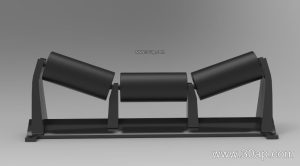
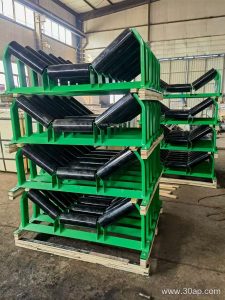
A conveyor idler frame is the structural element that holds idler rollers in the correct position relative to the moving belt. It is often called a conveyor idler bracket or idler support frame, and its job is simple to describe but demanding in practice: keep every roller at the right height, angle and spacing so the belt runs true, the load stays centered, and the roller bearings are not fighting the structure. On a quarry conveyor or a power plant coal handling line, a loose or misaligned frame shows up quickly as belt wander, spillage and uneven roller wear.
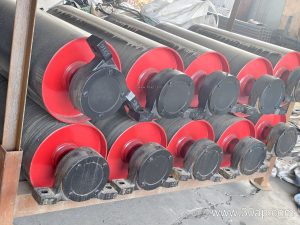
The frame is not a pulley. Drive pulleys, tail pulleys and bend pulleys transmit or redirect belt tension, while the idler frame only supports the belt between those points. Mixing up these roles leads to the wrong spare parts and unnecessary downtime.
How the Frame Is Built
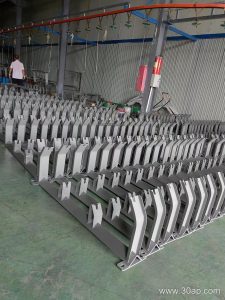
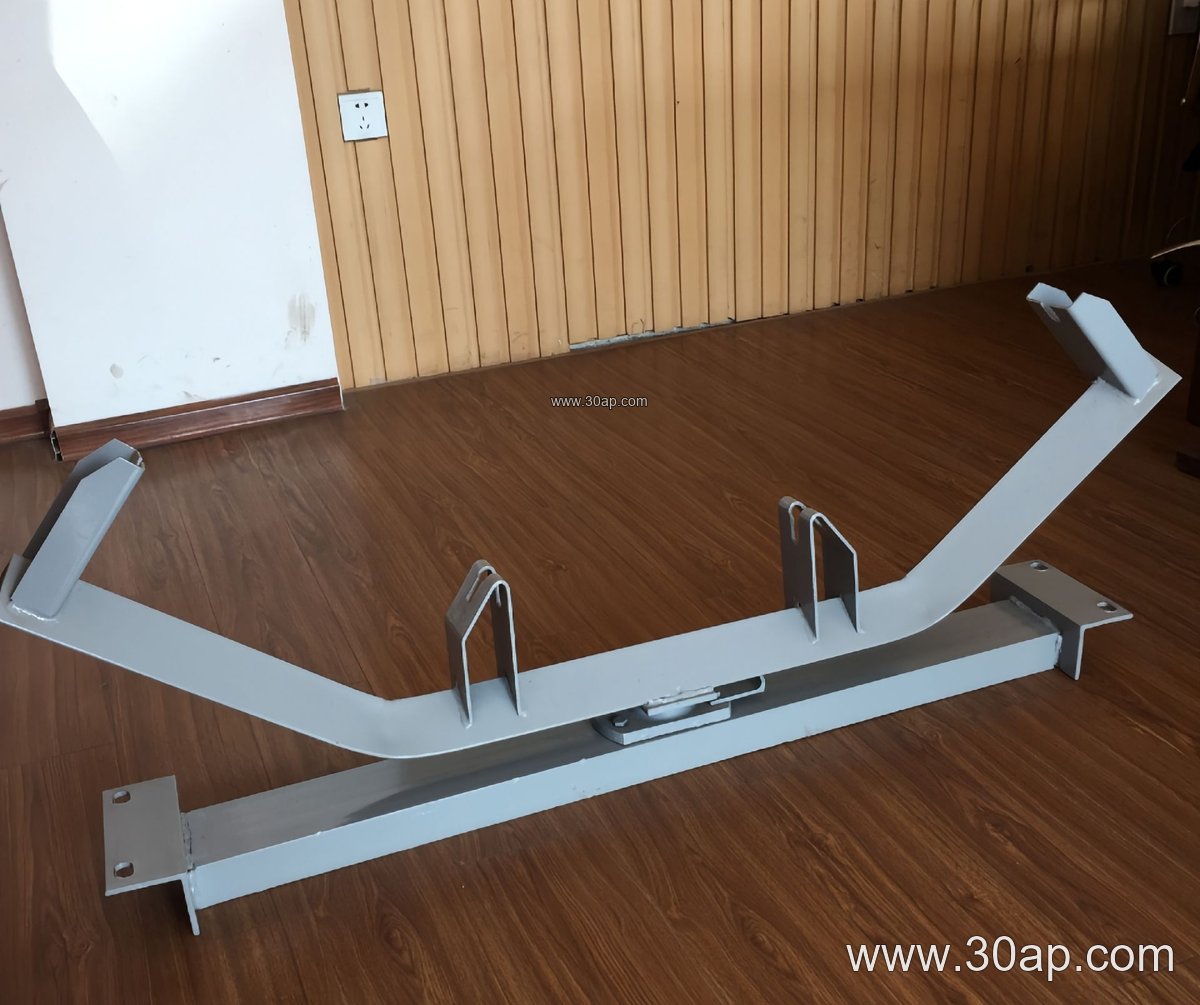
Most frames are fabricated from angle steel, channel steel or folded steel plate. A troughing frame carries three rollers in a trough shape; a return frame supports the belt on its clean side, often with a flat or V-shaped arrangement. Transition frames ease the belt from flat to troughed, and impact frames sit under loading points where material falls onto the belt.
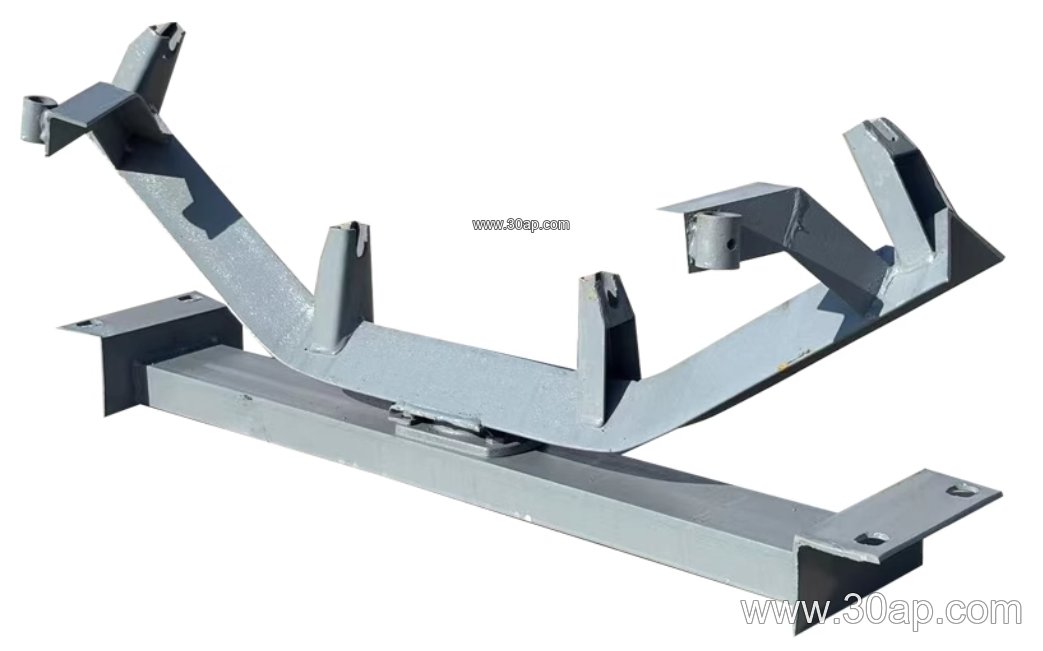
Typical build details include:
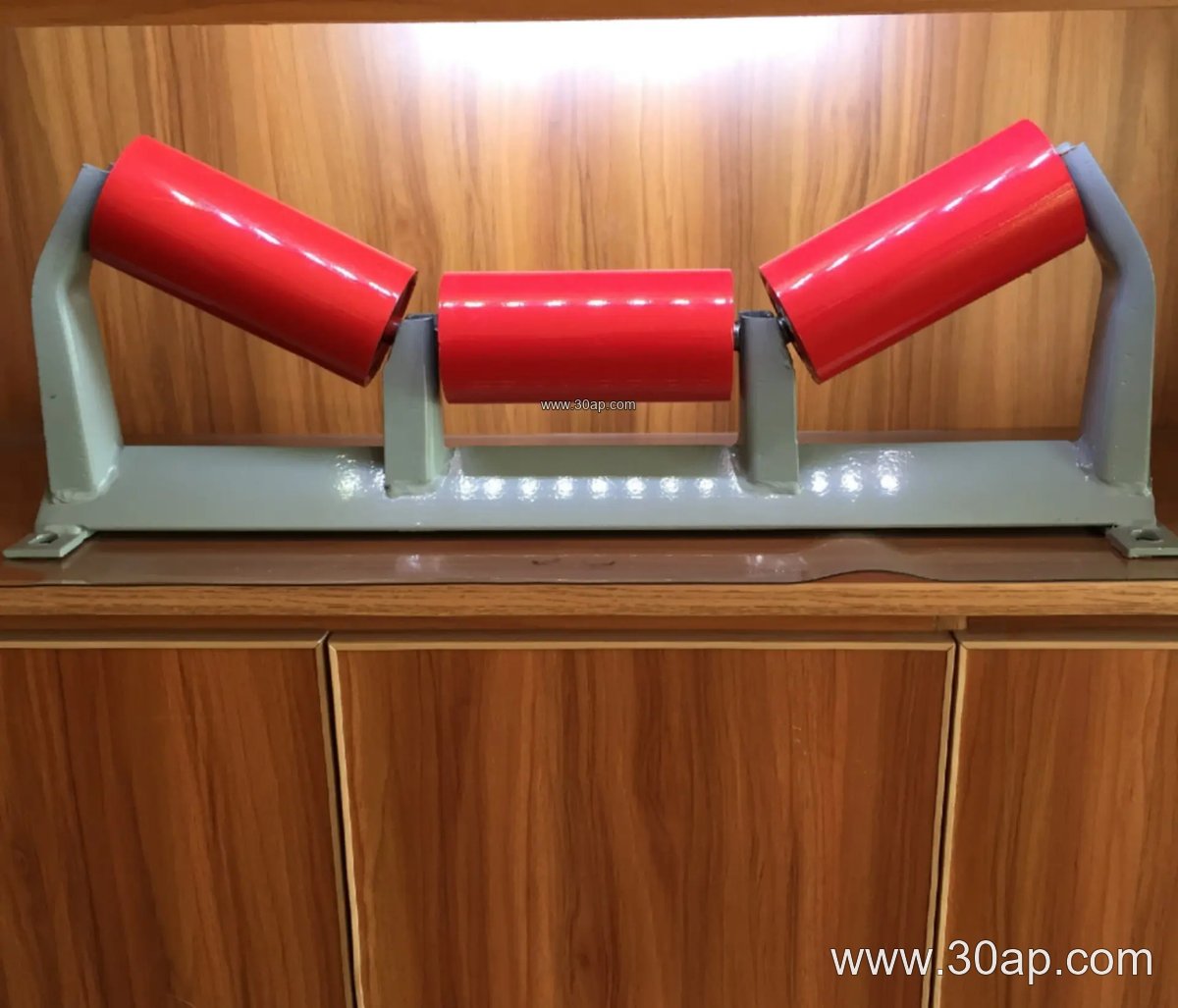
- Welded or bolted cross beams sized to the belt width
- Slotted or drilled mounting holes for roller shafts
- Adjustable legs or brackets for height and alignment correction
- Reinforced impact sections under chutes and transfer points
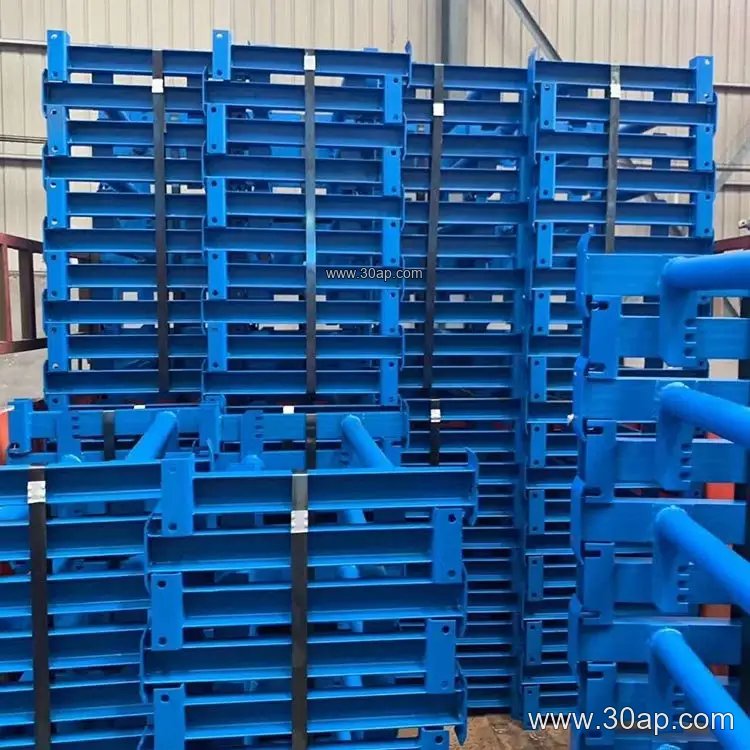
Because hole spacing and beam length change with belt width and trough angle, a frame is normally made to match the conveyor design rather than picked from a single universal size.
Common Configurations and Reference Dimensions
The table below shows typical frame arrangements and the parameters that usually drive the design. Values are for reference only and should be confirmed against the actual conveyor layout.
| Frame Type | Belt Width Examples | Trough Angle | Roller Diameter Examples |
|---|---|---|---|
| Troughing frame | B650, B800, B1000 | 20°, 30°, 35° | Ø89, Ø108, Ø133 |
| Transition frame | B1000, B1200, B1400 | 20° to 35° | Ø108, Ø133, Ø159 |
| Return frame | B800, B1200, B1600 | Flat or V-return | Ø108, Ø133, Ø159 |
| Impact frame | B1000, B1400, B1800 | 30°, 35°, 45° | Ø133, Ø159, Ø194 |
| Self-aligning frame | B650 to B2000 | 20° to 45° | Ø89 to Ø194 |
Adjustable frames allow the trough angle to be changed within a range, commonly between 20° and 45°, which helps when belt loading conditions vary. Forward-tilted frames, often around 1.5° to 2°, are used to encourage belt tracking.
Where These Frames Are Used
Idler frames appear wherever a conveyor belt runs over distance. In a limestone mine or aggregate plant, troughing and impact frames carry crushed rock through crusher and screening circuits. In a cement plant, they support clinker and raw meal lines. In a coal-fired power station, return and troughing frames keep the coal stream steady on long inclined runs. Port bulk terminals and steel plant sinter lines use similar frames, often with heavier sections for continuous duty.
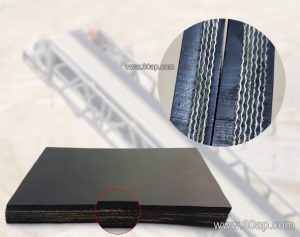
The frame must suit the belt it carries. A heavy-duty mining conveyor belt running at high tonnage needs a stiffer frame than a light aggregate line, and an abrasion resistant conveyor belt handling sharp stone puts different demands on roller spacing than a smooth fabric core belt.
Choosing and Maintaining the Right Frame
Buyers should start with belt width, trough angle, roller diameter and the load at each station. A B1200 conveyor at 45° with Ø133 rollers is a different structure from a B650 line at 30° with Ø89 rollers, even though both are troughing frames. Check that mounting holes match the actual roller shaft, and confirm beam length against the conveyor stringer spacing.
During service, inspect frames for bent beams, elongated bolt holes and corrosion at welded joints. A frame that has shifted sideways will push the belt off center and load one edge of the conveyor belt. Replacing a distorted frame early is usually cheaper than replacing the rollers and belt edge it damages.
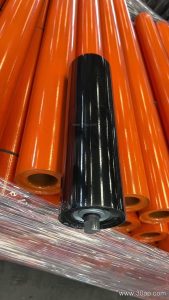
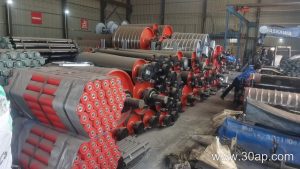
For matching components, users often compare idler roller and conveyor pulley options from the same supplier so that frame dimensions, shaft ends and belt width stay consistent across the whole conveyor.