What a Crusher Conveyor Belt Does
A crusher conveyor belt is the heavy-duty belt that carries crushed rock, ore, or aggregate away from the crusher and up the plant conveyor. It is not a single product category but a working description of a conveyor belt used in a crushing circuit, where the belt must tolerate sharp edges, high impact, and continuous loading. In mining, coal, cement, power, and sand and gravel plants, this belt often runs at high tension and must resist abrasion, cutting, and sometimes heat or oil. The same belt is correctly called a rock conveyor belt or an aggregate conveyor belt when the duty matches; these are equivalent names for the same product in this context.
Construction and Common Belt Types
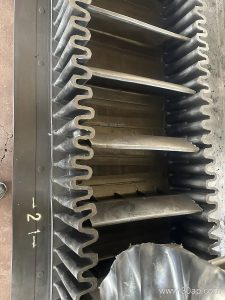
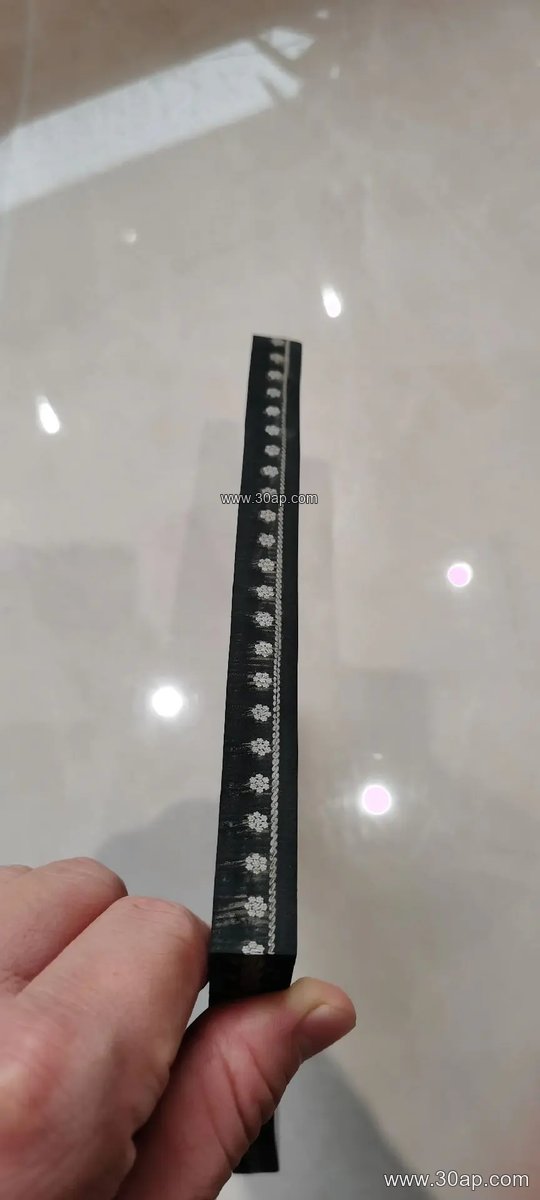
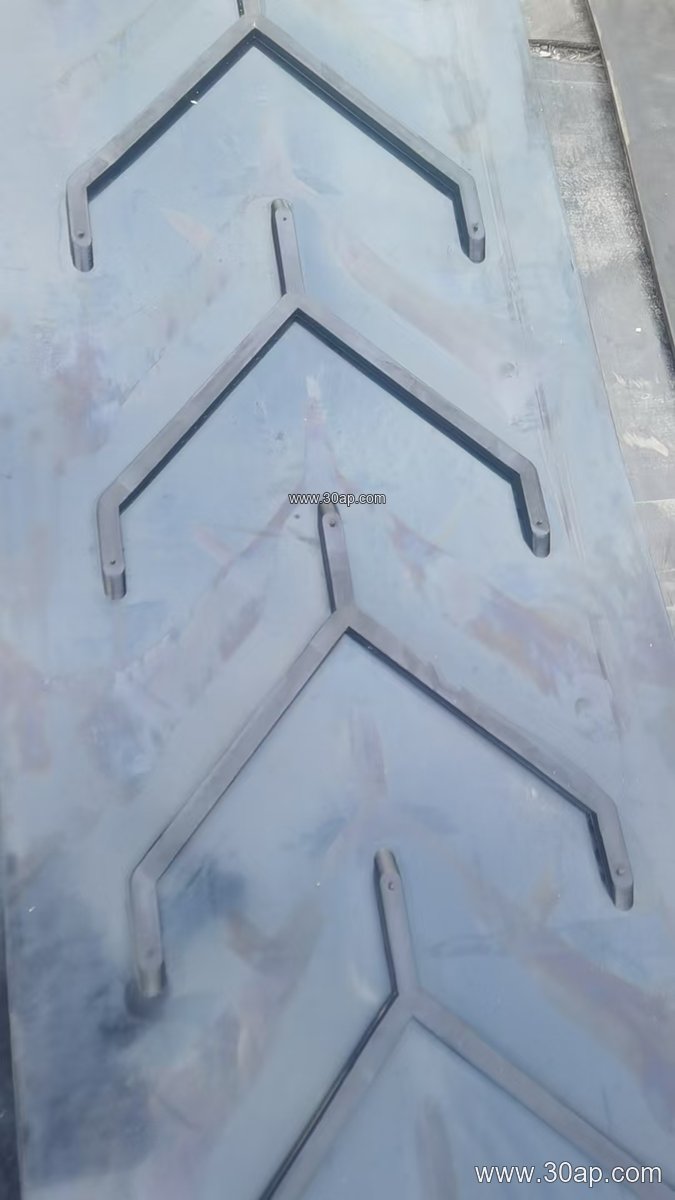
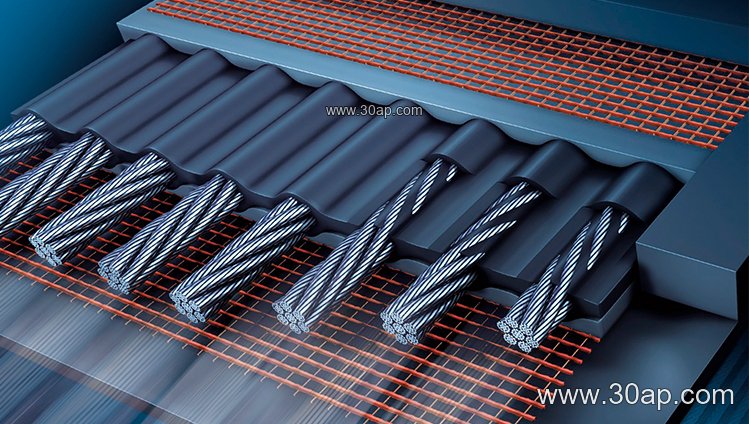
Most crusher belts are fabric core or steel cord constructions. A fabric core conveyor belt uses multiple plies of EP or NN fabric; an EP conveyor belt is common in medium to heavy duty, while a steel cord conveyor belt is chosen for long runs and high strength. The rubber cover protects the carcass and carries the load. Cover thickness is often expressed as top plus bottom, for example 4+2 mm or 6+2 mm, and 8+3 mm appears in very abrasive service. The carcass may have 2 to 6 plies in fabric designs. Surface forms such as a chevron conveyor belt help on inclines; a corrugated sidewall conveyor belt or skirted conveyor belt contains material on steep lifts. Special grades include heat resistant, oil resistant, flame retardant, abrasion resistant, and anti-static conveyor belts.
Typical Specifications and Reference Data
Belt width and strength are selected together with the conveyor pulley and idler roller arrangement. The table below gives common reference values; actual supply depends on the plant design and manufacturer. These are not mandatory combinations, and a given width can match more than one pulley diameter.
| Parameter | Common reference values |
|---|---|
| Belt width | B500, B650, B800, B1000, B1200, B1400, B1600, B1800, B2000 |
| EP strength grades | EP200, EP315, EP400, EP500, EP630, EP800, EP1000, EP1250, EP1600, EP2000 |
| Cover thickness (top + bottom) | 3+1.5 mm, 4+2 mm, 5+2 mm, 6+2 mm, 8+3 mm |
| Fabric plies | 2 to 6 plies |
For example, an EP1000 1200mm conveyor belt may be used on a primary crushing discharge, while a wider 1800mm belt is more typical of high-capacity plants. Widths from 500mm to 2000mm appear across quarry and mining circuits, and the exact figure follows the tonnage and lump size.
Where the Belt Is Used
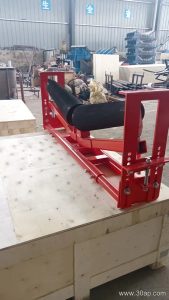
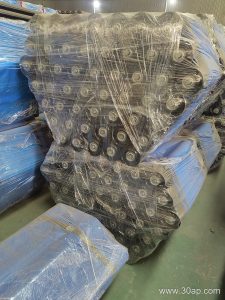
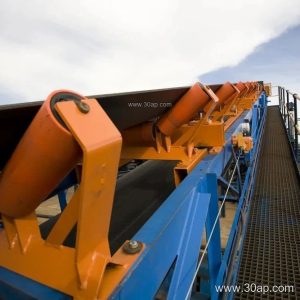
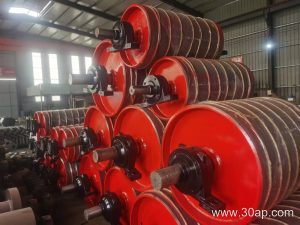
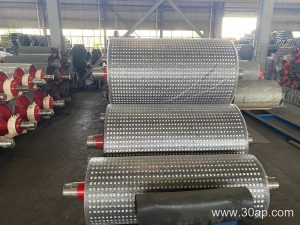
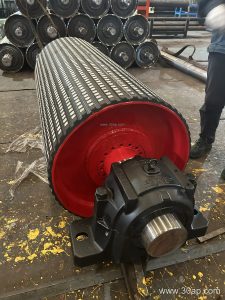
In a stone crushing plant, the crusher conveyor belt moves material from the primary jaw or impact crusher to screens and stockpiles. In coal mining, a flame retardant conveyor belt or PVG conveyor belt is often required underground, and a coal mining conveyor belt may run alongside a underground mining conveyor belt system. Iron ore and copper ore circuits favor high abrasion resistant belts; cement plants may use heat resistant conveyor belts near clinker. Power plants and steel plants handle coal and coke with heavy-duty mining conveyor belts. The belt works together with the conveyor pulley, idler roller, and conveyor bracket, so alignment and loading conditions matter as much as the belt grade.
Buyer Checklist
- Confirm the duty: abrasion, impact, heat, oil, or flame risk. A fire resistant conveyor belt is not automatically oil resistant, and a heat resistant belt has its own limits.
- Match strength grade to the conveyor design, not to a single number. EP800 and EP1000 are common in crushing plants, but the calculation governs.
- Check cover thickness and surface form. A smooth belt suits most horizontal runs; a chevron or corrugated sidewall belt suits inclines.
- Review splice and edge quality. An endless conveyor belt made at the factory can reduce joint risk, but field splicing is normal on many installations.
- Inspect pulleys and idlers. A worn conveyor pulley or seized idler roller can damage a new belt quickly.
For more on matching belts to conveyor components, see the technical pages at conveyor belting and idler roller guidance. A crusher conveyor belt is a wear part, so keep records of cover wear, edge damage, and splice condition. Replace or repair before the carcass is exposed. The right belt grade, width, and cover for the crusher duty will outlast a generic belt in the same position.