What the ST1000 Conveyor Belt Is
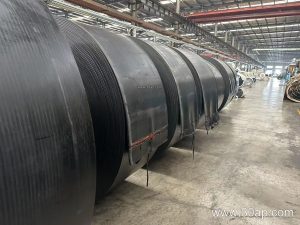
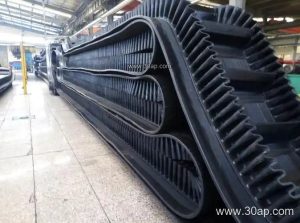
The ST1000 Conveyor Belt is a steel cord conveyor belt with a nominal tensile strength of 1000 N/mm. It belongs to the steel cord family, where high-carbon steel cables run longitudinally through a rubber matrix instead of fabric plies. This construction gives the belt excellent length stability, low elongation, and the ability to carry heavy loads over long distances. In mining, cement, and port operations, the ST1000 grade is often chosen for main haulage lines where a fabric belt would need too many splices or too much take-up travel. For a comparable fabric option, an EP1000 Conveyor Belt offers similar strength but with a different elongation profile and splice method; the ST1000 remains the steel cord choice for high-tension duties.
Construction and Key Components
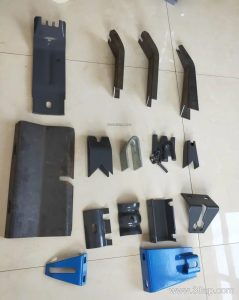
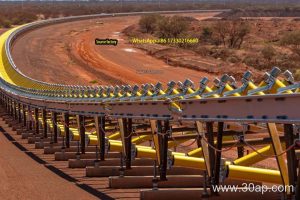
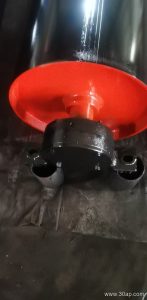
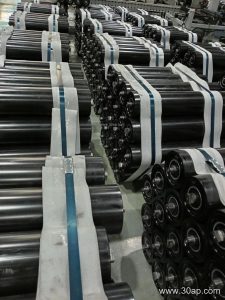
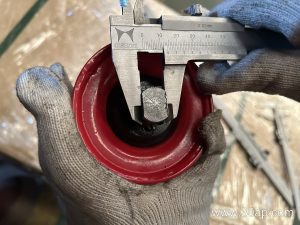
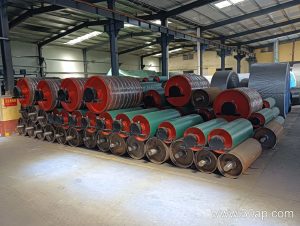
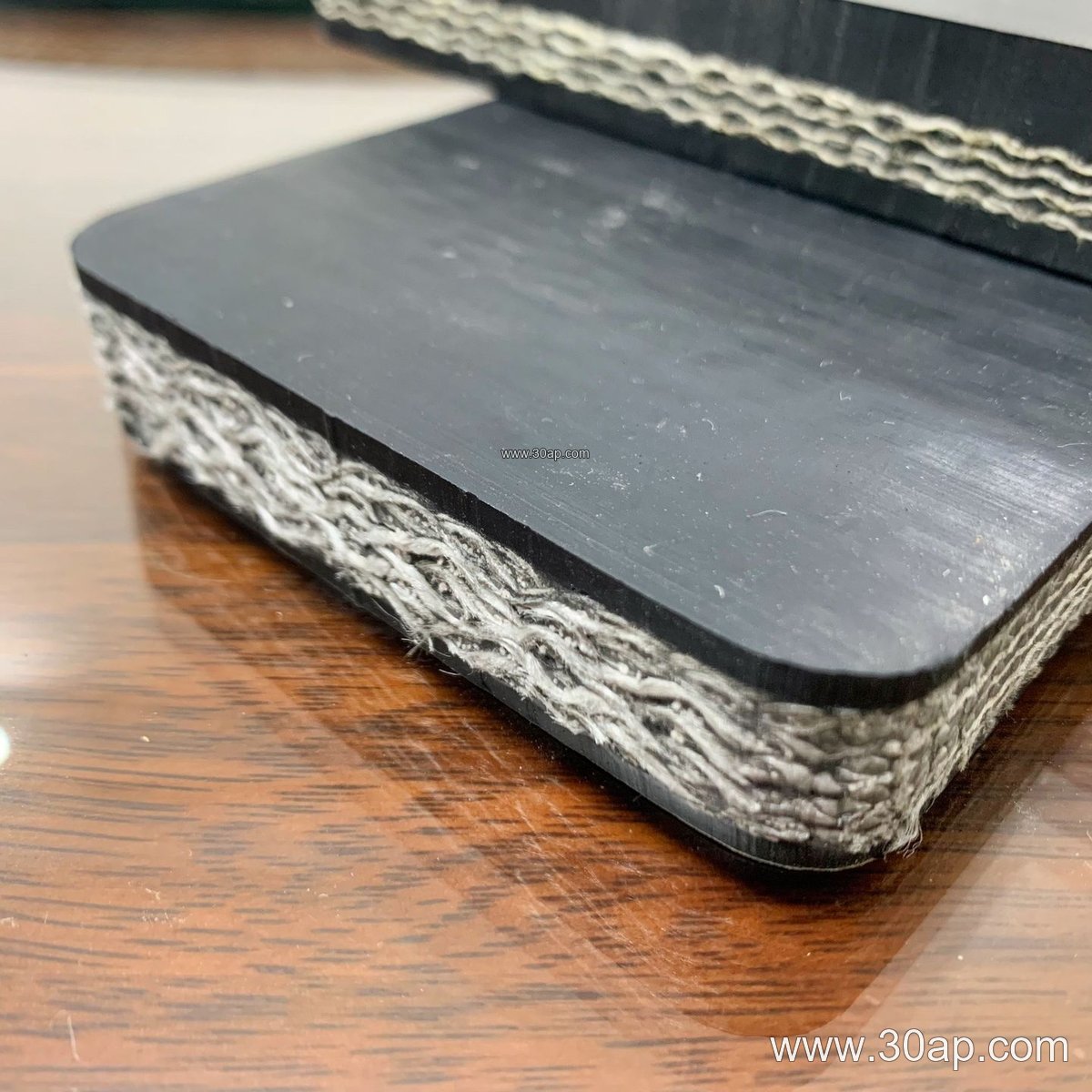
A typical ST1000 belt consists of a steel cord carcass, a top cover, a bottom cover, and sometimes a transverse reinforcement layer to resist impact and tearing. The cords are arranged in a single plane and spaced to distribute load evenly. Cover rubber grades are selected for the application: abrasion resistant compounds for crusher discharge, heat resistant grades for clinker or sinter, flame retardant and anti-static grades for underground coal mining, and oil resistant covers for recycled material lines. The belt works together with a conveyor pulley at the head and tail, idler roller sets along the carrying and return sides, and conveyor bracket frames that keep alignment stable. Drive, tail, and bend pulleys each have a distinct role and are not interchangeable; the ST1000 belt is matched to the pulley diameter and shaft load by the conveyor designer, not by belt width alone.
Common Sizes and Reference Data
Steel cord belts are produced in a range of widths and cover thicknesses. The table below shows typical reference values for the ST1000 grade; actual supply depends on the manufacturer and the conveyor design.
| Parameter | Common Reference Range |
|---|---|
| Belt width | B800, B1000, B1200, B1400, B1600, B1800, B2000 |
| Cover thickness (top + bottom) | 4+2 mm, 5+2 mm, 6+2 mm, 8+3 mm |
| Cord pitch | 10 mm, 12 mm, 15 mm (design dependent) |
| Nominal tensile strength | 1000 N/mm |
Widths such as 1200mm Wide Conveyor Belt and 1500mm Wide Conveyor Belt are common in cement plant and power plant main lines. A 1000mm Conveyor Belt may suit a medium-capacity quarry conveyor, while an 1800mm Wide Conveyor Belt is often seen in large iron ore or copper ore terminals. These are reference examples, not fixed rules; the final width and cover grade are set by the conveyor capacity, lump size, and loading conditions.
Where the ST1000 Belt Is Used
This belt grade appears in several heavy industries:
- Coal mining, including underground coal mining conveyor systems where flame retardant and anti-static properties are required.
- Metal mining for iron ore, copper ore, and gold mining operations, often as a Heavy-Duty Mining Conveyor Belt on primary haulage.
- Cement plants moving limestone, clinker, and additives over long distances.
- Power plants handling coal and ash on high-tonnage lines.
- Ports and ship loading conveyors where a stable, low-stretch belt reduces downtime.
- Sand and aggregate plants using a Quarry Conveyor Belt or Crusher Conveyor Belt after primary crushing.
In these settings, the ST1000 works alongside conveyor pulley assemblies, idler rollers, and conveyor brackets. The belt itself does not replace those components; it is one part of a matched system.
Selection and Maintenance Notes
Buyers should confirm the required tensile strength, belt width, cover thickness, and rubber grade before ordering. For underground coal mining, a Flame Retardant Conveyor Belt with anti-static properties is usually specified. For hot materials such as cement clinker, a Heat Resistant Conveyor Belt grade is needed. For abrasive rock, an Abrasion Resistant Conveyor Belt cover extends service life. The ST1000 grade can be supplied with different cover compounds, so the same strength class may appear in several versions.
During operation, check splice condition, pulley lagging, and idler roller alignment. A misaligned conveyor bracket or a seized idler can damage the belt edge quickly. Keep the belt tracking straight and maintain proper tension; steel cord belts have low elongation but still require correct take-up adjustment. When replacing a belt, verify that the new ST1000 Conveyor Belt matches the original cord pitch and cover thickness so that pulley diameters and transition distances remain suitable.
For more information on steel cord and fabric conveyor belts, idler rollers, and conveyor pulleys, visit our product pages. The ST1000 Conveyor Belt remains a practical choice for high-tension, long-distance haulage in mining, cement, power, and port applications.