What a Friction Idler Does on a Conveyor
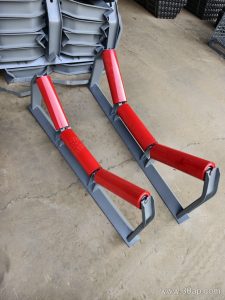
A friction idler is a self-aligning idler roller that uses friction between the rotating roller and the moving conveyor belt to bring a misaligned belt back toward the center of the structure. Instead of relying only on gravity or fixed side guides, this idler reacts to belt drift: when the belt contacts the roller surface at an angle, the friction force turns the roller assembly slightly and steers the belt back on track. It is a practical choice on long runs where belt wander can cause edge damage, spillage, and premature wear on the conveyor belt and frame.
The friction idler is one member of the alignment family, alongside the taper self-aligning idler and the ordinary self-aligning idler. These are different designs and are not interchangeable; the friction type is distinguished by the way it converts belt contact into a corrective swing. It is also not a substitute for a bend pulley, drive pulley, or tail pulley, which serve entirely different duties in the conveyor drive and return system.
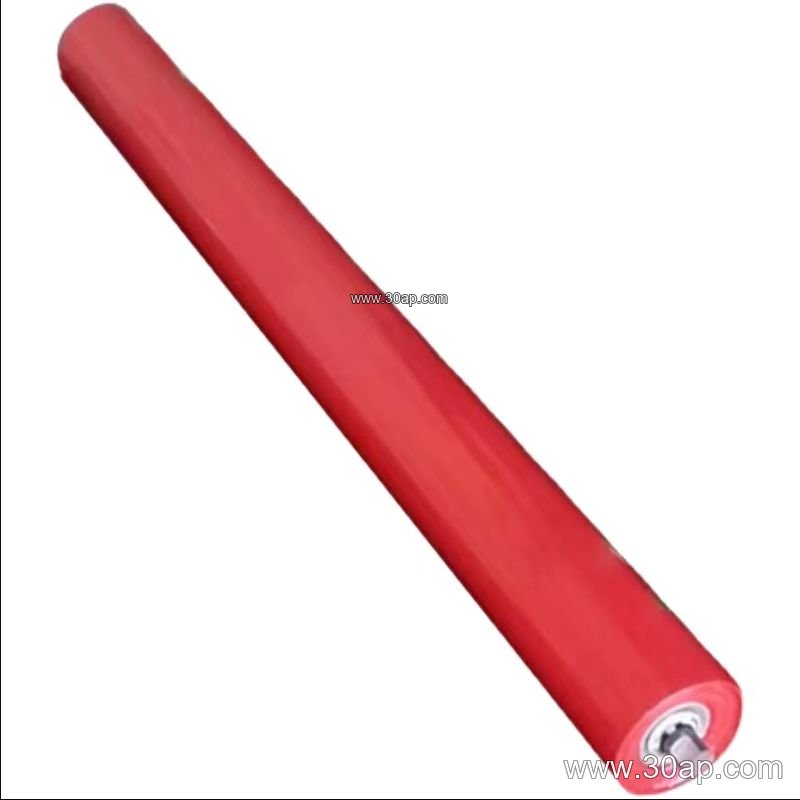
How the Friction Idler Is Built
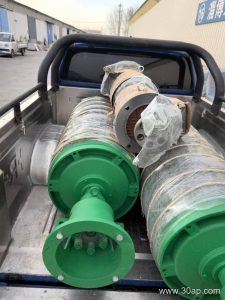
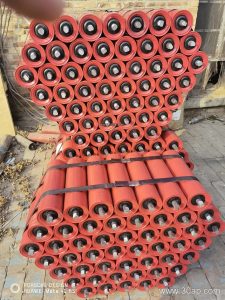
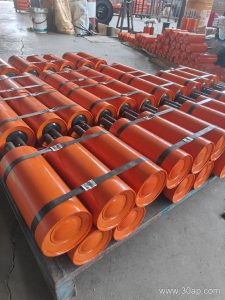
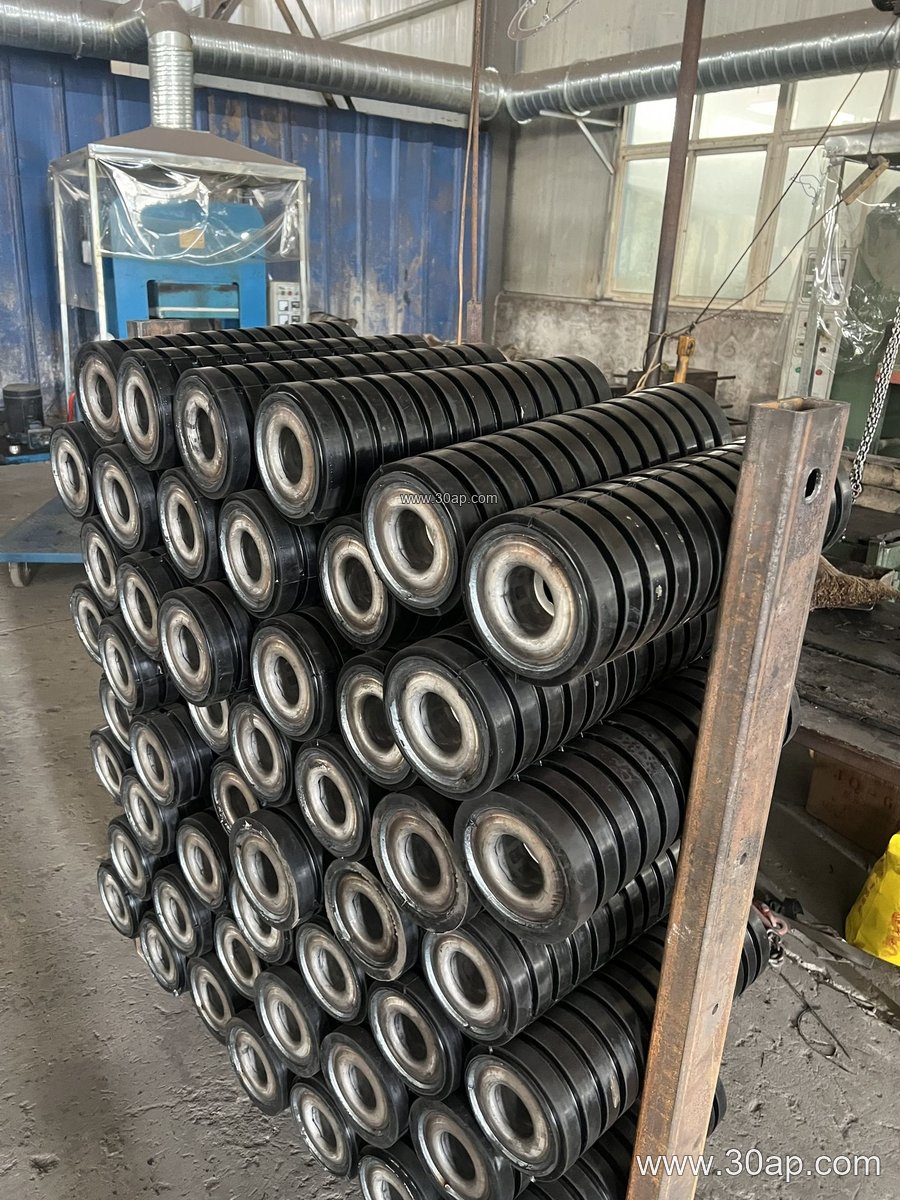
A typical unit consists of a roller shell mounted on a pivoting bracket, with sealed bearings at each end and a support frame that allows a small horizontal rotation. The roller surface may be plain steel, nylon, ceramic, or covered with a rubber ring, depending on the duty. Rubber-covered rollers are often chosen where grip and wear resistance matter, while ceramic or nylon surfaces can suit abrasive or sticky material. Bearing selection usually follows load and speed rather than belt width alone; common sizes include 6204, 6205, 6305, 6306, 6308, and 6310, and no single bearing is tied to one roller diameter.
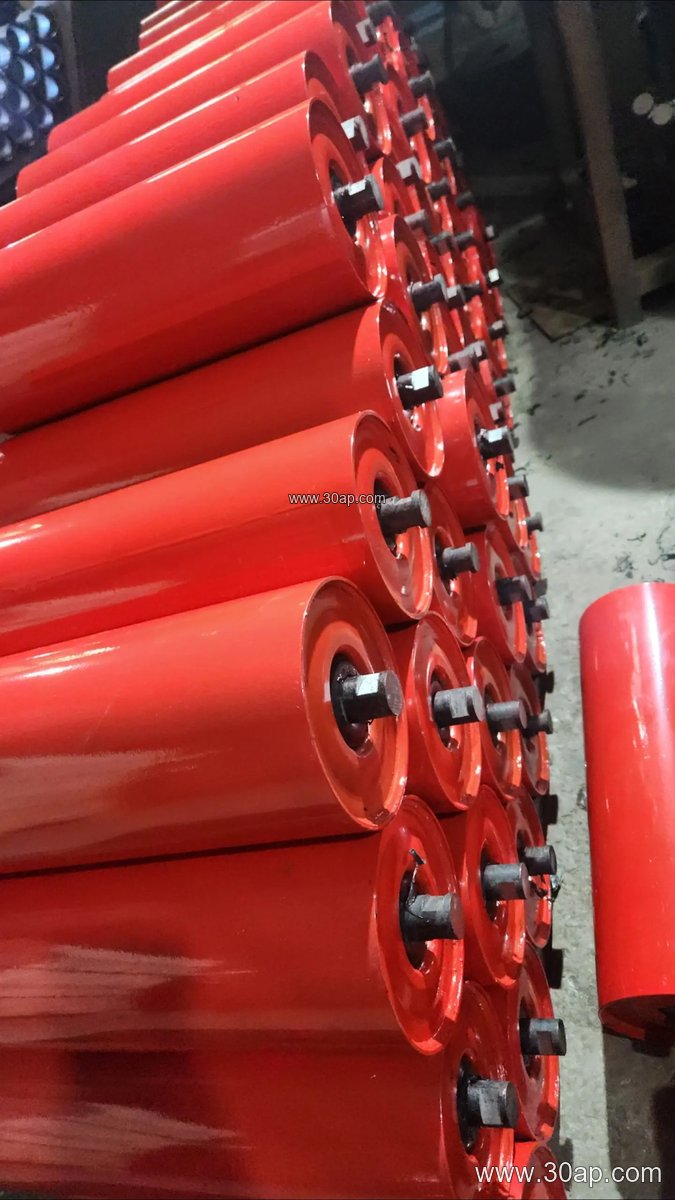
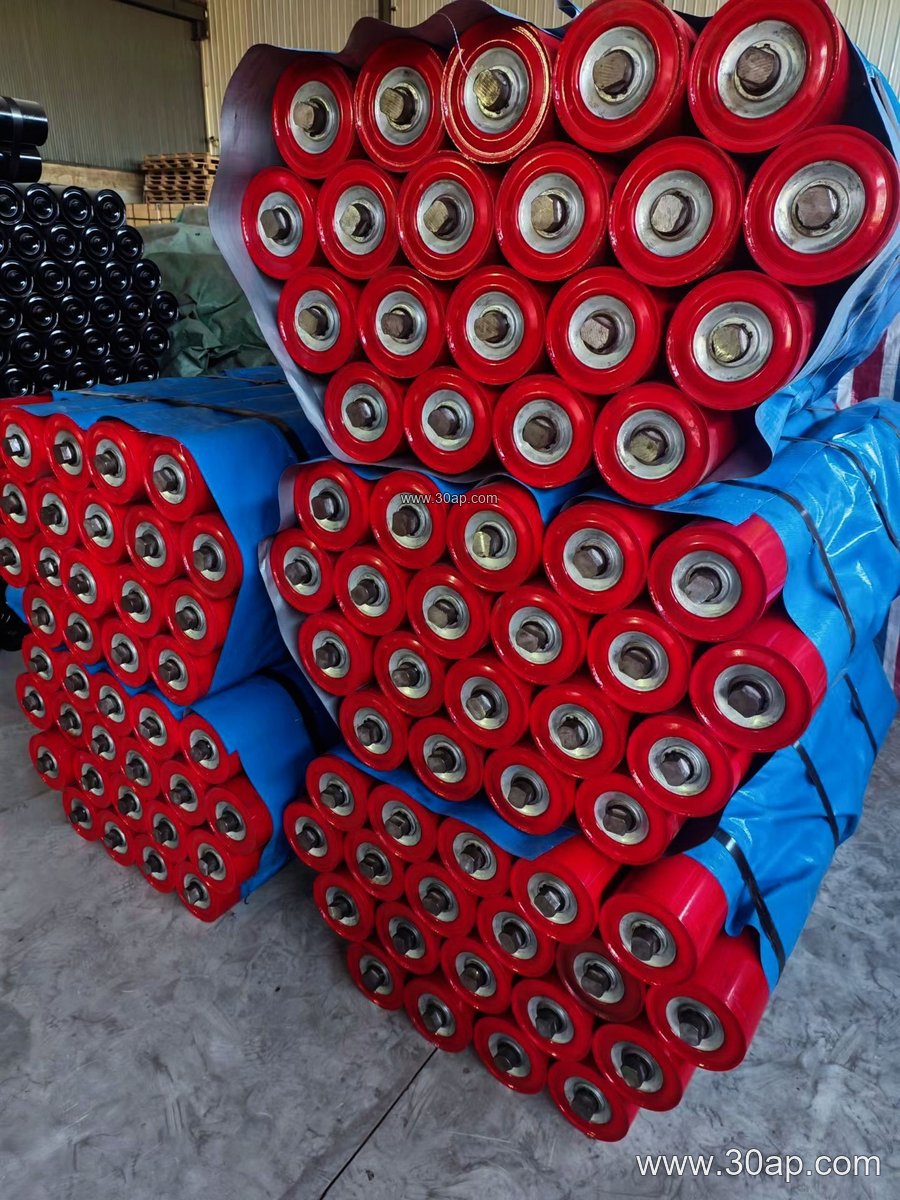
Roller diameters in common use range from about Ø63 mm and Ø76 mm for lighter duties up to Ø133 mm, Ø159 mm, Ø178 mm, and larger sizes for heavy conveyors. The pivot and stop arrangement is the key detail: it should allow enough swing to correct drift but not so much that the idler fights the belt. Sealing quality matters in dusty service, because fine material entering the bearing is a frequent cause of seizure.
Where It Fits in the Conveyor Layout
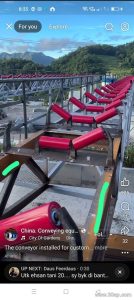
Friction idlers are usually installed on the carrying side at intervals along a conveyor, often just ahead of a transfer point, a curve, or a section where the belt has shown a tendency to run off. They can also be used on the return strand where tracking is a problem. In a quarry or aggregate line, one or two well-placed units may be enough to control drift on a long incline. In a coal handling system feeding a power plant, they help protect the belt edges from rubbing the structure. Similar reasoning applies in cement plants, iron ore and copper ore circuits, and port loading conveyors.
They are not a replacement for correct pulley alignment, proper loading, or adequate belt tension. A friction idler corrects minor wander; it does not fix a crooked drive pulley or an overloaded belt. Matching the idler to the belt width and trough angle is part of the selection, and the roller length varies with belt width, trough angle, and idler arrangement.
Common Reference Dimensions
The values below are typical references for planning, not fixed supply promises. Actual roller length, shaft, and bearing details are set by the conveyor design.
| Belt width | Typical roller length (three-roll trough) | Common trough angle |
|---|---|---|
| B500 | about 200 mm | 20°, 30°, 35° |
| B650 | about 250 mm | 20°, 30°, 35° |
| B800 | about 315 mm | 30°, 35°, 45° |
| B1000 | about 380 mm | 30°, 35°, 45° |
| B1200 | about 465 mm | 30°, 35°, 45° |
| B1400 | about 530 mm | 35°, 45° |
| B1600 | about 600 mm | 35°, 45° |
| B1800 | about 670 mm | 35°, 45° |
| B2000 | about 750 mm | 35°, 45° |
Side rollers and center rollers can differ in length, and a belt width does not dictate one pulley diameter or one shaft size. Forward tilt of about 1.5° to 2° is sometimes used on aligning idlers to assist tracking, but it should be specified deliberately rather than assumed.
Buyer Checklist Before Ordering
- Confirm the belt width, trough angle, and whether the idler goes on the carrying or return side.
- State the material being conveyed, since abrasive ore, wet coal, and sticky aggregate call for different roller surfaces.
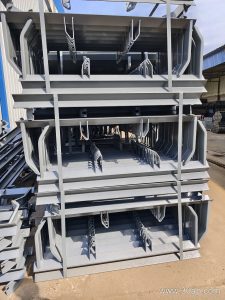
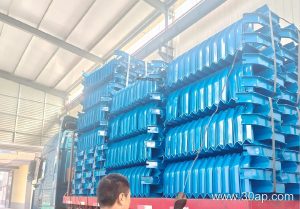
- Check the existing conveyor bracket and frame dimensions so the pivot fits without modification.
- Ask for the bearing size and sealing arrangement, especially for dusty or washdown conditions.
- Review the roller diameter against belt speed and load; larger diameters generally suit heavier duty.
- Keep spare rollers and seals on hand, because a seized friction idler can quickly damage a conveyor belt edge.
For a new project, combine the friction idler with well-aligned conveyor pulleys, sound conveyor brackets, and a belt suited to the duty, whether that is an abrasion resistant conveyor belt, a flame retardant conveyor belt for underground coal mining, or a heat resistant grade near a kiln or sinter line. Selection should follow the actual conveyor design, and final dimensions should be confirmed with the supplier before fabrication.