What is a Belt Conveyor Head Pulley
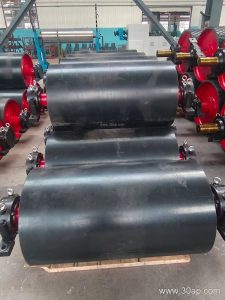
The belt conveyor head pulley is the large drum at the discharge end of a conveyor. It drives the belt, changes its direction, and throws material off the belt into the chute or onto the next stage. In many plants, this component is simply called the head drum or drive pulley. It is not the same as a tail pulley, which is at the loading end, or a bend pulley, which only redirects the belt. Understanding the differences helps when you order spare parts or plan maintenance.
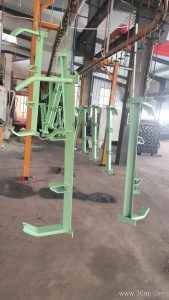
At sites such as a quarry, a cement plant, or a coal handling system, the head pulley works with the conveyor belt, idler rollers, and conveyor brackets to keep material moving. The belt wraps around the pulley, and friction between the pulley surface and the belt transmits the drive force. The pulley also supports the belt at the discharge point, so its diameter, face width, and lagging have a direct effect on belt life and tracking.
Construction and Key Components
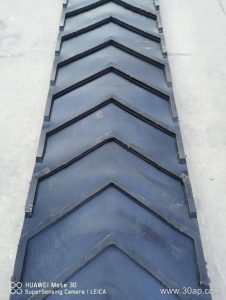
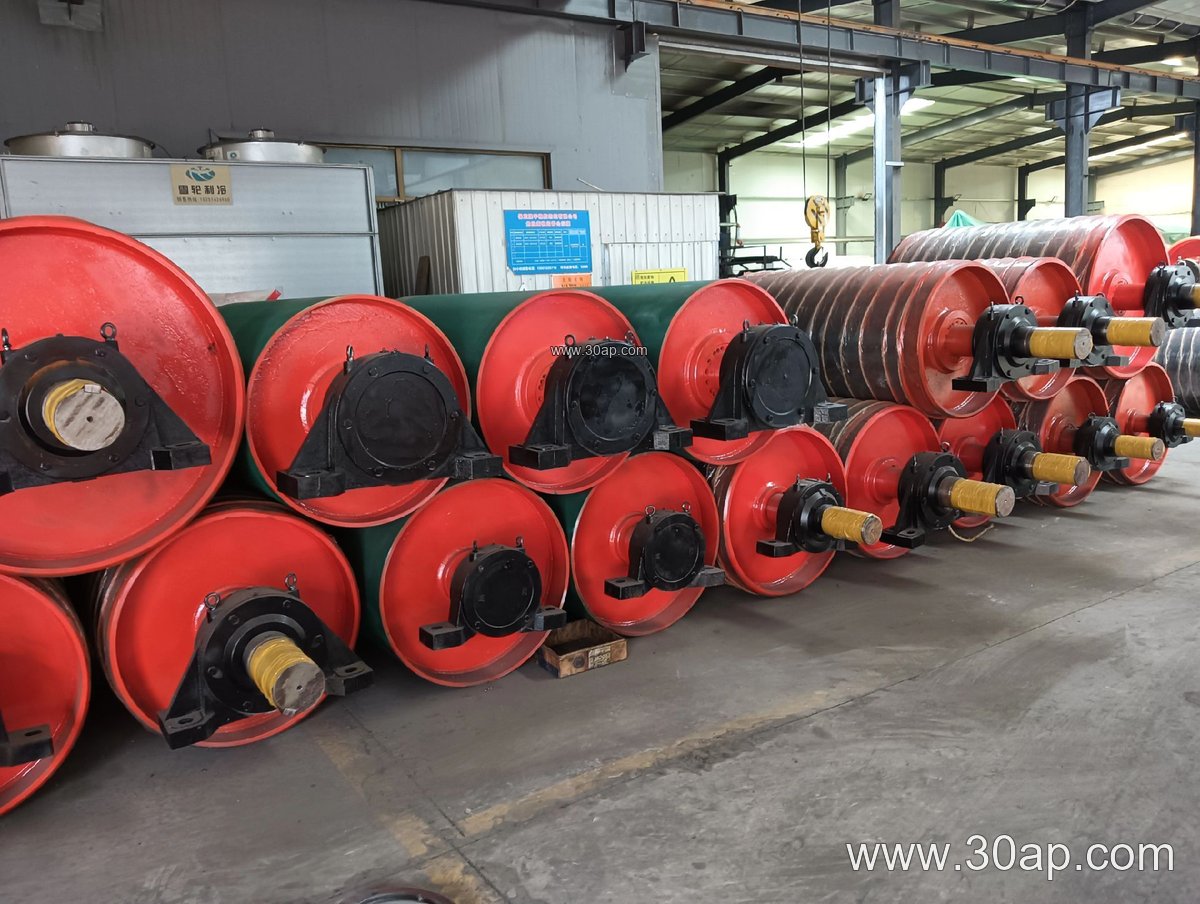
A typical head pulley is built from a steel drum shell, two end discs, a shaft, and bearing housings. The shell is usually machined or rolled to a true cylindrical shape. The shaft is sized by torque and load, not by belt width alone, so shaft diameters such as Ø80, Ø100, Ø120, or Ø140 mm are chosen after engineering calculation. Common surface options include plain finish, cast rubber lagging, cold-bonded rubber, hot vulcanized rubber, diamond pattern, herringbone pattern, and ceramic lagging. Lagging thickness often ranges from 8 mm to 20 mm depending on grip and wear requirements.
Belt widths and pulley dimensions are related but not fixed. For example, a B800 belt may run on a pulley with a face width around 950 mm, and a B1200 belt may use a face width near 1400 mm. Diameter choices such as Ø500, Ø630, Ø800, or Ø1000 mm depend on belt speed, tension, and the space available. You may see combinations like B800 × Ø500 or B1200 × Ø1000, but no single belt width requires only one diameter. Face width is normally wider than the belt to allow for misalignment and belt edge clearance.
| Belt Width | Typical Pulley Face Width | Common Diameter Range (example) |
|---|---|---|
| B400 | ~500 mm | Ø200–Ø400 mm |
| B650 | ~750 mm | Ø250–Ø500 mm |
| B800 | ~950 mm | Ø315–Ø630 mm |
| B1000 | ~1150 mm | Ø400–Ø800 mm |
| B1200 | ~1400 mm | Ø500–Ø1000 mm |
| B1400 | ~1600 mm | Ø630–Ø1250 mm |
| B1600 | ~1800 mm | Ø800–Ø1400 mm |
These values are reference examples, not fixed rules. The final selection should consider the conveyor profile, starting torque, and the type of belt being used. A heavy-duty mining conveyor belt or an abrasion resistant conveyor belt may need a larger pulley diameter to reduce bending stress. In coal mining or underground mining, flame retardant conveyor belts and anti-static belts are common, and the head pulley lagging should be chosen to match the fire safety plan.
Where It Is Used
Head pulleys appear in almost every bulk material handling line. In a sand and gravel plant, they discharge crushed stone onto a stockpile belt. In a cement plant, they move clinker or limestone to the next silo. Power plants use them in coal handling systems, where a coal mining conveyor belt or a heat resistant conveyor belt may be part of the circuit. Ports and ship loading facilities rely on large head pulleys to transfer ore or aggregate at high capacity. The same principle applies in a fertilizer plant or a grain silo, though the belt and lagging selection will differ.
When the head pulley is also the drive pulley, it must provide enough traction. Rubber lagging or ceramic lagging improves grip in wet or dusty conditions. A smooth plain pulley may be acceptable for light duty, but a slip can cause belt wear and heat. The pulley works together with the conveyor belt, idler rollers, and conveyor brackets, so alignment across the whole frame matters. A misaligned head pulley can cause belt edge damage even if the belt itself is high quality.
What Buyers Should Check
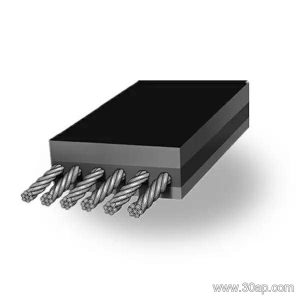
Before ordering a belt conveyor head pulley, confirm the belt width, belt type, and operating environment. If the conveyor carries an EP conveyor belt or a steel cord conveyor belt, the pulley diameter and lagging should match the belt’s minimum bend radius recommendation. For abrasive materials, a diamond or ceramic lagging can extend service life. For oily or chemical environments, an oil resistant conveyor belt may be used, and the lagging material should be compatible. In cold climates, a cold resistant conveyor belt may be needed, and the pulley design should allow for snow or ice buildup.
Ask for the shaft diameter calculation, bearing type, and balancing report. Check that the face width is greater than the belt width by a suitable margin. Confirm the lagging thickness and pattern, and whether the pulley is statically balanced for the intended speed. For a B1400 × Ø800 head pulley, for example, the shaft may be Ø120 or Ø140 mm depending on torque, but that should come from the design, not a guess. Also ask about the mounting dimensions and the conveyor bracket interface to avoid installation delays.
Maintenance and Troubleshooting
Regular inspection of the head pulley helps prevent unplanned stops. Check lagging wear, especially in the center where material impact is highest. Look for belt tracking issues, which may indicate pulley misalignment or worn lagging. Listen for bearing noise and check for vibration. Keep the pulley surface clean; buildup can change the belt path and cause slippage. When replacing lagging, use the same pattern and thickness unless an engineering change is approved. A worn head pulley can damage even a high abrasion resistant conveyor belt, so timely maintenance is cost effective.
For more information on conveyor pulleys, conveyor belts, and idler rollers, visit our site at www.example.com/conveyor-pulley or www.example.com/conveyor-belt. Our team can help you match the right head pulley to your belt width and duty.