What a Double-Row Return Idler Does
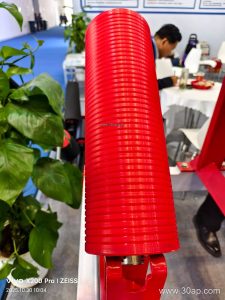
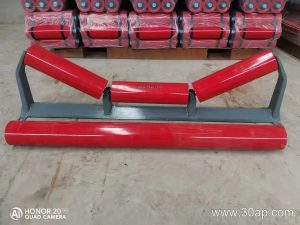
A double-row return idler is a carrying component mounted on the return strand of a belt conveyor. Instead of one roller shell across the full belt width, it uses two rows of rollers arranged side by side, usually in a staggered or offset layout. The belt rests on both rows, so the load is shared and the return run is supported over a wider contact area. In plants handling abrasive or sticky material, this arrangement helps keep the belt tracking steadily and reduces the chance of material building up on a single roller face.
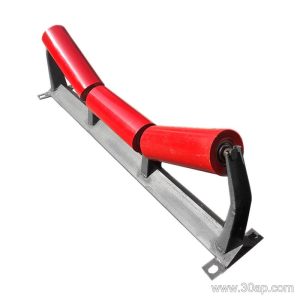
This idler belongs to the return idler family, alongside the flat return idler and the V-type return idler. Those are different designs serving the same section of the conveyor, and each has its own place. A flat return roller suits simple, clean runs; a V-type return idler helps with belt training; the double-row version is often chosen where the belt is wide, the return strand is long, or the environment is dusty and demanding.
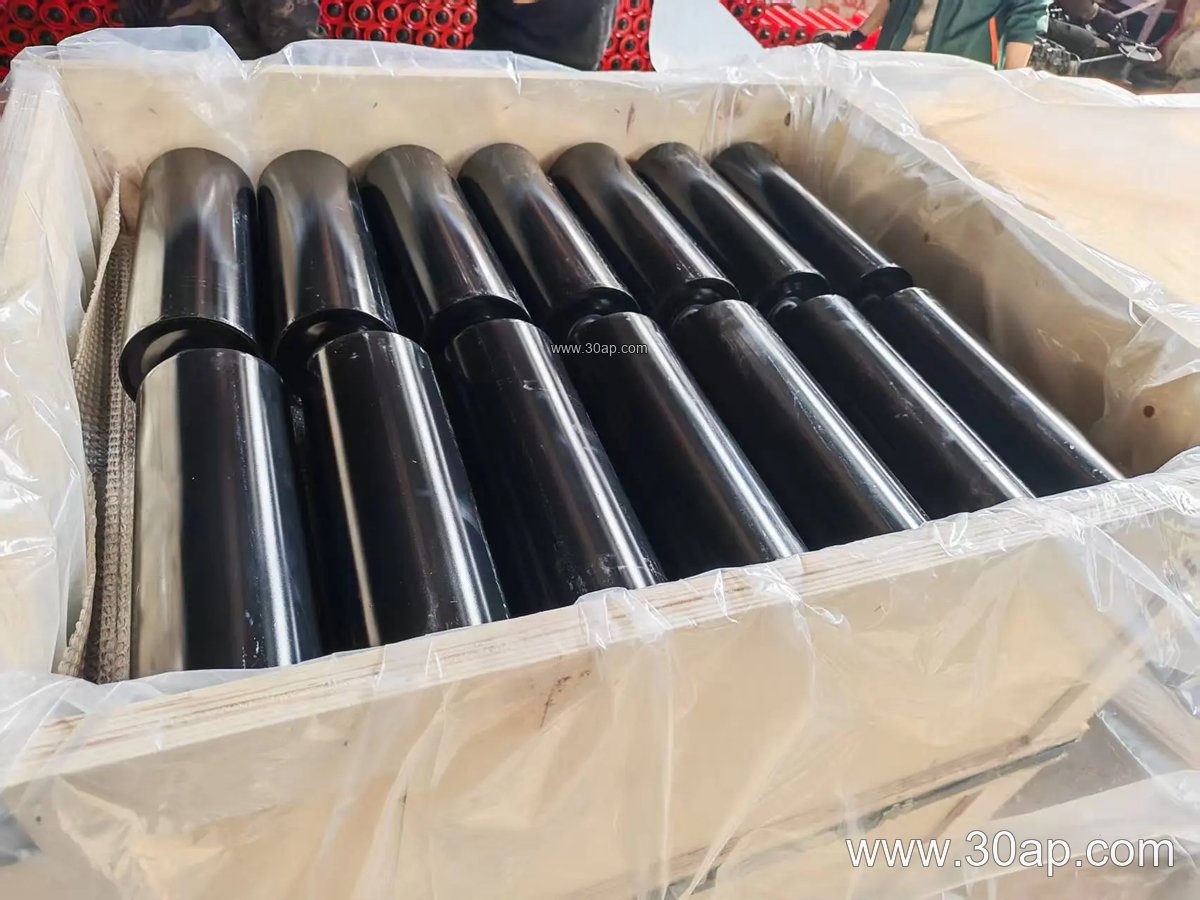
Construction Details That Matter
Each roller in the pair is built around a steel tube shell, with bearing housings pressed into both ends. Common bearing sizes include 6204, 6205, 6305, 6306, 6308 and 6310, matched to the roller diameter and load rather than to belt width alone. Seals are the quiet heroes here: a multi-stage labyrinth or felt seal keeps fine dust from a crusher or a coal handling line out of the bearing cavity, which is often what decides how long the idler lasts.
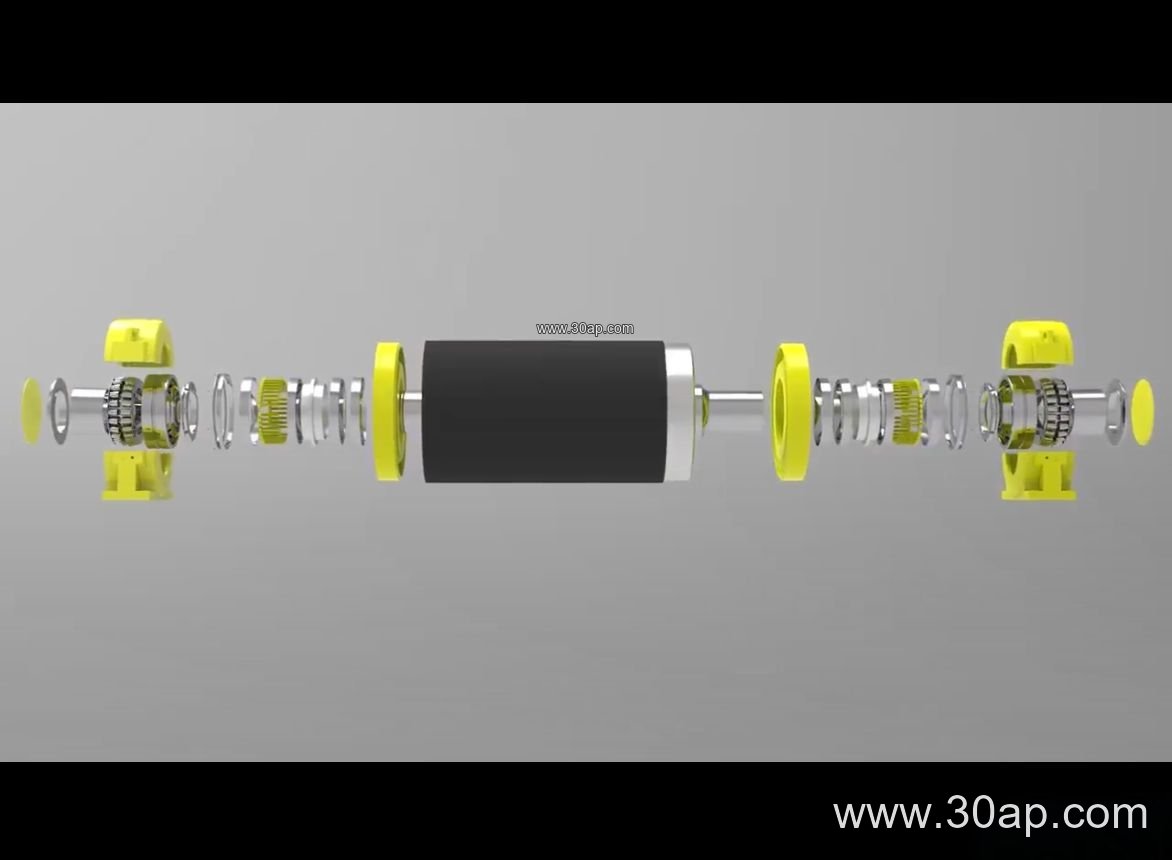
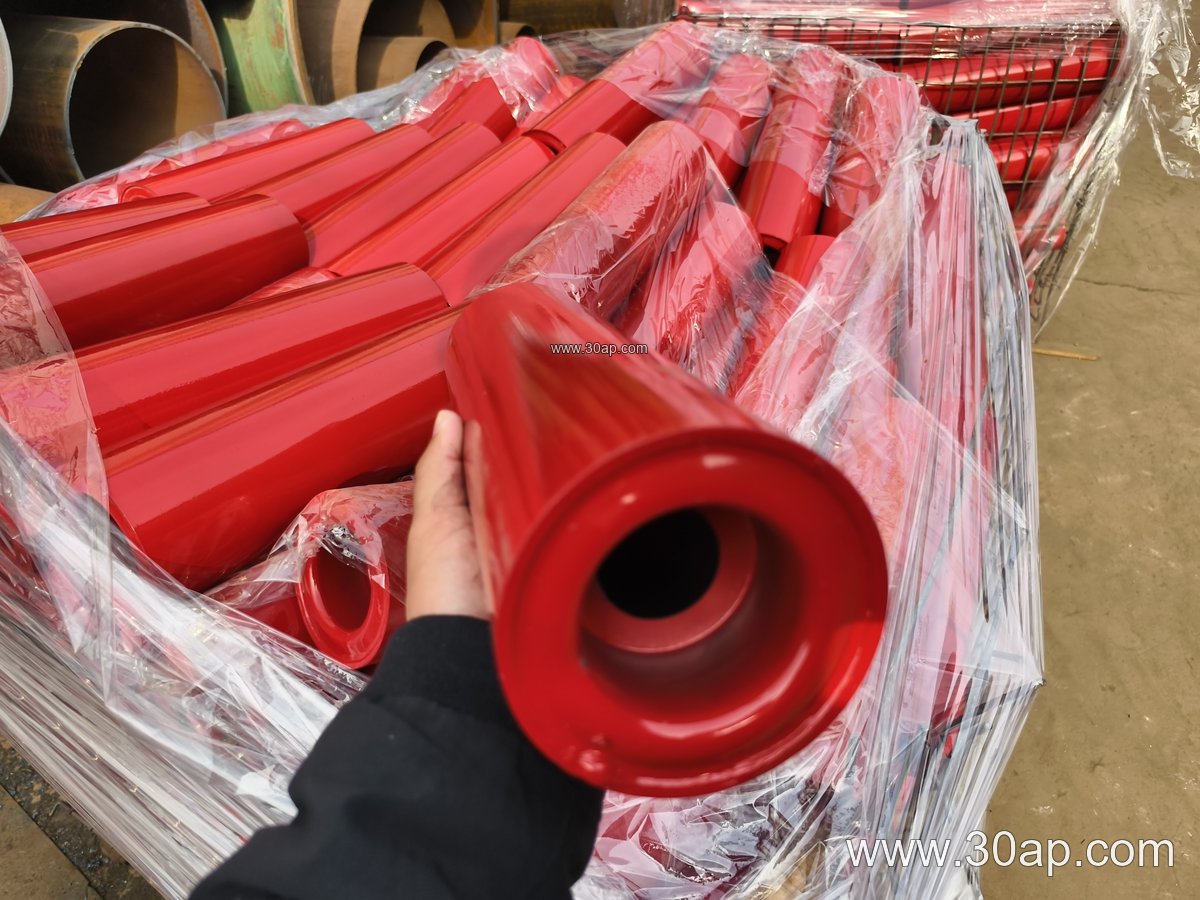
Roller diameters for return idlers commonly fall in the Ø89 to Ø159 mm range, with larger sizes used on heavy-duty conveyors. Shaft ends are typically flattened or fitted with a locating groove so the idler sits securely in the conveyor bracket. The frame that holds the two rows is usually a welded steel structure with a mounting plate or hook that matches the bracket spacing on the conveyor.
Common Reference Sizes
The table below shows typical combinations used in design work. These are reference values, not fixed rules, and actual dimensions should follow the conveyor drawing.
| Belt width | Common roller diameter | Typical bearing | Return idler form |
|---|---|---|---|
| B500 | Ø89 mm | 6204 / 6205 | Double-row return |
| B650 | Ø89 / Ø102 mm | 6205 / 6305 | Double-row return |
| B800 | Ø102 / Ø108 mm | 6305 / 6306 | Double-row return |
| B1000 | Ø108 / Ø127 mm | 6306 / 6308 | Double-row return |
| B1200 | Ø127 / Ø133 mm | 6308 / 6310 | Double-row return |
| B1400 | Ø133 / Ø159 mm | 6308 / 6310 | Double-row return |
| B1600 | Ø159 mm | 6310 | Double-row return |
Where It Fits on the Line
You will find this return idler under the belt in quarry and aggregate circuits, in cement plants moving clinker and raw meal, in power plant coal yards, and in iron ore or copper ore handling. It also appears in crushing and screening plants where fine dust and spillage are constant. On a long overland run, spacing the double-row units at regular intervals keeps the return belt from sagging between supports and lowers the chance of edge damage.
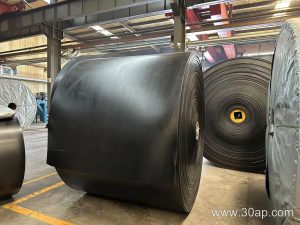
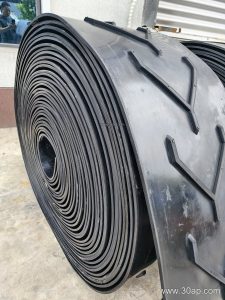
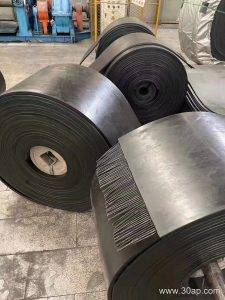
The belt itself matters too. A heavy abrasion resistant conveyor belt or a thick rubber conveyor belt on a mining conveyor belt line puts more weight on the return strand, so the idler must be selected for that load. Where the conveyed material is hot, a heat resistant conveyor belt may be used, and the return idler should still be checked for temperature limits at the bearing seal. In underground coal mining, flame retardant conveyor belt and anti-static conveyor belt requirements usually come with strict rules for every component in the belt path, including idlers.
Buyer Checklist Before Ordering
- Confirm belt width and the return idler mounting dimensions from the conveyor drawing, not from a catalog guess.
- State the roller diameter and bearing size you need, or ask for a recommendation based on load and belt speed.
- Describe the environment: dust, moisture, temperature, and whether washdown or chemical exposure occurs.
- Check that the frame matches the existing conveyor bracket spacing and fixing method.
- Ask about seal type and shell surface treatment, since these affect service life more than appearance.
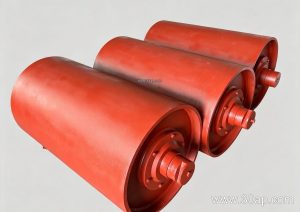
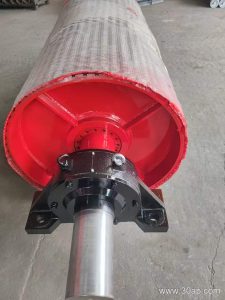
A double-row return idler is a small item in the conveyor bill, but it sits under the belt all day. Getting the diameter, bearing and seal right the first time is cheaper than replacing rollers every few months. For matching belts and pulleys, buyers often review rubber conveyor belt, EP conveyor belt and steel cord conveyor belt options together with the idler specification, so the whole conveyor system works as one.