What a Friction Self-Aligning Idler Does
A friction self-aligning idler is a specialized conveyor idler roller designed to automatically correct belt misalignment. It uses the friction between the rotating roller surface and the conveyor belt to generate a steering force that nudges the belt back toward the center line. Unlike a standard carrying idler, this self-aligning roller is mounted on a pivoting frame that responds to lateral belt movement. The friction drive mechanism typically involves a small friction wheel or a tapered roller end that contacts the belt edge or surface, converting belt drift into a corrective angular adjustment. This makes it a valuable component in bulk material handling systems where consistent belt tracking is critical, such as in quarry conveyor belts, aggregate conveyor belts, and coal mining conveyor belts.
Construction and Working Principle
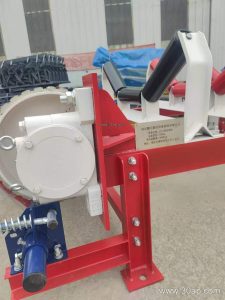
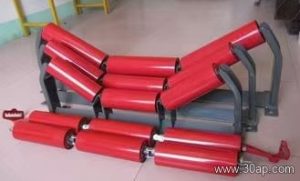
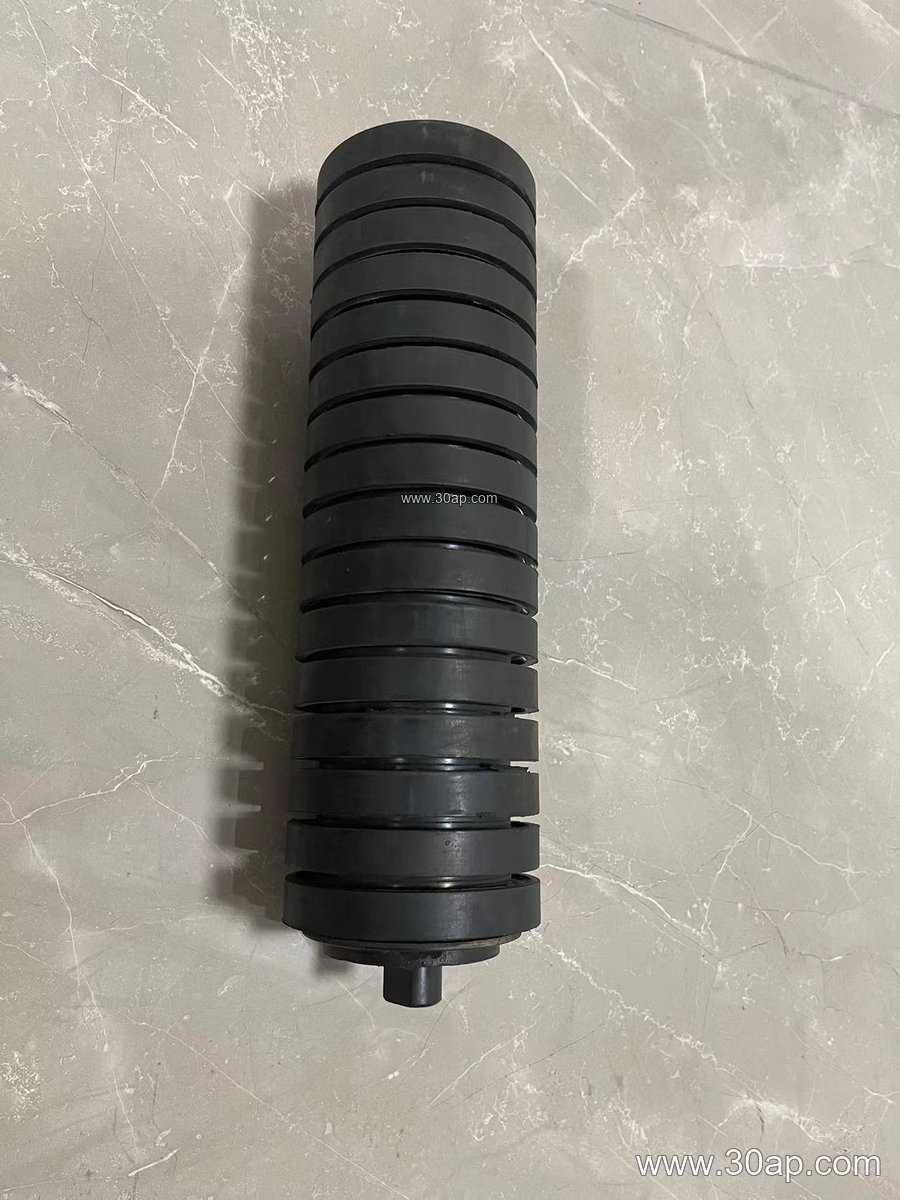
The friction self-aligning idler assembly usually consists of a central roller, two side rollers (in a three-roller trough configuration), and a pivot base. The key feature is the friction self-aligning mechanism: a small friction disc or roller is attached to the idler shaft and pressed against the belt. When the belt shifts to one side, the friction contact creates a differential torque that rotates the idler frame slightly around its pivot. This angular change steers the belt back. Common roller diameters for this type include Ø89, Ø108, Ø127, Ø133, and Ø159, with bearing sizes such as 6204, 6205, 6305, 6306, and 6308. The roller surface may be steel, nylon, or rubber-covered, depending on the application. The frame is typically mounted on a conveyor bracket that allows pivoting. The friction self-aligning idler is often used on the carrying side, but variants exist for return side tracking as well.
Where It Fits in a Conveyor System
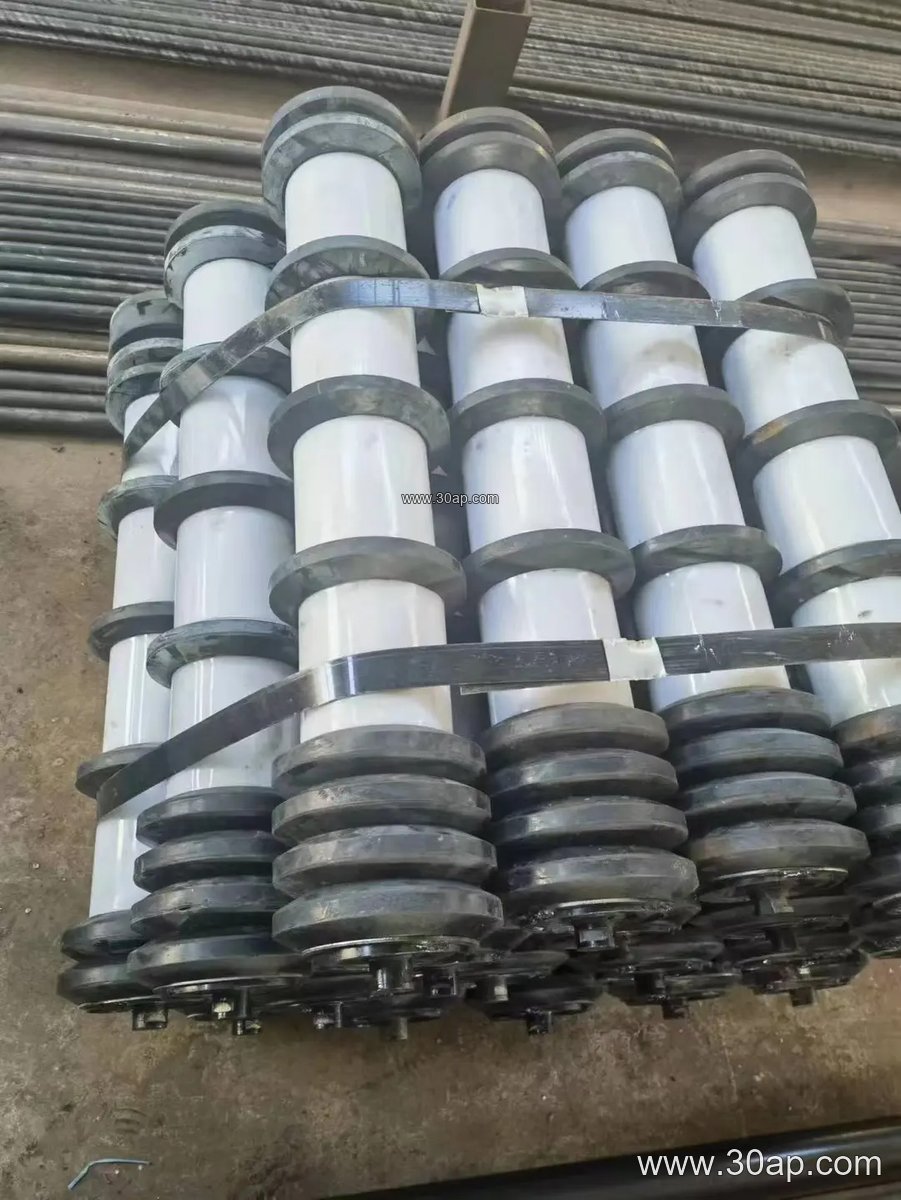
This idler is most effective at locations where belt misalignment is likely: after the drive pulley, before the tail pulley, or along long straight sections prone to drift. In a cement plant conveyor belt or power plant coal conveyor, a friction self-aligning idler can reduce edge damage and spillage. It is also used in iron ore conveyor belts, copper ore conveyor belts, and gold mining conveyor belts where heavy loads and abrasive materials demand reliable tracking. Note that drive pulleys, tail pulleys, and bend pulleys are not interchangeable with idlers; they serve different functions. For comparison, a tapered self-aligning idler uses conical rollers to achieve similar tracking, while a friction self-aligning idler relies on friction contact. The friction type is often preferred in applications where the belt has a tendency to wander due to uneven loading or structure misalignment.
Key Parameters and Selection Considerations
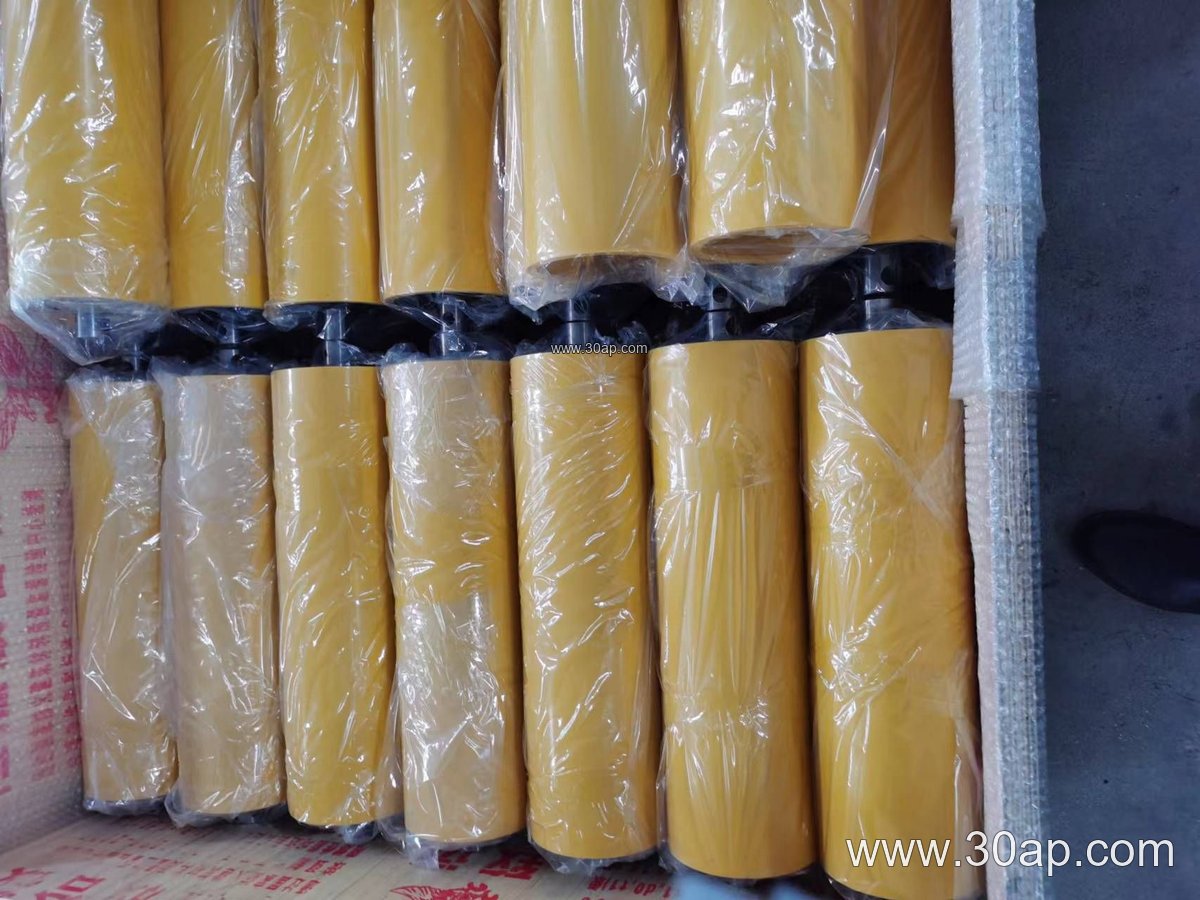
When selecting a friction self-aligning idler, several parameters matter. The table below lists common reference values; actual selection depends on belt width, load, and conveyor design. These are not mandatory specifications.
| Parameter | Common Reference Values |
|---|---|
| Roller diameter (mm) | Ø63, Ø76, Ø89, Ø102, Ø108, Ø127, Ø133, Ø159, Ø178, Ø194, Ø219 |
| Belt width (mm) | B400, B500, B650, B800, B1000, B1200, B1400, B1600, B1800, B2000, B2200, B2400 |
| Trough angle (degrees) | 20, 30, 35, 45 |
| Roller length for three-roller trough (mm) | B500: ~200; B650: ~250; B800: ~315; B1000: ~380; B1200: ~465; B1400: ~530; B1600: ~600; B1800: ~670; B2000: ~750 |
| Bearing number | 6204, 6205, 6305, 6306, 6308, 6310 |
| Roller surface | Steel pipe, nylon, ceramic, rubber ring |
These values are for guidance only. The roller length varies with belt width and trough angle, and side rollers may differ from the center roller. Bearing size is not fixed to a specific roller diameter. The friction self-aligning idler should be matched to the conveyor belt width and the load conditions. For high-abrasion applications, a rubber ring surface can improve grip and reduce wear. In coal mining conveyor belts, flame retardant and anti-static properties may be required for the belt, but the idler itself should be selected for durability and tracking accuracy.
Maintenance and Buyer Tips
Regular inspection of the friction self-aligning idler is important. Check the friction wheel or disc for wear, as worn contact surfaces reduce corrective force. Lubricate bearings according to the manufacturer’s schedule, and ensure the pivot mechanism moves freely without seizing. In dusty environments such as a quarry conveyor belt or aggregate conveyor belt, seals should be inspected for damage. When replacing idlers, verify the roller diameter, bearing number, and mounting dimensions. Do not substitute a standard carrying idler for a self-aligning one where automatic tracking is needed. Also, remember that drive pulleys, tail pulleys, and bend pulleys are not interchangeable with idlers; they have different roles. For conveyor systems using EP conveyor belts or steel cord conveyor belts, the friction self-aligning idler helps maintain belt centering, reducing edge wear and material spillage. Buyers should request the idler’s load rating, allowable misalignment angle, and compatible belt width range. Avoid assuming a fixed shaft diameter from belt width alone; shaft size depends on the idler design and load. Finally, consider the environment: in a fertilizer plant or grain facility, corrosion-resistant surfaces may be beneficial, while in a steel plant, heat-resistant components might be needed.
For more information on conveyor components, visit our site for conveyor belt and idler roller guidance at www.example.com/conveyor-belt and www.example.com/idler-roller. A well-chosen friction self-aligning idler can improve the reliability of your conveyor system, whether in a sand making plant, a tunnel excavation project, or a port loading facility.