What a 1250mm Diameter Conveyor Pulley Is
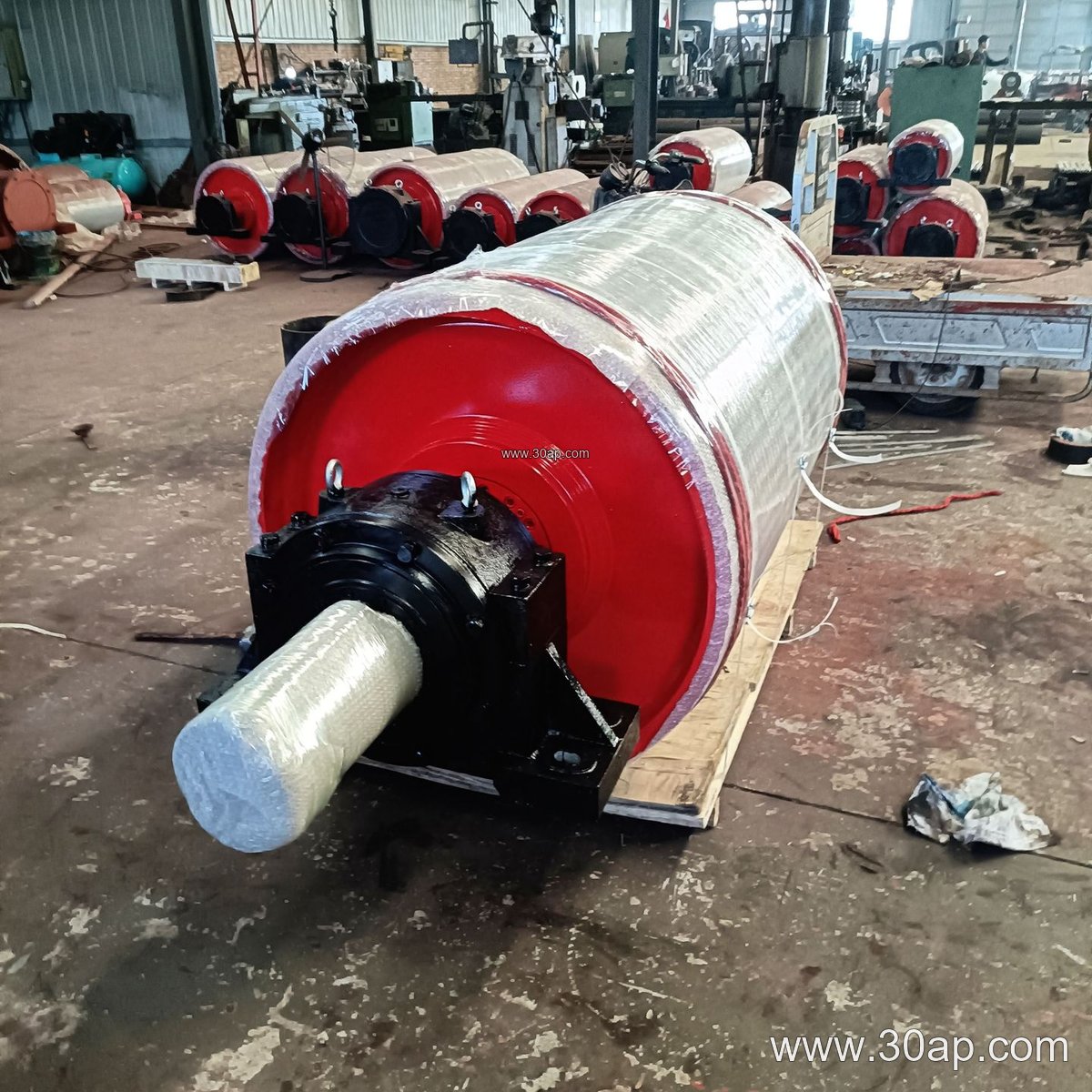
A 1250mm diameter conveyor pulley is a large-diameter drum used in bulk material handling systems where high tension, heavy loads, and long belt runs demand robust components. This pulley, often simply called a Ø1250 conveyor pulley, serves as a drive, tail, or bend pulley depending on its position in the conveyor. Its substantial diameter reduces belt bending stress and improves traction when paired with appropriate lagging. In industries such as mining, coal preparation, cement plants, and power generation, this size is frequently selected for main haulage conveyors handling abrasive or heavy materials.
Construction and Key Components
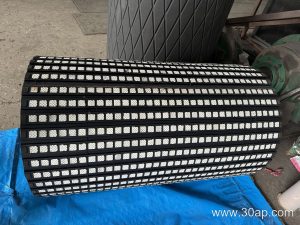
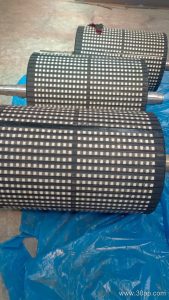
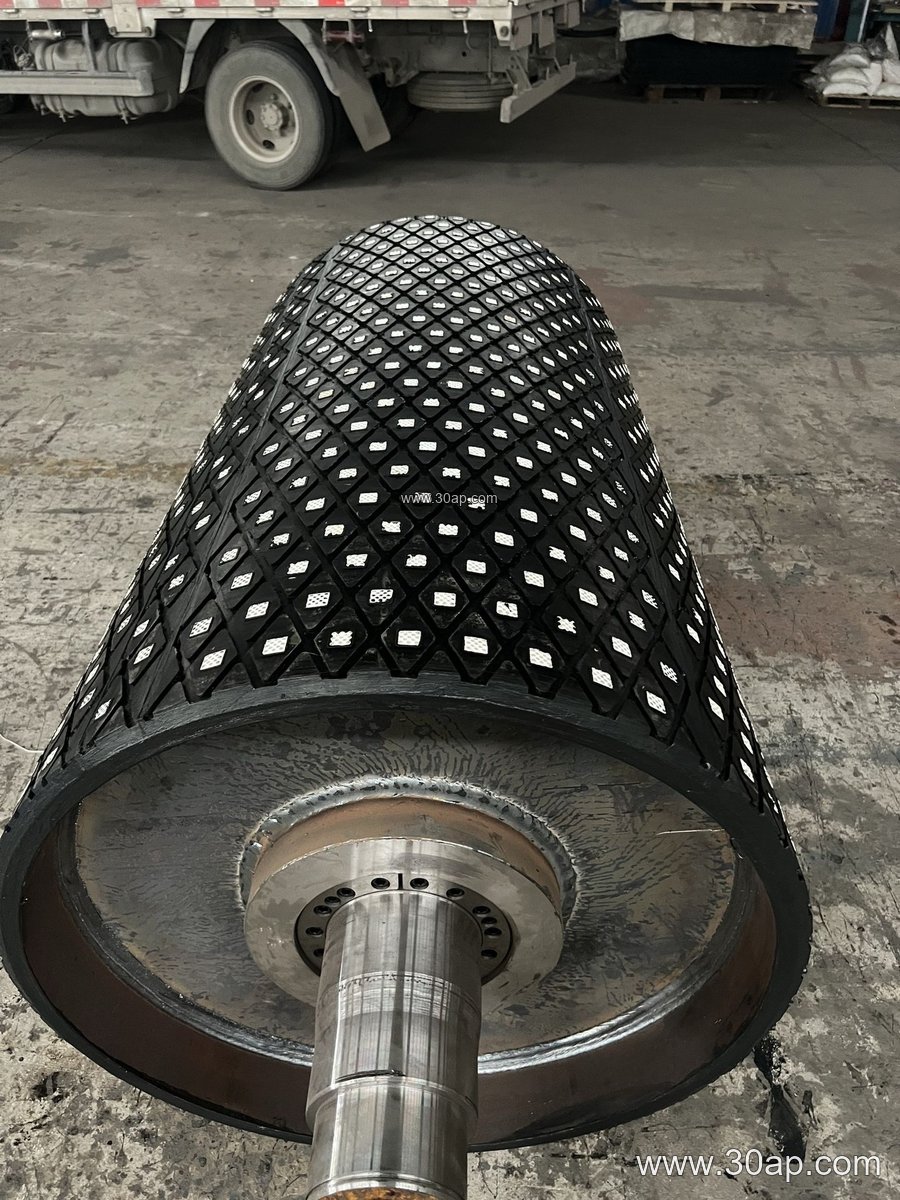
The 1250mm diameter conveyor pulley typically features a welded steel shell, sturdy end discs, and a shaft sized to transmit the required torque. The shell surface may be plain or covered with rubber lagging—cold-bonded, hot-vulcanized, or ceramic—to enhance grip and reduce wear. Common lagging thicknesses range from 8 mm to 20 mm, with diamond or herringbone patterns available for improved traction in wet or dusty conditions. The pulley is supported by bearings housed in bearing blocks, and the entire assembly mounts on a conveyor bracket that aligns with the belt system. Shaft diameters are determined by load calculations, not by belt width alone; for this size, shafts in the range of Ø160 to Ø200 are not unusual, though final sizing depends on the specific application.
Where It Fits in a Conveyor System
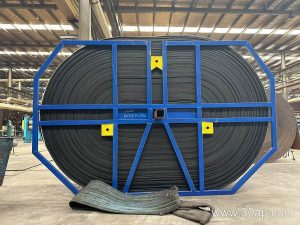
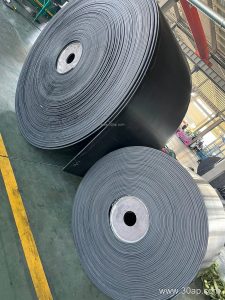
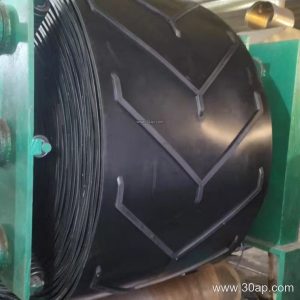
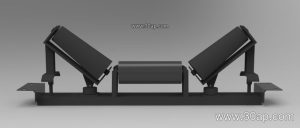
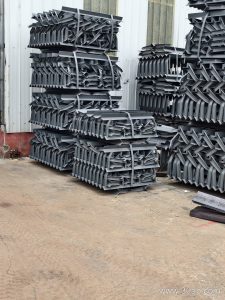
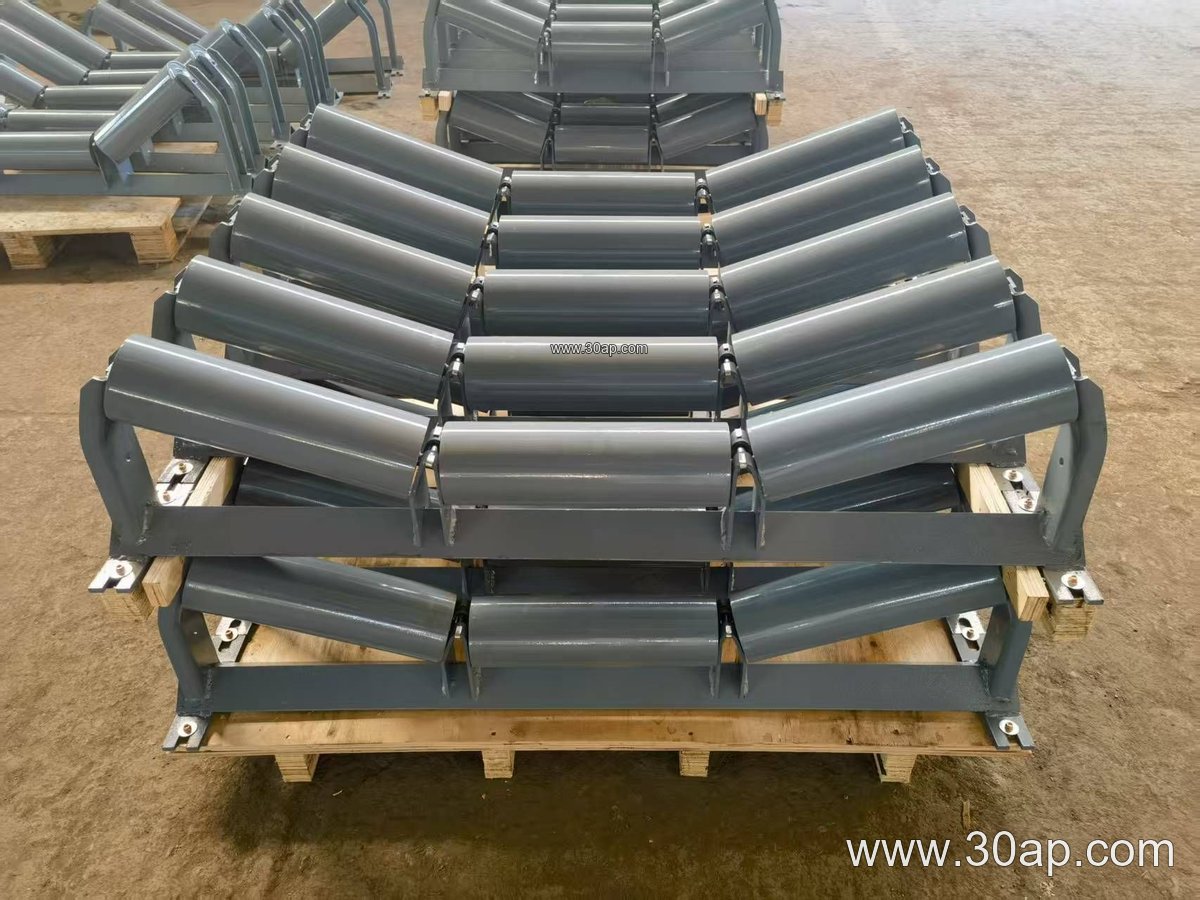
This large pulley is often found at the head end as a drive pulley, where it transmits power to the belt, or at the tail end as a tail pulley, guiding the return belt. In long overland conveyors or high-capacity systems, a Ø1250 bend pulley may be used to redirect the belt path without adding significant tension. The pulley works in concert with the conveyor belt—whether an EP conveyor belt, steel cord conveyor belt, or flame retardant conveyor belt—and with idler rollers that support the belt along its route. For abrasive materials like iron ore or cement clinker, an abrasion resistant conveyor belt is commonly paired with this pulley to extend service life.
Typical Applications
You will see 1250mm diameter conveyor pulleys in:
- Mining operations, including underground coal mining and open-pit iron ore extraction
- Cement plants handling raw meal and clinker
- Power plant coal conveying systems
- Port bulk terminals for ship loading and unloading
- Quarries and aggregate lines processing rock and stone
In these settings, the pulley must withstand continuous operation, often in dusty, damp, or high-temperature environments. Selecting the right lagging and bearing protection is critical for reliable performance.
Specifications and Selection Considerations
When specifying a 1250mm diameter conveyor pulley, several parameters need attention. The table below outlines common reference values; actual dimensions should be confirmed with the manufacturer based on torque, load, and belt width.
| Parameter | Common Range / Example | Notes |
|---|---|---|
| Diameter | Ø1250 mm | Fixed for this product |
| Belt width compatibility | B1200, B1400, B1600, B1800 | Pulley face width usually exceeds belt width; e.g., B1400 may use ~1600 mm face |
| Shaft diameter | Ø160, Ø180, Ø200 | Determined by torque and load, not belt width alone |
| Lagging thickness | 8, 10, 12, 15, 20 mm | Choose based on grip and wear requirements |
| Surface type | Plain, rubber lagged, ceramic lagged | Diamond or herringbone patterns available |
| Bearing type | Spherical roller bearings | Common for heavy-duty pulleys |
Buyers should also consider the type of conveyor belt in use. For example, a heavy-duty mining conveyor belt or a high abrasion resistant conveyor belt may require a pulley with thicker lagging to prevent slip and reduce wear. In coal mines, a flame retardant conveyor belt or fire resistant conveyor belt is mandatory, and the pulley should be compatible with such belts. The pulley’s balance and concentricity are important for smooth operation, especially at high speeds.
Buyer’s Checklist
Before ordering a 1250mm diameter conveyor pulley, gather the following information:
- Belt width and type (e.g., EP1000, ST1250, NN300)
- Maximum belt tension and power requirements
- Pulley position: drive, tail, bend, or take-up
- Environmental conditions: temperature, moisture, dust, corrosive exposure
- Lagging preference: plain, rubber, ceramic, or specific pattern
- Shaft size and bearing type as per design
- Mounting bracket dimensions and interface
Working with a qualified engineer ensures the pulley matches the conveyor’s design and avoids premature failure. Proper installation and regular maintenance—including lagging inspection and bearing lubrication—will extend the pulley’s service life in demanding industrial environments.