What a Belt Conveyor Idler Frame Does
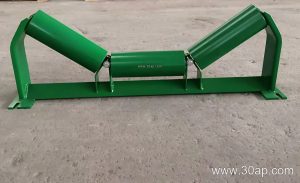
A belt conveyor idler frame is the structural element that holds the idler rollers in the correct position under or above the conveyor belt. It is not a rotating part itself, but it determines the trough angle, roller spacing, and alignment that keep the belt tracking smoothly. In a quarry, a cement plant, or a power plant coal yard, a well-built idler frame is the difference between steady material flow and constant belt misalignment.
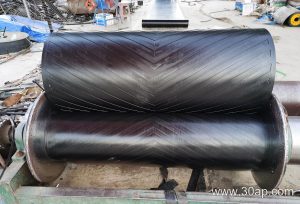
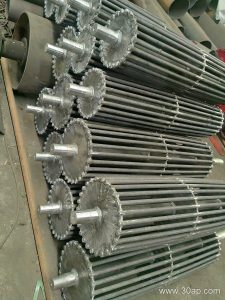
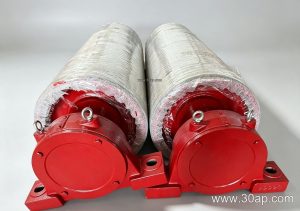
The frame is often called a conveyor idler bracket or idler support frame. It works together with the conveyor bracket that connects the frame to the conveyor stringer, and with the conveyor pulley at the head and tail of the system. Drive pulleys, tail pulleys, and bend pulleys each have their own mounting arrangements, so the idler frame should never be mixed up with pulley supports.
Construction and Typical Forms
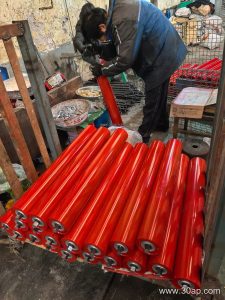
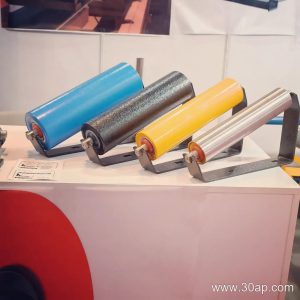
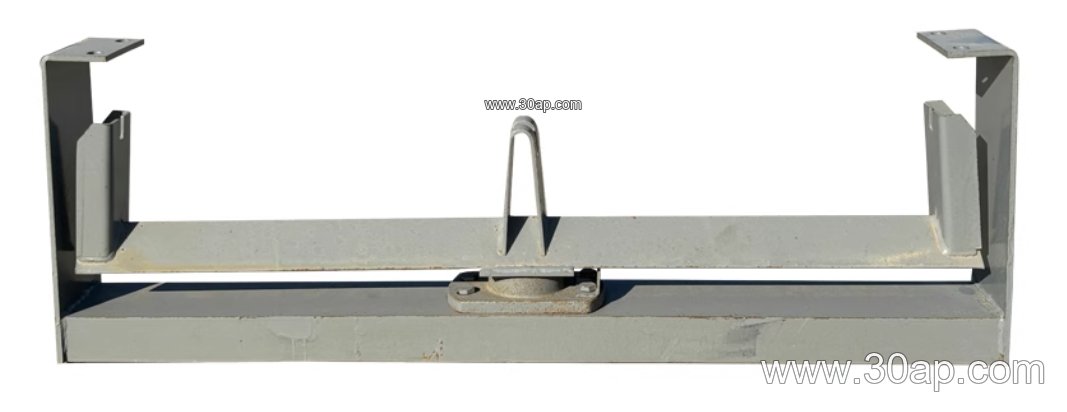
Most frames are fabricated from angle steel, channel steel, or folded steel plate. A troughing frame carries three idlers in a fixed V or U shape, while a return frame supports the belt on the return side. Common variants include the troughing idler frame, transition frame, return frame, flat return frame, V-return frame, impact frame, self-aligning frame, forward-tilted frame, spiral idler frame, suspended frame, and adjustable frame.
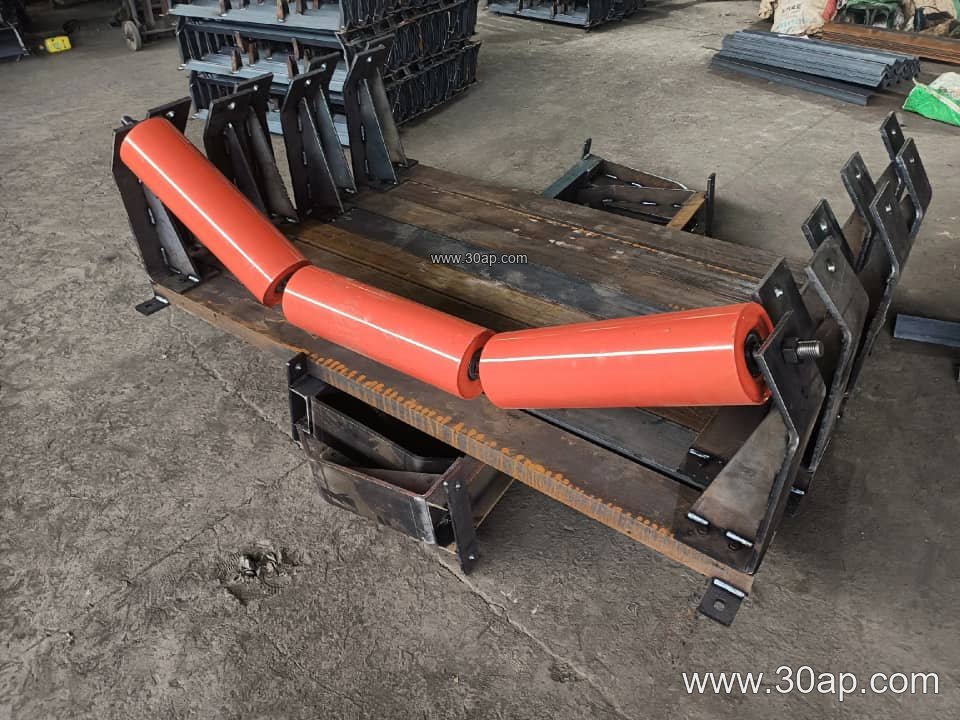
Adjustable frames allow the trough angle to be changed on site, which is useful when a conveyor handles different materials. Forward-tilted frames, usually around 1.5 to 2 degrees, help with belt centering. The frame should be rigid enough to resist vibration from a heavy-duty mining conveyor belt without distorting the roller seats.
Common Reference Dimensions
The table below shows reference combinations often seen in catalogues. Actual dimensions are determined by belt width, trough angle, roller diameter, and the conveyor design, so the values should be treated as guidance rather than fixed pairing rules.
| Belt Width | Trough Angle | Idler Diameter | Typical Frame Form |
|---|---|---|---|
| B500 | 20 degrees | Ø89 | Troughing frame |
| B650 | 30 degrees | Ø89 | Troughing frame |
| B800 | 35 degrees | Ø108 | Troughing frame |
| B1000 | 35 degrees | Ø108 | Troughing or impact frame |
| B1200 | 45 degrees | Ø133 | Troughing frame |
| B1400 | 35 degrees | Ø159 | Troughing frame |
| B1600 | 45 degrees | Ø159 | Troughing frame |
| B1800 | 35 degrees | Ø194 | Heavy troughing frame |
| B2000 | 45 degrees | Ø194 | Heavy troughing frame |
| B2200 | 35 degrees | Ø194 | Heavy troughing frame |
Mounting hole spacing and crossbeam length vary with belt width and trough angle, so a frame drawing should always be checked against the actual conveyor layout.
Where Idler Frames Are Used
These frames appear wherever bulk material moves on a belt. In an iron ore or limestone mine, heavy frames support the load from coarse rock. In a coal washing plant or underground coal mining conveyor, flame retardant conveyor belt and anti-static conveyor belt are common, and the frames must be easy to inspect in confined spaces. Cement plants, aggregate yards, and port ship loading lines also rely on robust idler frames to keep the belt centered.
Material choice matters. A quarry conveyor belt carrying sharp stone benefits from impact frames at the loading point and abrasion resistant conveyor belt along the run. In a steel plant or sinter line, heat resistant conveyor belt may be used, and the frame should be positioned so heat does not distort the roller seats. For food or grain handling, a food grade conveyor belt may be paired with clean, well-painted frames.
Buyer Checklist
- Confirm belt width, trough angle, and idler roller diameter as a set, not as separate guesses.
- Check the frame material and finish for the environment, especially in wet or corrosive areas.
- Decide between fixed and adjustable frames based on how often the trough angle may change.
- Match the frame to the conveyor bracket and stringer hole pattern before ordering.
- For steep or curved routes, consider corrugated sidewall conveyor belt or pipe conveyor belt and confirm frame clearance.
A belt conveyor idler frame may look simple, but it controls belt shape, roller life, and tracking. Whether the line uses an EP conveyor belt, a steel cord conveyor belt, or a fabric core conveyor belt, the frame should be selected with the same care as the belt and the conveyor pulley. For more conveyor belt and idler frame guidance, visit conveyoridlerframe.com and check the product notes on conveyoridlerframe.com before finalizing a design.