What a Conveyor Support Bracket Does
A conveyor support bracket is the structural interface between the idler roller and the conveyor frame. It holds each roller at the correct height and angle so the conveyor belt keeps its trough shape, tracks properly, and carries bulk material without spillage. In a quarry, limestone mine, or cement plant, these brackets are often the first components to be inspected after a belt misalignment event. They are not simply welded steel pieces; they are engineered mounting points that determine how the entire conveyor support system behaves under load.
How the Bracket Is Built
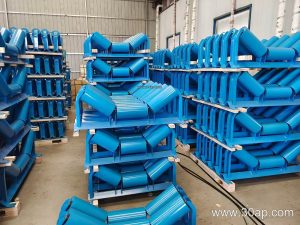
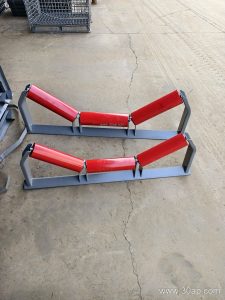
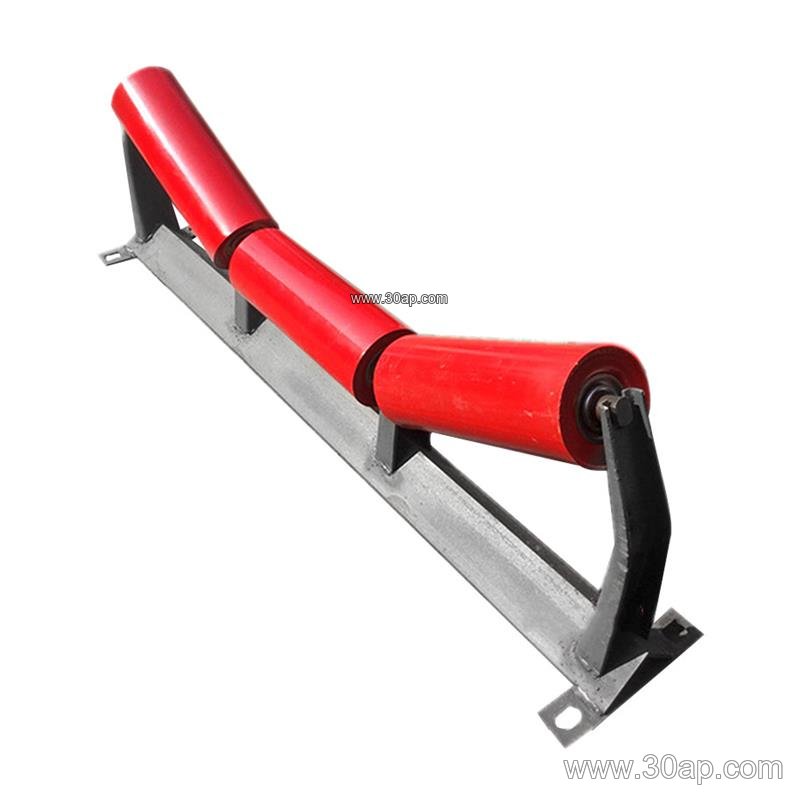
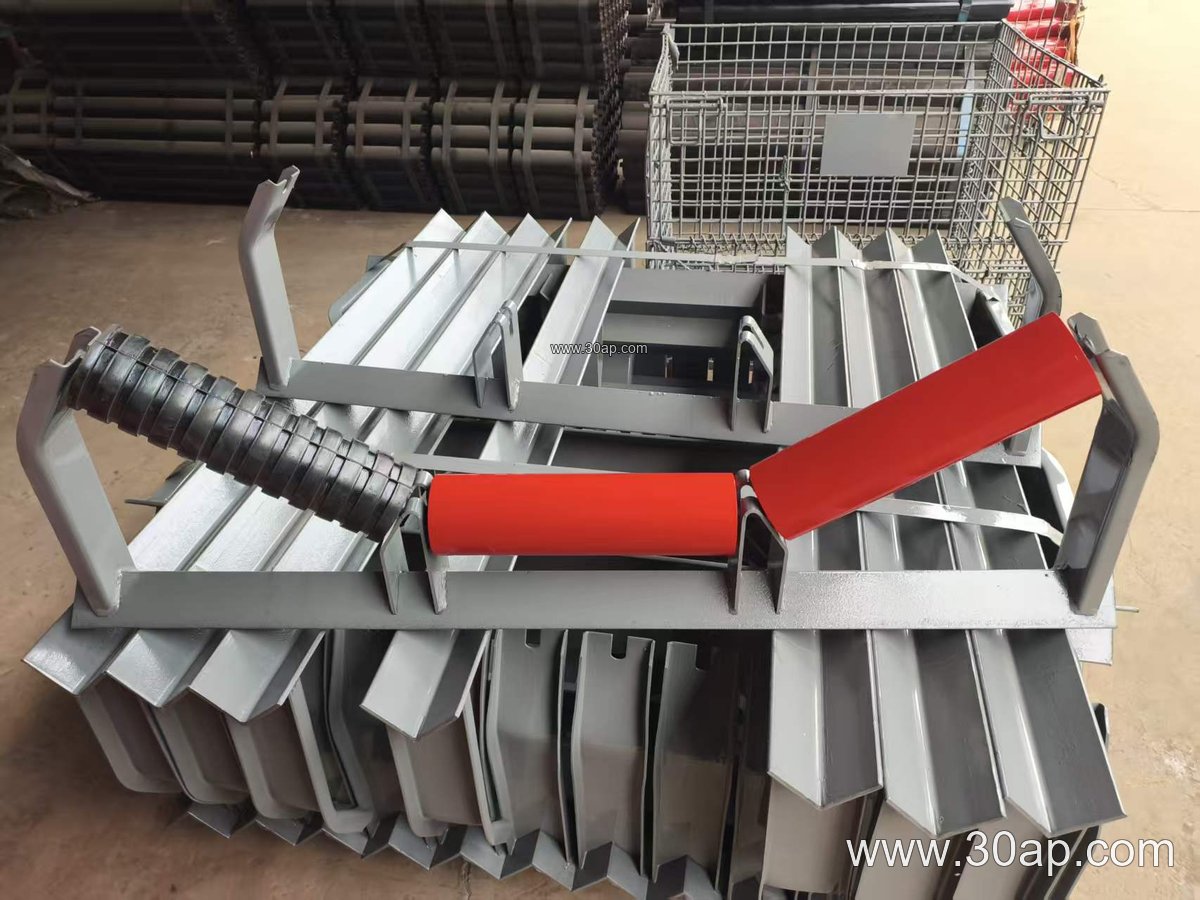
Most brackets are fabricated from angle steel, channel steel, or folded steel plate. The material choice depends on the duty: lighter brackets for a 500mm or 650mm conveyor belt, and heavier channel sections for a 1200mm wide conveyor belt carrying abrasive rock. The bracket typically includes mounting slots or holes that allow the idler roller shaft to sit at a predetermined trough angle. A common design uses a single-piece bracket with two or three roller positions, while an adjustable bracket allows the trough angle to be changed on site.
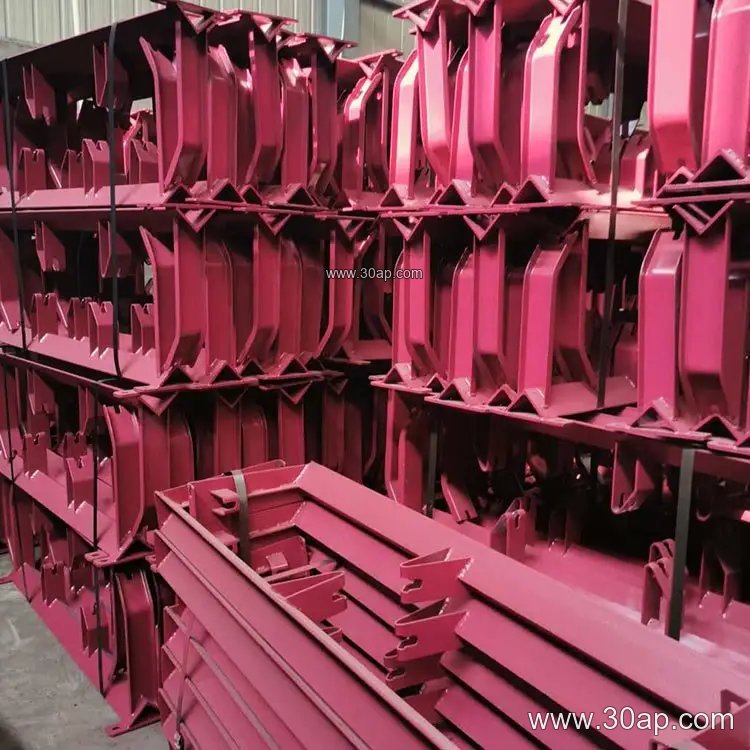
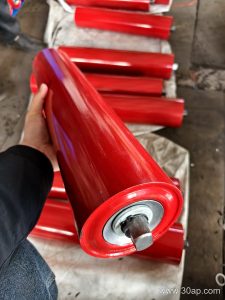
For a belt conveyor line handling coal or ore, the bracket must resist vibration and impact. Impact resistant designs are often placed at the loading point, while standard brackets carry the steady-state load. The bracket does not replace the idler roller; it supports it. That distinction matters when ordering spare parts, because a conveyor bracket and an idler roller are separate line items with different wear lives.
Common Types and Where They Fit
Brackets vary by position and function. A trough bracket carries the upper carrying rollers, a return bracket supports the lower return roller, and a transition bracket sits near the pulley to guide the belt from flat to troughed. An alignment bracket helps correct belt drift on long conveyors. A buffer bracket is used at transfer points where material impact is severe. For a 1000mm or 1200mm conveyor belt, the bracket span and mounting hole spacing are usually determined by the belt width and the selected trough angle, not by a single fixed number.
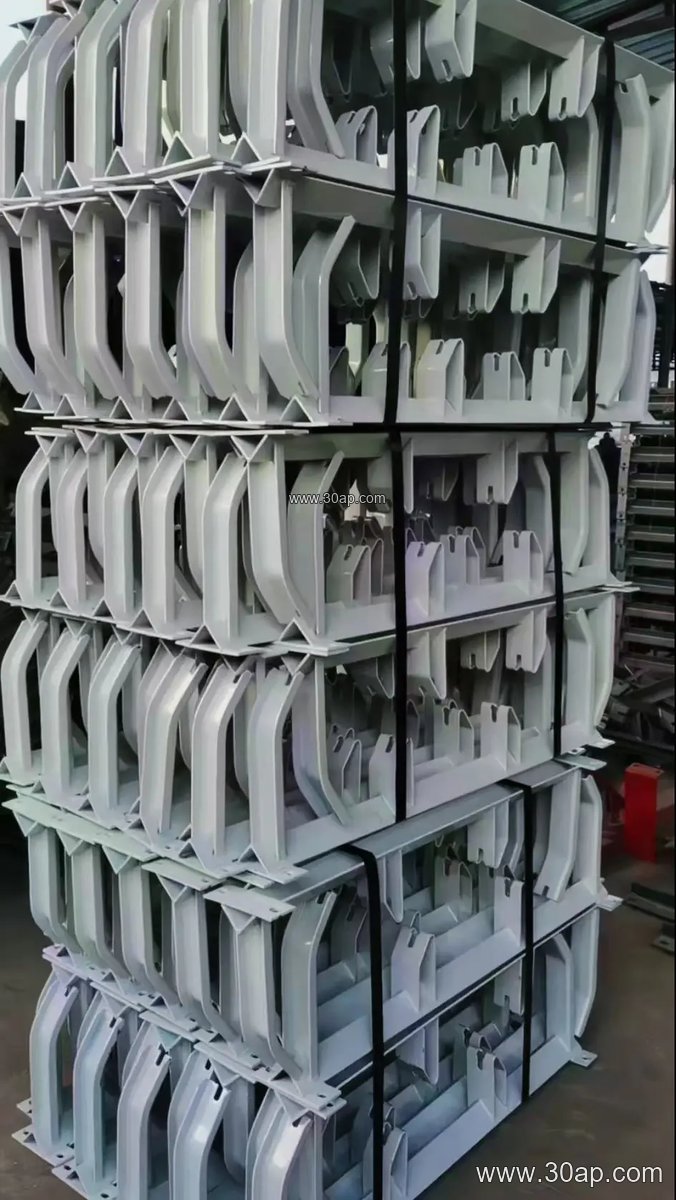
Common trough angles include 20, 30, 35, and 45 degrees. Adjustable brackets can be set within this range. A 35-degree trough is a frequent choice for a 800mm or 1000mm belt in an aggregate conveyor line, while a 45-degree trough may be used where material spillage is a concern. Roller diameters such as Ø89, Ø108, Ø133, Ø159, and Ø194 are matched to the bracket design and load, not to a single belt width. A B650, 30-degree, Ø89 setup is one example of a light-duty arrangement; a B1200, 45-degree, Ø133 arrangement is another for heavier service.
Application Notes for Bulk Material Systems
In a coal mining conveyor or a power plant coal handling line, flame retardant conveyor belt and anti-static conveyor belt are common, and the support brackets must be compatible with the roller frame and the belt’s tracking needs. In a sand and gravel plant, abrasion resistant conveyor belt runs over trough brackets that see constant grit. In a cement plant, heat resistant conveyor belt may be used near clinker, and the bracket must tolerate thermal movement without losing alignment. The bracket itself does not contact the belt directly, but its accuracy affects belt life and splice performance.
For a steel cord conveyor belt or a high strength conveyor belt on a long overland conveyor, bracket alignment is critical because a small height difference between adjacent brackets can cause edge wear. In an underground mining conveyor, space is tight, so compact bracket designs and hanging brackets are often preferred. A pipe conveyor belt or a corrugated sidewall conveyor belt may require special bracket geometry, but the support bracket remains the same product category: a mounting structure for idlers.
Buyer Checklist
- Confirm the belt width, such as B500, B650, B800, B1000, B1200, B1400, or B1600, and the required trough angle.
- Check the idler roller diameter and shaft end type, since the bracket slot must match the roller.
- Decide between fixed and adjustable brackets; adjustable types help with field alignment but need periodic checking.
- Specify the material and finish for the environment: wet, dusty, or corrosive service may call for different steel grades.
- Request the mounting hole spacing and crossbeam length as design data, not as a universal standard.
- Plan spare brackets for transition and impact zones, where wear and deformation are most likely.
At www.example.com, conveyor support bracket drawings are usually reviewed together with the roller layout and the conveyor belt specification. A bracket that fits the frame but not the idler roller will cause installation delays, so the two should be ordered as a matched set.
Maintenance and Replacement
Inspect brackets for bent ears, elongated slots, and loose bolts. A bracket that has lost its angle will let the conveyor belt sag or drift, and the idler roller may wear unevenly. Replace deformed brackets rather than straightening them repeatedly, because repeated bending can crack the steel. Keep a small stock of common brackets for the belt widths on site, and record the trough angle and roller diameter for each conveyor so replacement parts match the original design.