What a Double-Sealed Idler Is
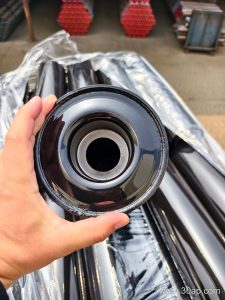
A double-sealed idler is a carrying or return roller whose bearing housing uses two sealing elements in series to keep dust, grit, and moisture away from the bearing. In a quarry, a coal washing plant, or a power plant coal yard, the fine particles that settle on a conveyor structure are exactly what destroys an ordinary roller. The double-sealed idler roller addresses that by adding a second barrier, so the bearing runs cleaner and the roller turns freely for longer.
The natural product name in most catalogues is the double-sealed conveyor idler, and it is also described as a double-lip-sealed idler roller when the seal design uses two lips. These are equivalent names for the same product; a double-sealed idler is not a buffer idler, a spiral idler, or a self-aligning idler, and it should not be confused with them.
How the Sealing Is Built
The seal is the heart of the design. A typical arrangement combines an outer labyrinth seal with an inner lip seal, or two lip seals with a grease barrier between them. The labyrinth throws off coarse dust before it reaches the lip, while the lip retains grease and blocks water. Some designs add a protective end cap and a sealed-for-life bearing, so no relubrication is needed during service.
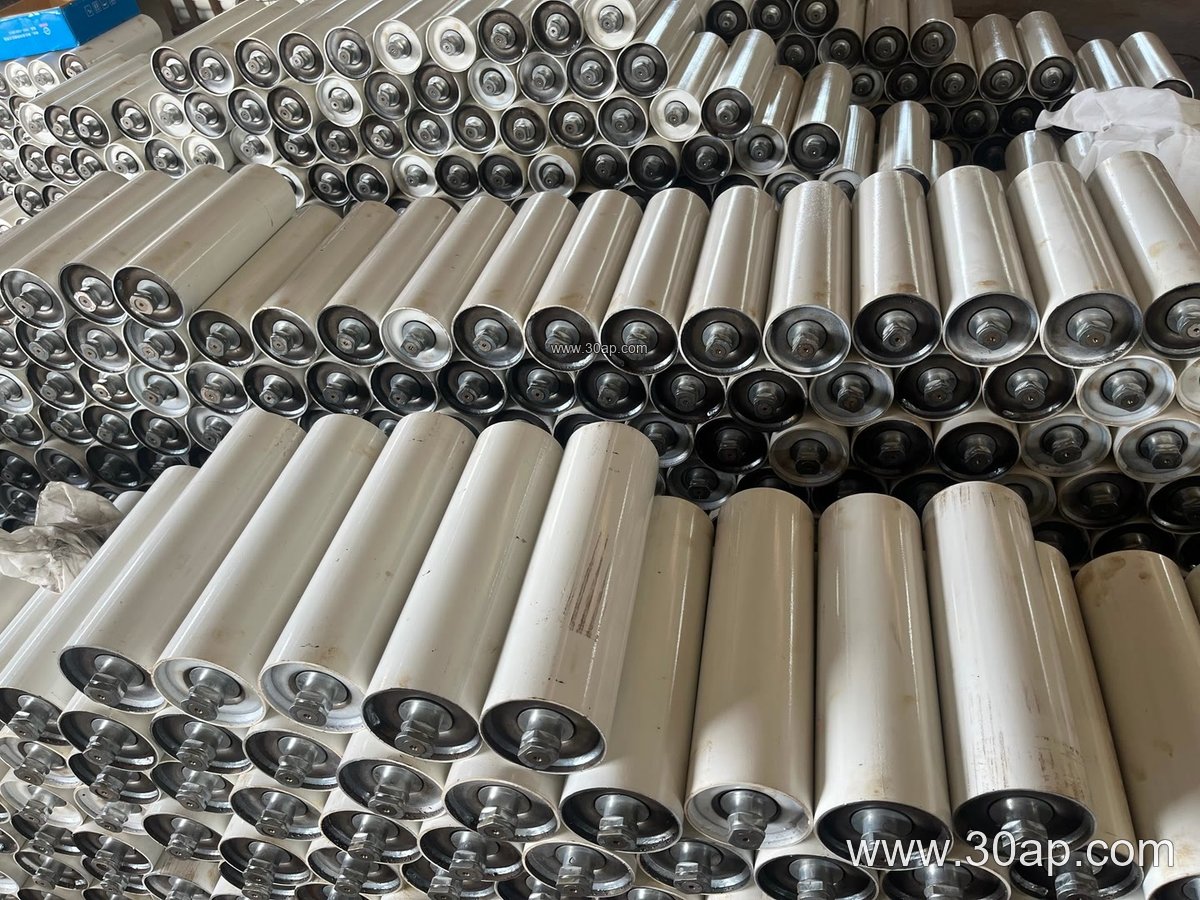
Common bearing sizes used in these rollers include 6204, 6205, 6305, 6306, 6308, and 6310, matched to the shaft and load rather than to the belt width alone. Shell material is usually steel tube, with nylon, ceramic, or rubber rings available where abrasion or material build-up is a problem. The double seal does not change the roller’s external dimensions; it changes how long the bearing survives in a dirty environment.
Where Double-Sealed Idlers Fit on the Conveyor
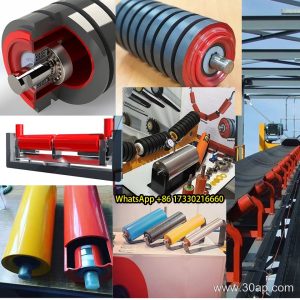
These rollers are used along the carrying side, on the return side, and at transition points. In a limestone mine or a sand and gravel line, they are often specified for the whole troughing set so that every roller has the same protection. On a coal mining conveyor belt, the double seal is particularly useful on the return run, where fines cling to the belt and drop onto the rollers.
They are equally at home in a cement plant, a steel plant sintering line, a port ship loader, or a tunnel muck-out conveyor. Wherever wash-down water, slurry mist, or fine aggregate dust is present, the extra seal pays for itself in reduced downtime.
Troughing Sets, Dimensions, and Matching the Belt
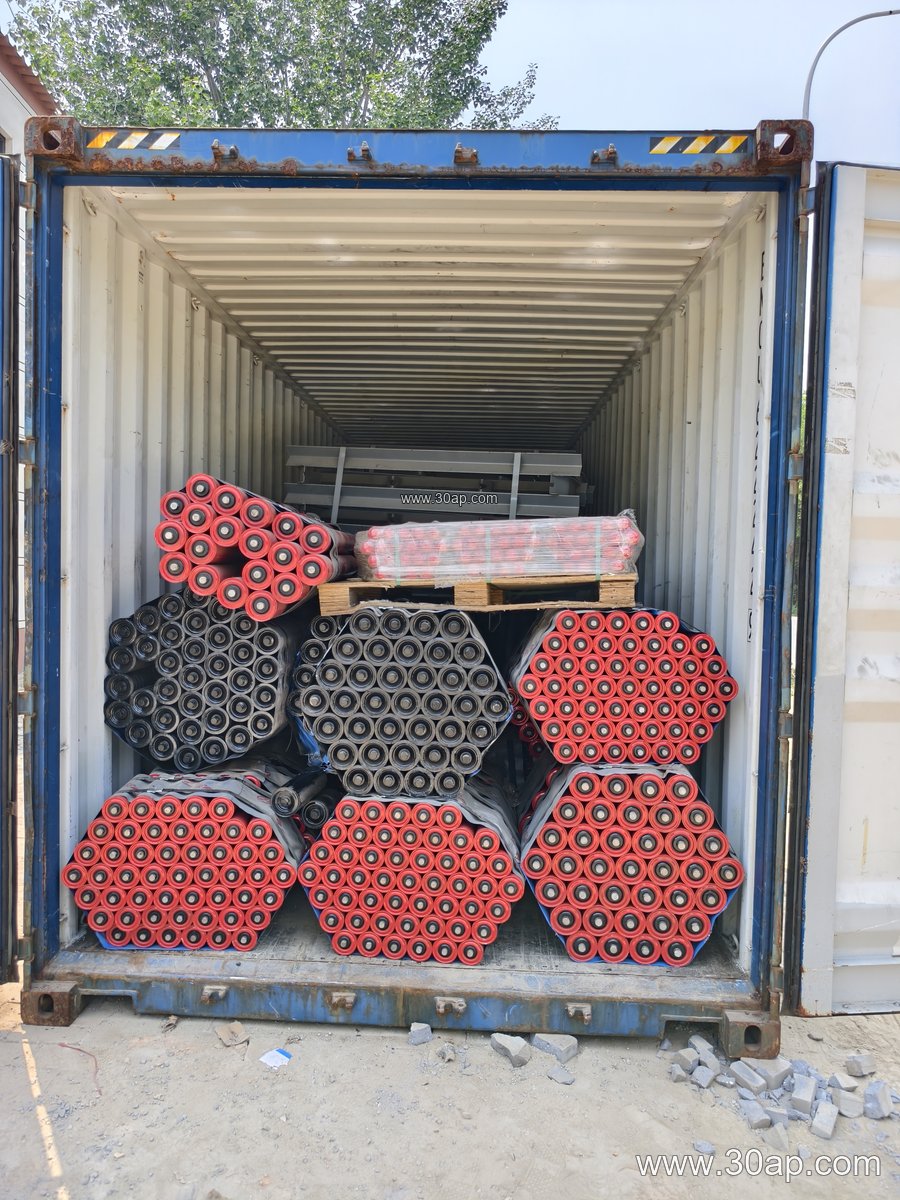
A double-sealed idler is normally supplied as part of a troughing set. The table below shows common reference values; final dimensions follow the conveyor design, belt width, and trough angle.
| Item | Common Reference Values |
|---|---|
| Idler type | Troughing, return, impact, self-aligning, spiral |
| Roller diameter | Ø63, Ø76, Ø89, Ø102, Ø108, Ø127, Ø133, Ø159, Ø178, Ø194, Ø219 mm |
| Belt width | B400, B500, B650, B800, B1000, B1200, B1400, B1600, B1800, B2000, B2200, B2400 |
| Trough angle | 20°, 30°, 35°, 45° |
| Troughing set | Single-roll, two-roll, three-roll |
| Roller surface | Steel tube, nylon, ceramic, rubber ring |
Roller length changes with belt width, trough angle, and set configuration. For a three-roll troughing set, common examples are about 200 mm for B500, 250 mm for B650, 315 mm for B800, 380 mm for B1000, 465 mm for B1200, 530 mm for B1400, 600 mm for B1600, 670 mm for B1800, and 750 mm for B2000. Side rollers and the centre roller may differ, so these figures are examples, not fixed pairings. A 1200mm wide conveyor belt does not dictate one shaft diameter, and a single belt width can match several roller diameters.
Selection and Maintenance Notes for Buyers
- Match the seal class to the environment: a wash-down cement plant or a wet coal preparation plant justifies the double seal, while a dry, clean transfer may not.
- Choose the roller surface for the material: rubber rings for impact zones under a crusher, ceramic for abrasive ore, steel for general duty.
- Check that the bearing size suits the load and shaft, and confirm the mounting dimensions against the existing conveyor bracket.
- Confirm the trough angle and set type before ordering, since these drive roller length and frame geometry.
- Inspect seals at routine shutdowns; a damaged lip or missing cap lets grit in quickly.
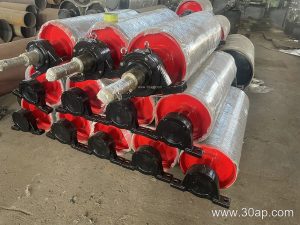
For heavy-duty mining conveyor belt circuits, the double-sealed idler roller is a practical upgrade over a single-sealed roller, especially where an abrasion resistant conveyor belt sheds fines onto the return strand. It works alongside the conveyor pulley and conveyor bracket as part of one system, so buy the roller as a matched component, not as an isolated part.