What a Surface Belt Conveyor Idler Does
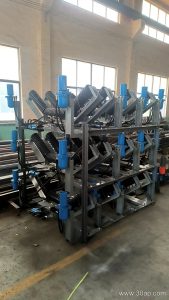
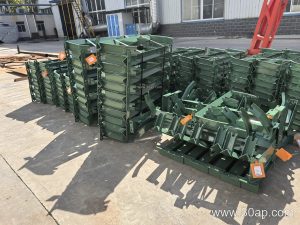
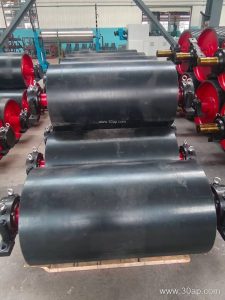
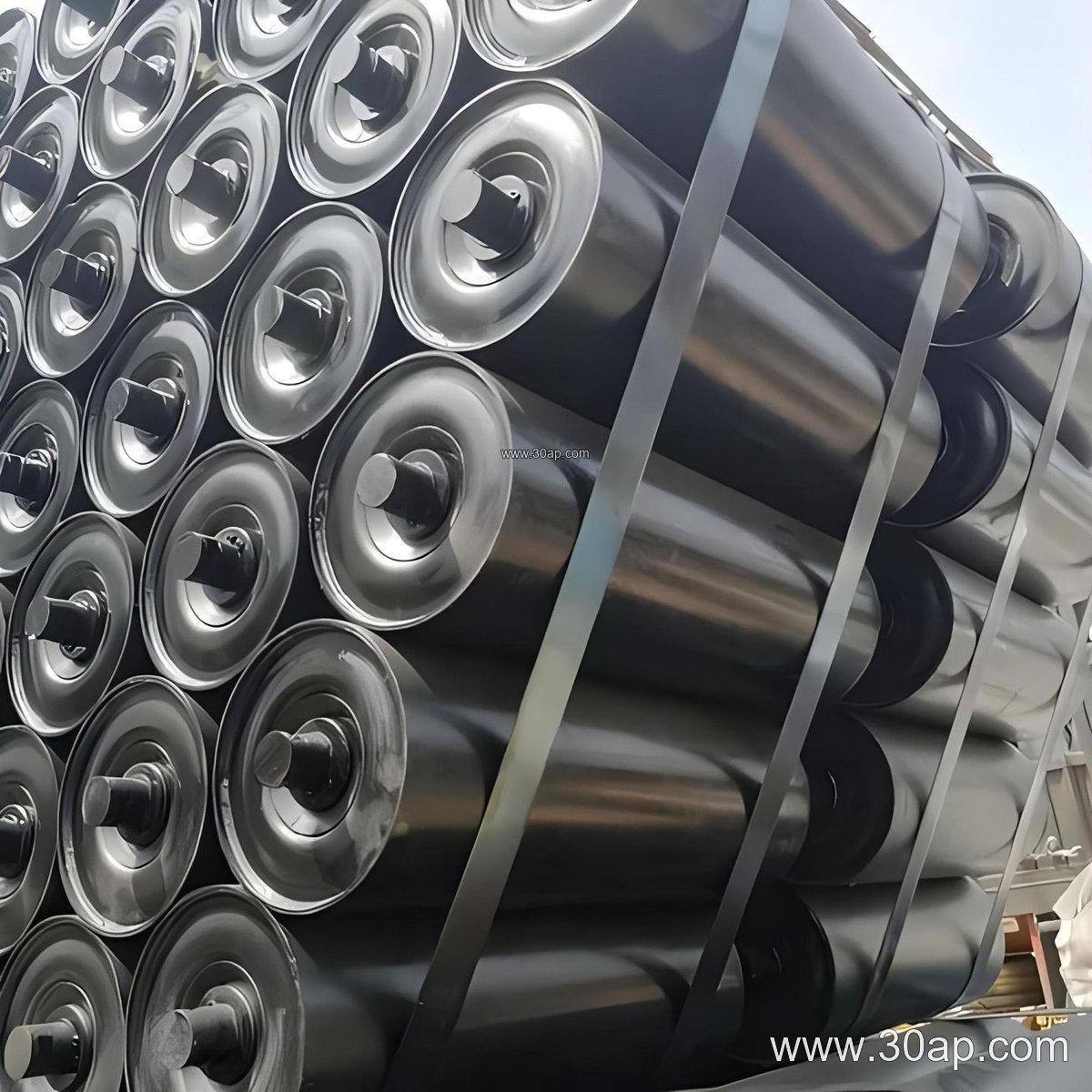
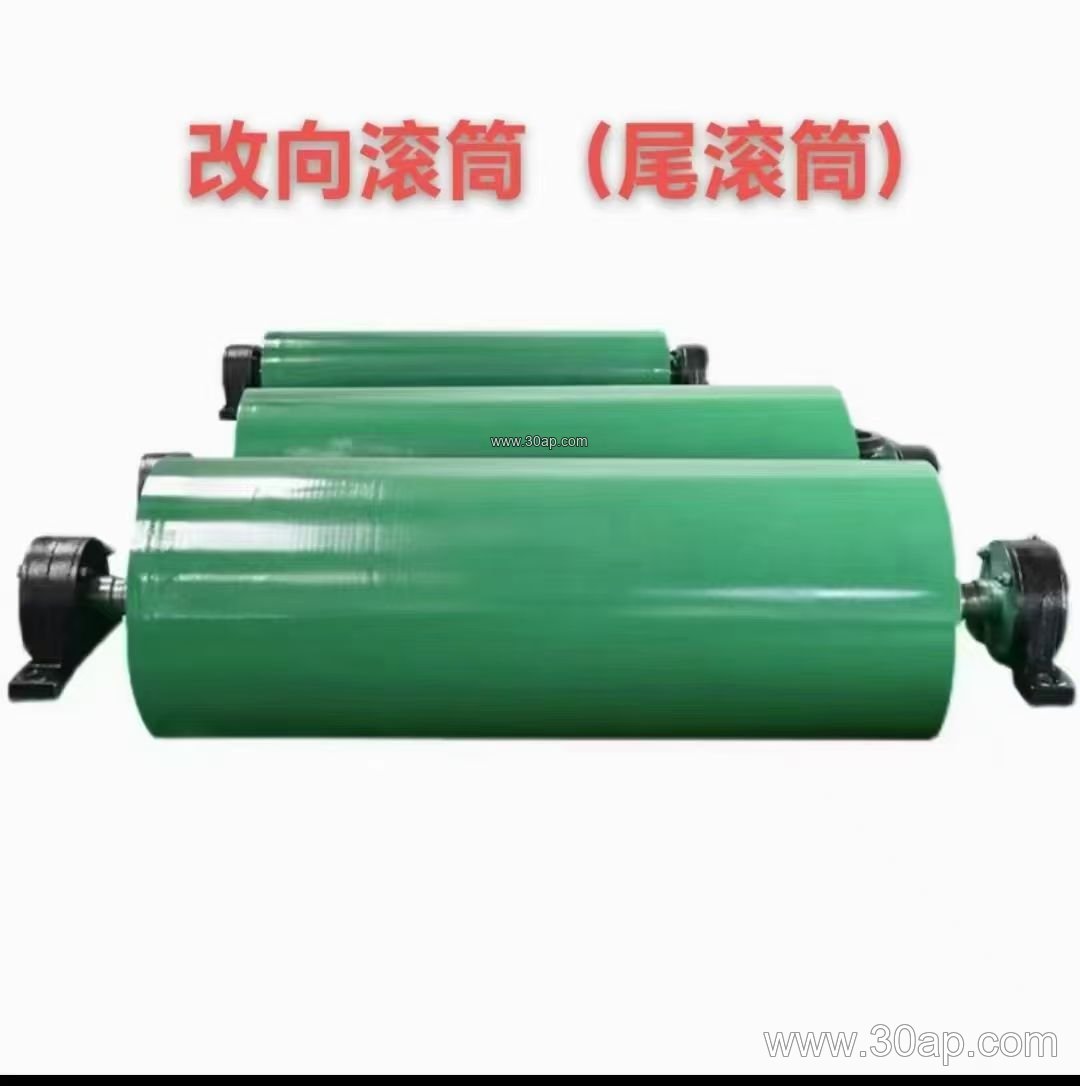
A surface belt conveyor idler is the rotating component that supports the conveyor belt along the carrying and return runs of an above-ground conveyor system. In a quarry, aggregate plant, or cement kiln feed line, these idlers keep the belt profile stable, reduce friction, and help control material spillage. The same product is often called a surface conveyor idler roller, and it belongs to the broader family of belt conveyor idlers. It is not a drive pulley, tail pulley, or bend pulley; those are separate components that transmit power or change belt direction.
On surface installations, the idler must handle dust, rain, temperature swings, and continuous abrasive loads. A well-chosen surface belt conveyor idler therefore combines a sturdy roller shell, reliable bearings, and effective sealing. The choice of roll surface, diameter, and trough angle depends on the belt width, material characteristics, and conveyor layout.
Construction and Common Surface Forms
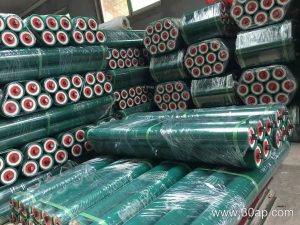
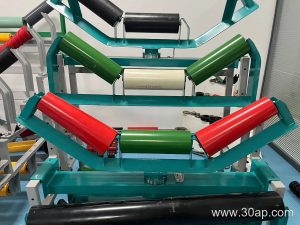
Most surface belt conveyor idlers use a steel tube shell with pressed bearing housings at each end. The shaft is fixed, and the shell rotates on bearings that are protected by labyrinth seals or contact seals. Roll surfaces vary: plain steel for general bulk handling, nylon for lighter duty, rubber rings for impact absorption, and ceramic lagging for high-wear zones. The table below shows common reference values, not fixed rules.
| Parameter | Common Reference Range | Notes |
|---|---|---|
| Idler diameter | Ø63, Ø76, Ø89, Ø102, Ø108, Ø127, Ø133, Ø159, Ø178, Ø194, Ø219 mm | Smaller diameters for light belts; larger for heavy loads |
| Belt width | B400, B500, B650, B800, B1000, B1200, B1400, B1600, B1800, B2000, B2200, B2400 mm | Idler length matches belt width and trough configuration |
| Trough angle | 20°, 30°, 35°, 45° | Higher angles suit free-flowing bulk materials |
| Bearing | 6204, 6205, 6305, 6306, 6308, 6310 | Bearing size is selected by load and speed, not by belt width alone |
| Roll surface | Steel, nylon, ceramic, rubber ring | Rubber ring for buffer zones; ceramic for abrasive service |
For a three-roll troughing set, common roller lengths are approximately 200 mm for B500, 250 mm for B650, 315 mm for B800, 380 mm for B1000, 465 mm for B1200, 530 mm for B1400, 600 mm for B1600, 670 mm for B1800, and 750 mm for B2000. Side rollers and center rollers can differ, so these figures are examples only.
Where Surface Idlers Are Used
Surface belt conveyor idlers appear in stone crushing and screening plants, cement plants, power plant coal yards, iron ore stockpiles, and port loading systems. In a quarry conveyor line, troughing idlers carry abrasive rock, while return idlers support the empty belt. Buffer idlers with rubber rings are often placed under crusher discharge points to absorb impact. Alignment idlers help keep the belt centered on long surface runs.
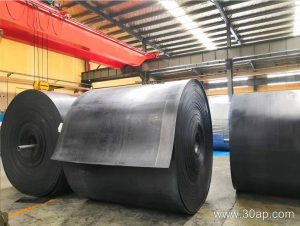
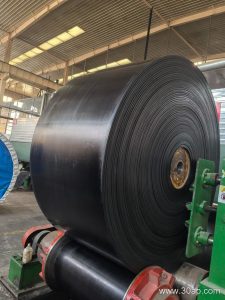
The conveyor belt itself may be an EP conveyor belt, a steel cord conveyor belt, or a flame retardant conveyor belt for coal handling. The idler selection should match the belt’s tension, speed, and load profile. For example, a heavy-duty mining conveyor belt on an overland surface conveyor may need larger diameter idlers and robust seals, while a lightweight aggregate conveyor belt can use smaller rollers.
Buyer Checklist for Surface Belt Conveyor Idlers
Before ordering, confirm the belt width, trough angle, idler diameter, and bearing type. Check the roll surface: rubber ring for impact, ceramic for high abrasion, and steel for general use. Ask about seal design and shaft fixing, because dust ingress is a common cause of premature failure. Verify that the idler length and mounting dimensions fit the existing conveyor bracket. Do not assume one belt width matches only one pulley diameter; the idler diameter should be chosen from load, speed, and belt tension calculations.
- Match idler diameter to belt speed and load, not only to belt width.
- Use buffer idlers at transfer points and alignment idlers on long runs.
- Check bearing size and seal type for dusty or wet surface conditions.
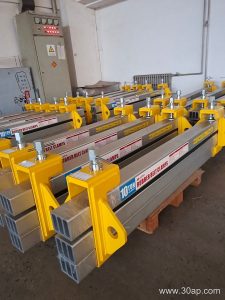
- Confirm roller length with the troughing set and conveyor bracket dimensions.
- For coal or dusty service, consider anti-static or flame retardant belt compatibility.
Routine inspection of surface belt conveyor idlers includes checking for seized rollers, worn shells, and loose brackets. Replacing a damaged idler early protects the conveyor belt from edge damage and tracking problems. In cement, power, and quarry operations, a planned idler maintenance schedule reduces unplanned downtime and keeps the bulk material conveyor belt running smoothly.