Understanding Copper Ore Conveyor Belts
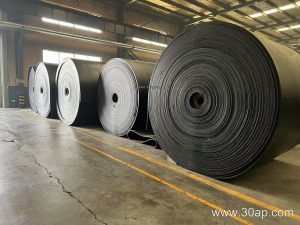
A copper ore conveyor belt is a heavy-duty rubber belt designed to transport extracted copper ore from loading points to processing plants, stockpiles, or ship loaders. In mining and quarry operations, this belt must withstand sharp lump ore, abrasive dust, and often wet or oily conditions. The term Copper Ore Conveyor Belt refers specifically to the belting used for copper ore handling, typically an abrasion-resistant rubber conveyor belt with a fabric or steel cord carcass. For high-capacity overland systems, a steel cord conveyor belt is often chosen, while shorter in-plant runs may use an EP conveyor belt or NN conveyor belt with multiple plies.
Construction and Key Components
The belt body consists of a rubber cover, a tension-bearing carcass, and sometimes a breaker layer. Common carcass types include fabric core conveyor belt (EP or NN) and steel cord. For copper ore, the top cover usually features high abrasion resistance—often 6+2 mm or 8+3 mm thick—to resist cutting and gouging from jagged rock. The bottom cover may be thinner, such as 3+1.5 mm or 4+2 mm, depending on pulley contact and training conditions.
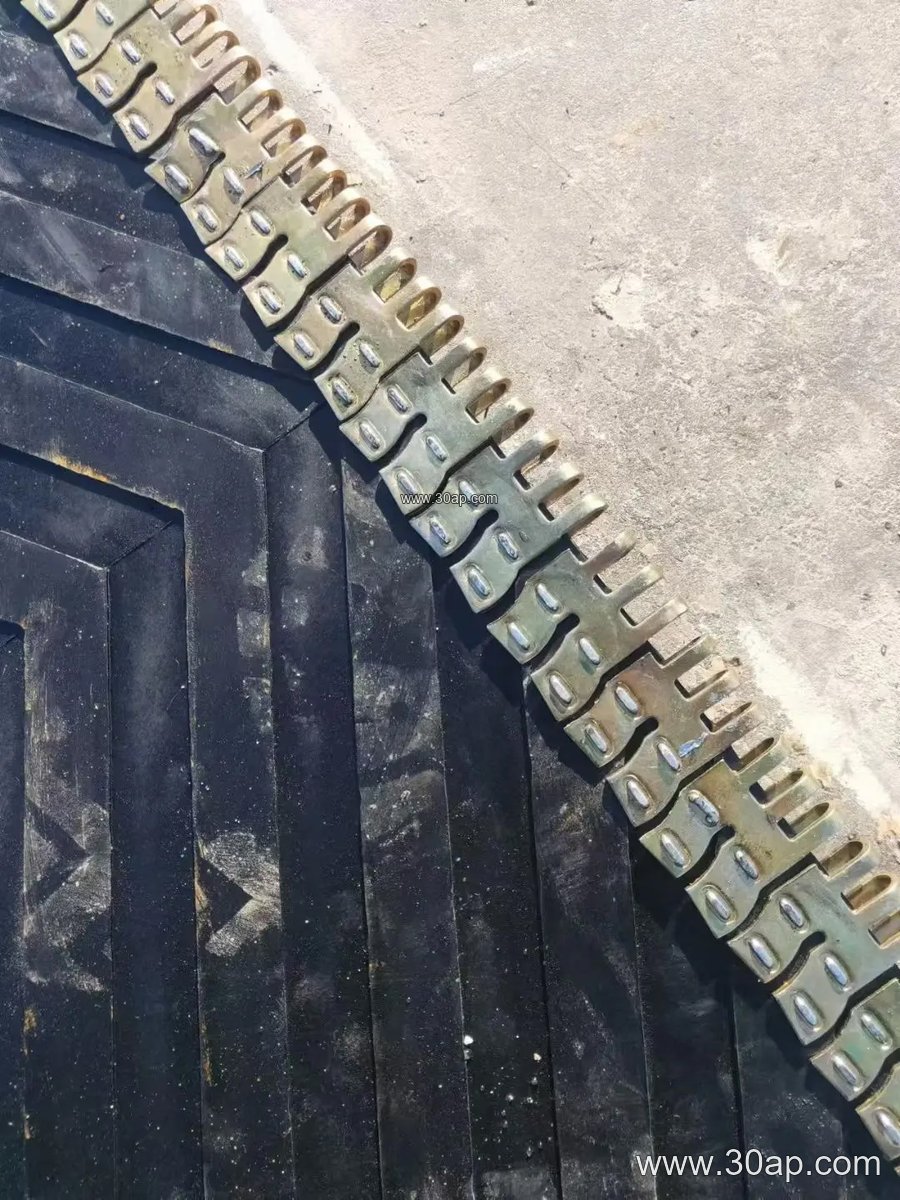
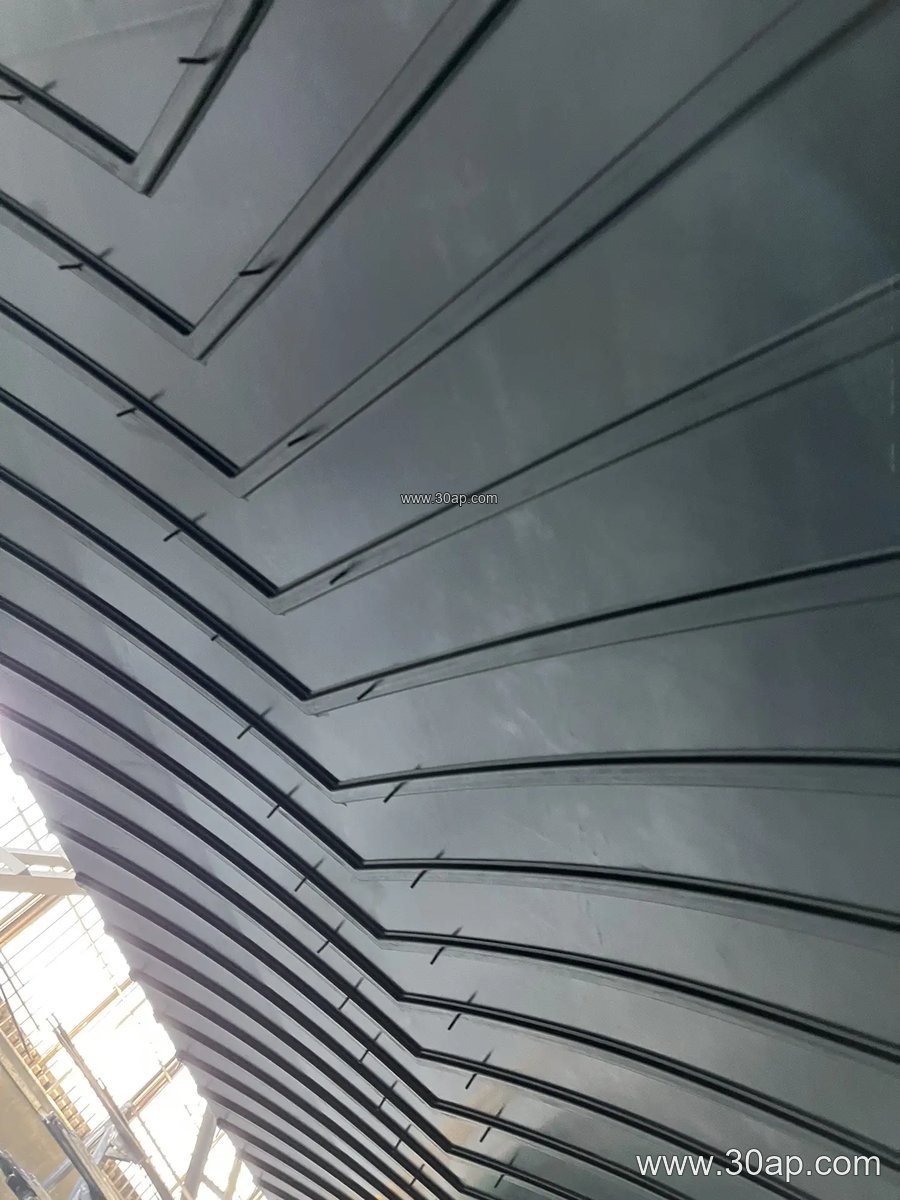
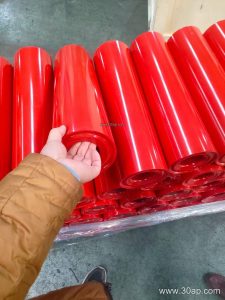
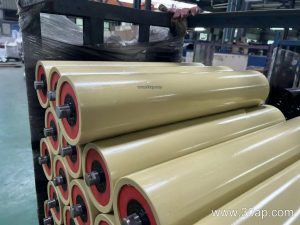
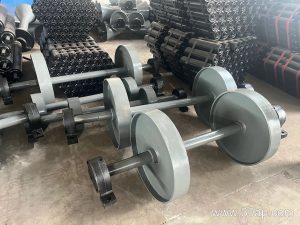
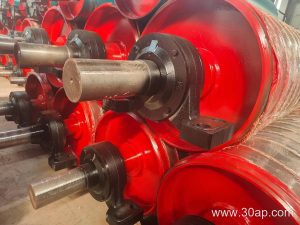
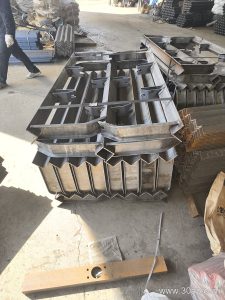
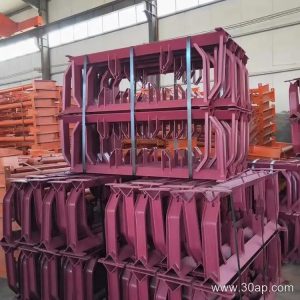
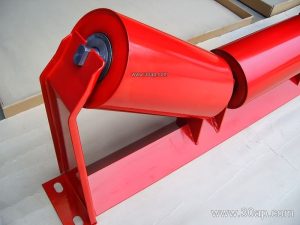
The conveyor system around the belt also matters. Idler rollers support the belt and absorb impact at transfer points; conveyor pulleys—drive, tail, and bend pulleys—each serve distinct roles and are not interchangeable. A drive pulley transmits power, a tail pulley provides belt tension, and a bend pulley changes belt direction. Proper conveyor brackets keep idlers aligned and reduce spillage.
Typical Specifications
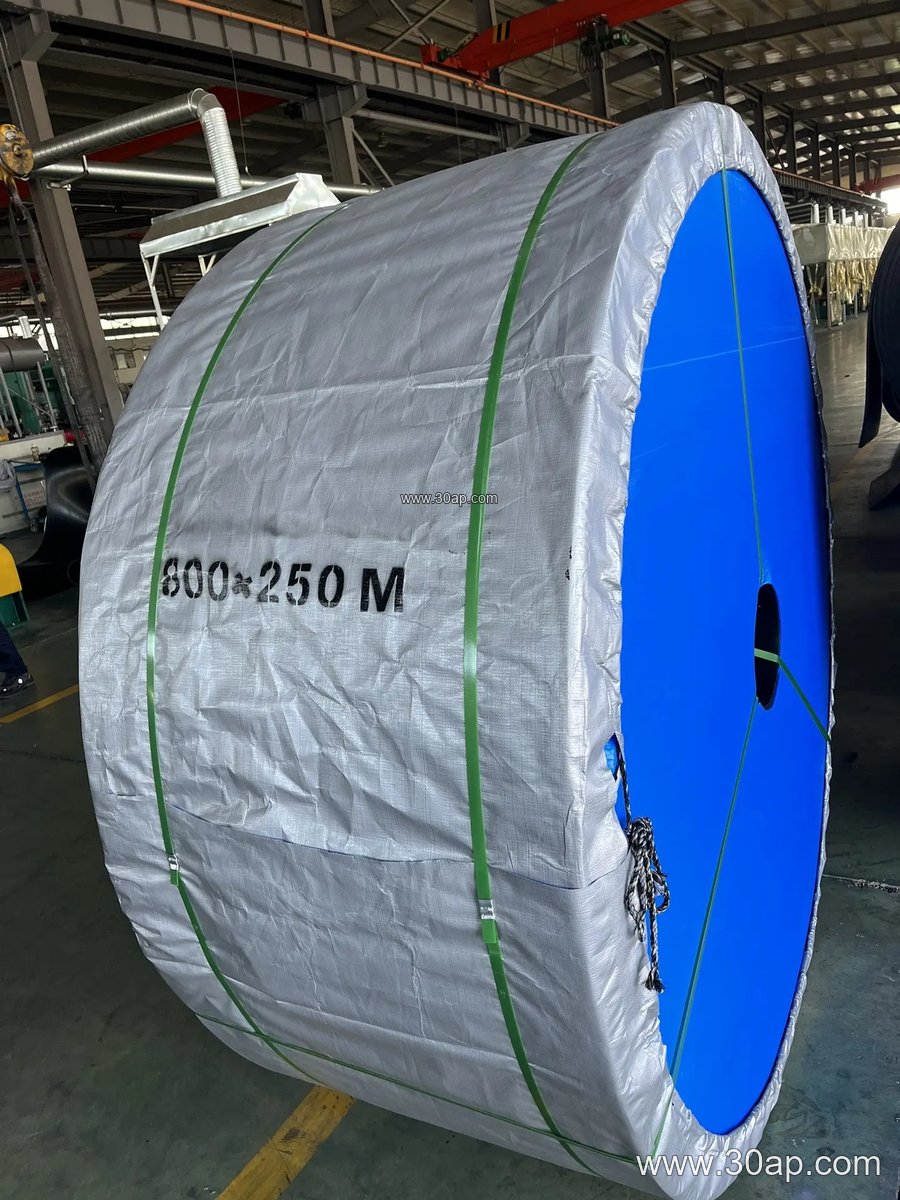
Copper ore belts are available in a range of strengths and widths. The table below shows common reference values; actual selection should follow conveyor design, ore lump size, and duty cycle.
| Parameter | Common Options |
|---|---|
| Belt width | B650, B800, B1000, B1200, B1400, B1600, B1800 |
| Fabric core strength | EP200, EP315, EP400, EP500, EP630, EP800, EP1000, EP1250 |
| Steel cord strength | ST1000, ST1250, ST1600, ST2000 |
| Cover thickness | 4+2 mm, 5+2 mm, 6+2 mm, 8+3 mm |
| Carcass plies (fabric) | 2 to 6 layers |
For example, an EP1000 1200mm conveyor belt may suit a primary crushing discharge, while a 1800mm wide steel cord belt may be used for high-tonnage overland haulage. These are examples, not fixed pairings; a belt width does not dictate a single pulley diameter.
Applications in Mining and Processing
Copper ore conveyor belts are found in underground mining conveyor systems, open-pit crushing plants, concentrators, and port ship-loading facilities. They also appear in cement plants and power plants where copper ore is part of the raw material stream. In abrasive quarry conveyor belts, the same heavy-duty mining conveyor belt construction is often specified. For dusty or combustible environments, a flame retardant conveyor belt or anti-static conveyor belt may be required; for cold climates, a cold resistant conveyor belt helps prevent cracking.
Buyer Checklist
- Confirm ore lump size and drop height to choose impact resistant conveyor belt grades.
- Check whether oil, acid, or heat exposure calls for oil resistant, acid resistant, or heat resistant conveyor belt covers.
- Match belt strength to the conveyor’s calculated tension—EP800 or EP1000 are common, but steel cord ST1600 may be needed for long runs.
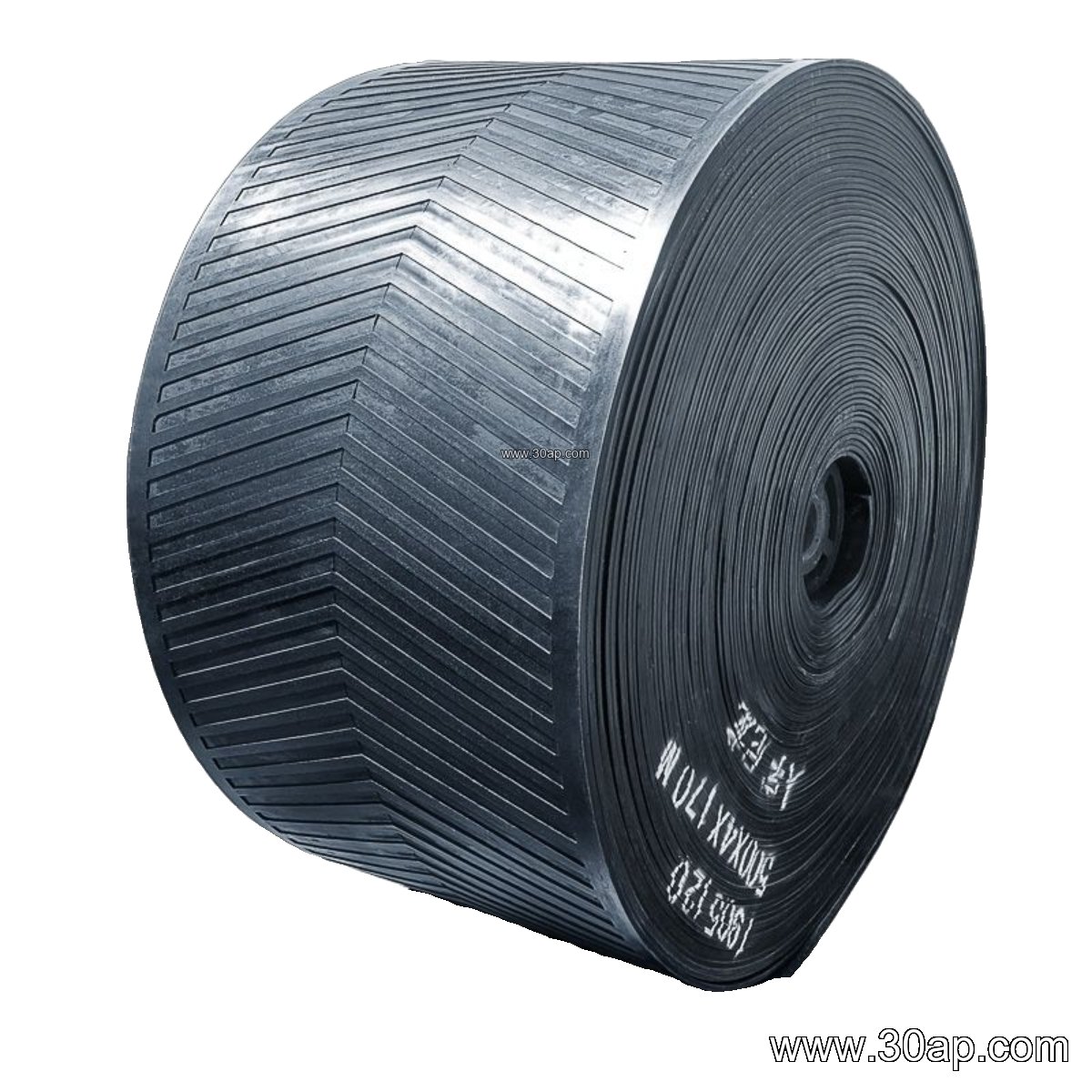
- Consider chevron conveyor belt or corrugated sidewall conveyor belt only if incline angles exceed standard limits; these are alternatives, not replacements for a flat copper ore belt.
- Review pulley and idler specifications; drive, tail, and bend pulleys are distinct components and should be sized by the conveyor designer.
Regular inspection of cover wear, splice condition, and idler roller alignment extends service life. Keeping spare conveyor brackets and pulleys on hand reduces downtime in remote mine sites.