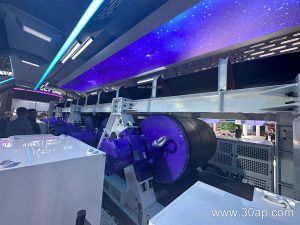
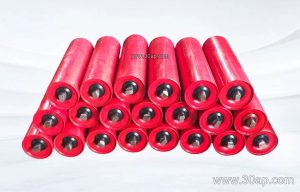
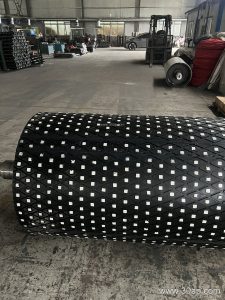
What a Conveyor Bracket Assembly Does
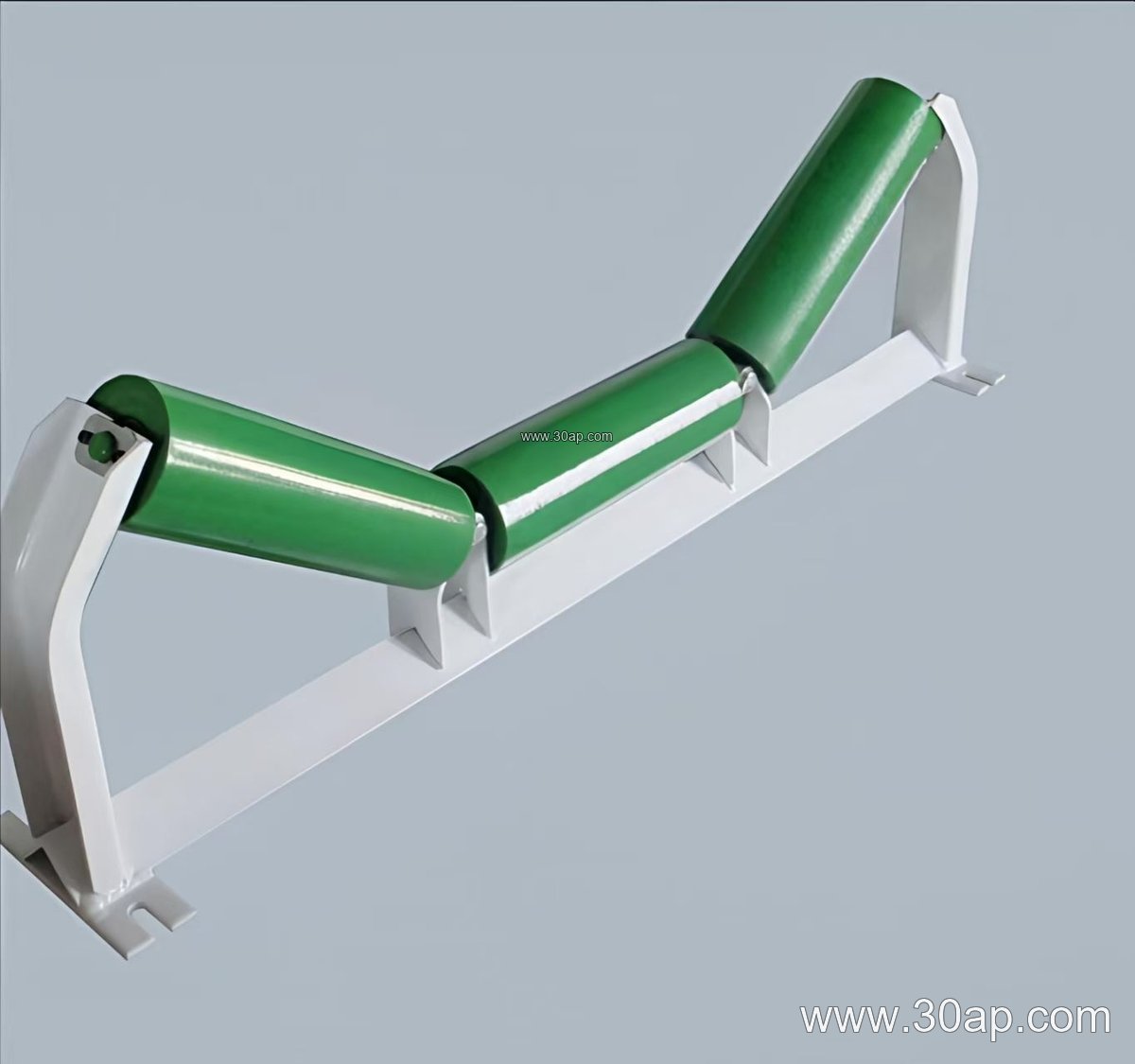
A Conveyor Bracket Assembly is the structural frame that holds the idlers in position under and over the belt. It carries the load from the conveyor belt into the mainframe, keeping the rollers aligned so the belt tracks smoothly. In a quarry or a cement plant, a poorly seated bracket shows up quickly as belt wander, edge wear and spilled material. The assembly is not a single part; it is a welded or bolted unit made from angle steel, channel steel or folded plate, drilled to match the idler shaft and the stringer spacing.
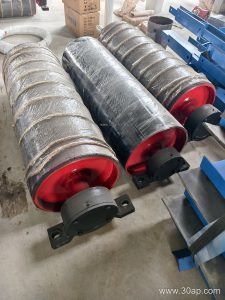
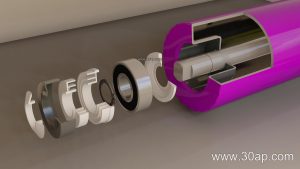
Well-known equipment names in this area include the conveyor pulley, the idler roller and the conveyor bracket itself. They work as a system: the pulley drives, the rollers support, and the bracket assembly keeps everything square.
How the Assembly Is Built
Most units combine a crossbeam, two end brackets and one or more idler seats. The trough angle is set by the position of the wing seats. Common forms include the troughing bracket, return bracket, V-return bracket, impact bracket, self-aligning bracket, transition bracket and adjustable bracket. Bolted designs allow site adjustment; welded designs are stiffer and suit heavy-duty lines.
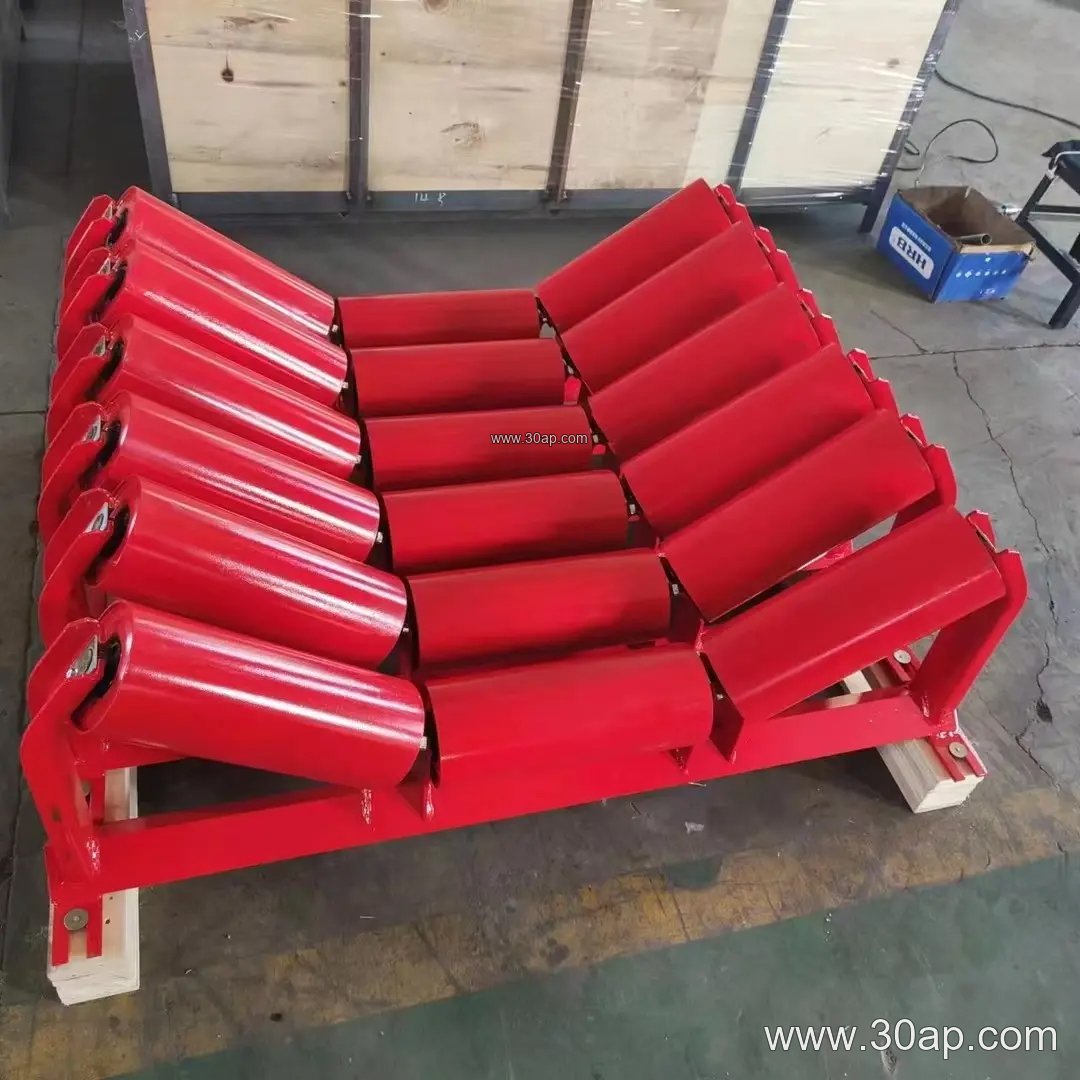
Materials are usually angle steel, channel steel or bent plate. Holes are spaced to match the belt width and the chosen trough angle, and the beam length changes with the frame design rather than following one fixed figure.
Where It Fits on the Line
These assemblies appear wherever a belt needs support: a crushing and screening circuit, a coal washing plant, a power station coal yard, a port shiploader, or an iron ore transfer point. In a tunnel spoil line, compact return brackets are common because space is tight.
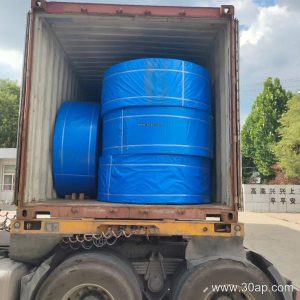
The belt itself matters too. A heavy-duty mining conveyor belt or a steel cord conveyor belt for long hauls needs stiffer support than a light fabric core belt. Abrasion resistant conveyor belt grades are typical in aggregate duty, while flame retardant conveyor belt and fire resistant conveyor belt types are chosen for underground coal mining conveyor systems. Heat resistant conveyor belt and oil resistant conveyor belt options appear in cement and steel plants.
Common Reference Dimensions
The values below are reference examples, not universal matches. Belt width, trough angle, roller diameter and bracket type are selected together by the designer.
| Belt width | Trough angle | Roller diameter | Typical bracket |
|---|---|---|---|
| B650 | 30 degrees | Ø89 | Troughing, return |
| B800 | 35 degrees | Ø108 | Troughing, impact |
| B1000 | 35 degrees | Ø108 | Troughing, self-aligning |
| B1200 | 45 degrees | Ø133 | Troughing, transition |
| B1400 | 35 degrees | Ø159 | Troughing, V-return |
| B1600 | 45 degrees | Ø159 | Heavy troughing |
| B1800 | 35 degrees | Ø194 | Troughing, return |
Adjustable brackets can be set between 20, 30, 35 and 45 degrees. Forward-leaning seats are often around 1.5 to 2 degrees. Hole pitch and beam length follow the belt width and angle, so these are confirmed per project.
Buyer Checklist
- Confirm belt width, trough angle and roller diameter before ordering.
- State the bracket type: troughing, return, impact, self-aligning or transition.
- Check mounting hole spacing against the existing stringer.
- Match coating or finish to the site: washdown, dust or corrosive atmosphere.
- Ask whether the frame is welded or bolted, since field adjustment differs.
A bracket assembly that fits the idler and the frame reduces belt damage and downtime. For related components, see the conveyor pulley, idler roller and conveyor belt selections at beltconveyors.com.