What an Idler Bearing Housing Does
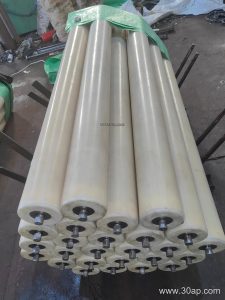
An idler bearing housing is the component that holds the bearing at each end of an idler roller and connects it to the roller shell and shaft. In a conveyor line, the housing keeps the bearing aligned, protects it from dust and moisture, and transfers the load from the belt and material down through the roller to the conveyor bracket. Without a sound housing, even a good bearing will fail early, and the whole idler roller will start to wobble, seize, or wear the belt edge.
The housing is easy to overlook because it sits inside the roller end. But in a quarry, a coal preparation plant, or a cement plant, a failed bearing housing can stop a whole transfer line. That is why buyers who care about uptime treat the housing as a critical part, not a cheap accessory.
How the Housing Is Built
Most idler bearing housings are made from pressed steel, stamped and formed to fit a specific bearing series and shaft end. Some are machined castings for heavier duty. The housing usually includes a seal seat, a grease retaining space, and a shoulder that positions the bearing. A common arrangement uses a labyrinth seal or a combination of felt and rubber seals to keep out fine dust.
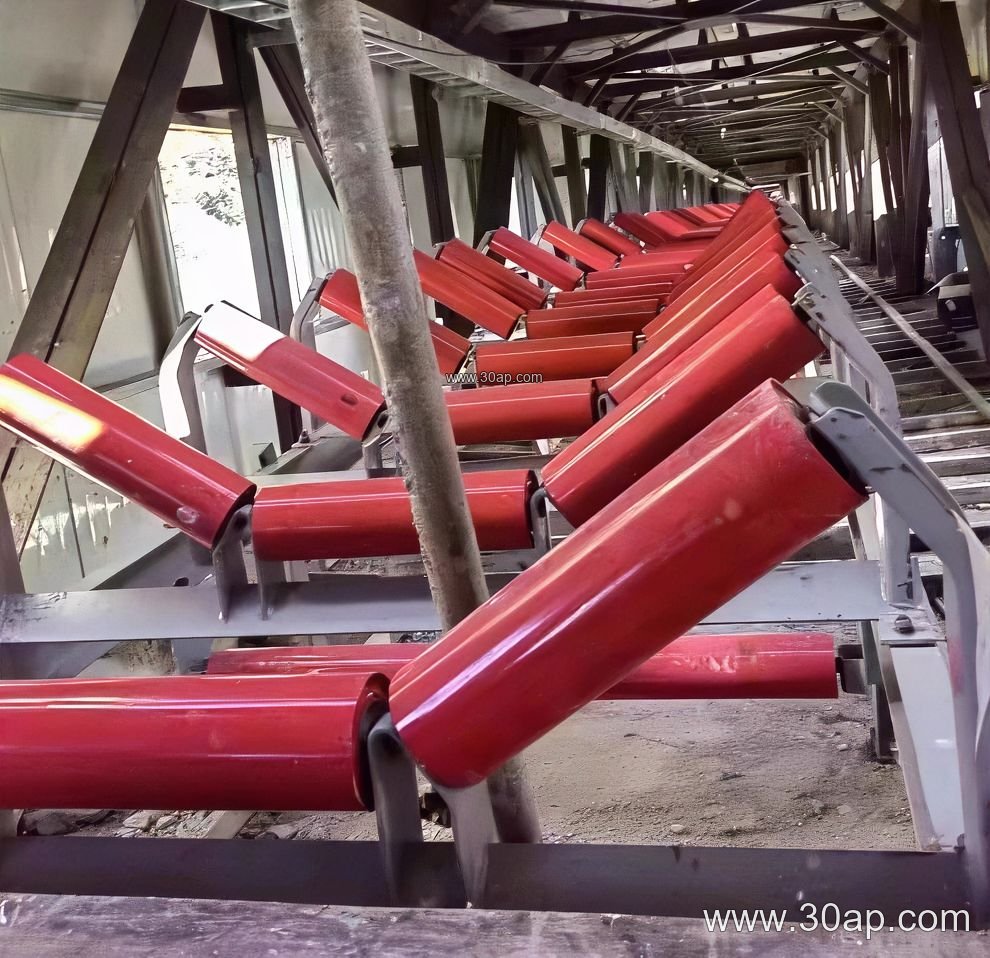
The housing is pressed into the roller end, then the bearing is fitted, and the shaft is locked in place. In many designs the housing is part of a bearing cartridge that can be replaced as a unit. This matters in the field, because a maintenance team can swap a cartridge without replacing the whole roller.
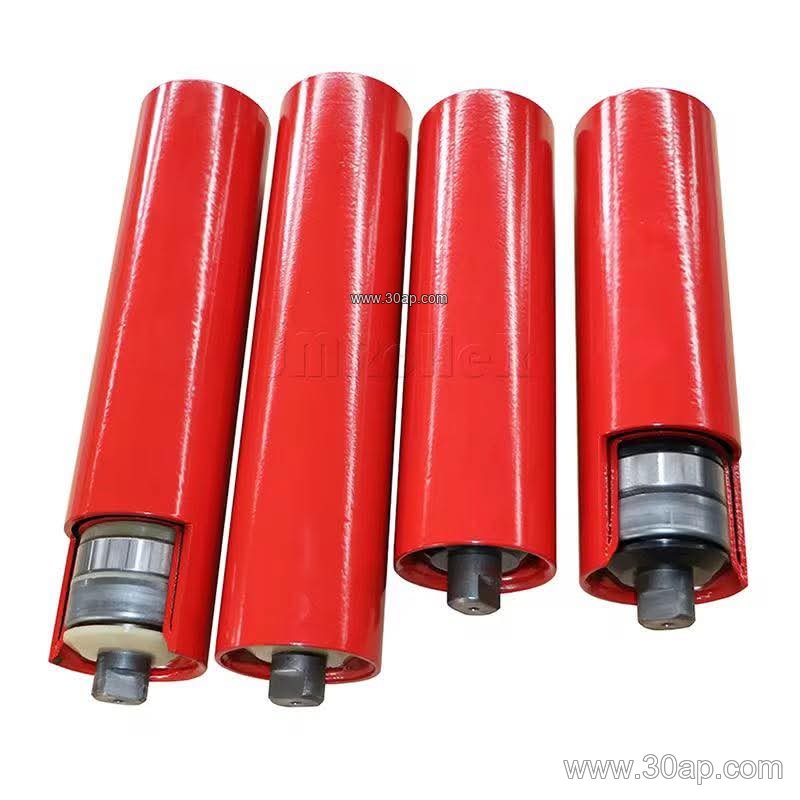
- Material: pressed steel, cast iron, or engineering plastic for lighter duty
- Sealing: labyrinth, felt, rubber lip, or combined seal
- Bearing fit: press fit into the housing bore, with shaft fixed by snap ring or adapter
- Surface: painted, zinc plated, or otherwise treated for corrosion resistance
Where It Fits on the Conveyor
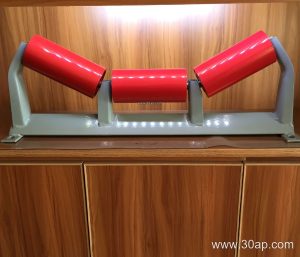
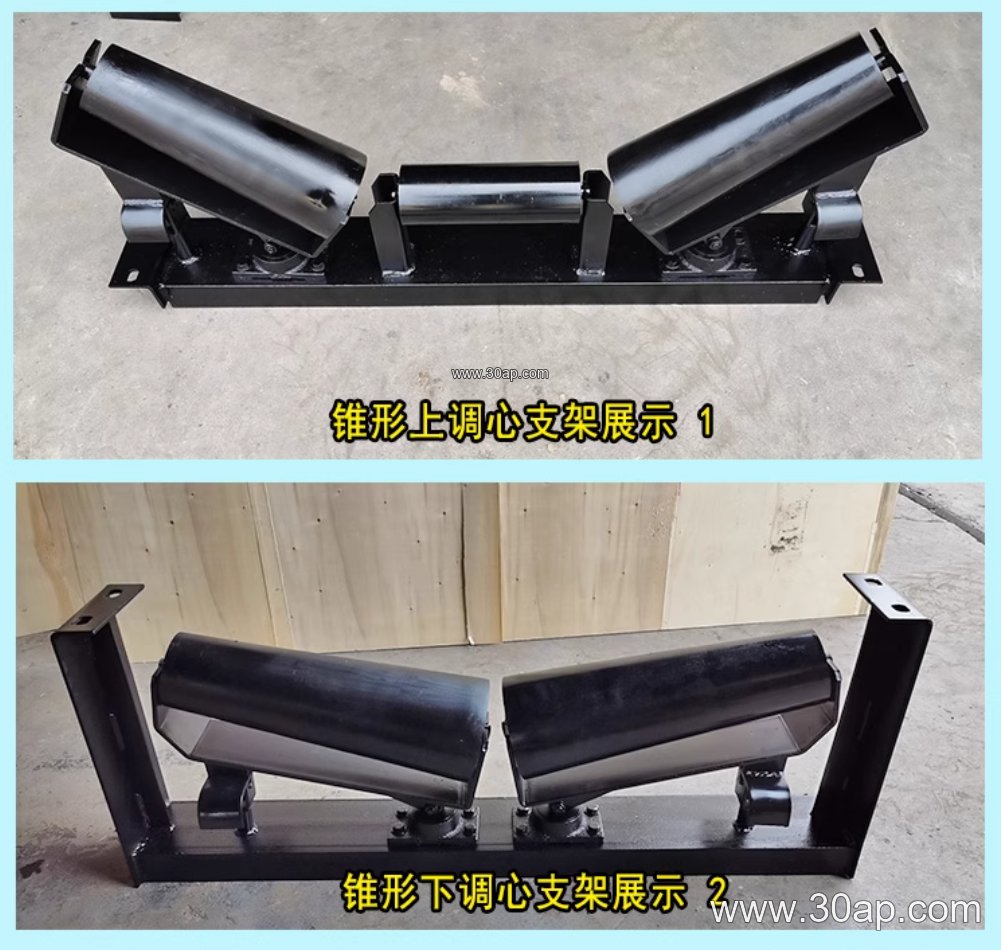
Bearing housings are used on troughing idlers, return rollers, impact rollers, and self-aligning idlers. In a three-roll troughing set on a B800 or B1000 belt, the side rollers and center roller each have two housings, one at each end. In a coal mining conveyor, the housings on the return side face more dust and moisture, so seal quality matters most there.
On a heavy-duty mining conveyor carrying iron ore or copper ore, the housing must cope with shock loads from large lumps. On a cement plant belt moving clinker, heat and abrasive dust are the main enemies. In a power plant coal yard, fine coal dust can enter a poor seal and turn into a grinding paste. Each of these sites puts different demands on the same basic part.
Bearing and Roller Diameter Relationships
Bearing size and roller diameter are related by design, but the relationship is not fixed. Common bearing numbers include 6204, 6205, 6305, 6306, 6308 and 6310. Common roller diameters include Ø63, Ø76, Ø89, Ø102, Ø108, Ø127, Ø133, Ø159 and Ø178 mm. A larger roller can carry a larger bearing, but the exact pairing depends on load, speed, and shaft design.
| Bearing Number | Typical Housing Bore Range | Common Roller Diameter Examples |
|---|---|---|
| 6204 | Small bore, light duty | Ø63, Ø76 |
| 6205 | Small to medium bore | Ø76, Ø89 |
| 6305 | Medium bore | Ø89, Ø102, Ø108 |
| 6306 | Medium bore | Ø108, Ø127, Ø133 |
| 6308 | Medium to heavy bore | Ø133, Ø159 |
| 6310 | Heavy bore | Ø159, Ø178, Ø194 |
These are examples for orientation only. Do not assume that one belt width dictates one shaft diameter or one bearing number. The conveyor designer sets the load rating, and the housing must match the selected bearing and shaft.
Specification Details Buyers Should Check
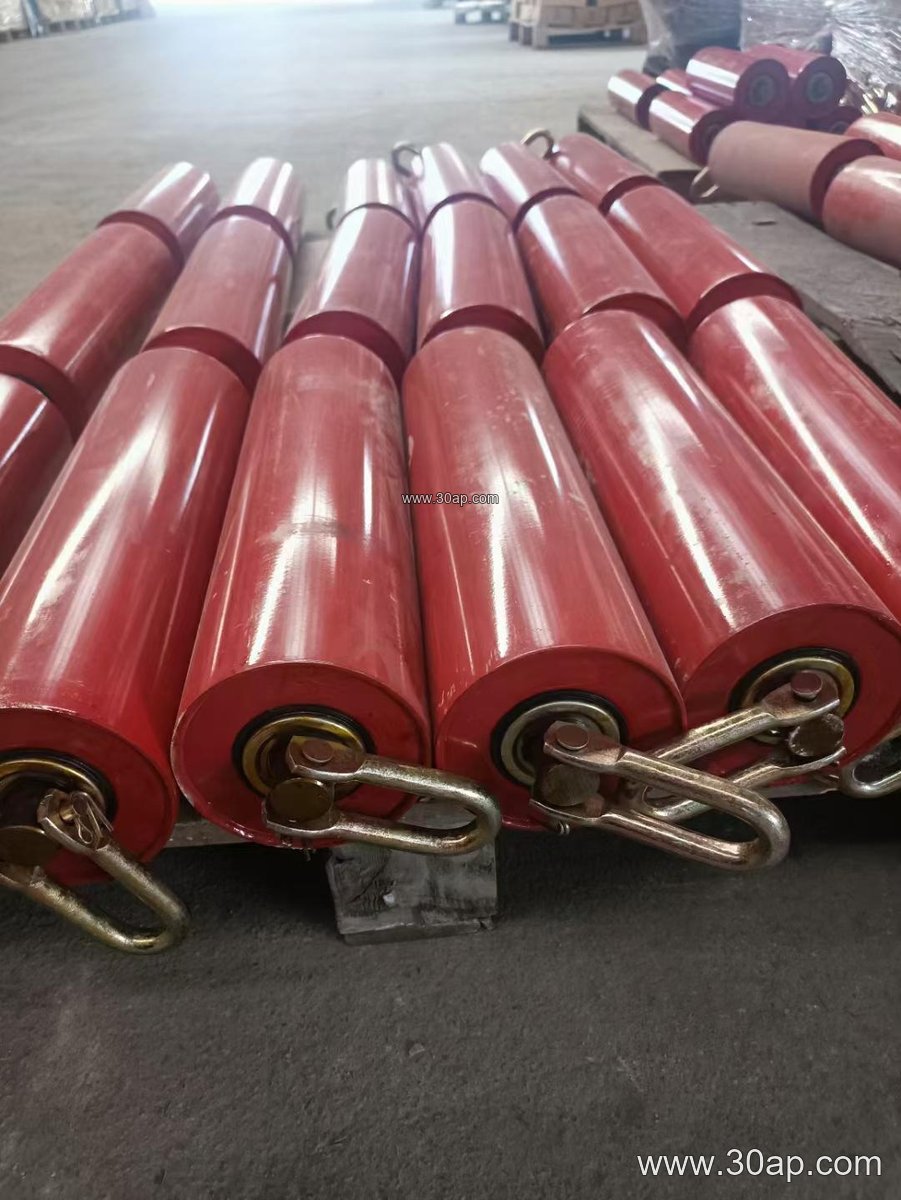
When specifying an idler bearing housing, confirm the bearing series, the housing outside diameter, the housing length, the seal type, and the shaft end configuration. Also check the roller shell thickness and the weld or press fit method. For a belt width such as B1200 or B1400, the roller length and housing position are set by the troughing angle and the idler set form, not by a single fixed rule.
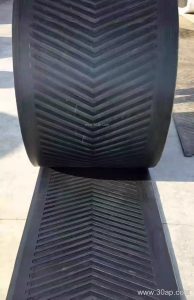
If the conveyor uses a corrugated sidewall belt or a pipe conveyor belt, the idler layout may differ from a standard trougher, so the housing and bracket interface should be reviewed together. The same applies when a chevron conveyor belt or a skirted conveyor belt changes the material profile on the belt.
Maintenance and Selection Notes
Listen for squealing, check for play at the roller end, and inspect for dust ingress around the seal. A housing that runs hot or leaks grease should be replaced before the bearing seizes and damages the belt. Keep spare cartridges or housings for the sizes used most often on site.
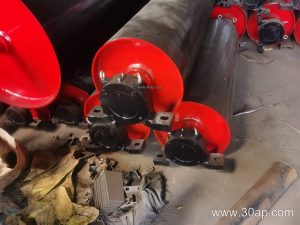
For more on rollers and related conveyor components, visit www.beltconveyoridler.com and review the idler roller and conveyor pulley options. Buyers sourcing for a mining conveyor belt line or a cement plant often pair housing selection with belt type, so the roller and belt work as one system. Whether the belt is an abrasion resistant conveyor belt, a heat resistant conveyor belt, or a flame retardant conveyor belt, the idler bearing housing still has one job: keep the roller turning freely and keep the belt running true.