What a Waterproof Idler Does
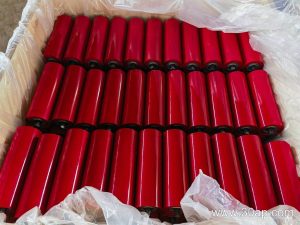
A waterproof idler roller is a conveyor idler built to keep water and fine slurry away from the bearing cavity. In a quarry washing bay, a coastal ship loader, or a tunnel face where groundwater runs along the belt line, ordinary idlers can pull moisture past their seals. Once water reaches the bearing, grease breaks down, rollers drag, and the belt starts to wander. The waterproof idler solves this with a sealed housing, protected end caps, and a coated or stainless shaft where needed. It is still an idler roller in the conveyor frame, but its sealing detail is the difference between months of service and a maintenance headache.
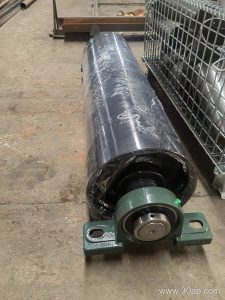
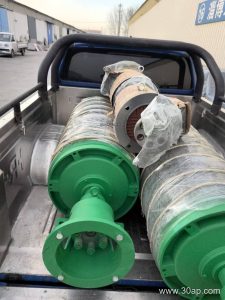
Note that a waterproof idler is not a pulley. Drive pulleys, tail pulleys, and bend pulleys have different roles and cannot be swapped for one another. Use the waterproof idler only where a carrying or return roller belongs.
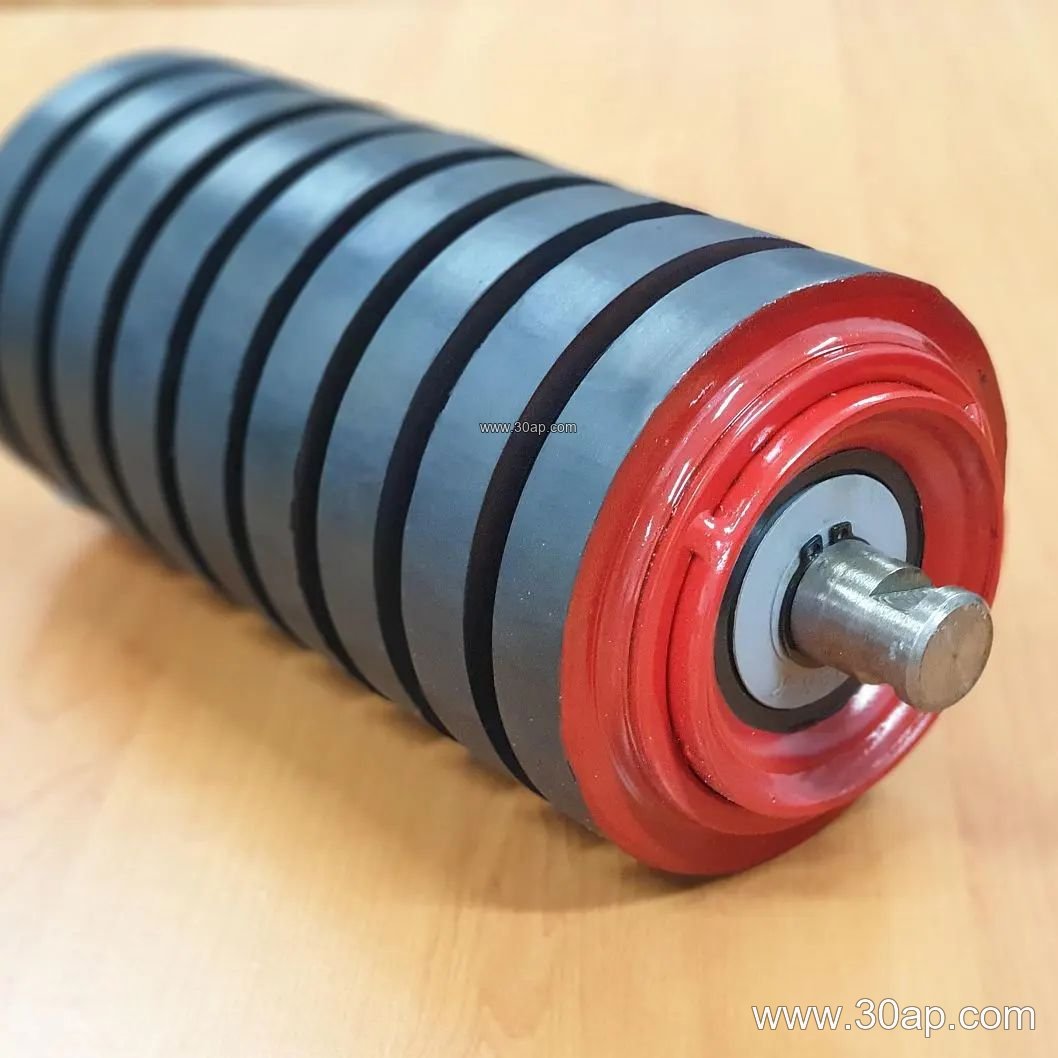
How the Sealing Is Built
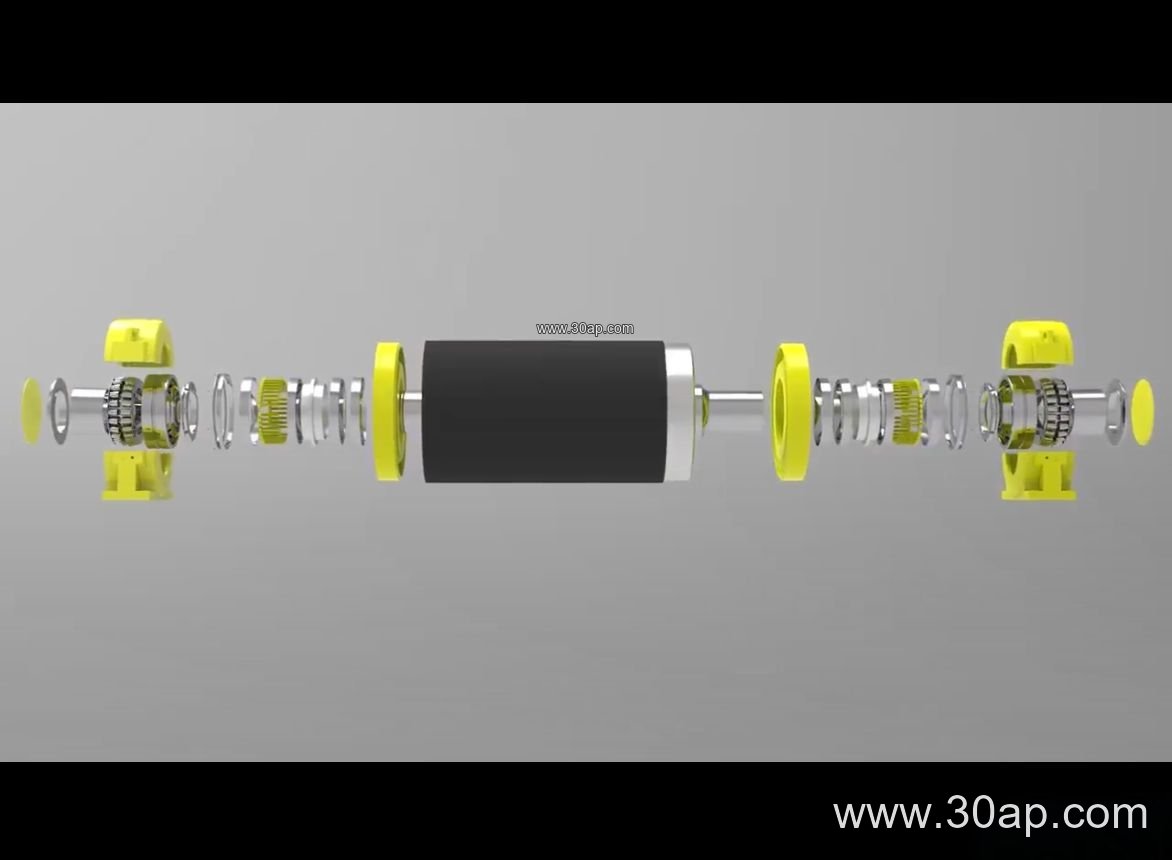
The usual construction starts with a steel tube shell, a through shaft, and a bearing housing that is machined for a close fit. The waterproof feature comes from a multi-stage seal: an outer labyrinth ring, a lip seal, and a filled grease space that pushes water outward. Some designs add a nylon or rubber end cap to shield the bearing from direct spray. Shaft ends may be zinc plated, or in very wet conditions, made from stainless steel. Roller surfaces can be plain steel, nylon, or rubber rings depending on whether impact or material build-up is the bigger concern.
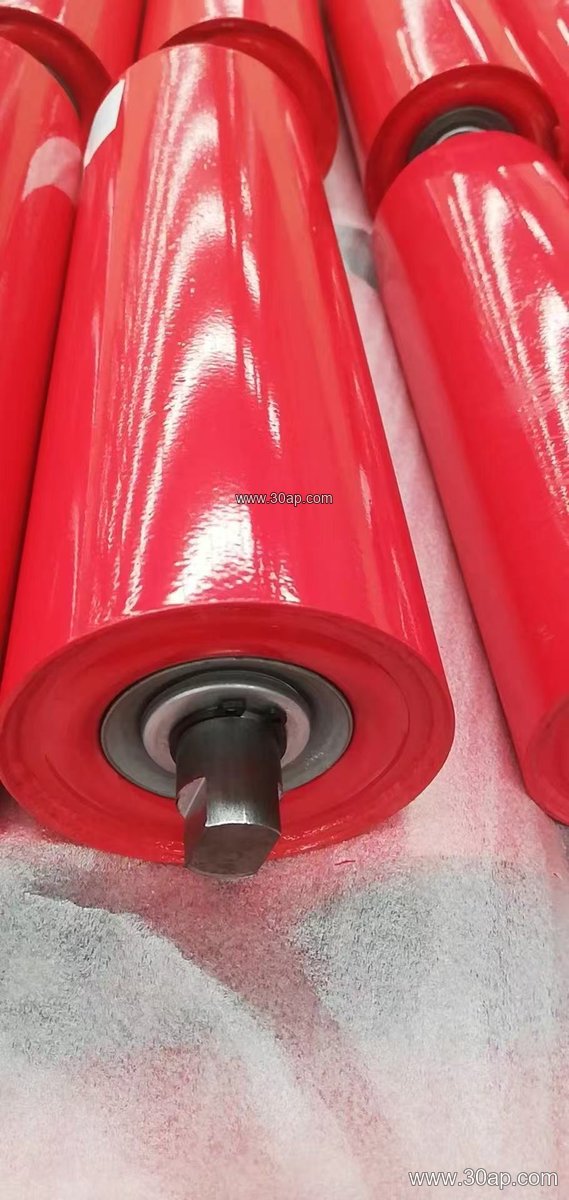
Common bearing sizes include 6204, 6205, 6305, 6306, 6308, and 6310. A given roller diameter is not tied to one bearing number, and the final choice should follow load and speed calculations rather than a fixed rule.
Where It Fits on the Conveyor
Waterproof idlers are most useful at transfer points, washing screens, dewatering sections, and outdoor stockpile conveyors exposed to rain. In a sand and gravel line, they often sit under the fine aggregate belt after the wash plant. In a coal preparation plant, they may be used on return runs where spray water collects. They also appear in port conveyors handling bulk material in humid air, and in concrete batching plants where wash-down water is common.
The carrying side may use three-roll troughing sets at 20, 30, 35, or 45 degrees, while the return side may use a single flat roller or a V-return. A waterproof idler can be supplied in these arrangements, but the sealing detail remains the main subject. For comparison, a buffer idler at a loading point addresses impact, and an aligning idler addresses belt tracking; neither replaces the waterproof function.
Common Dimensions and Arrangements
Roller diameter and belt width should be matched to the conveyor design. Typical roller diameters include Ø63, Ø76, Ø89, Ø102, Ø108, Ø127, Ø133, Ø159, Ø178, Ø194, and Ø219 mm. Belt widths commonly range from B400 to B2400. The roller length depends on belt width, trough angle, and the number of rolls in the set. For a three-roll troughing set, common examples are shown below, but side rollers and center rollers can differ.
| Belt Width | Typical Roller Length (three-roll set) |
|---|---|
| B500 | 200 mm |
| B650 | 250 mm |
| B800 | 315 mm |
| B1000 | 380 mm |
| B1200 | 465 mm |
| B1400 | 530 mm |
| B1600 | 600 mm |
| B1800 | 670 mm |
| B2000 | 750 mm |
These are reference examples, not fixed pairings. A wide belt may use larger diameter rollers to reduce rotation speed, and a heavy-duty mining conveyor may use thicker shells and reinforced seals.
Buyer Checklist
- Confirm the water exposure: wash-down spray, standing water, or humid air. This affects seal type and shaft coating.
- Check the conveyor belt speed and load. A waterproof idler still needs adequate bearing capacity.
- Match the roller to the frame and conveyor bracket. The bracket height and mounting slot must fit the shaft end.
- Consider the material carried. An abrasion resistant conveyor belt may shed fine grit that works into seals, so a labyrinth seal is helpful.
- For hot material, a heat resistant conveyor belt may be used nearby, but the idler should be specified for the actual temperature at the bearing.
- Ask for the grease type and re-lubrication interval if the idler is serviceable.
Waterproof idlers are one part of a reliable conveyor line. They work alongside the conveyor pulley, the frame, and the belt itself. On a quarry conveyor belt or an underground mining conveyor belt, small sealing details often decide how long the whole system runs without stoppage.