What a Multi-Ply Fabric Core Conveyor Belt Is
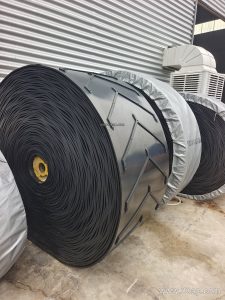
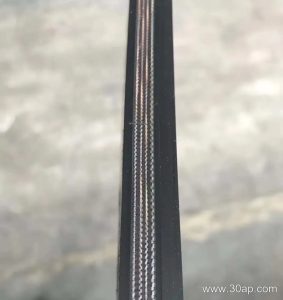
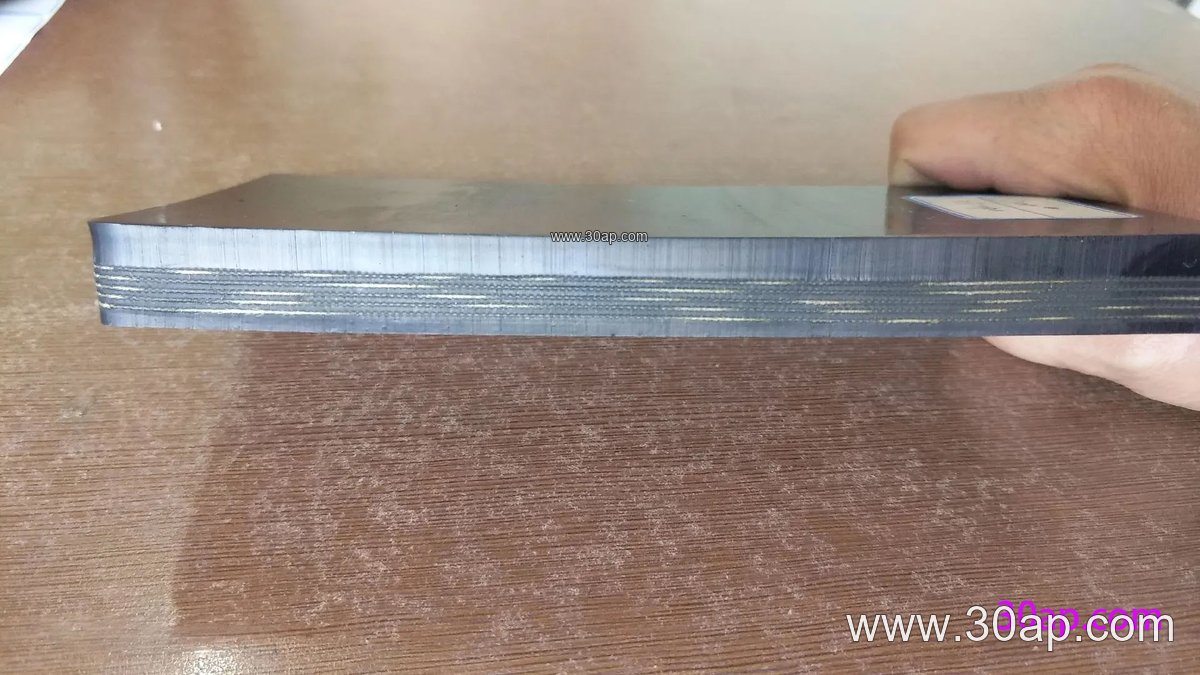
A Multi-Ply Fabric Core Conveyor Belt is a rubber conveyor belt built around several layers of woven fabric, usually EP (polyester-cotton) or NN (nylon-nylon) canvas, bonded together with rubber skim layers and protected by top and bottom cover rubber. The plies give the belt its tensile strength and resistance to impact, while the covers handle abrasion, moisture, heat, or oil depending on the compound. This construction sits between light single-ply belting and high-tension steel cord designs, which makes it a practical choice for many bulk handling lines.
Because the carcass is fabric rather than steel cable, the belt is flexible, tolerates small pulleys and tight transitions well, and can be spliced on site with stepped or finger joints. It is often the default belt in quarries, sand and gravel plants, cement works, power stations, and coal handling systems where loads are heavy but not extreme.
How the Belt Is Built
The carcass is the defining part. Fabric plies are calendered with rubber, stacked to the required number of layers, and vulcanized into a solid slab. Typical constructions use 2 to 6 plies. Cover rubber is then applied to both faces; common combinations include 3+1.5 mm, 4+2 mm, 5+2 mm, 6+2 mm, and 8+3 mm, with thicker covers suited to sharp, abrasive material.
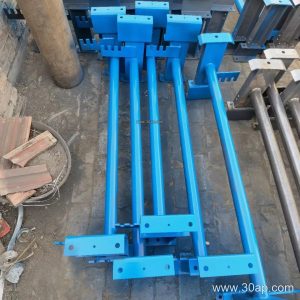
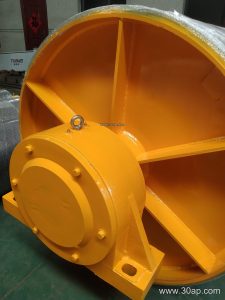
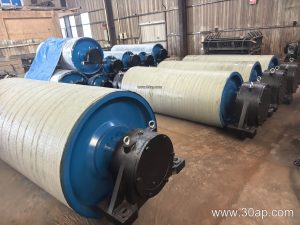
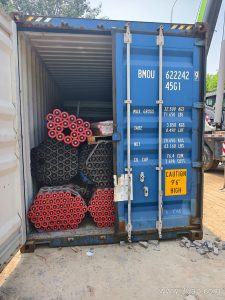
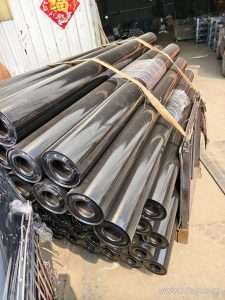
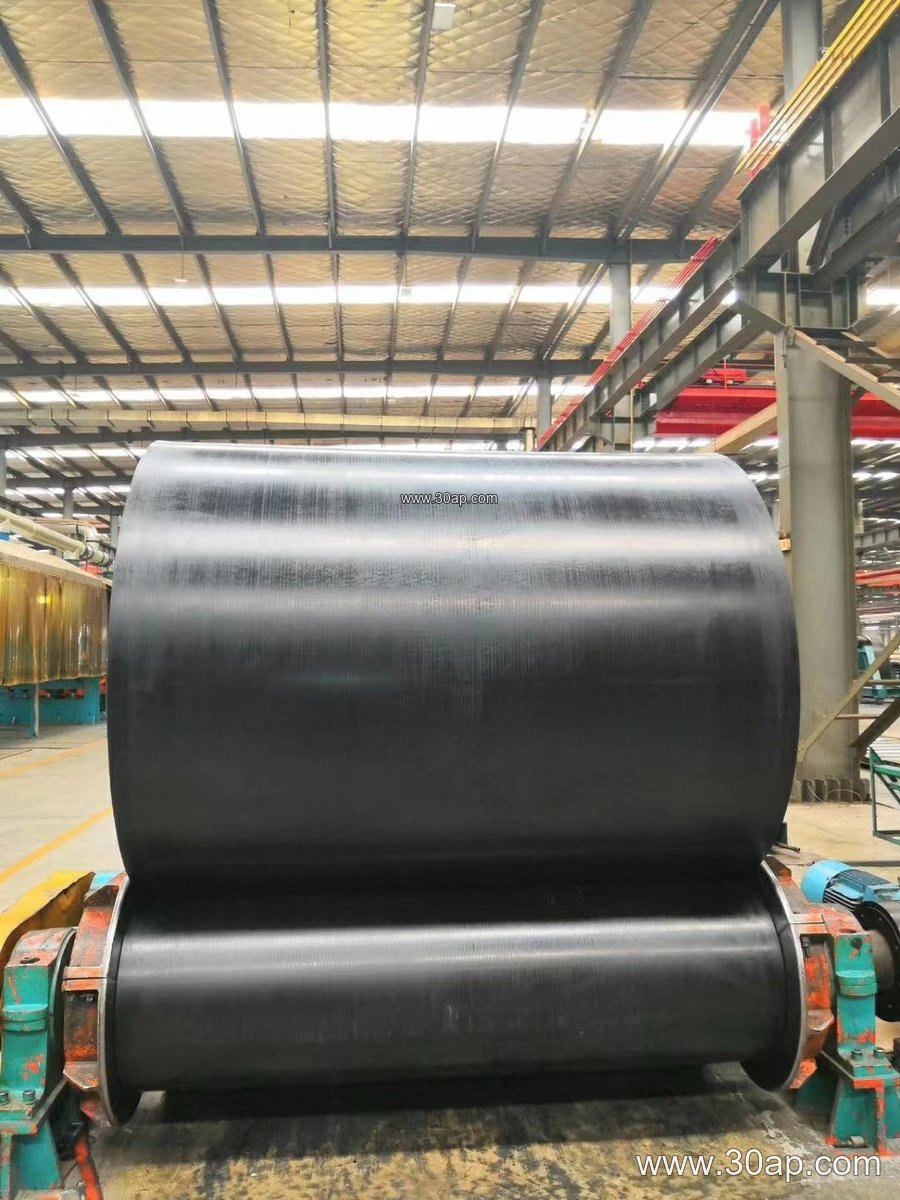
Buyers should think of the belt as a system with the conveyor pulley, idler roller, and conveyor bracket all influencing belt life. A correctly sized conveyor pulley and well-aligned idlers reduce edge stress and tracking problems, which matter more on wide belts.
Common Specifications
Fabric core belts are usually specified by carcass type, tensile strength, width, and cover grade. The table below shows typical reference values; actual values are set by design and vary between manufacturers.
| Parameter | Common Reference Range |
|---|---|
| Carcass type | EP (polyester-cotton), NN (nylon-nylon) |
| Tensile strength | EP200, EP315, EP400, EP500, EP630, EP800, EP1000, EP1250, EP1600, EP2000 |
| Belt width | B500, B650, B800, B1000, B1200, B1400, B1600, B1800, B2000 |
| Number of plies | 2 to 6 (commonly 3 to 5) |
| Cover thickness | 3+1.5, 4+2, 5+2, 6+2, 8+3 mm |
| Cover grades | Abrasion resistant, heat resistant, oil resistant, flame retardant, anti-static, cold resistant |
Where It Fits in the Plant
In a stone crushing line, a Multi-Ply Fabric Core Conveyor Belt moves crushed rock from the crusher to screens and stockpiles. In cement plants it carries clinker, limestone, and additives. Power plants use it for coal and ash; ports and ship loading terminals rely on wide belts for high tonnage. Underground coal mining often requires a flame retardant and anti-static grade, often supplied as a PVG conveyor belt, though that is a different carcass construction and is mentioned here only for comparison.
For very long, high-tension overland conveyors, a steel cord conveyor belt may be preferred. For lighter food or package handling, a PVC conveyor belt is common. The fabric multi-ply belt remains the workhorse in between.
Selection Points for Buyers
- Match tensile grade to the calculated belt tension, not just to the tonnage.
- Choose cover grade by material: abrasive ore calls for an abrasion resistant conveyor belt; hot clinker needs heat resistance; oily scrap favors oil resistant rubber.
- Check pulley diameters and take-up travel so the fabric carcass is not over-flexed.
- Confirm splice method and edge condition, since these affect tracking on the conveyor pulley.
- For dusty or explosive environments, specify anti-static and flame retardant properties.
Finally, keep spare idler roller and pulley inventories consistent with the belt width and load, and inspect covers for cuts before they reach the carcass. A well-matched Multi-Ply Fabric Core Conveyor Belt, properly tensioned and tracked, delivers long service in mining, quarry, cement, and power applications.