What a Carbon Steel Pulley Is
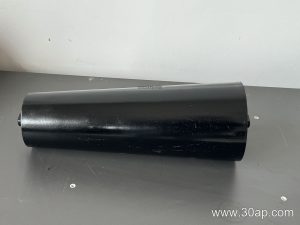
A carbon steel pulley is the rotating cylindrical component that supports and drives a conveyor belt at key points along a conveyor system. The body is fabricated from carbon steel plate, rolled and welded into a drum, then machined and balanced so it runs true at operating speed. Because carbon steel offers a good balance of strength, weldability and cost, it is the default material for pulleys in bulk handling duty, from a quarry conveyor line to a power plant coal yard. In many plants the same component is simply called a conveyor pulley or a steel drum pulley; these are accurate equivalent names for the same product.
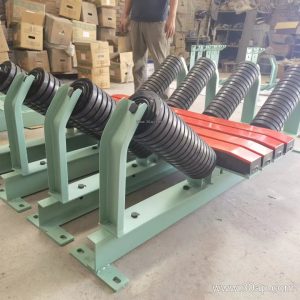
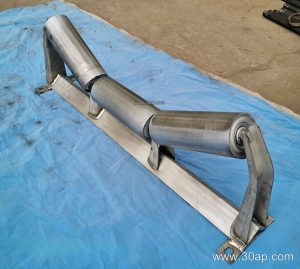
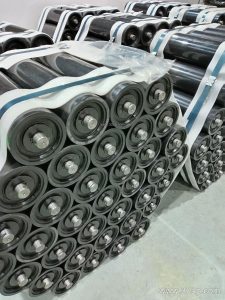
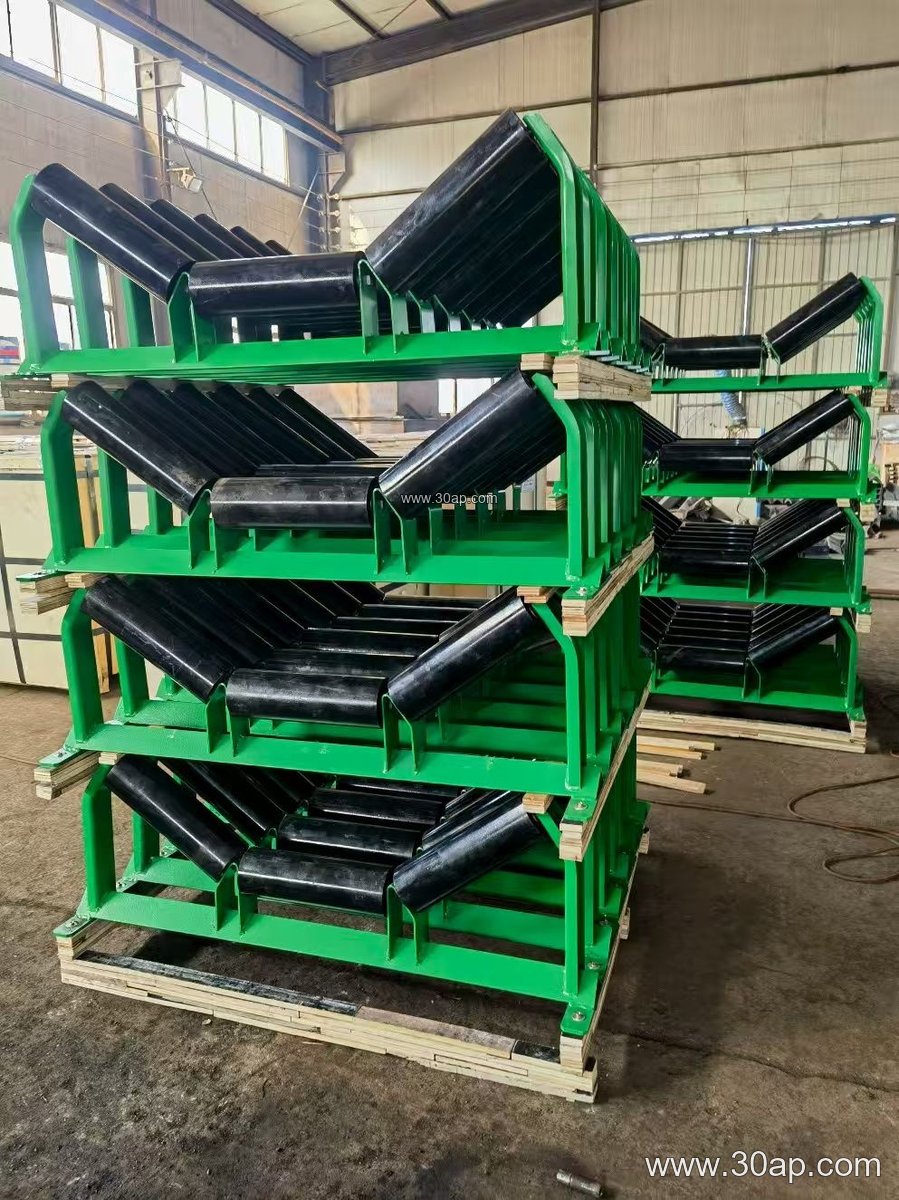
The pulley works together with the conveyor belt, the idler rollers along the carrying run, and the conveyor bracket that holds the assembly in place. Selecting a carbon steel pulley correctly means matching it to the belt, the load and the position in the conveyor frame.
How the Drum Is Built
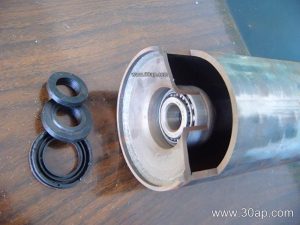
A typical carbon steel pulley consists of a rolled shell, two end discs, a hub and a shaft. The shell is machined after welding to keep the surface concentric, and the shaft is keyed or shrunk into the hubs. Larger units may include internal stiffening rings to resist bending under high belt tension.
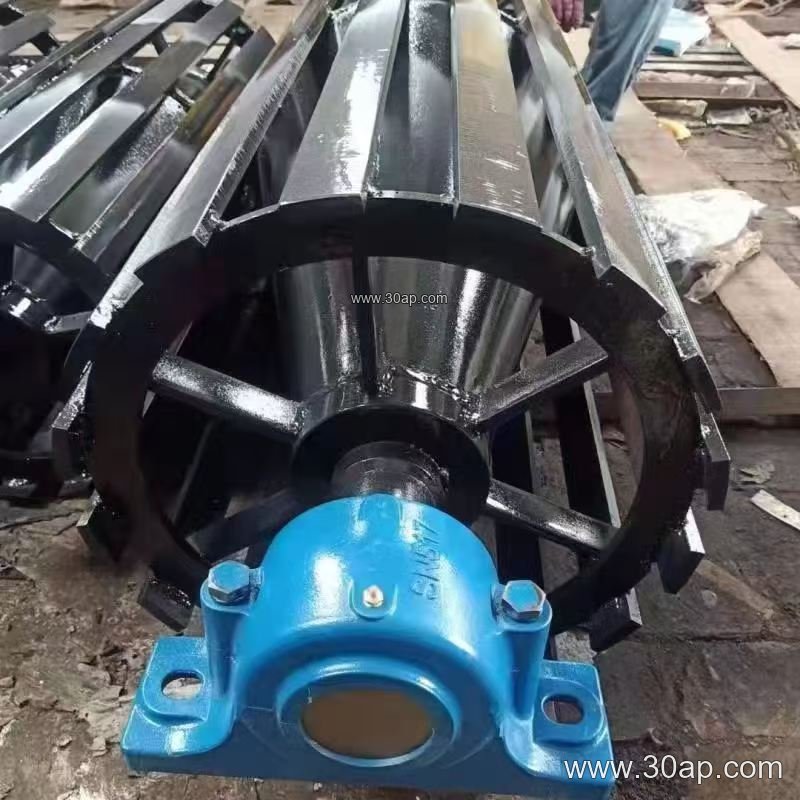
The surface can be supplied in several forms depending on the grip required:
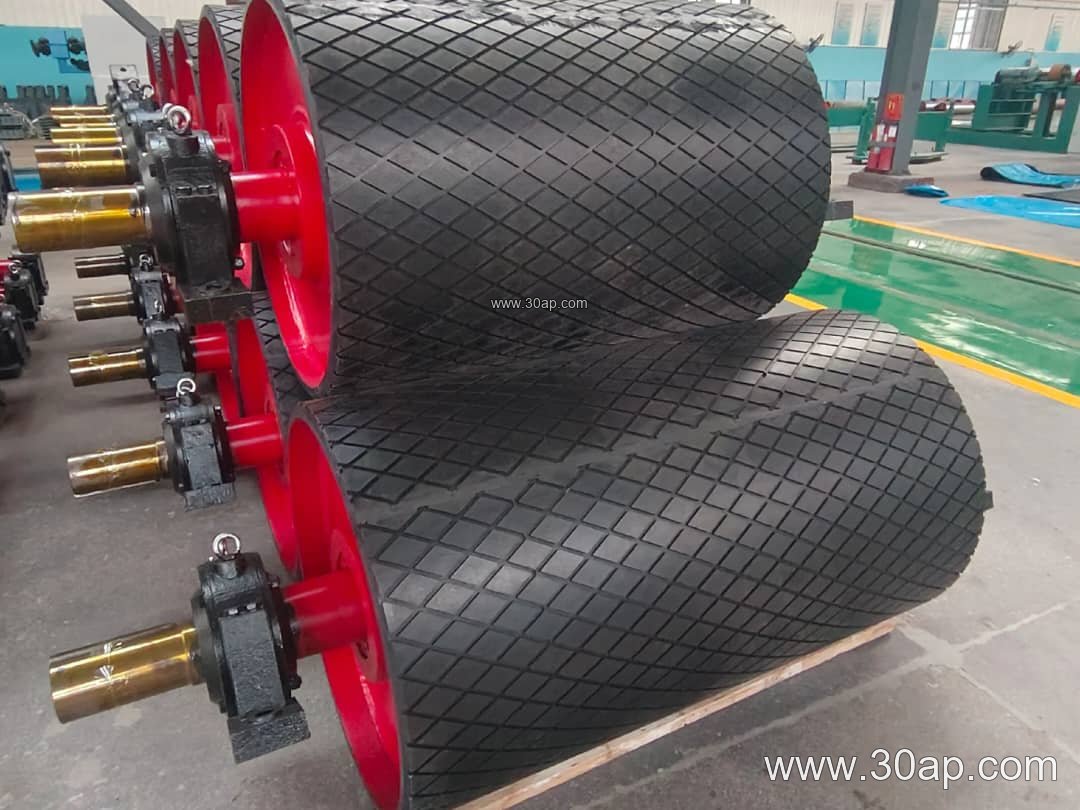
- Plain machined surface for light duty and easy cleaning
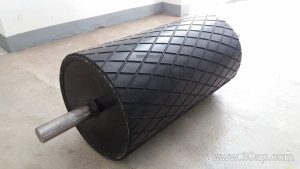
- Rubber lagging applied cold or hot vulcanized, usually 8 to 20 mm thick
- Diamond or herringbone grooved lagging for wet or dusty conditions
- Ceramic lagging for abrasive bulk materials
Common shell diameters range from about Ø200 mm for small units up to Ø1800 mm for heavy head pulleys, and face widths are normally slightly larger than the belt they carry, for example around 1400 mm face for a B1200 belt or about 1800 mm for a B1600 belt. Shaft diameters such as Ø80, Ø100, Ø120 or Ø160 mm are determined by torque and load, not by belt width alone.
Where the Pulley Sits in the Conveyor
A drive pulley, often the head pulley at the discharge end, transmits power from the gearbox to the belt. A tail pulley at the loading end turns freely and sets belt tension. A bend pulley changes belt direction, while a take-up pulley maintains tension as the belt stretches. These positions are not interchangeable, and each one places different demands on the carbon steel pulley.
In a typical limestone quarry or aggregate line, the head pulley may be lagged with diamond rubber to prevent slip on a wet belt, while the tail pulley is often plain. In a coal mining conveyor or a cement plant clinker line, dust and fines make lagging choice and sealing quality especially important.
Matching the Pulley to the Belt
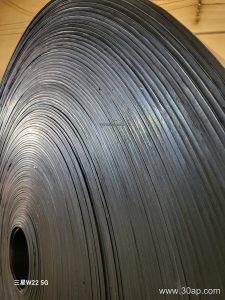
The belt itself guides selection. A heavy steel cord conveyor belt or a high strength EP conveyor belt such as EP1000 or EP1250 pulls with high tension, so the pulley shell, shaft and bearings must be sized for that load. A flame retardant conveyor belt used in underground coal mining may require a pulley with good static control and a surface that does not generate excessive heat. Abrasion resistant conveyor belt grades handling crushed rock put more wear on lagging, so thicker rubber or ceramic covering is often justified.
For a B800 belt a common combination might be Ø500 mm diameter with 10 mm lagging; a B1400 main drive may use Ø800 mm or larger. These are typical references, not fixed rules.
Buyer Checklist
- Confirm belt width, belt type and maximum operating tension
- State the pulley position: drive, tail, bend or take-up
- Choose surface form and lagging thickness for the material and weather
- Provide shaft diameter, bearing type and keyway details
- Ask about balancing grade and run-out tolerance
- Plan inspection of lagging wear and bearing condition at each shutdown
For more conveyor components such as 输送带, 托辊 and 滚筒, buyers should compare drawings and load data rather than relying on nominal sizes alone. A well specified carbon steel pulley keeps the whole conveyor line running smoothly.