What the ST2000 Conveyor Belt Is
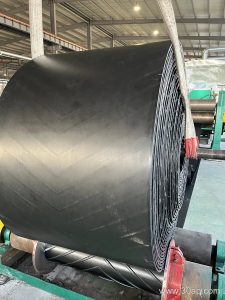
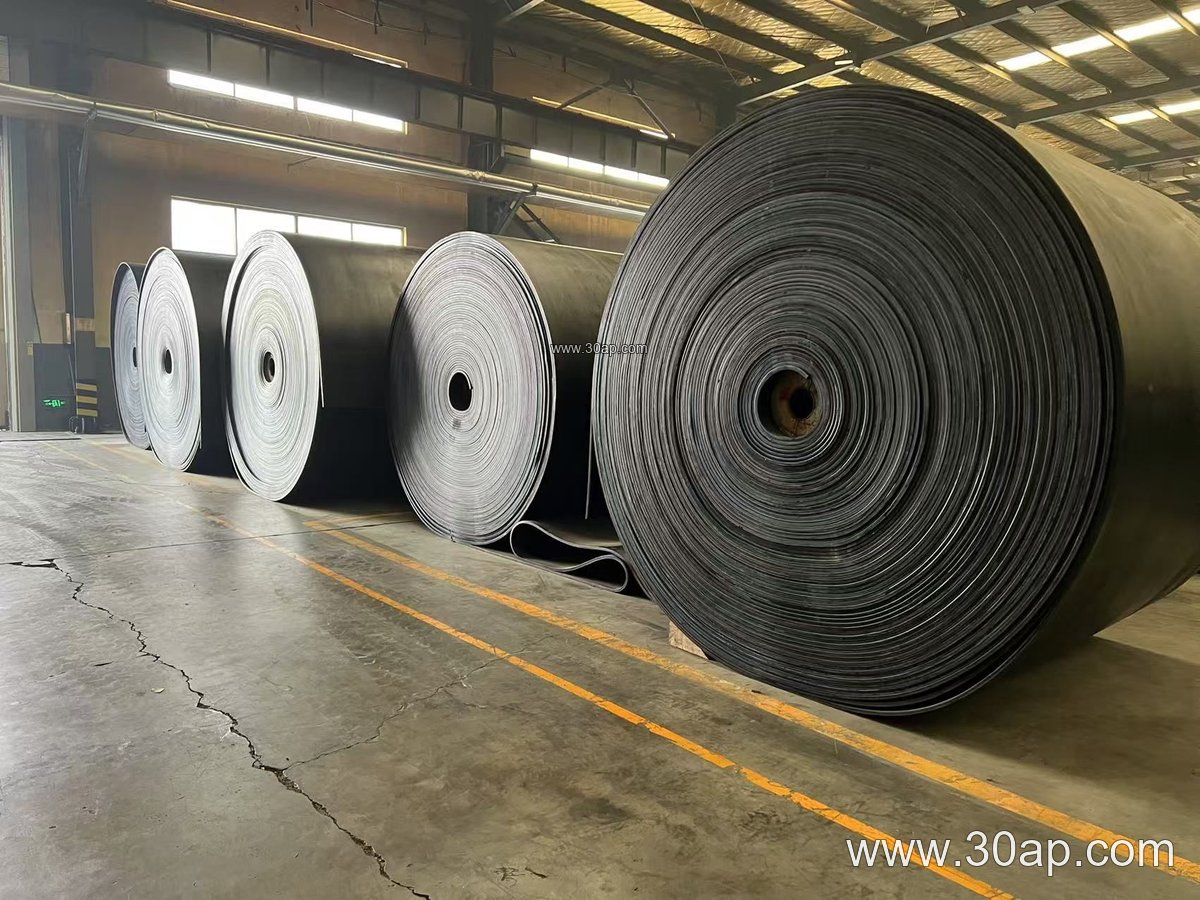
The ST2000 conveyor belt is a steel cord conveyor belt with a nominal tensile strength of 2000 N/mm. It belongs to the ST series, where the number indicates the belt’s breaking strength. This is not a fabric-reinforced belt; the carcass consists of parallel steel cords embedded in rubber, which gives the ST2000 its high strength and low elongation under load. In heavy industrial settings, you may hear it called a high-strength steel cord belt or simply an ST2000 belt. It is a distinct subtype, not to be confused with fabric core belts such as EP or NN, nor with solid woven PVC/PVG belts.
Engineers often specify the ST2000 for main haulage lines where a single flight must carry large tonnages over long distances. The belt’s core design allows it to handle high tension without the stretch that multi-ply fabric belts would show. That makes it a common choice in mining, cement, and power plant applications where uptime and tension stability matter.
Construction and Key Components
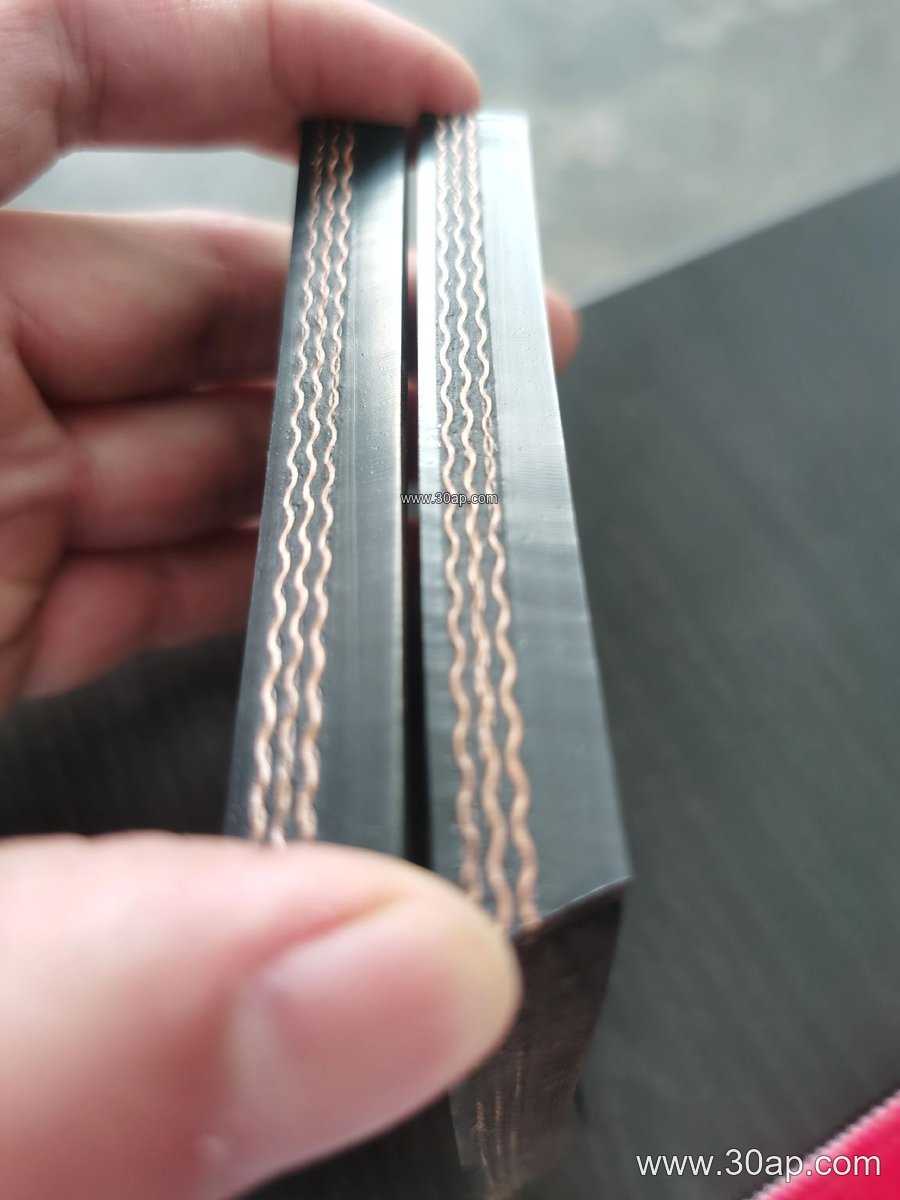
An ST2000 belt is built around a layer of high-carbon steel cords, typically arranged in a single plane. These cords are sandwiched between top and bottom cover rubber compounds. The covers protect the cords from abrasion, impact, and environmental attack. The bond between cord and rubber is critical; a weak interface can lead to cord pull-out or separation. Buyers should ask about the adhesion strength and the cord spacing, as these affect splice performance.
Cover thickness is usually specified separately for the top and bottom. Common combinations include 6+2 mm, 8+3 mm, and other heavy-duty builds. The top cover often carries the material and must resist cutting and gouging, while the bottom cover runs over idler rollers and pulleys. The belt edges may be cut square or molded. For open troughed conveyors, square-cut edges are typical; for certain applications, edge protection may be added.
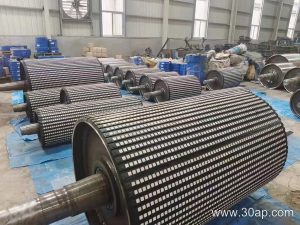
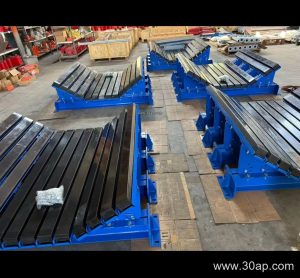
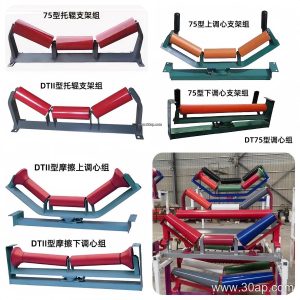
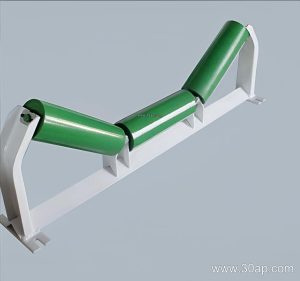
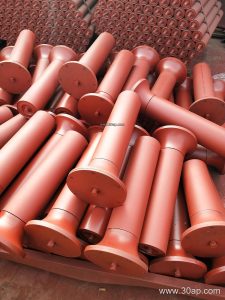
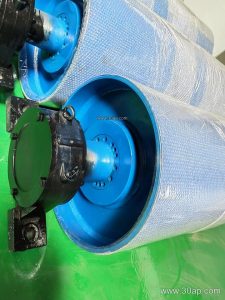
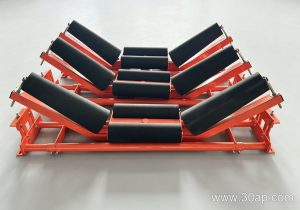
The belt is not a standalone item. It works with conveyor pulleys—drive, tail, and bend pulleys each have specific roles—and with idler rollers that support the belt along the carry and return sides. Conveyor brackets hold the idlers and pulleys in alignment. These components are not interchangeable: a drive pulley transmits power, a tail pulley changes direction, and a bend pulley redirects the belt path. The ST2000 belt’s tension requirements influence the pulley diameters and shaft sizes, but belt width alone does not determine shaft diameter. Those values come from the conveyor design.
Where ST2000 Belts Are Used
The ST2000 is at home in demanding bulk material handling. Typical industries include:
- Mining and mineral processing—iron ore, copper ore, gold ore, and overburden.
- Coal mining, including underground coal mining conveyors where flame retardant and anti-static properties are often required.
- Cement plants and quarries, moving limestone, clinker, and aggregate.
- Power plants handling coal and limestone.
- Ports and ship loading facilities where high capacity and long reach are needed.
- Steel plants and foundries for ore and coke transport.
In these settings, the belt may need additional properties beyond strength. A heat resistant conveyor belt variant may be specified for clinker or sinter, while an abrasion resistant conveyor belt cover is common for sharp rock. For underground coal, a flame retardant conveyor belt with anti-static properties is typical. Oil resistant and cold resistant versions also exist for specific climates or material types. These are all ST2000 belts with modified covers, not different belt types.
Specifications and What They Mean
When specifying an ST2000 belt, several parameters come into play. The table below lists common reference values; actual supply depends on the manufacturer and the conveyor design.
| Parameter | Common reference |
|---|---|
| Belt width | B800, B1000, B1200, B1400, B1600, B1800, B2000 |
| Cover thickness (top+bottom) | 6+2 mm, 8+3 mm, others by design |
| Cord construction | Steel cord, single plane |
| Tensile strength | 2000 N/mm nominal |
| Cover type | Abrasion resistant, heat resistant, flame retardant, oil resistant, cold resistant, anti-static |
Belt width and strength are not the only factors. The minimum pulley diameter for an ST2000 belt is usually larger than for a fabric belt of the same width because steel cords are less tolerant of tight bending. The conveyor designer calculates the required drive pulley diameter based on belt tension, cord fatigue, and splice life. Do not assume that a 1200mm wide belt always pairs with a certain shaft diameter; that is a design decision.
Other belt types may be compared during selection. For example, an EP conveyor belt or NN conveyor belt might be considered for shorter, lighter-duty lines, while a PVC or PVG belt is common in underground coal where solid woven construction is preferred. A chevron conveyor belt or corrugated sidewall belt may be used on inclines where material spillage is a concern. These are alternatives for specific needs, not replacements for the ST2000 where its high strength is required.
Buyer Checklist
Before ordering an ST2000 conveyor belt, gather the following information:
- Required belt width and the conveyor’s trough angle.
- Maximum operating tension and the safety factor.
- Material characteristics: lump size, temperature, abrasiveness, oil content, and moisture.
- Environmental conditions: indoor/outdoor, ambient temperature, and any fire or static risk.
- Pulley diameters and idler roller spacing, as these affect belt life.
- Splice method and whether the belt will be supplied endless or open.
Also confirm the cover grade and thickness. A high abrasion resistant cover may extend service life in quarry and mining duty, while a heat resistant cover is essential near kilns or sinter coolers. For food or clean applications, a food grade conveyor belt may be needed, though that is less common for ST2000. Discuss with the supplier how the belt will be shipped—coiled, with edges protected—and whether they provide splice kits or technical support.
Finally, remember that the belt is part of a system. The drive pulley, tail pulley, bend pulleys, idler rollers, and conveyor brackets all interact with the belt. Ensure the conveyor frame is aligned and the idlers turn freely. Poor alignment can cause edge damage and reduce belt life even on a high-quality ST2000 belt.